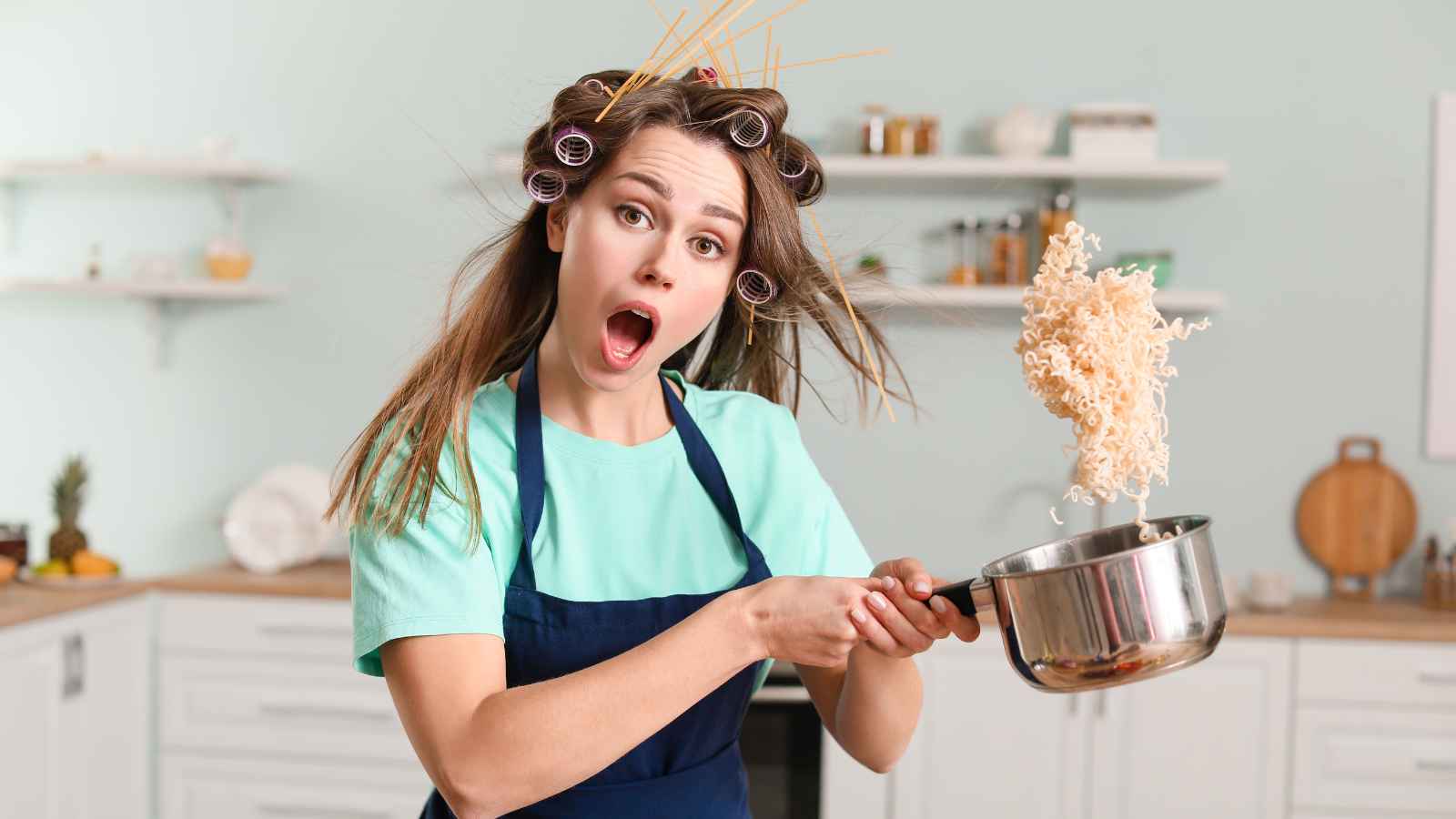
Cooking is full of so-called “rules” that experts insist you must follow. But in reality, many of these guidelines are flexible—and home cooks break them every day without disaster. In fact, some meals turn out just as good, if not better, when you loosen the rules. These 20 examples show how breaking supposed rules often works out perfectly well. Some of these “rules” are holdovers from older equipment or stricter professional settings, but home cooking rarely demands such precision. When you recognize which steps are truly essential and which are flexible, you cook with more confidence.
Always Preheat The Oven
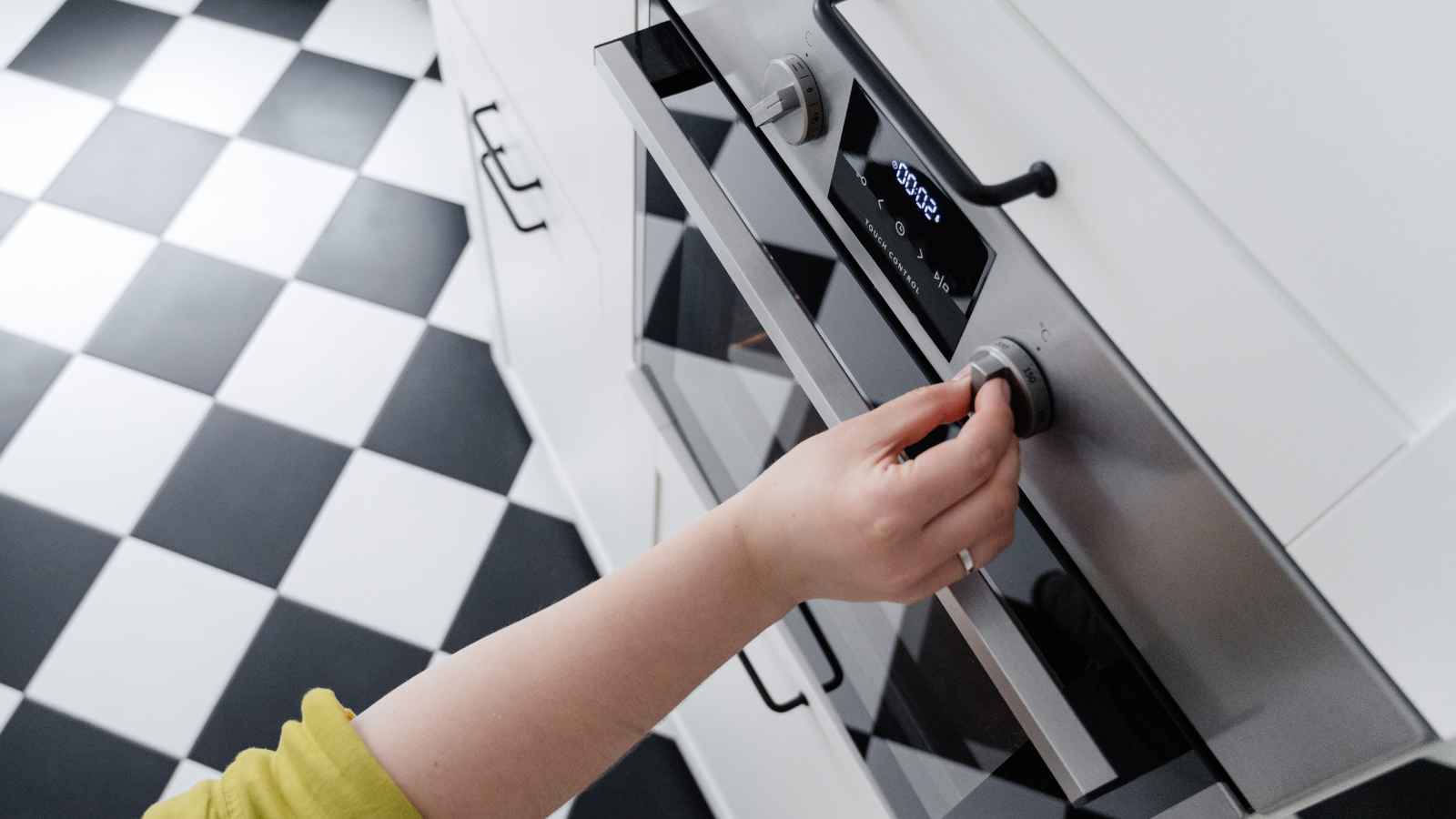
Starting casseroles, roasted vegetables, or baked pasta dishes in a cold oven often works because these foods cook as the oven heats. Slow, gentle warming can even help flavors meld or prevent burning on the edges. Many ovens also take longer than their preheat signal claims, so putting food in early doesn’t necessarily mean uneven cooking. For some dishes, like bread, preheating is crucial, but for dense or saucy recipes it’s often unnecessary. You save time and still get an evenly cooked, appetizing dish.
Salt Water Until It “Tastes Like The Sea”
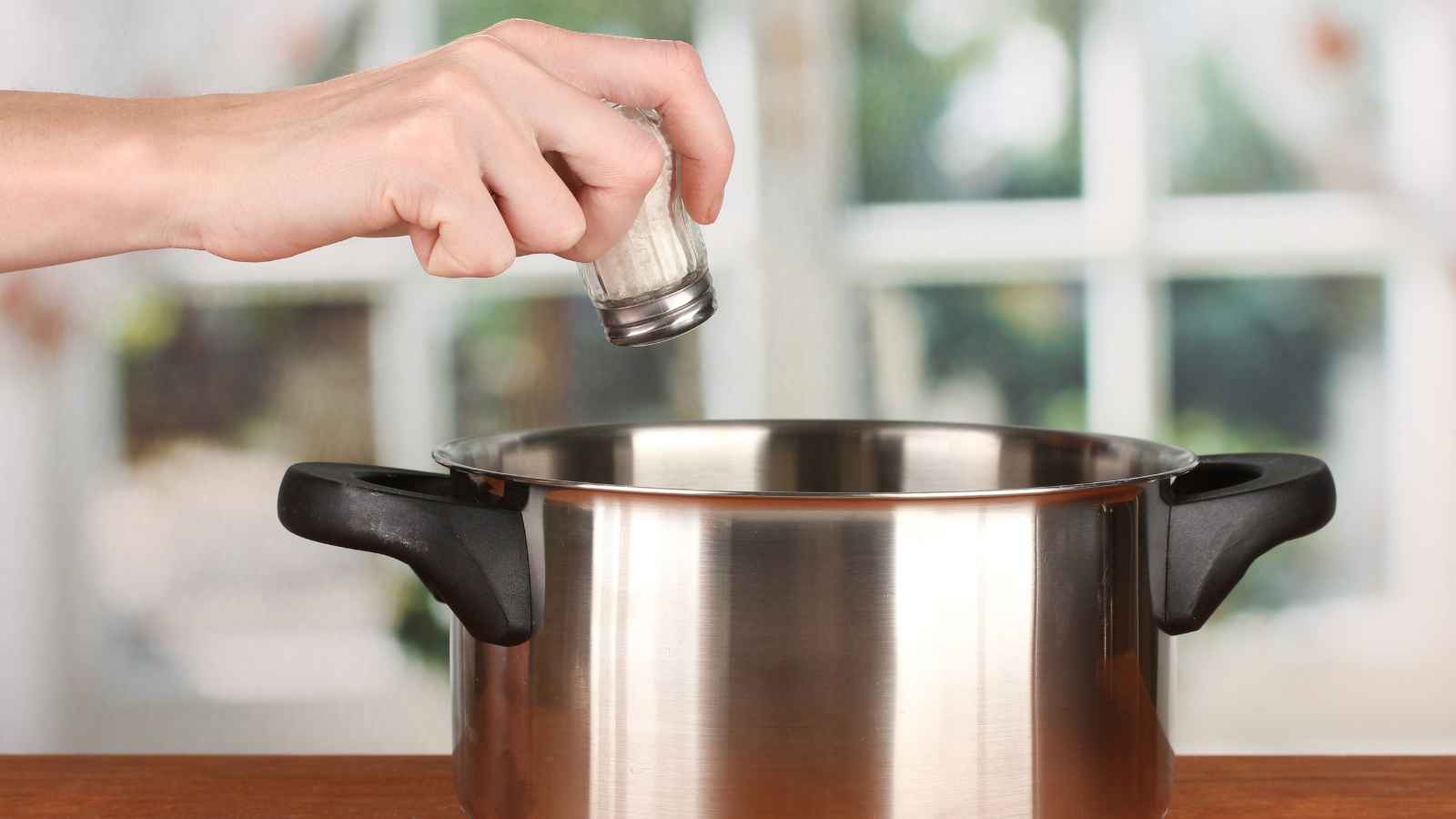
Adding too much salt to pasta water can overwhelm your meal instead of seasoning it. A small pinch or two seasons pasta lightly while leaving room for sauce to shine. Most people prefer moderate sodium intake for health reasons, so dialing back salt still yields a pleasant dish. The starch released from pasta also helps sauces stick without extra salt. You can control the overall flavor better by seasoning later rather than front-loading salt.
Measure Every Ingredient Exactly
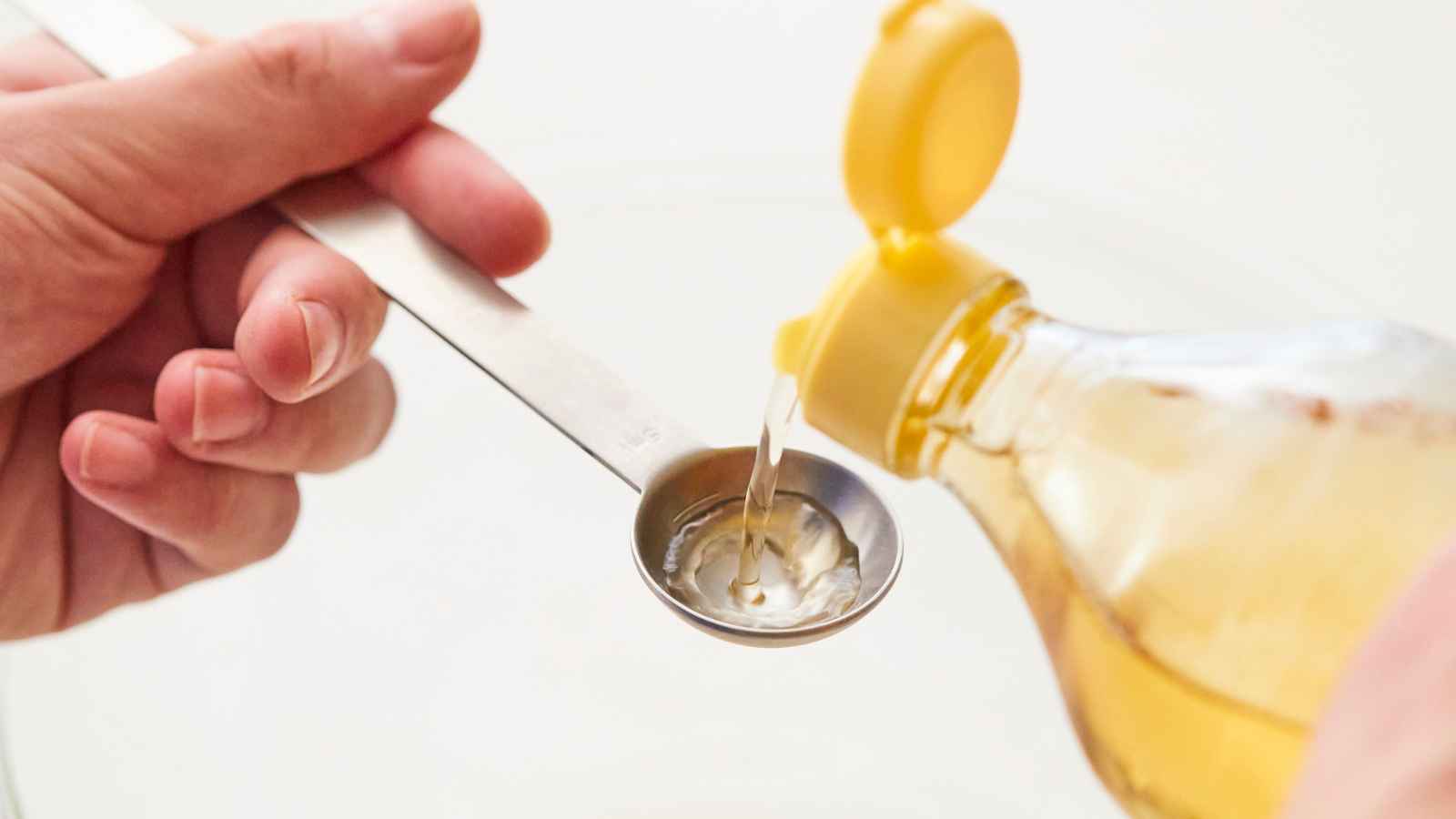
Eyeballing spices, oils, and even flour can work because many recipes have a wide tolerance range. Spices especially vary in potency depending on freshness, so measuring by feel can be more accurate for your taste. Experienced home cooks often adjust by sight or smell, which helps personalize dishes. For everyday meals, exact weights matter far less than in professional baking. You still end up with flavorful, balanced food while saving time on cleanup.
Only Flip Meat Once
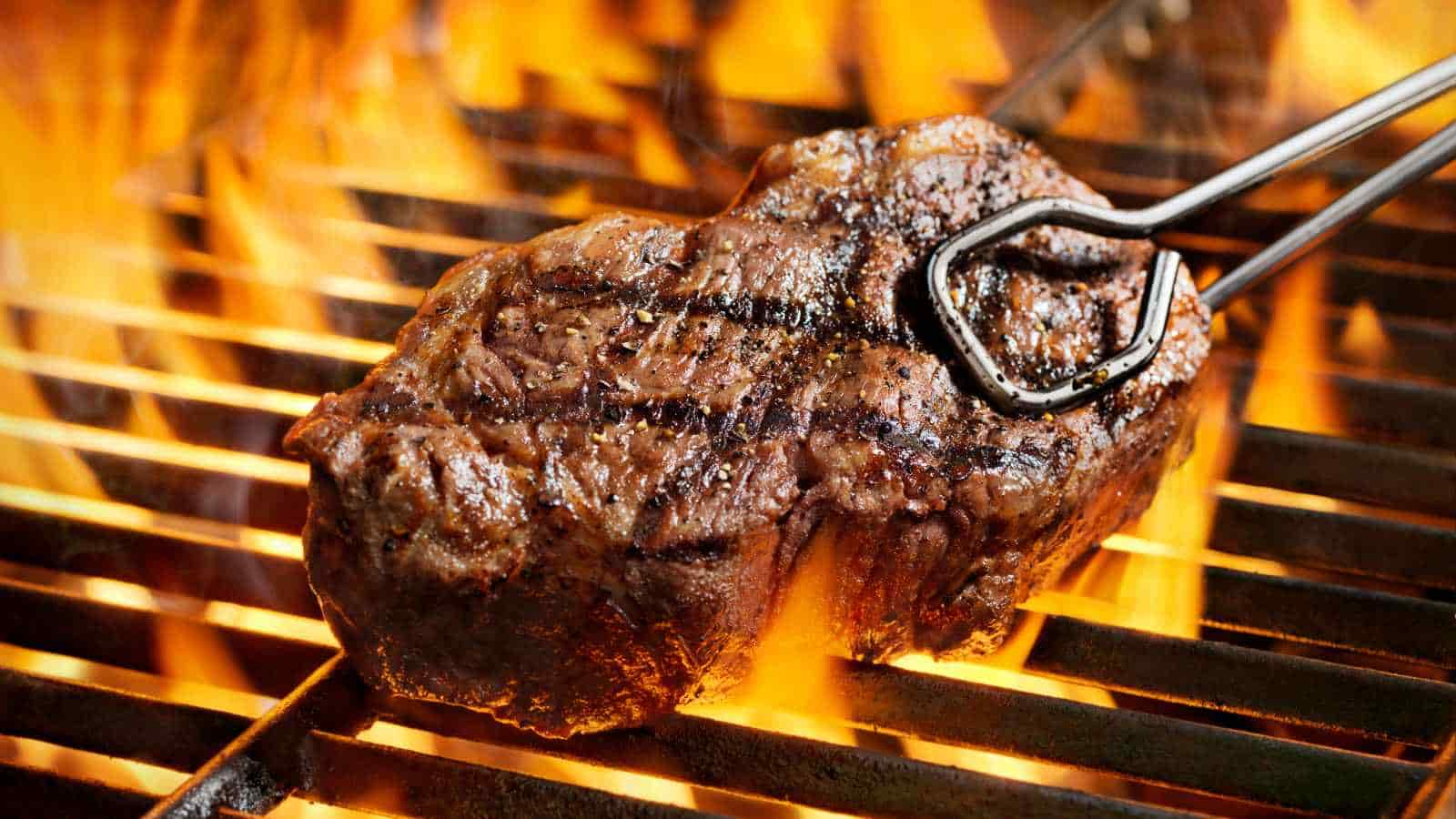
Turning meat more than once doesn’t ruin it as long as it’s cooked to a safe internal temperature. Frequent flipping can actually promote even browning on thinner cuts like burgers or chicken breasts. The one-flip rule stems from grill cooking where sticking can be an issue. In a nonstick pan or well-oiled surface, multiple turns are harmless. You can get a good crust and juicy center without worrying about strict flipping rules.
Sear Meat Before Slow Cooking
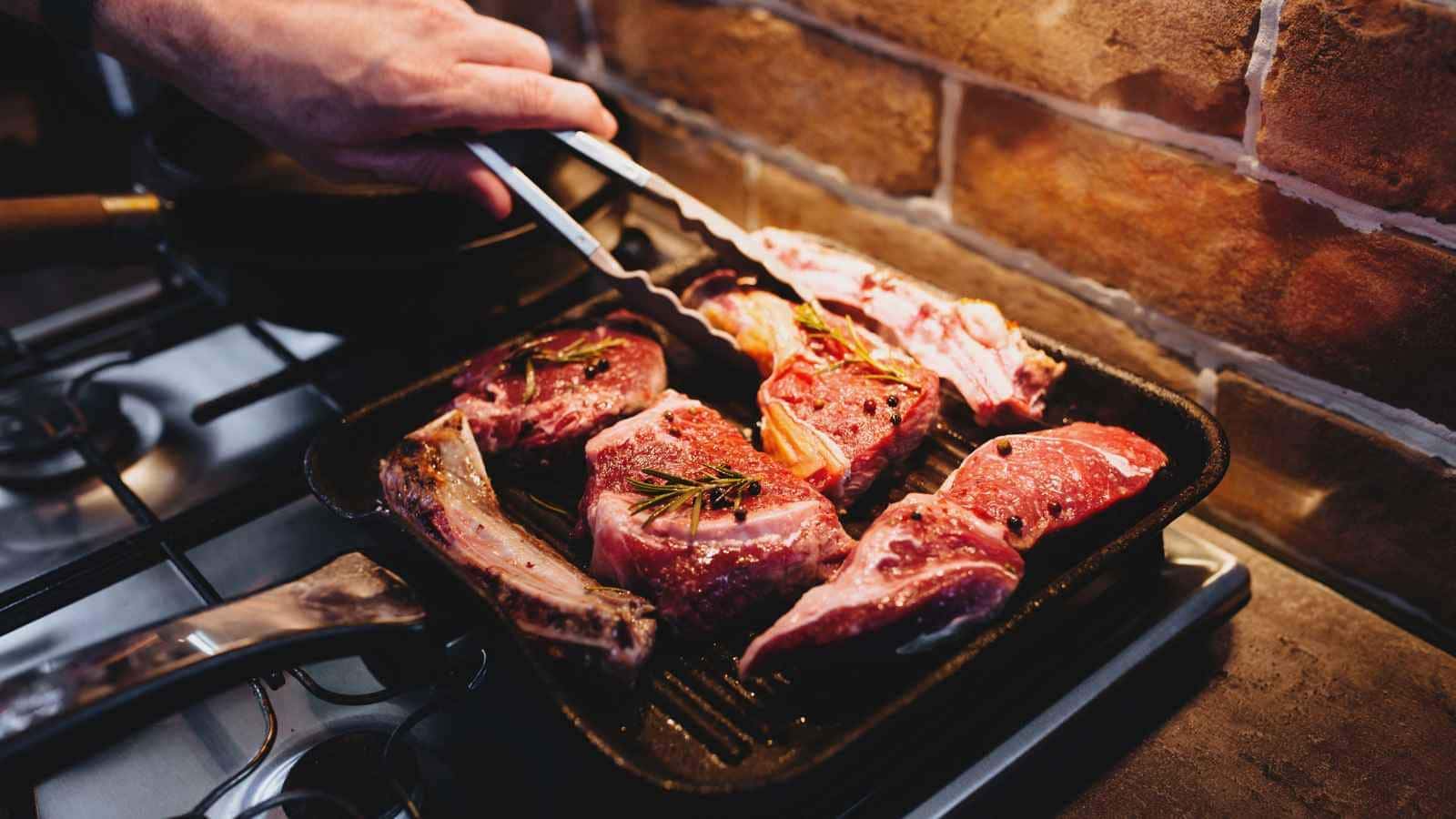
Skipping the sear step means you miss a layer of browned flavor, but the meat still becomes tender. Long, moist cooking breaks down collagen and infuses seasoning regardless of searing. Many slow-cooker users skip browning to save time and still enjoy hearty stews. You can mimic seared flavor by adding darker spices, tomato paste, or smoked ingredients. The end result is still rich and satisfying.
Always Sift Flour
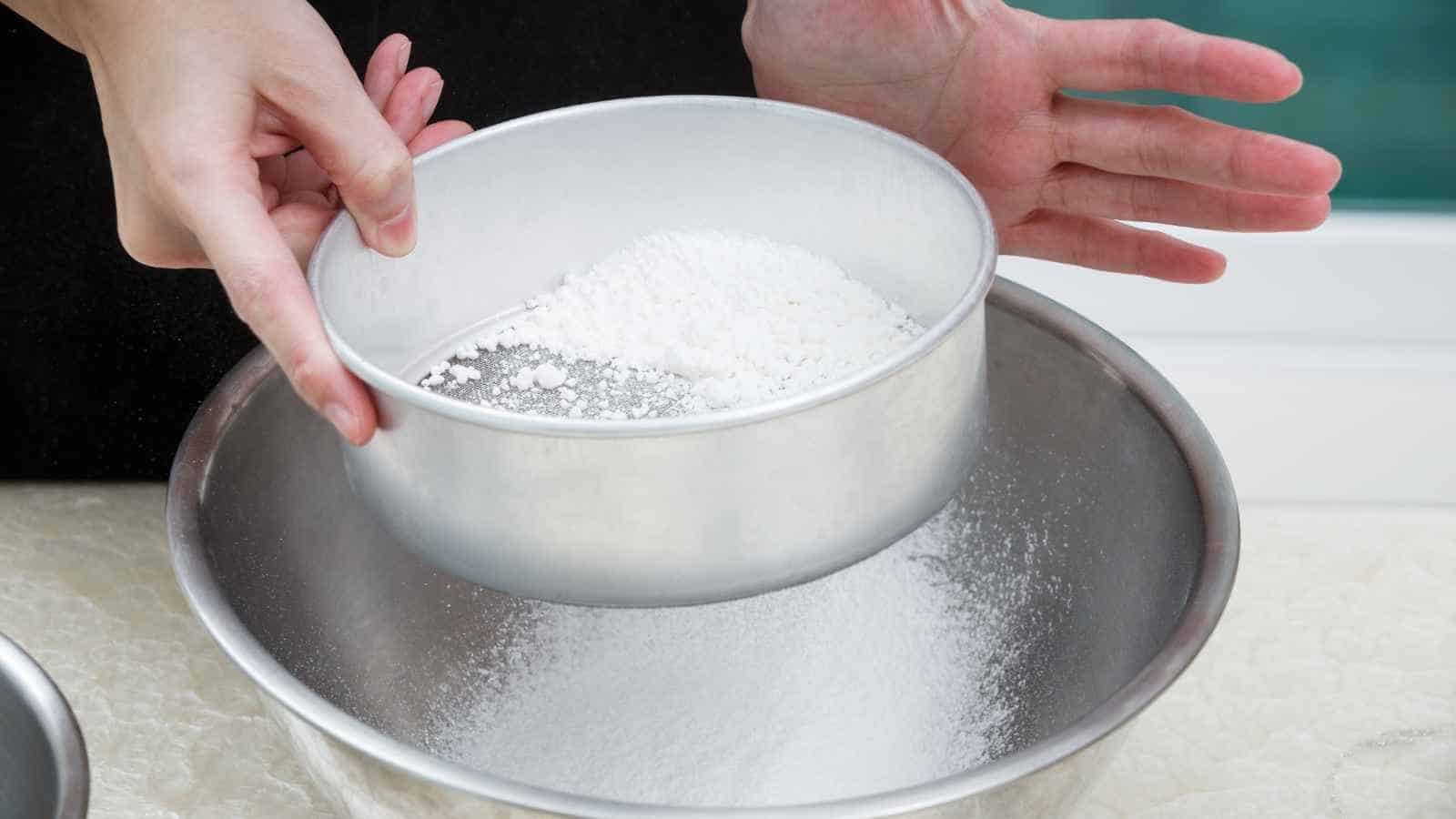
Modern pre-packaged flour is usually pre-sifted, so skipping this step rarely harms cakes or cookies. Sifting mainly aerates flour and removes clumps, but whisking dry ingredients together achieves a similar effect. Many bakers go straight from bag to bowl with great results. The texture difference is often negligible for everyday baking. You still get a good rise and soft crumb without extra effort.
Rest Pasta After Draining
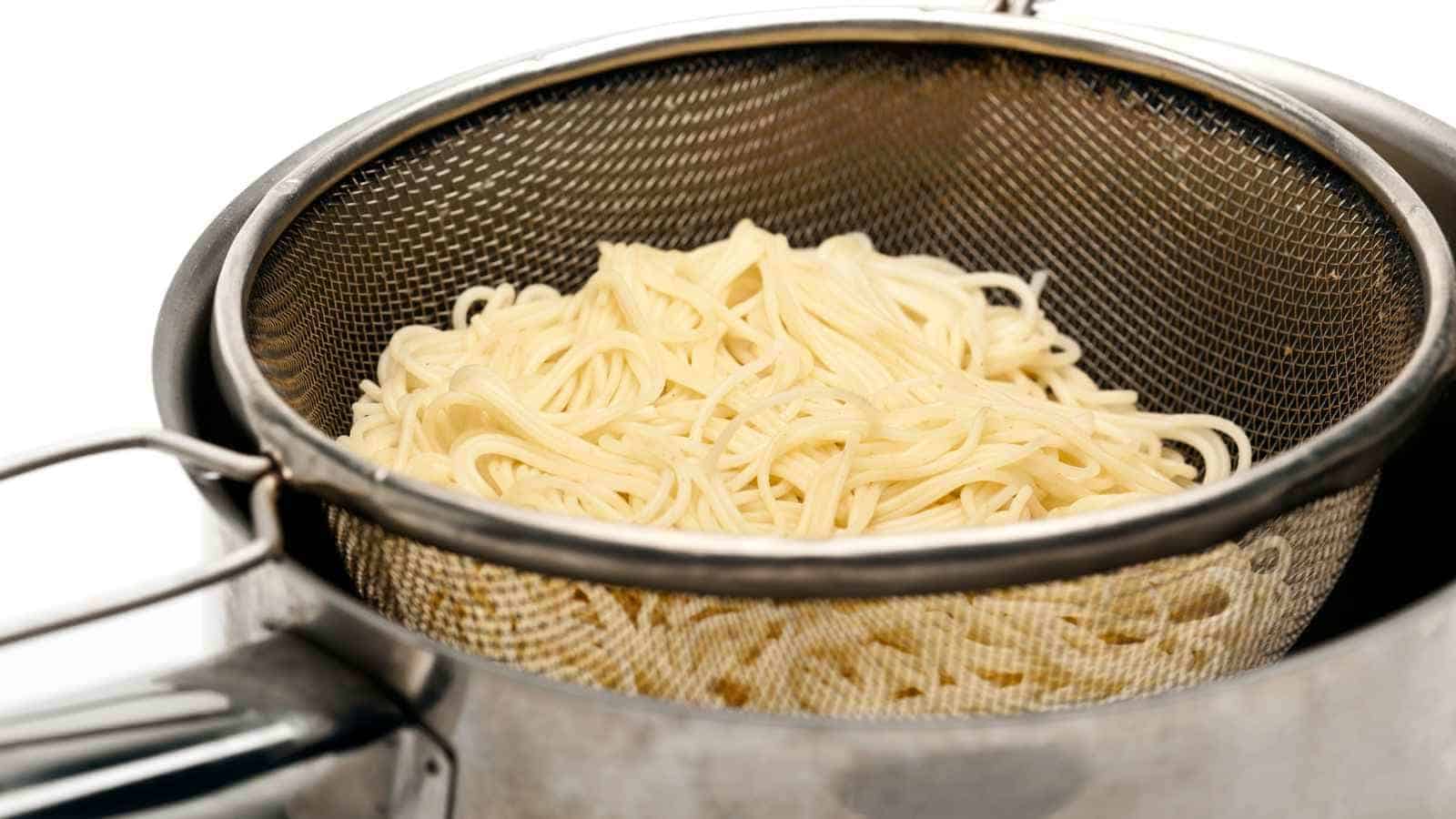
Serving pasta immediately after draining keeps it hot and prevents sticking when sauce is added quickly. The so-called “rest” is mostly for convenience or letting it cool. Many Italian home cooks toss pasta directly into sauce without pause. Starch on the noodles helps sauce adhere better when it’s still warm. Your pasta will taste great even without waiting.
Peel Vegetables Before Cooking
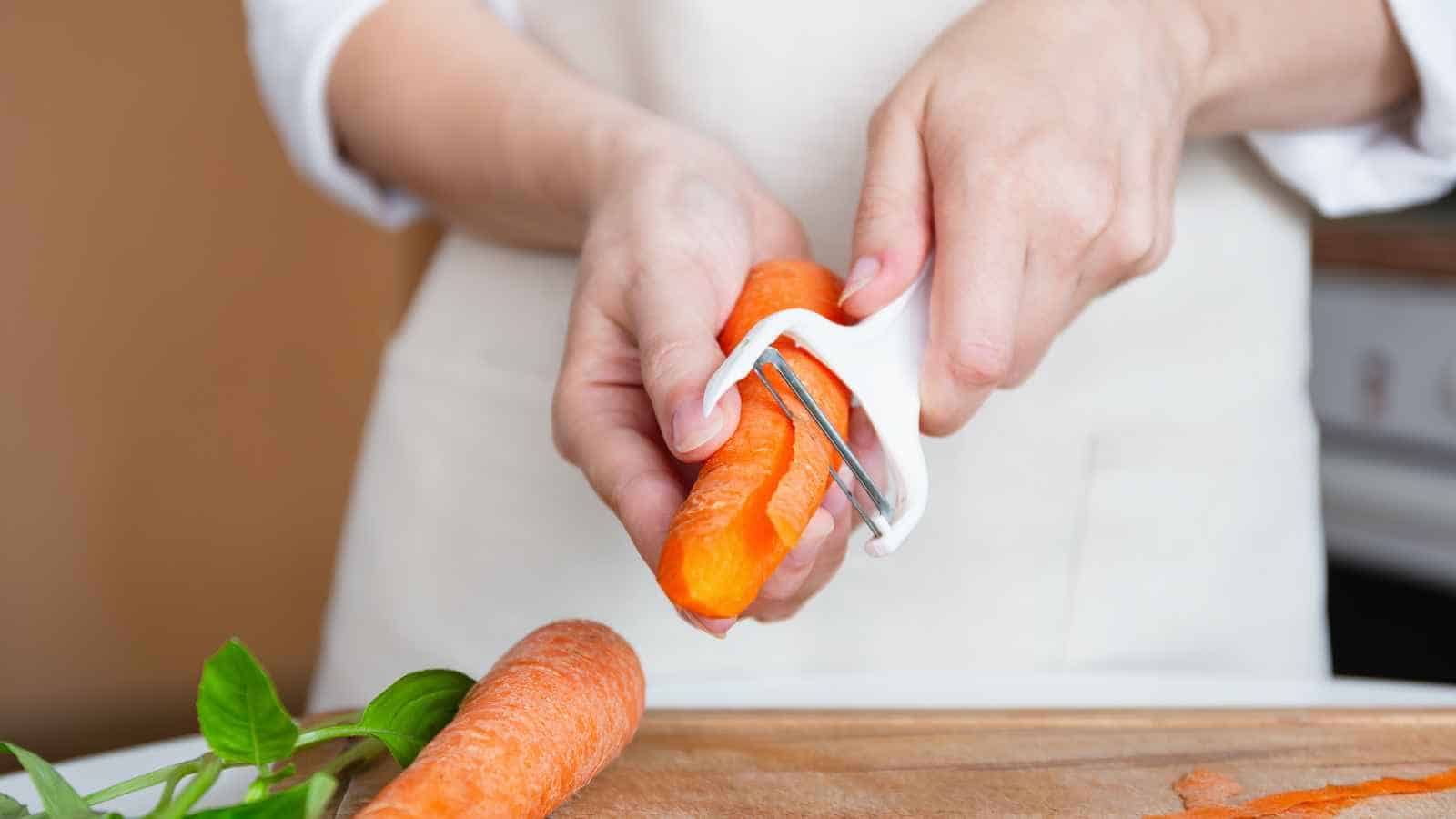
Leaving skins on potatoes, carrots, or cucumbers saves time and preserves fiber, vitamins, and minerals. Many nutrients sit just under the skin, so peeling actually reduces the health value. Skins also add texture and rustic appeal to soups and roasted dishes. Modern produce is often cleaner than in the past, so a good wash is usually enough. You cook faster and waste less while boosting nutrition.
Use Fresh Herbs Only
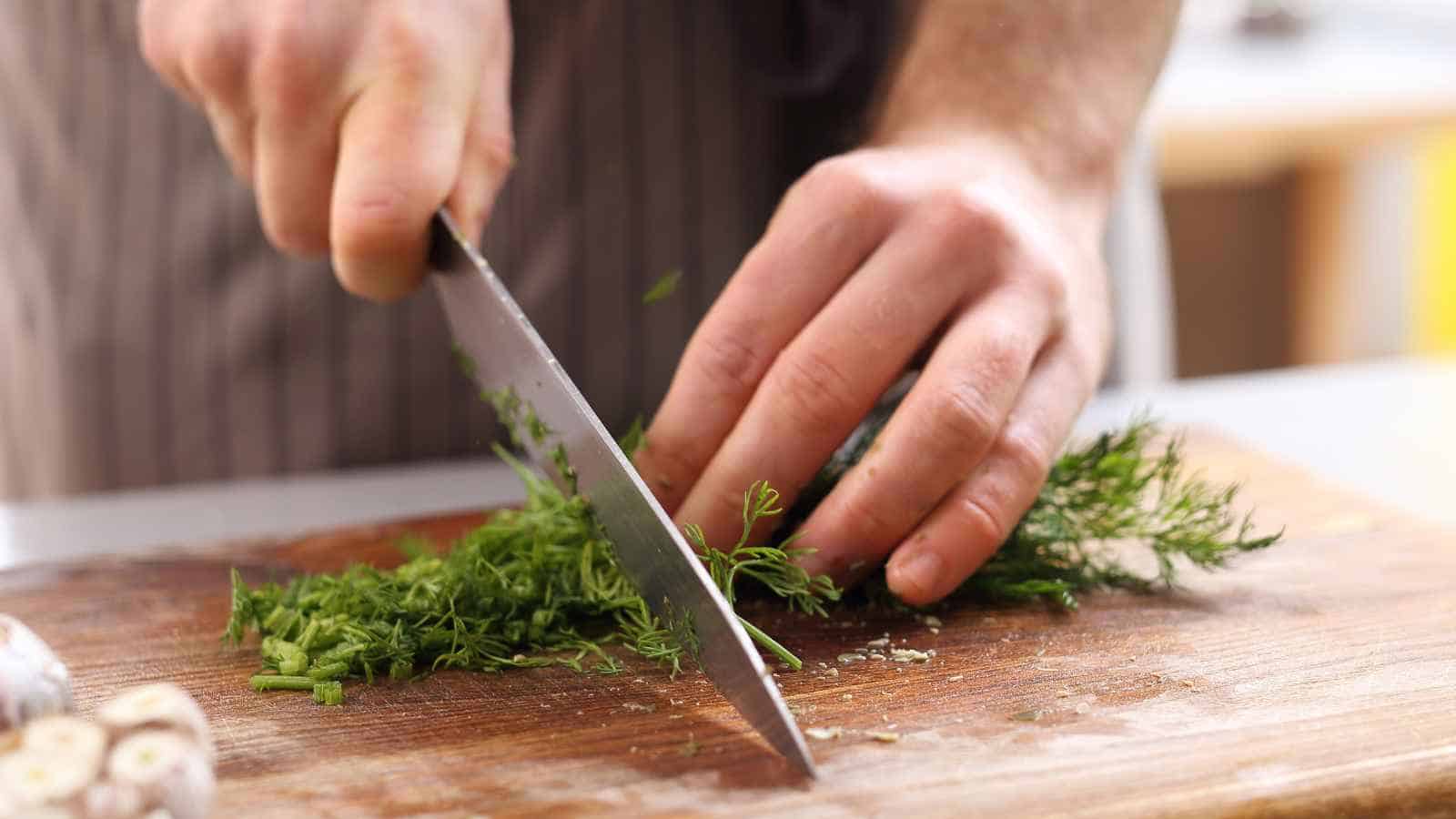
Dried herbs hold concentrated flavor because moisture has been removed, making them perfect for long-cooked dishes. They release their oils slowly, blending into soups, stews, and sauces. In some cases, dried herbs are more economical and consistent in flavor than fresh. You can adjust quantities—usually one-third the amount of fresh—to get the same impact. Your dish can still taste vibrant and aromatic.
Cook Rice Without Lifting The Lid
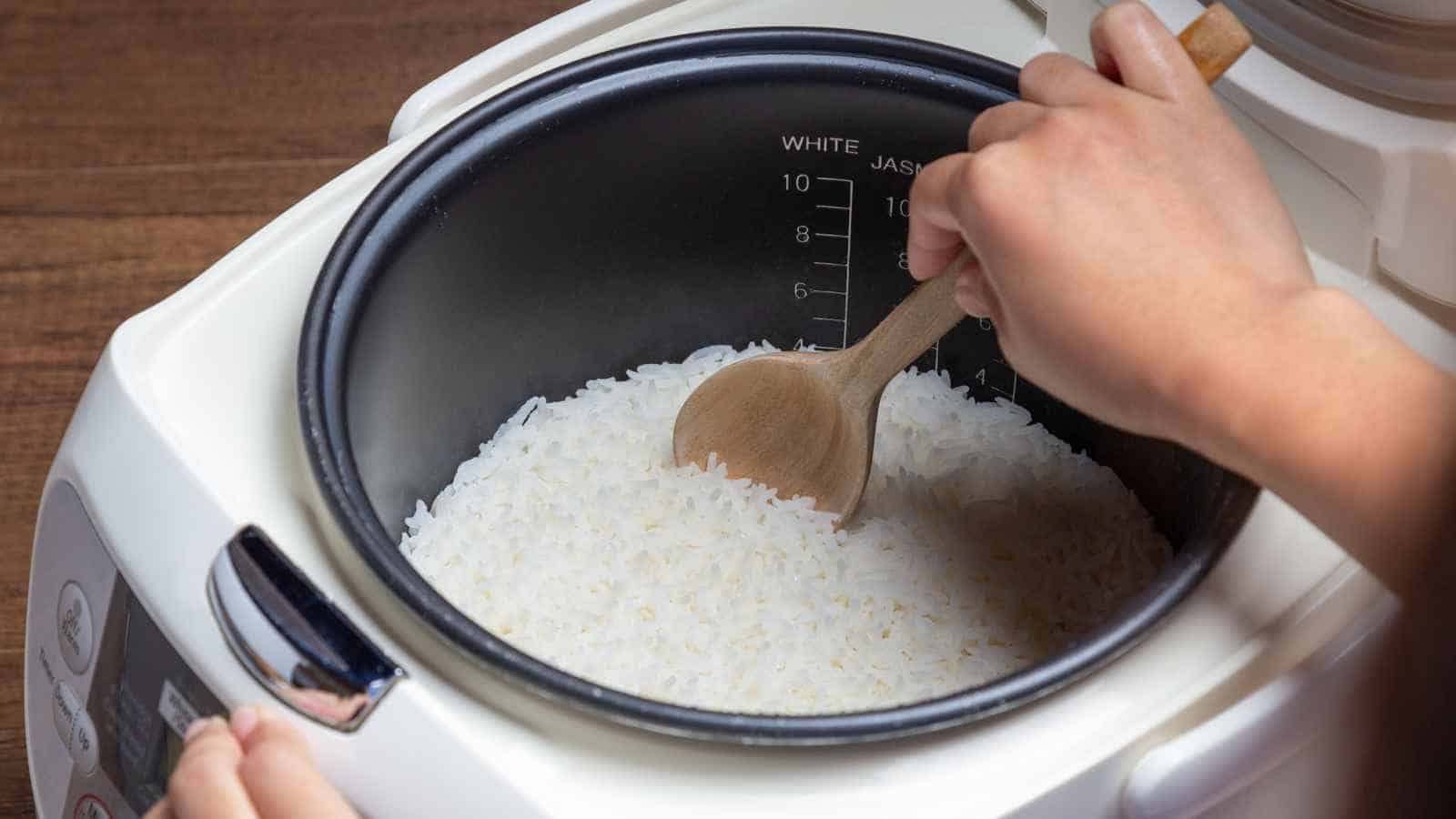
Many home cooks peek at their rice and still achieve fluffy grains. Modern pots and even rice cookers are forgiving of brief steam loss. Lifting the lid may slightly change cook time but not ruin the batch. The key is proper water ratios and moderate heat. You’ll still end up with tender, separate grains.
Don’t Wash Mushrooms
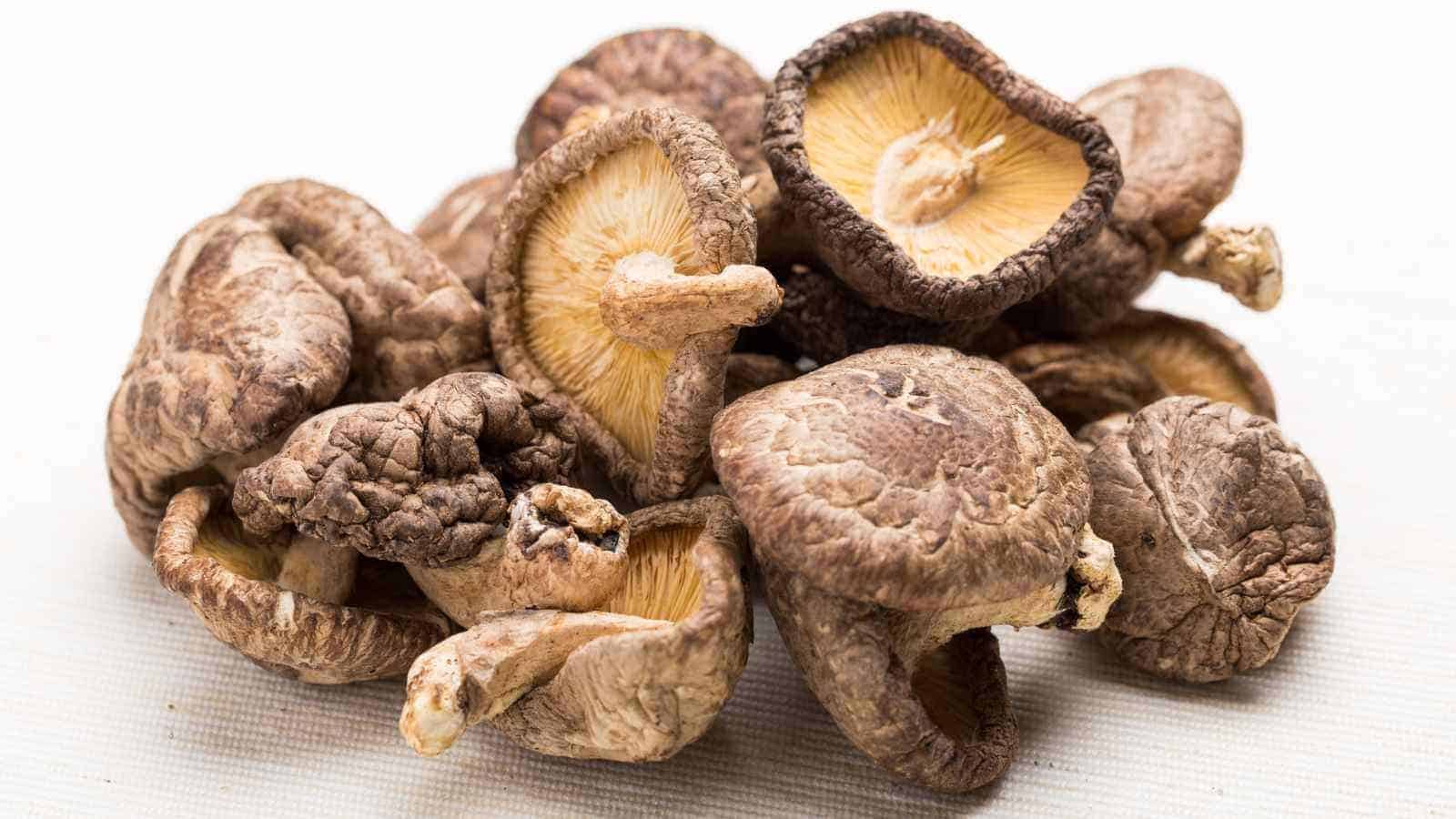
Giving mushrooms a quick rinse doesn’t make them waterlogged when cooked promptly. They’re like little sponges but lose most surface moisture in the pan’s heat. Many chefs now rinse rather than brush because it’s faster and cleaner. High heat evaporates extra water, leaving a nice sear. Your mushrooms will still brown and taste earthy.
Follow Cook Times Exactly

Ovens, stoves, and pans vary widely, making listed cook times only a guideline. Trusting your senses—color, texture, aroma—can be more accurate. Recipes can’t account for altitude, humidity, or pan thickness. Many experienced cooks rely on visual cues or instant-read thermometers instead. You’ll get better results by adjusting on the fly.
Deglaze With Wine Only
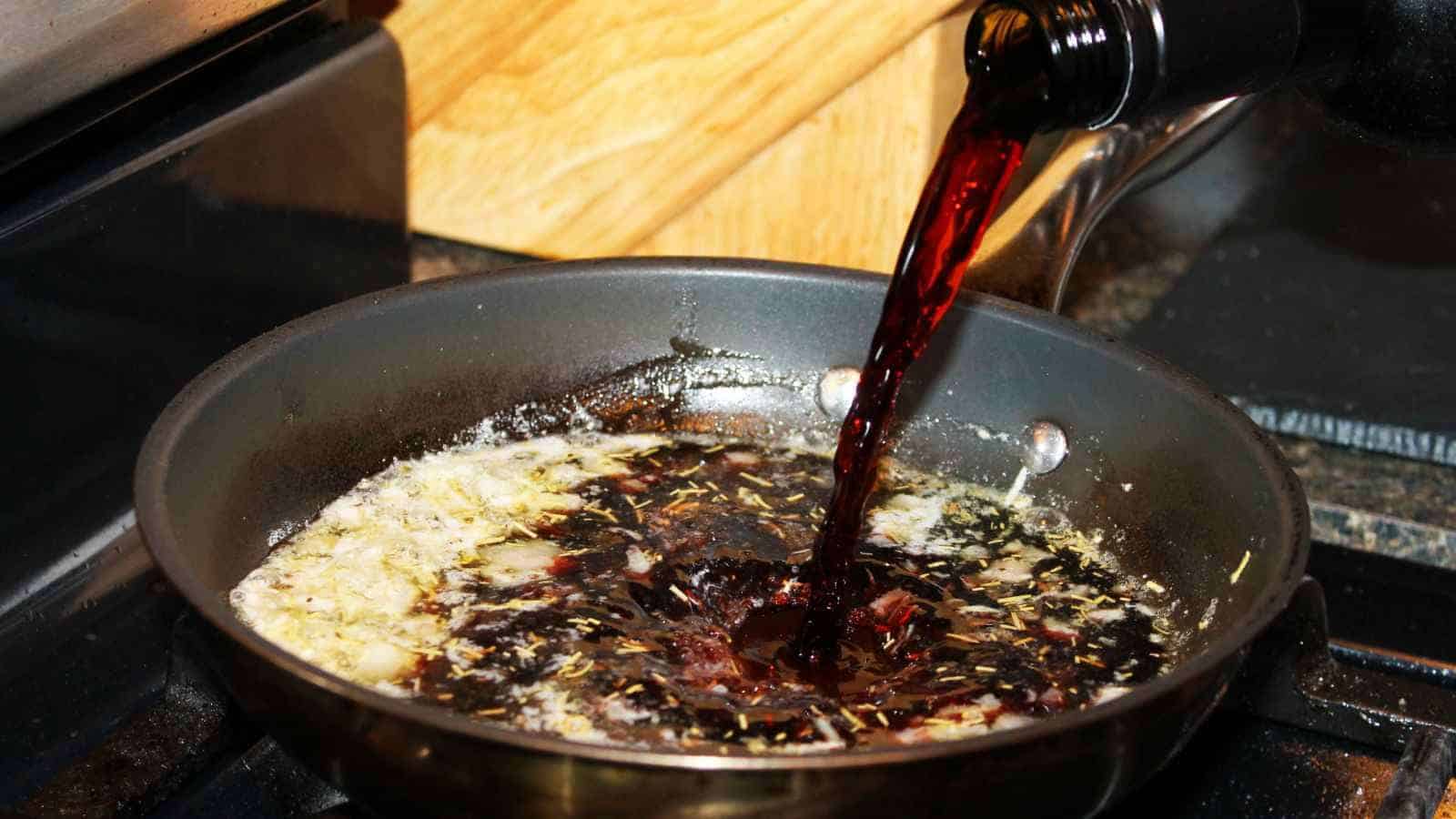
Broth, citrus juice, vinegar, or even water can lift flavorful browned bits from the pan. Each option adds its own character, sometimes more suitable than wine. Broth enriches savory dishes while citrus brightens lighter foods. Water works in a pinch to prevent burning. You still create a rich sauce without alcohol.
Don’t Overcrowd The Pan
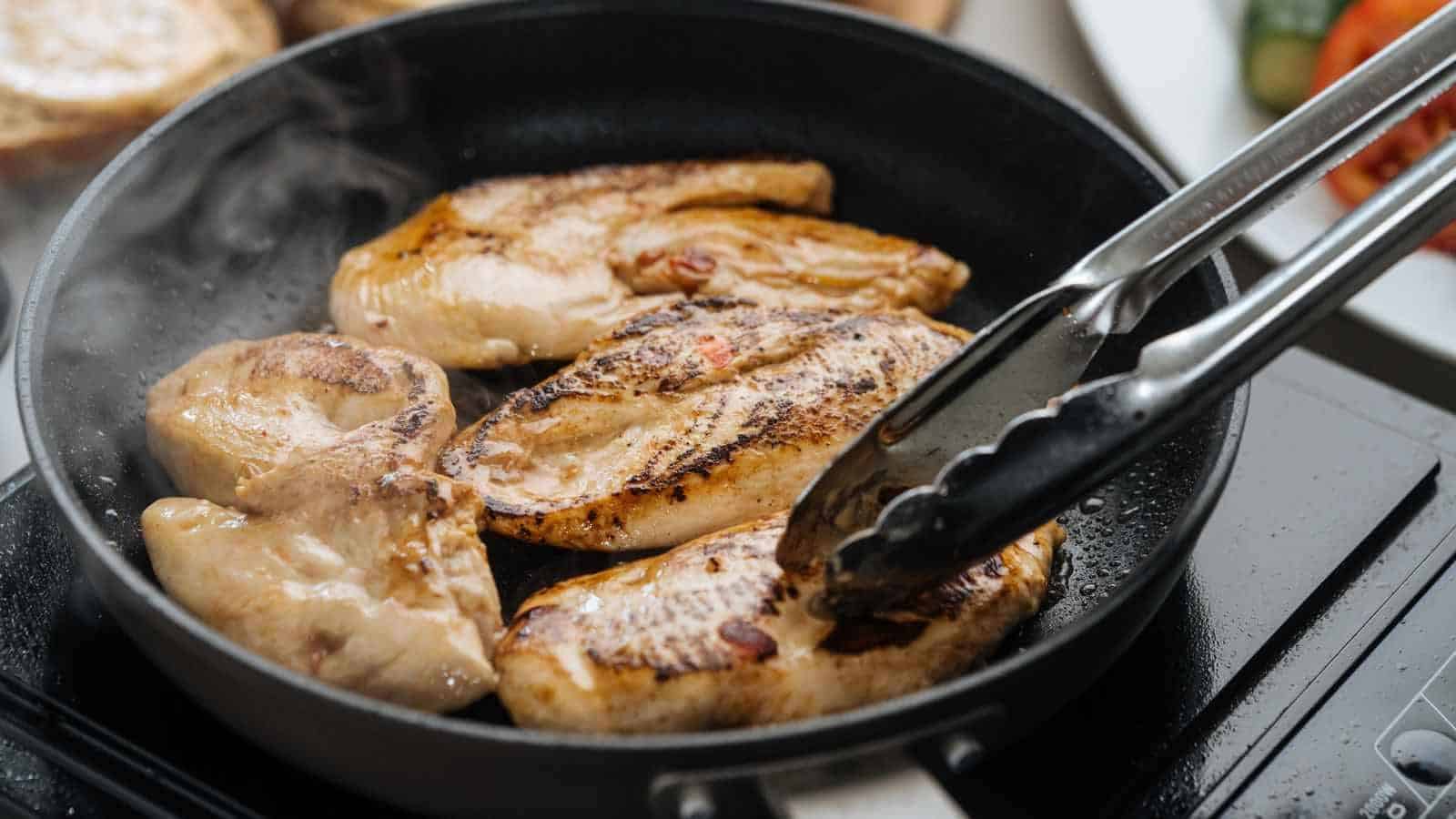
Packing ingredients into one pan can reduce browning but speeds up dinner prep. High heat can counteract the moisture buildup and still give some caramelization. Many busy cooks value time over perfect texture. You can also finish under a broiler or in batches if desired. The meal remains flavorful even without textbook searing.
Always Temper Eggs
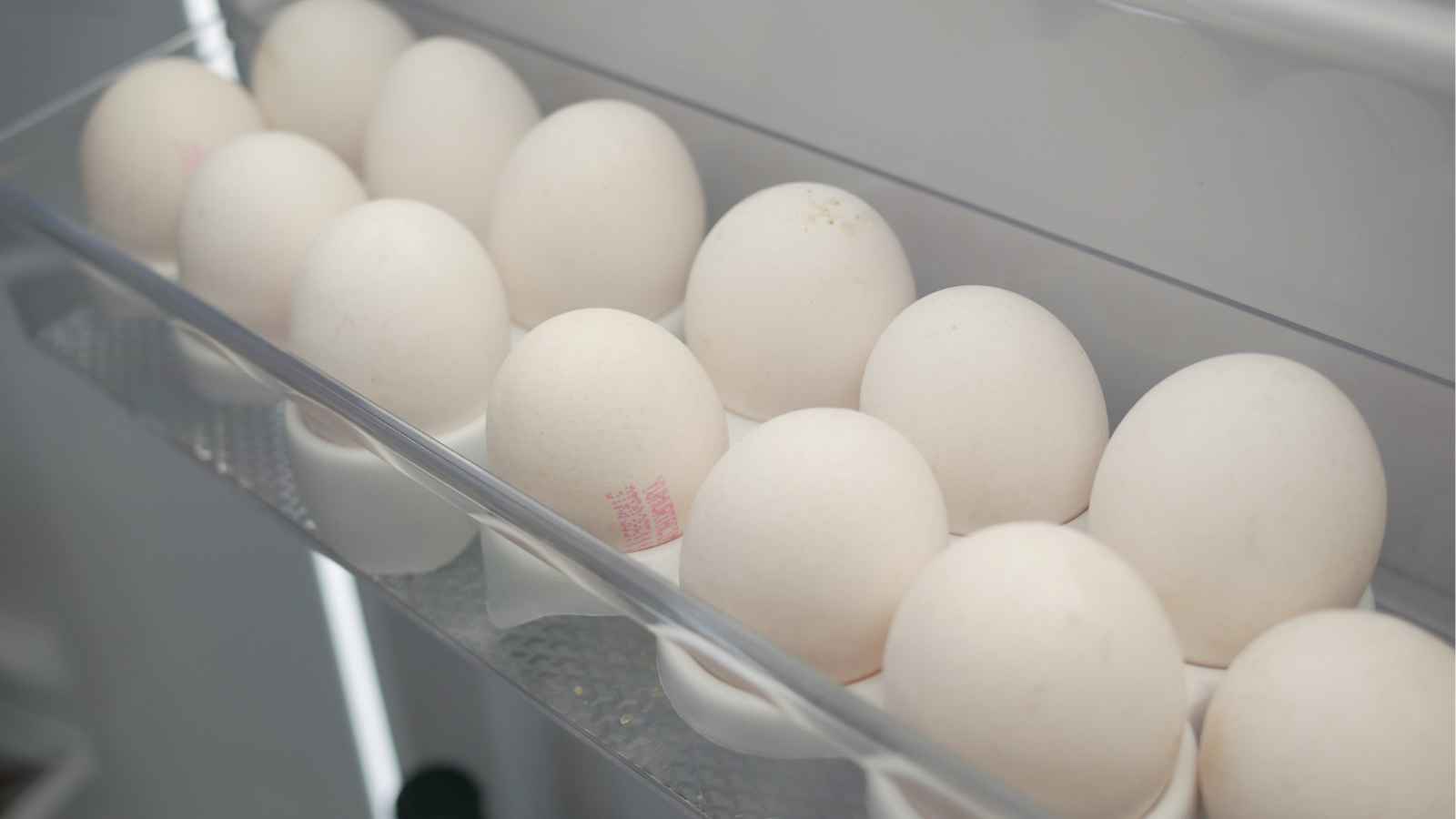
Plenty of home cooks pour cold eggs directly into hot mixtures and stir quickly to avoid curdling. Constant whisking disperses heat fast enough to prevent scrambling in many cases. This shortcut saves time when making sauces or custards. Tempering matters more in delicate recipes but isn’t always essential. Your sauce often comes out smooth anyway.
Rest Meat Before Slicing
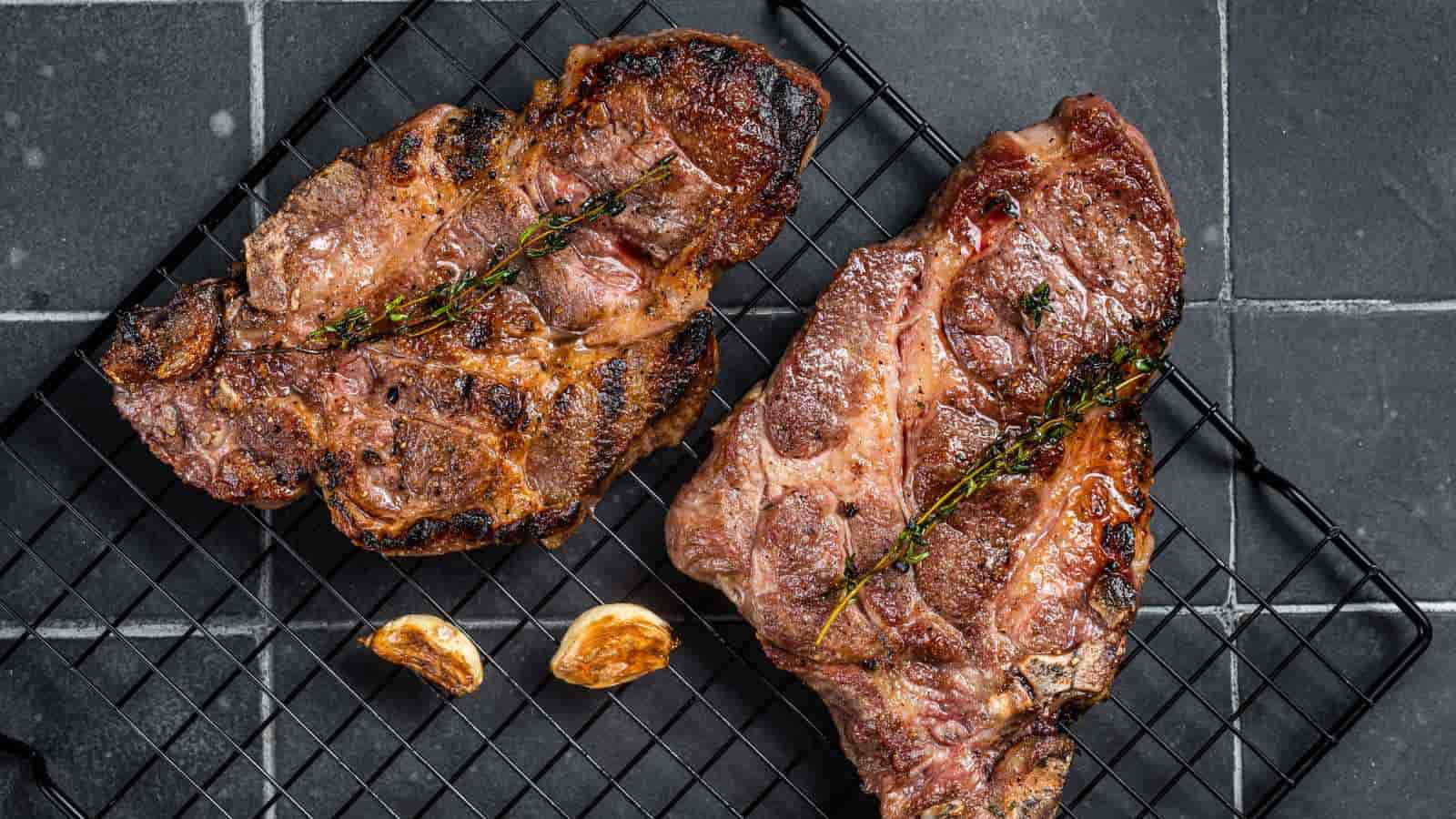
Cutting into meat immediately can release juices, but flavor remains and meat is still enjoyable. Smaller cuts lose minimal moisture compared to large roasts. Many weeknight meals are served straight from pan to plate without noticeable dryness. Some people even prefer the texture of freshly cut meat. You can skip the rest and still have a tasty dinner.
Always Toast Spices
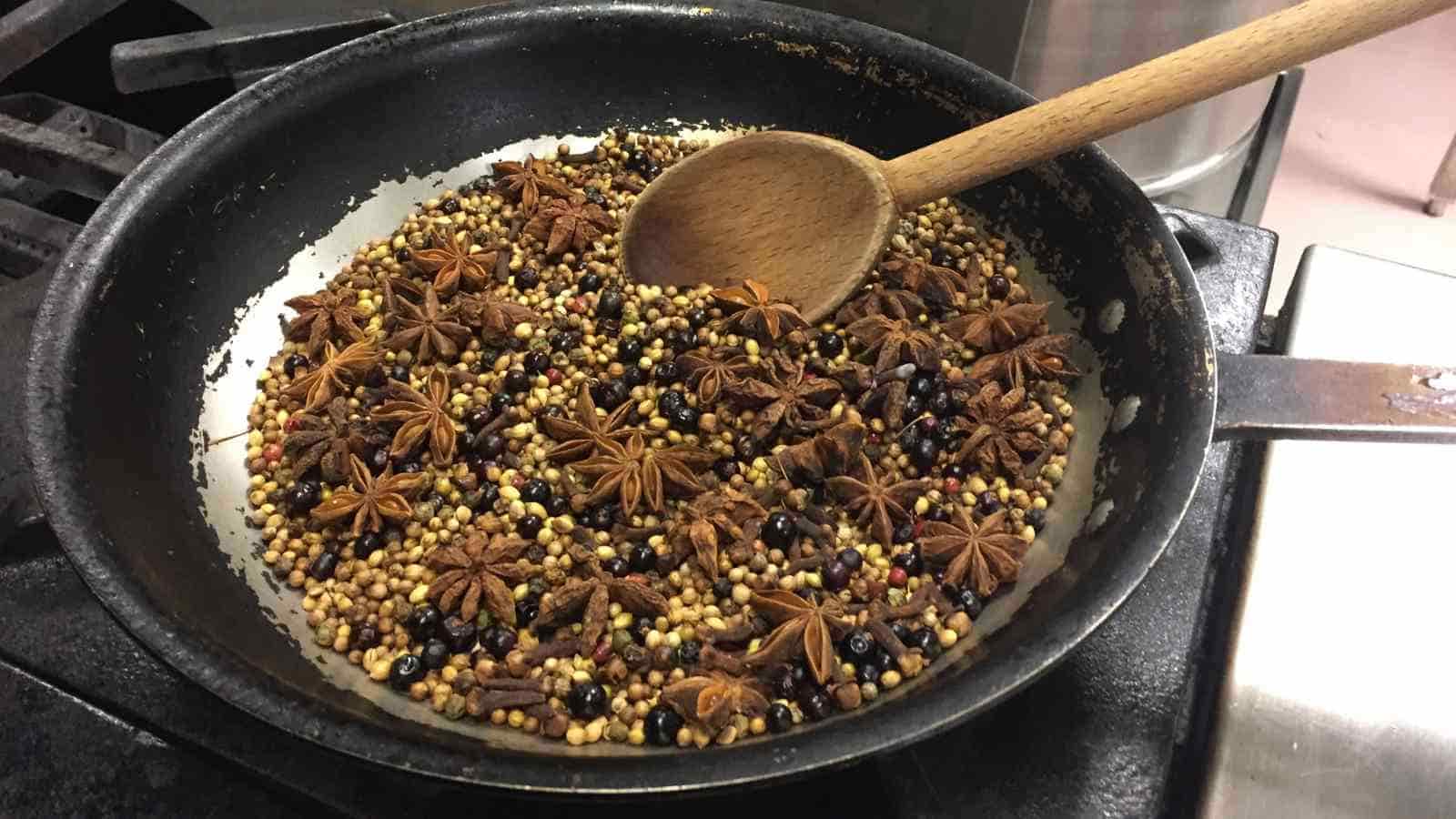
Toasting spices deepens flavor, but un-toasted ones still contribute plenty of aroma and taste. Many blends you buy are already roasted during processing. Skipping toasting can keep delicate spices from becoming bitter. For quick meals, adding them straight to the pot works fine. Your dish remains fragrant and flavorful.
Use Exact Pan Sizes For Baking
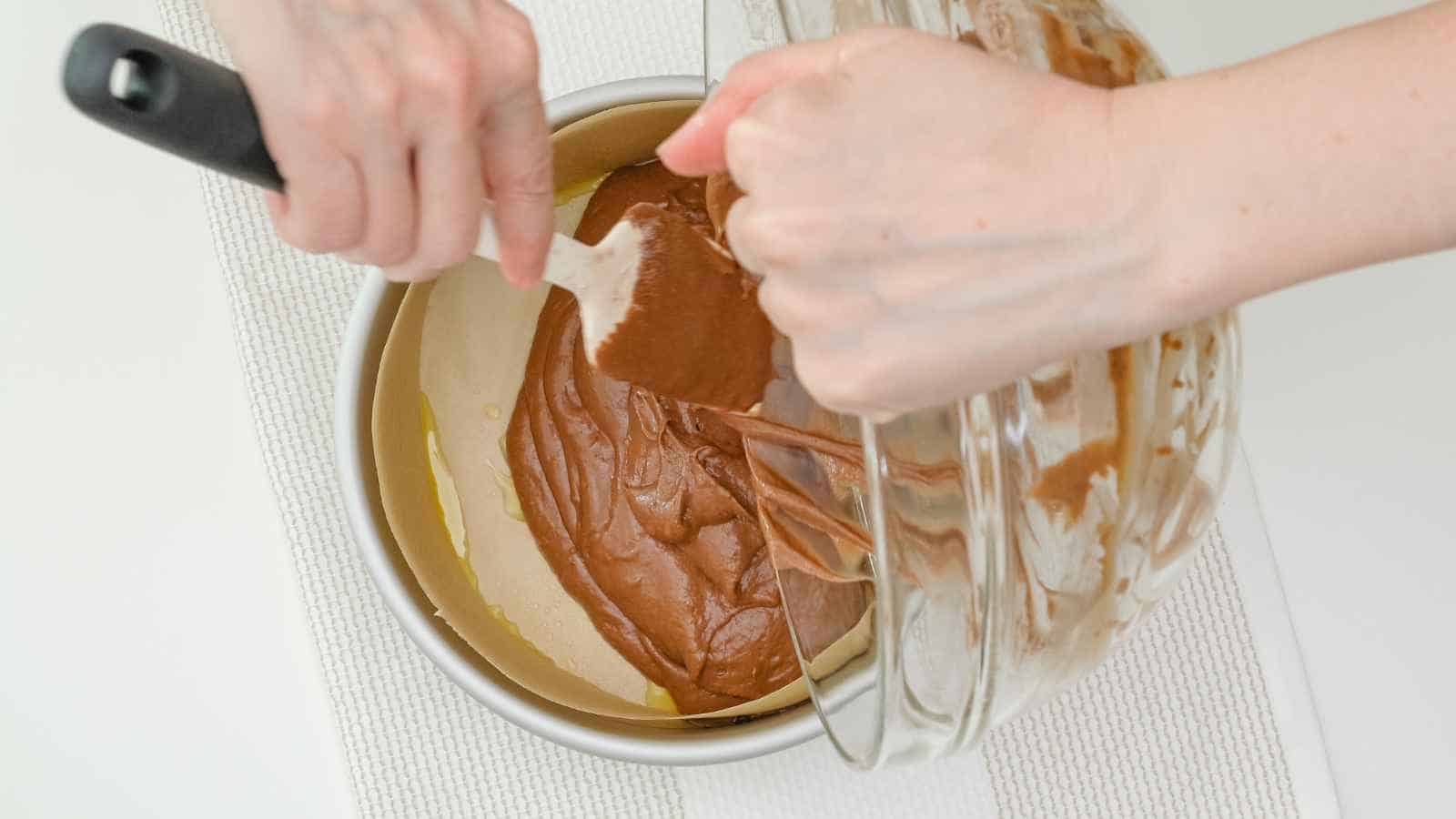
Recipes specify pan sizes for predictable thickness and bake times, but small deviations rarely ruin baked goods. A slightly larger pan produces thinner bars or brownies but they still set up. You just check doneness earlier or later depending on size. Many home bakers swap pans successfully by adjusting time. Your dessert still comes out delicious.
Don’t Use Shortcuts Like Jarred Garlic
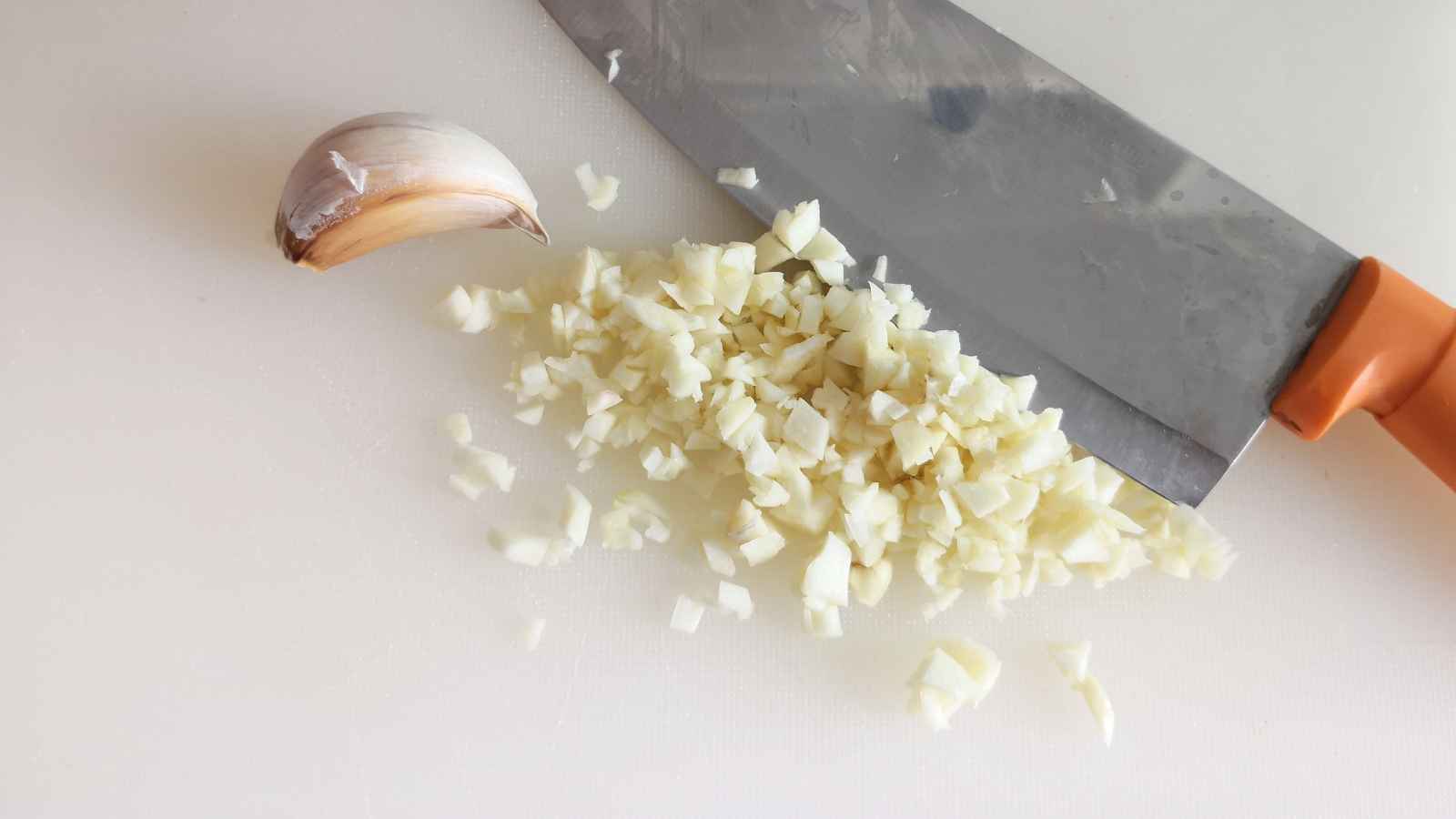
Pre-minced garlic or jarred options lose some pungency but remain a reliable flavor booster. Busy cooks appreciate the convenience and still make tasty meals. Some jarred varieties even include oil that blends easily into sauces. While fresh garlic gives a sharper kick, many people can’t tell the difference once it’s cooked. You save prep time and still achieve garlicky dishes.
Always Preheat Your Pan Before Cooking
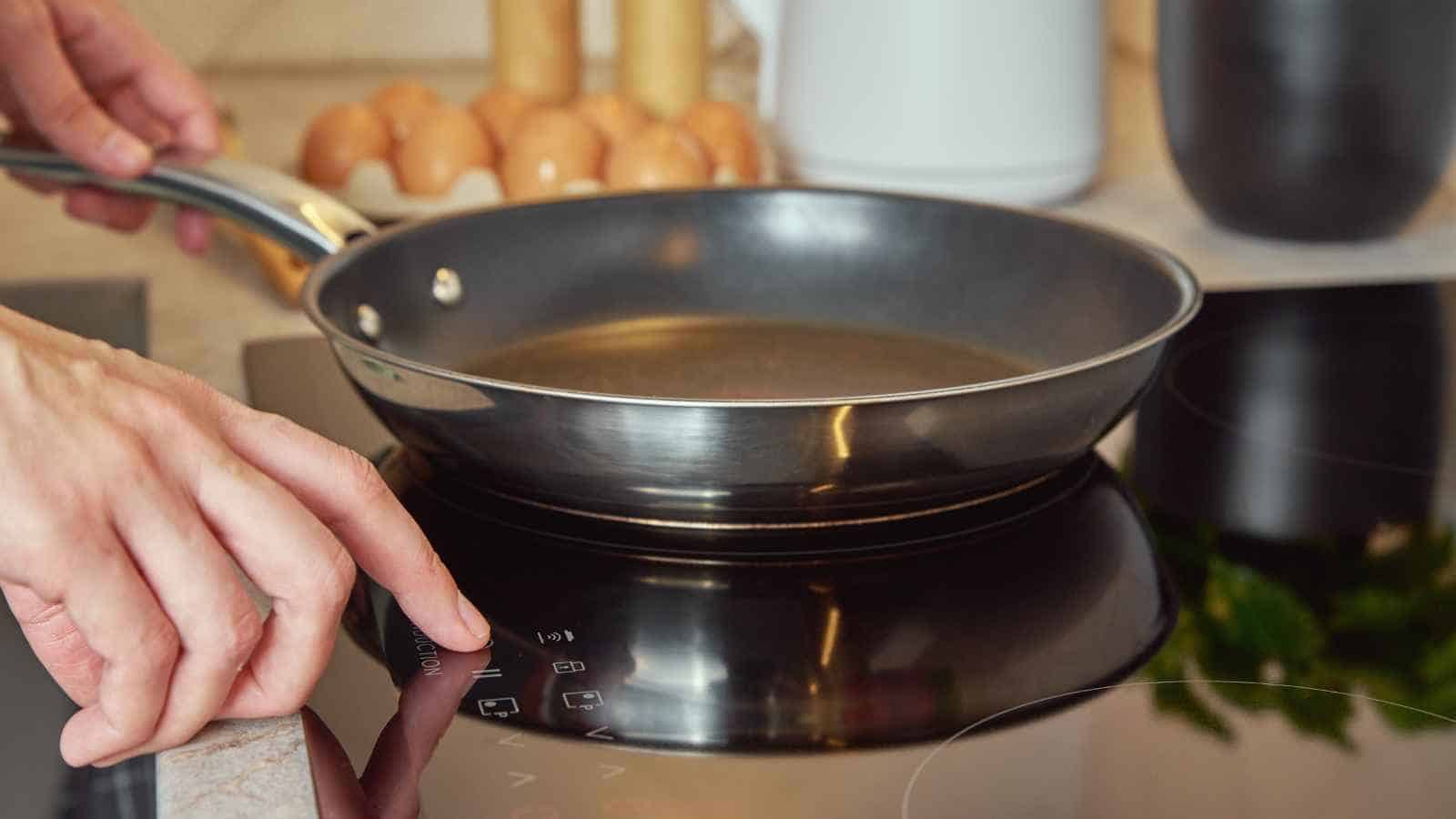
Starting food in a cool pan can actually help control browning or prevent sticking in certain cases. For example, bacon rendered slowly from a cold pan crisps evenly while releasing more fat. Delicate foods like fish sometimes cook more gently when heat rises gradually. Skipping preheating can also reduce splatter with oily foods. You gain flexibility and still get good texture and flavor.
17 Cooking Mistakes That Strip Your Food of Nutrients

Here are 17 common cooking mistakes that drain your food of nutrients and how you can avoid them. By knowing what slips away during cooking, you can change your approach and maximize what you get from every bite.
25 Quick Food Tips That Make a Big Difference for Your Health
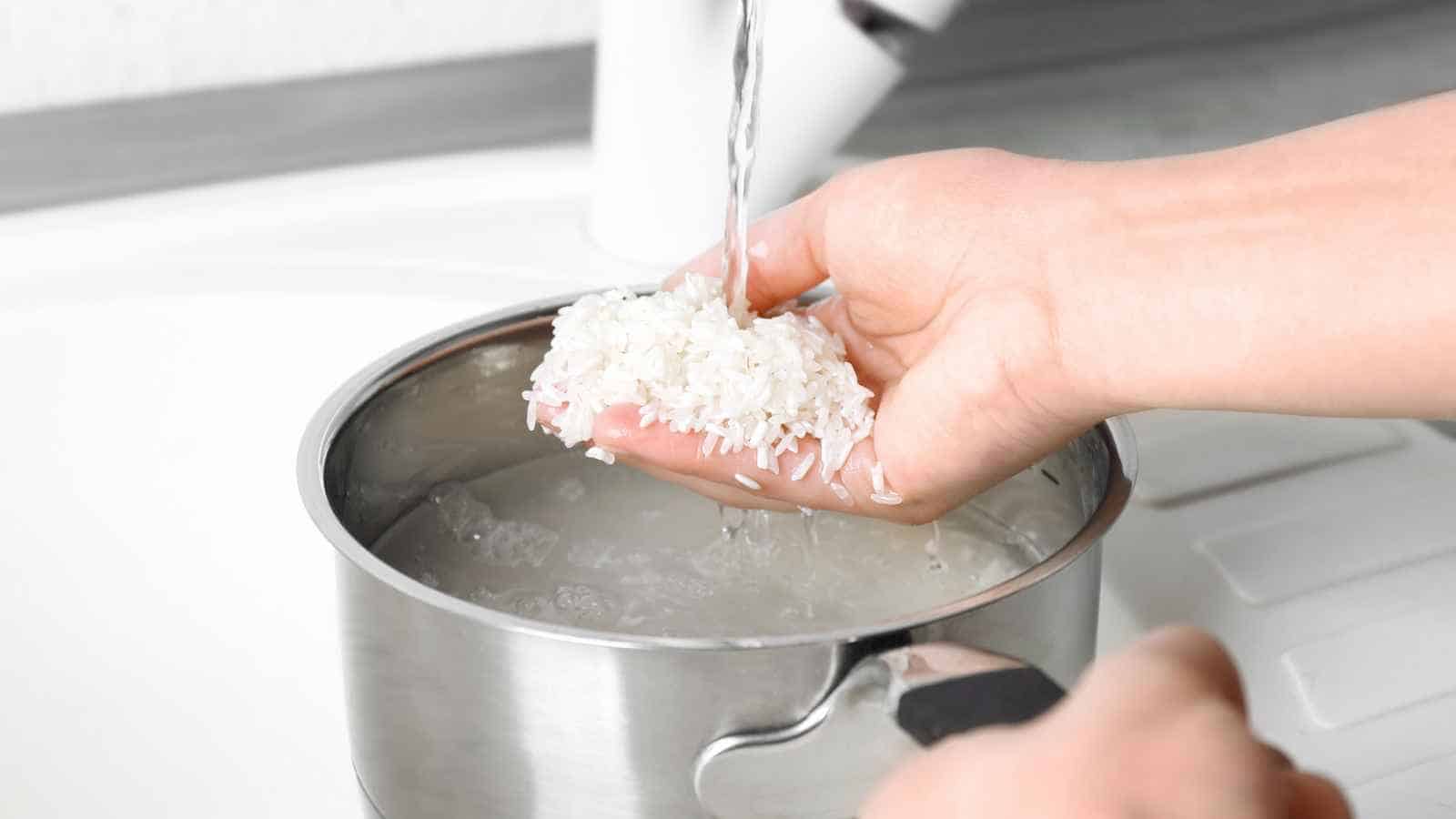
These tips aren’t just clever—they’re rooted in how food chemistry works with your digestion and metabolism. The fun part? Many of them are ridiculously easy, and once you know them, you’ll never look at your pantry or fridge the same way again. Once you learn these simple yet fascinating tricks, you’ll realize your kitchen already holds a science lab for better health.

Tamara Tsaturyan is the owner and writer of Thriving In Parenting, a website focused on providing simple tips for busy parents — easy and healthy recipes, home decor and organization ideas and all things P A R E N T I N G.

Share Your Thoughts!
I love to know your thoughts, make sure to comment below to start a discussion! You can also follow me on your favorite social network below.