Food has more tricks up its sleeve than most people realize, and small changes in how you prepare, store, or combine ingredients can dramatically affect your health. You don’t always need supplements or expensive superfoods when your kitchen staples already hide powerful benefits. Cooking methods, storage choices, and food pairings all influence how much benefit you actually get, sometimes doubling or tripling the value of the same ingredient. These tips aren’t just clever—they’re rooted in how food chemistry works with your digestion and metabolism. The fun part? Many of them are ridiculously easy, and once you know them, you’ll never look at your pantry or fridge the same way again. Once you learn these simple yet fascinating tricks, you’ll realize your kitchen already holds a science lab for better health.
Let Onions Breathe After Cutting

Allowing onions to sit for 5–10 minutes after chopping lets sulfur compounds form more fully. These compounds are linked to protective effects against certain cancers. Cooking too quickly after slicing reduces their potency, which means you lose part of their benefit. By waiting just a few minutes, you give your body more of what onions naturally offer. That short pause in the kitchen makes a surprising difference in the health power of your meal.
Blend Mushrooms With Sunlight

Exposing mushrooms to sunlight for about an hour helps them create vitamin D2. Like human skin, they convert sunlight into usable vitamin D, which supports bone strength and immunity. This trick is especially helpful if you don’t get much sun exposure. Simply place them on a windowsill or outdoor table before cooking. You’ll be getting an extra dose of nutrients without changing your recipe at all.
Turmeric Needs Black Pepper

Curcumin, the active compound in turmeric, is difficult for your body to absorb on its own. Black pepper contains piperine, which increases absorption by up to 20 times. Without pepper, most curcumin passes through your digestive system unused. Adding just a pinch of pepper when cooking with turmeric ensures your body benefits more. That tiny seasoning choice transforms turmeric into a stronger anti-inflammatory tool.
Crush Garlic, Then Wait

When garlic is crushed, an enzyme reaction creates allicin, a compound with antibacterial and antiviral properties. Giving it at least 10 minutes before cooking strengthens this effect. Cooking immediately after crushing destroys much of the allicin potential. Letting it rest ensures you keep garlic’s natural disease-fighting power intact. A little patience turns garlic into more than just flavor—it becomes real protection for your body.
Eat Brazil Nuts in Moderation

Brazil nuts are one of the richest natural sources of selenium, a mineral vital for thyroid function and antioxidant defenses. Just one or two nuts a day provide more than enough selenium. Eating too many, however, can lead to toxicity, which affects hair, nails, and nervous system health. Portion control is key here, because more isn’t always better. A couple of Brazil nuts daily is a safe and powerful nutrition hack.
Tomatoes Love Heat

Cooking tomatoes breaks down cell walls, releasing more lycopene, an antioxidant linked to heart and skin health. Lycopene becomes more bioavailable when heated compared to raw tomatoes. This is why sauces, soups, and roasted tomatoes pack such a nutritional punch. Pairing them with a bit of healthy fat, like olive oil, enhances absorption even further. Heat turns tomatoes into a more potent ally for your body.
Pair Iron With Vitamin C

Iron from plant sources (like beans or spinach) is harder for your body to absorb than iron from meat. Vitamin C helps convert it into a form your body can use more effectively. Combining foods like citrus with beans or bell peppers with leafy greens increases your iron intake. Without vitamin C, much of the plant-based iron goes to waste. Your body thrives when you balance these two nutrients together.
Eat Carrots With Fat

Beta-carotene, the compound that gives carrots their orange color, needs fat to be absorbed. Eating carrots plain reduces how much your body can actually use. Adding a drizzle of olive oil or pairing them with avocado or yogurt changes that instantly. Fat unlocks the vitamin A potential in carrots, improving vision and immune support. Every crunchy bite becomes more nourishing when you add a little healthy fat.
Drink Matcha, Not Green Tea

Matcha is made from powdered whole tea leaves, so you consume far more nutrients compared to steeped green tea. It delivers up to ten times more antioxidants, particularly catechins that support heart health and metabolism. Matcha also contains L-theanine, which provides calm focus without the jitters of coffee. Your energy feels steadier, and your body gets a concentrated boost. Switching to matcha makes your cup more than just a warm drink—it’s a health upgrade.
Don’t Eat Oatmeal Plain

Plain oatmeal breaks down quickly in your body, often leading to a blood sugar spike and crash. Adding protein and fat, like chia seeds or nut butter, balances digestion and keeps you full longer. These extras slow down how fast your body absorbs the carbs. You’ll stay energized without mid-morning fatigue. A bowl with the right add-ins becomes a stable, hearty breakfast instead of an energy rollercoaster.
Use Lemon Juice on Greens

Plant-based iron from greens like spinach isn’t as easily absorbed as iron from meat. Vitamin C from lemon juice changes that by improving absorption. Squeezing lemon on your salad or kale boosts the nutritional payoff. It’s a simple way to get more from every bite without extra effort. Your body benefits from iron and vitamin C working together naturally.
Chill Potatoes Before Reheating

Cooking potatoes and then cooling them in the fridge transforms some of their starch into resistant starch. Resistant starch acts like fiber, feeding good gut bacteria and helping stabilize blood sugar. Reheating them later doesn’t undo the benefit. Potato salad, chilled roasted potatoes, or reheated baked potatoes are all smart options. You end up with a healthier starch that supports digestion and balance.
Soak Oats Overnight

Soaking oats in water or milk makes them easier for your body to digest. The process reduces phytic acid, a compound that blocks mineral absorption. You end up getting more zinc, magnesium, and iron from your breakfast. The texture also becomes creamier and quicker to prepare in the morning. Overnight oats offer both convenience and nutrition in one bowl.
Store Apples Away From Other Fruit

Apples release ethylene gas, which speeds up ripening in nearby produce. This can cause other fruits to spoil faster than expected. Keeping apples separate extends the shelf life of everything else in your fruit bowl. Storing them in a different drawer or bag solves the problem easily. That simple storage change reduces waste and saves you money on groceries.
Keep Berries Unwashed Until Ready to Eat

Moisture creates the perfect environment for mold to grow on berries. Washing them too early shortens their shelf life. Instead, store them dry and wash only before eating. This way, they stay fresher for several more days. A little patience keeps your berries sweet, safe, and ready when you want them.
Eat Citrus Zest

Citrus peels are rich in antioxidants and anti-inflammatory compounds that don’t appear in the juice alone. Grating zest into dishes gives you these extra health benefits. Flavonoids in the peel support heart and immune function. It’s a nutrient-rich boost hiding in something most people throw away. Your meals get brighter flavor and hidden nutrition in one step.
Refrigerate Ground Flaxseeds

Flaxseed oils are delicate and go rancid quickly at room temperature. Refrigerating ground flaxseeds preserves their healthy omega-3 fatty acids. These fats support brain health, reduce inflammation, and improve heart function. Grinding the seeds makes nutrients more available, but proper storage is essential. Keep them cold to make sure every spoonful stays powerful.
Don’t Eat Fruit Alone

Fruit contains natural sugar that digests quickly, often causing blood sugar spikes. Pairing fruit with protein or fat slows absorption, giving you steady energy. For example, apples with peanut butter or berries with yogurt balance your snack. The combination also keeps you full longer. Smart pairing turns fruit from a sugar rush into a balanced fuel source.
Don’t Peel Your Apples

Apple skins hold most of the fiber and antioxidants that benefit your gut and cells. Removing the peel cuts those nutrients in half. The skin also slows digestion, preventing sharp blood sugar spikes. A whole apple gives more vitamins, minerals, and fiber than a peeled one. Crunching through the skin is the simplest way to get the most from your fruit.
Don’t Throw Away Broccoli Stems

Broccoli stems contain fiber, vitamin C, and antioxidants that rival the florets. Many people toss them out, missing out on valuable nutrition. Peeling away the tough outer layer reveals a tender core perfect for stir-fries or soups. It’s a free extra serving of vegetables from something usually wasted. Eating the stems makes your meal more complete and resourceful.
Don’t Boil Leafy Greens Too Long
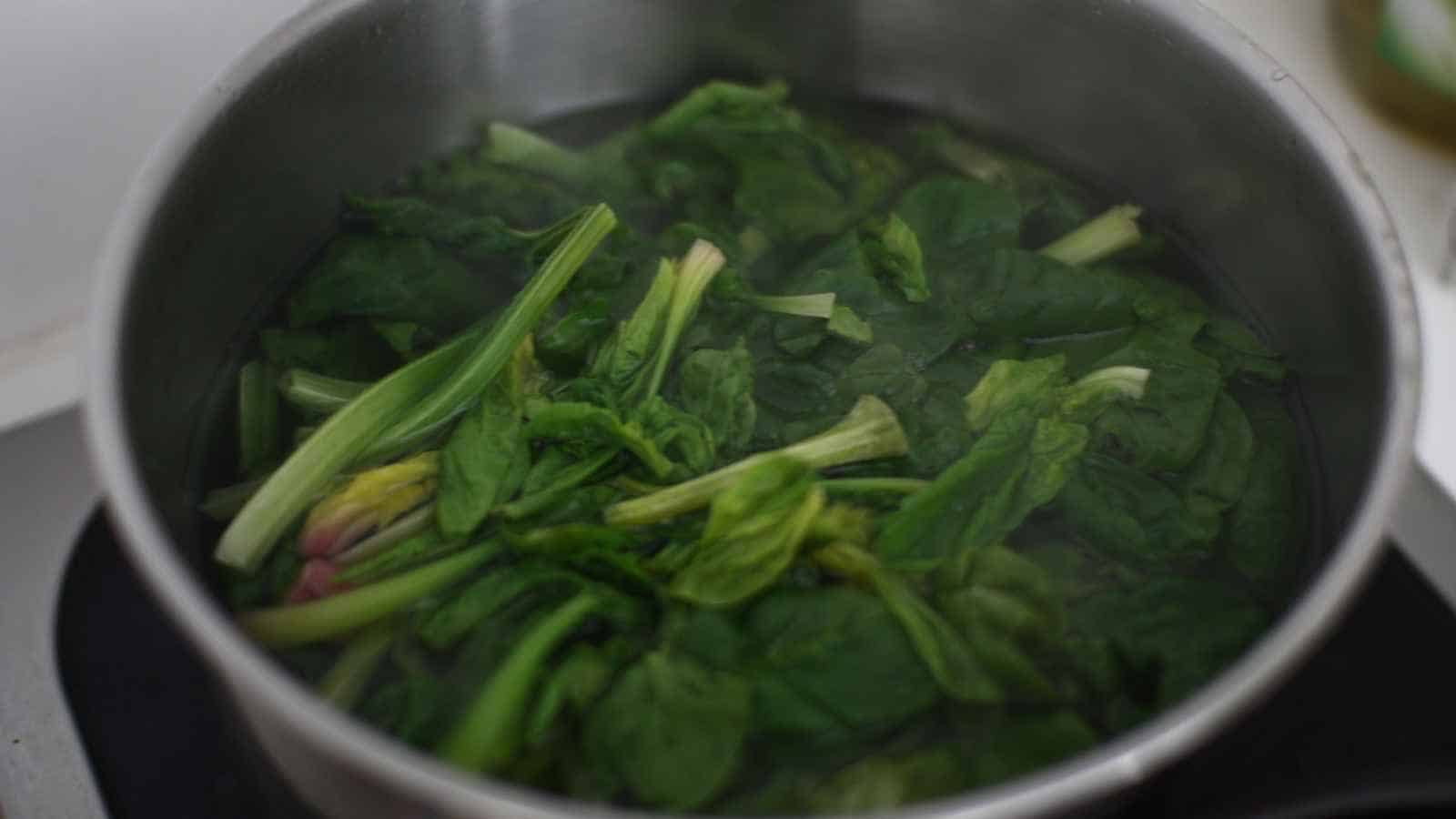
Vitamin C and folate in leafy greens are sensitive to heat and water. Long boiling causes these nutrients to leach out and disappear. Steaming or lightly sautéing greens keeps more of their nutrition intact. The flavor also stays fresher and less bitter. Quick cooking methods protect your greens’ best qualities for both health and taste.
Don’t Keep Nuts in the Pantry

Nuts contain oils that go rancid when exposed to heat and light over time. Storing them in the freezer keeps the oils stable and fresh. Frozen nuts maintain their crunch and nutrients for months longer. You can still eat them straight from the freezer without thawing. It’s a smart move to keep your healthy snacks at their best.
Soak Beans Before Cooking

Dried beans contain compounds like phytic acid and oligosaccharides that can cause bloating and block mineral absorption. Soaking them overnight reduces these compounds significantly. Your body digests them more comfortably while also gaining more usable minerals. Cooking time also shortens, saving you effort in the kitchen. Proper soaking makes beans both healthier and easier to enjoy.
Keep Olive Oil Away From Heat

Olive oil contains antioxidants and monounsaturated fats that degrade when exposed to light and heat. Storing it near the stove or in clear bottles shortens its shelf life. Keeping it in a cool, dark place preserves its quality. Fresh olive oil means stronger health benefits for your heart and cells. Smart storage ensures every drizzle retains its protective power.
Rinse Rice to Reduce Starch

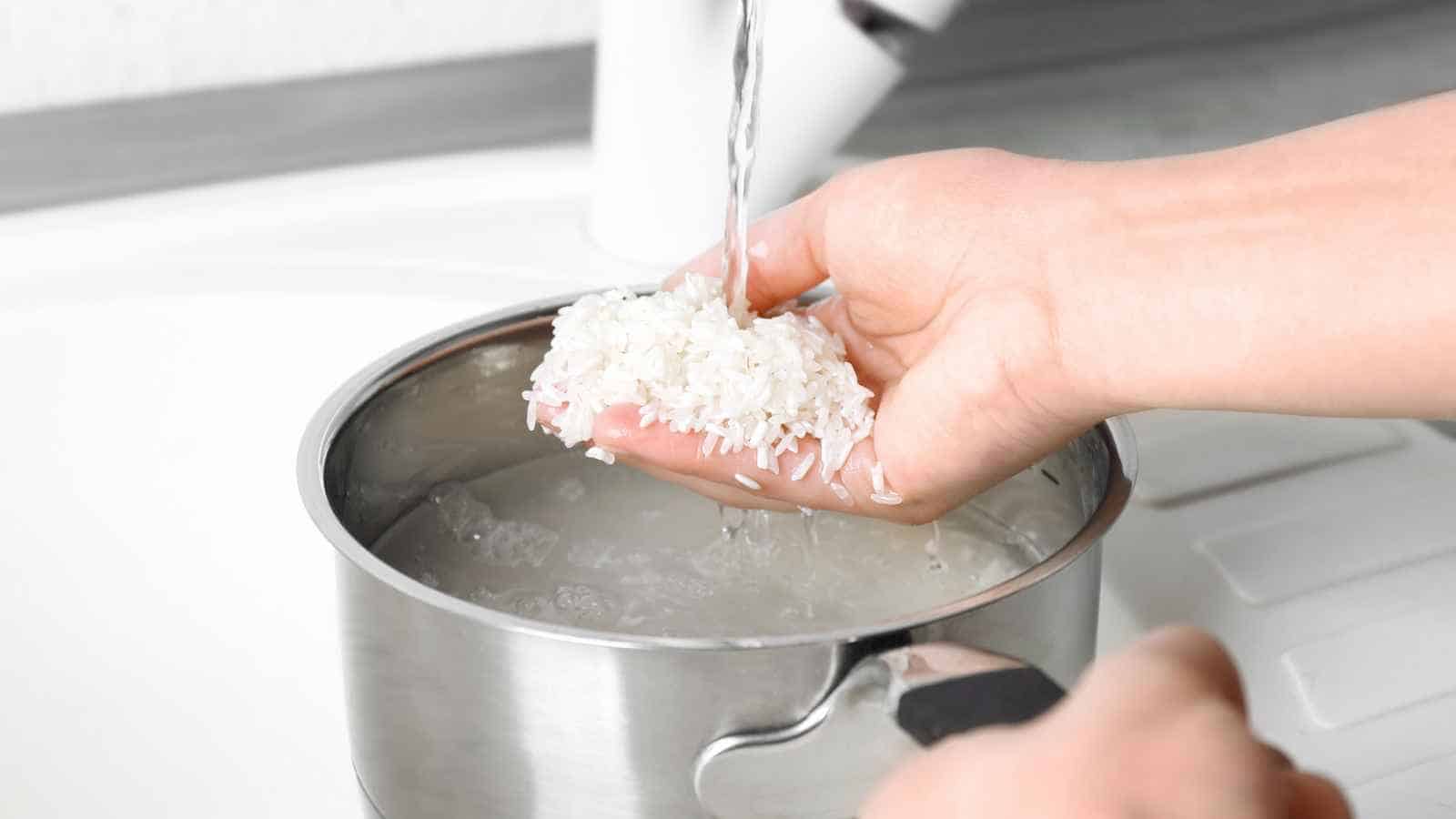
Washing rice before cooking removes surface starch that can make it gummy. Rinsing also lowers arsenic levels, which naturally occur in rice grains. This step improves texture and makes digestion easier for some people. Fluffier rice with fewer unwanted compounds is the result. A quick rinse under cold water pays off in both taste and health.
15 Ways to Turn an Ordinary Meal Into a Multi-Sensory Experience

Meals that engage multiple senses create connection, encourage mindfulness, and turn ordinary routines into memorable moments. Humans naturally respond to sensory cues, which means small details can dramatically change the way food feels and tastes. The following 15 strategies reveal how to elevate meals into truly multi-sensory experiences. Paying attention to these sensory details encourages mindfulness and can change the way you feel during and after a meal.
25 Eating Habits that Can Boost Your Health Naturally

Instead of relying on extreme diets or unproven hacks, building small, intentional habits into your meals can create consistent health benefits over time. Nutrition doesn’t have to be complicated to be effective—it just needs to be practical and sustainable. Here are 25 smart eating habits that can naturally boost your health. Build them into your routine one at a time — your body will notice the difference.

Tamara Tsaturyan is the owner and writer of Thriving In Parenting, a website focused on providing simple tips for busy parents — easy and healthy recipes, home decor and organization ideas and all things P A R E N T I N G.

Share Your Thoughts!
I love to know your thoughts, make sure to comment below to start a discussion! You can also follow me on your favorite social network below.