Most of us don’t realize how much the foods we eat can impact our eyesight until problems like dryness, strain, or even blurry vision start creeping in. Eye health isn’t just about 20/20 vision; it’s about preserving the delicate structures that let us experience the world clearly. It turns out, the right nutrients do a lot more than just keep our eyes from getting tired. They actively protect against conditions like cataracts, macular degeneration, and even age-related vision loss, which means your choice of food today could help preserve your sight decades from now.
Instead of waiting for those problems to arise, think of nutrition as an ongoing shield for your eyes. Just like the arteries that nourish your heart, the tiny blood vessels in your eyes depend on a steady supply of the right nutrients to keep them healthy. And while eye drops or glasses are great for quick fixes, real long-term protection comes from within. Instead of relying on supplements, getting these nutrients from whole foods ensures your body absorbs them properly. Here are 20 of the best foods to naturally boost eye health and keep your vision sharp for years to come.

Carrots

Packed with beta-carotene, carrots help the body produce vitamin A, a crucial nutrient for night vision and preventing dryness. Without enough vitamin A, eyes struggle to adjust to darkness and may even develop night blindness. Carotenoids in carrots also protect against macular degeneration by reducing oxidative stress. The crunchy texture makes them an easy snack, dessert, or they can be added to soups, salads, and stir-fries. Eating them with a little fat, like olive oil or nuts, helps the body absorb the nutrients better.
Sweet Potatoes

Even more loaded with beta-carotene than carrots, sweet potatoes are an excellent way to support overall eye function. Vitamin A from beta-carotene keeps the cornea clear and protects against dry eye syndrome. Their natural antioxidants help fight free radical damage, reducing the risk of age-related vision problems. Eating them regularly can also boost low-light vision and enhance contrast sensitivity. Baked, mashed, or roasted, they make a delicious addition to any meal while keeping eyes strong.
Cantaloupe

Bursting with vitamin C, cantaloupe helps protect eye cells from damage caused by harmful UV rays and pollution. This powerful antioxidant slows down the development of cataracts and age-related macular degeneration. The high water content also supports hydration, keeping your eyes moist and comfortable. Lutein and zeaxanthin, two carotenoids found in cantaloupe, further shield eyes from blue light exposure. Enjoy it fresh in fruit salads, smoothies, or on its own for a refreshing, eye-friendly treat.
Apricots

Rich in both beta-carotene and vitamin C, apricots are an excellent fruit for maintaining long-term eye health. Beta-carotene is converted into vitamin A, which helps prevent night blindness and supports tear production. The antioxidants in apricots also lower the risk of retinal damage from oxidative stress. Adding dried or fresh apricots to your diet provides a natural way to nourish your vision. Whether eaten raw, mixed into yogurt, or blended into a smoothie, they offer a tasty way to protect eyesight.
Peaches

Lutein and zeaxanthin, two powerful antioxidants in peaches, help filter out harmful blue light and reduce eye strain from screens. Vitamin C strengthens the blood vessels in the eyes, preventing damage that can lead to vision issues. Peaches also provide beta-carotene, supporting clear vision and protecting against macular degeneration. Eating them regularly can reduce inflammation, which plays a role in many eye-related conditions. Juicy and naturally sweet, peaches can be enjoyed fresh, grilled, or blended into smoothies.
Oranges

Loaded with vitamin C, oranges help strengthen eye blood vessels, reducing the risk of cataracts. This essential antioxidant fights off free radicals, protecting the retina from age-related damage. The hydration from oranges also keeps eyes from feeling dry and irritated. Eating citrus fruits regularly can support collagen production, which is essential for maintaining healthy eye tissue. A glass of fresh orange juice or a few slices in a salad can go a long way in keeping vision sharp.
Tomatoes

Lycopene, a powerful antioxidant found in tomatoes, helps shield the eyes from oxidative stress and UV damage. Their high vitamin C content further protects against cataracts and other degenerative eye diseases. Tomatoes also contain lutein and beta-carotene, essential for keeping the retina healthy. Whether eaten raw, cooked, or as a sauce, tomatoes provide multiple vision-boosting benefits. Pairing them with healthy fats like avocado or olive oil increases nutrient absorption.
Strawberries

One of the best natural sources of vitamin C, strawberries help strengthen the cornea and retina. Their antioxidants reduce inflammation, preventing damage that can lead to cataracts and age-related macular degeneration. The high water content also keeps eyes hydrated, reducing dryness and irritation. Eating them regularly supports blood circulation to the eyes, ensuring they get the oxygen and nutrients needed. Toss them in a salad, blend into a smoothie, or enjoy them as a snack.
Almonds

A great source of vitamin E, almonds help protect eyes from oxidative stress and slow down age-related vision decline. Vitamin E also reduces the risk of cataracts and macular degeneration. Eating a handful of almonds daily can provide long-term eye protection. They make a convenient snack or can be added to yogurt, oatmeal, or salads.
Sunflower Seeds

Loaded with vitamin E and zinc, sunflower seeds help protect eye cells from damage. These nutrients support retinal health and prevent vision problems as you age. Eating them regularly can improve overall eye function. Sprinkle them on salads, blend into smoothies, or enjoy them as a crunchy snack.
Kale

Kale is packed with lutein and zeaxanthin, two carotenoids that act as natural sunglasses for the eyes. These compounds help filter out harmful blue light and protect against macular degeneration. The high vitamin C content also promotes healthy blood vessels in the eyes, preventing damage that can lead to vision problems. Eating kale regularly can reduce the risk of cataracts and help maintain overall eye health. It works well in salads, soups, or even blended into a smoothie.
Spinach

Spinach is loaded with lutein and zeaxanthin, two essential nutrients that protect against eye strain and macular degeneration. These antioxidants help absorb damaging blue light from screens, reducing long-term retinal damage. The vitamin C and beta-carotene in spinach further support healthy blood vessels in the eyes. Adding spinach to salads, omelets, or smoothies is an easy way to keep eyes functioning at their best. Cooking it with a little olive oil improves nutrient absorption.
Romaine Lettuce
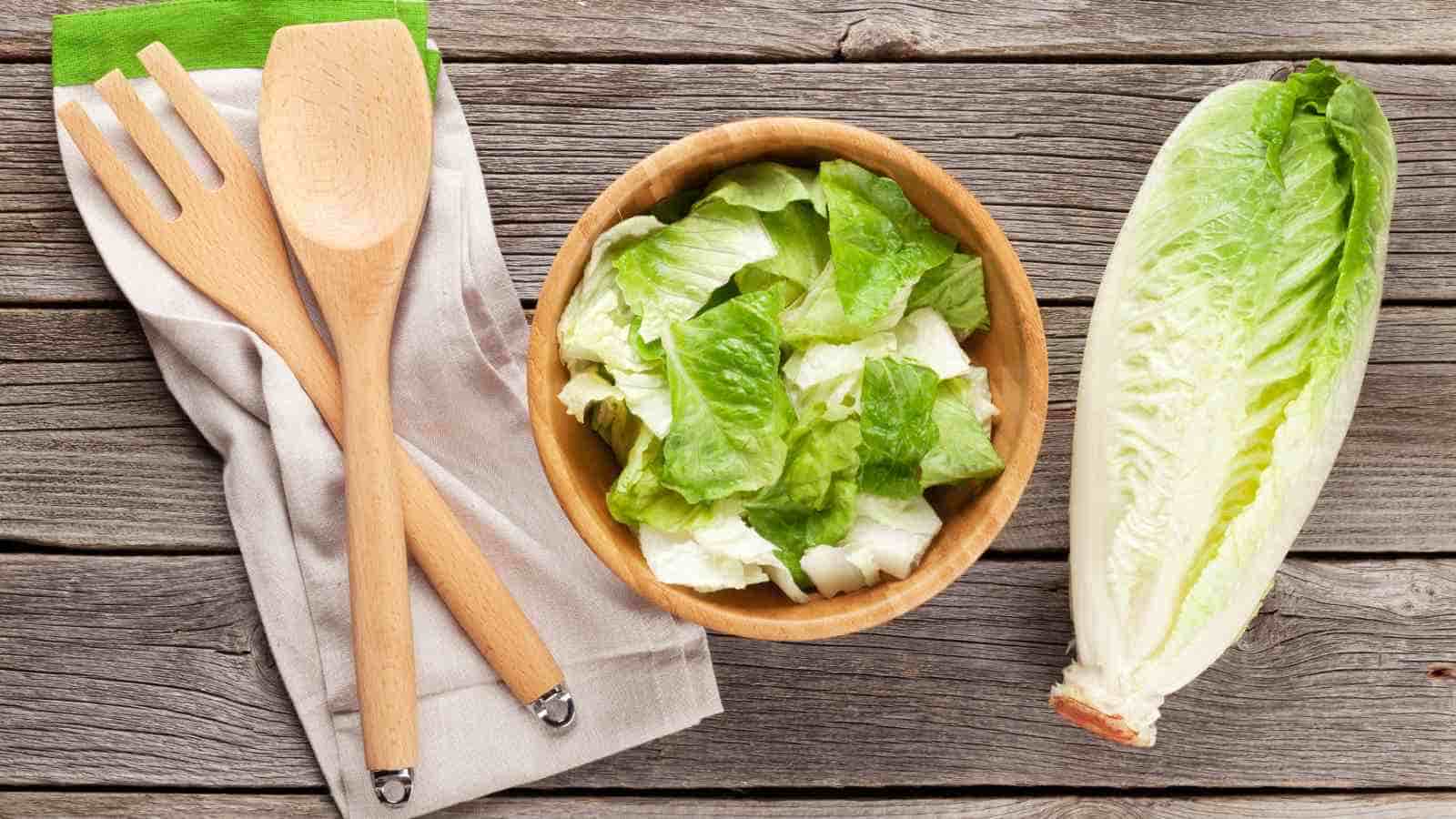
A crisp, hydrating leafy green, romaine lettuce delivers a mix of vitamin A, lutein, and zeaxanthin for optimal eye health. These nutrients help prevent dryness and protect against vision loss from aging. Its high water content also supports hydration, keeping eyes comfortable and reducing irritation. Eating romaine lettuce in salads or sandwiches provides a refreshing, nutrient-packed boost for eyesight. The combination of antioxidants fights oxidative stress, preserving long-term vision.
Collards

Collards contain high amounts of vitamin A and lutein, essential for maintaining night vision and overall eye protection. These nutrients prevent oxidative stress that contributes to cataracts and macular degeneration. The fiber in collards also promotes healthy blood circulation, ensuring eyes receive oxygen and nutrients. Cooking them with garlic or olive oil enhances their benefits while making them more flavorful. A simple way to support eye health is by adding collards to soups or stir-fries.
Broccoli

Packed with vitamins C and E, broccoli is a powerhouse for eye health. Vitamin C strengthens the blood vessels in your eyes, helping to prevent cataracts and other age-related conditions. The antioxidants in broccoli also help combat free radicals that damage eye cells, while vitamin E supports the retina by protecting it from oxidative stress. On top of that, broccoli contains lutein and zeaxanthin, two carotenoids that filter harmful blue light and reduce the risk of macular degeneration. Steamed, sautéed, or added to salads, it’s an easy addition to any meal for long-term eye protection.
Legumes

Rich in zinc and bioflavonoids, legumes help protect the retina and lower the risk of macular degeneration. These nutrients also reduce oxidative stress in eye tissues. Legumes support blood circulation, keeping the tiny vessels in the eyes healthy. They provide a plant-based source of protein for eye nourishment. Lentils, chickpeas, and black beans are easy additions to soups, salads, and stews.
Eggs

Packed with lutein, zeaxanthin, and vitamin E, eggs help maintain eye moisture and reduce inflammation. These nutrients protect against blue light damage and age-related vision decline. Choline in eggs also supports nerve function, which plays a role in vision. Eating eggs regularly can help keep eyes strong and reduce the risk of dry eye syndrome. Scrambled, boiled, or poached, they are a simple way to boost eye health.
Salmon

Rich in omega-3 fatty acids, salmon helps reduce the risk of dry eyes and supports overall retinal health. DHA, an essential fatty acid found in salmon, plays a crucial role in preventing macular degeneration. The anti-inflammatory properties also help protect against eye strain and fatigue from prolonged screen use. Eating salmon twice a week can significantly benefit vision and eye moisture. Grill, bake, or pan-sear it for a delicious, nutrient-packed meal.
Oysters

The highest natural source of zinc, oysters help maintain retinal function and prevent night blindness. Zinc supports vitamin A transport to the retina, crucial for clear vision. Regular consumption may lower the risk of age-related macular degeneration. Oysters also provide omega-3s, which keep eyes lubricated. Enjoyed raw, grilled, or in stews, they offer powerful eye benefits.
Lean Red Meat

A great source of zinc and vitamin A, lean red meat helps maintain night vision and reduce the risk of cataracts. Zinc plays a crucial role in transporting vitamin A to the retina. Iron in red meat also supports oxygen flow to eye tissues. Including lean cuts in moderation can contribute to overall visual health. Grilled, roasted, or stir-fried, it provides essential nutrients for eye protection.
Skip the Pills! 20 Natural Remedies for Common Ailments

Whether you’re dealing with muscle pain, digestion issues, or seasonal sniffles, these natural solutions may help you feel better without turning to a medicine bottle. This guide explores a range of well-known natural remedies, examining their potential benefits, scientific backing, and any precautions to consider so you can make informed choices about incorporating them into your routine.
13 Essential Vitamins You Might Not Be Getting Enough Of

If you’ve ever felt sluggish, had brittle nails, or caught colds too often, you might be missing some key nutrients. Let’s break down the essential vitamins, why you might not be getting enough, and the best foods to add to your diet.

Tamara Tsaturyan is the owner and writer of Thriving In Parenting, a website focused on providing simple tips for busy parents — easy and healthy recipes, home decor and organization ideas and all things P A R E N T I N G.
Share Your Thoughts!
I love to know your thoughts, make sure to comment below to start a discussion! You can also follow me on your favorite social network below.