Ever feel unusually puffy, tired, or like your body just isn’t flushing things out the way it should? Those could be signs your lymphatic system isn’t working at full capacity. That’s because this system is responsible for draining waste, moving immune cells, and keeping fluids circulating properly throughout your body. A clogged or slow-moving lymphatic system can lead to swelling (especially in the legs or under eyes), frequent colds, and a general sense of heaviness or fatigue. But you can help your lymphatic system work better without relying on complicated treatments or supplements. Whether you’re dealing with sluggishness, chronic inflammation, or just want to feel lighter and healthier, here are foods that help support a healthy lymphatic system—and how each one contributes to its function.

Cranberries

Packed with organic acids and antioxidants, cranberries help emulsify fat deposits that can clog lymphatic pathways. They’re known to assist in breaking down waste buildup, allowing your system to flush out toxins more effectively. The high content of vitamin C also supports immune cell activity in lymph nodes. Adding unsweetened cranberries or their juice can promote better lymphatic drainage. These berries are especially useful when your body feels heavy or congested.
Blueberries

Rich in anthocyanins, blueberries offer powerful anti-inflammatory effects that reduce strain on lymph vessels. Their natural compounds help prevent oxidative stress in immune-related tissues like lymph nodes and the spleen. Regular consumption may enhance capillary function, making it easier for lymph to circulate. Blueberries also support collagen integrity, aiding the structure of lymphatic walls. Their fiber helps manage fluid balance through better digestion and elimination.
Raspberries

Loaded with ellagic acid and vitamin C, raspberries contribute to tissue repair and cellular detox. Their phytonutrients help counteract inflammation in lymph nodes and channels, encouraging smoother flow. The seeds contain fiber that aids in gut health, a key player in lymphatic function. Polyphenols found in raspberries assist in stabilizing immune responses during infection or overload. They’re especially helpful when trying to reset your system after illness or stress.
Oranges

Citrus fruits like oranges are high in bioflavonoids that improve blood vessel permeability and lymphatic circulation. Their vitamin C content stimulates white blood cell production, important for lymph-based immune defense. The fruit’s hydration factor also supports the water-based movement of lymph fluid. Oranges contain enzymes that aid in fat breakdown, helping ease lymph congestion. Eating them fresh or juiced helps your system feel lighter and more energized.
Seaweed
Mineral-dense seaweed, especially types like kelp or nori, offers iodine and alginates that assist in detoxifying lymphatic tissue. Its compounds bind to heavy metals and support thyroid function, which plays a role in regulating lymph activity. Seaweed encourages healthy cell turnover within the immune system. Its anti-inflammatory properties help relieve internal swelling that can impact lymph flow. Including it regularly boosts both drainage and nutrient delivery.
Ginger

Active compounds like gingerol in ginger stimulate circulation, which directly enhances lymph transport. Its warming effect helps break up lymph stagnation, especially in cold or inflamed tissues. Ginger also assists in clearing mucus and reducing fluid retention. Supporting gut health with ginger can positively influence lymphatic absorption and detox. Fresh or brewed, it’s a potent tool for mobilizing stagnant lymph.
Turmeric

Curcumin, the key compound in turmeric, helps modulate inflammation that interferes with lymphatic drainage. Its antioxidant properties protect immune cells from oxidative stress and degradation. Turmeric also supports liver function, which works closely with the lymphatic system in filtering blood. Taking turmeric with black pepper enhances its absorption and systemic benefits. Incorporating it into meals can help keep your internal cleansing systems more efficient.
Garlic

Natural sulfur compounds in garlic act as cleansing agents that stimulate lymphatic detoxification. Its antimicrobial qualities assist in reducing infections that can burden lymph nodes. Garlic encourages the breakdown of cellular waste, reducing the risk of clogging lymphatic pathways. It also supports liver enzyme production, indirectly helping lymph flow. Crushed or raw forms offer the most potent benefits for immune and lymph health.
Walnuts

Omega-3 fatty acids in walnuts help reduce systemic inflammation that slows lymph movement. Their unique blend of antioxidants and polyphenols support cellular function in immune tissues. Walnuts provide plant-based protein, which fuels lymphocyte production in lymph nodes. They also contribute to vascular flexibility, aiding better circulation and drainage. Eating a small handful regularly supports both lymph and cardiovascular wellness.
Almonds

Vitamin E-rich almonds offer protection for immune cells as they circulate through the lymphatic system. Their healthy fats support hormonal balance, which plays a role in lymph regulation. Almonds provide magnesium, a mineral that relaxes blood vessels and improves fluid flow. They’re also a clean energy source for the body, reducing metabolic stress that can affect detox processes. Consuming them raw or soaked preserves the most nutrients.
Chia Seeds

High in omega-3s and soluble fiber, chia seeds help hydrate and thin lymph fluid, making it easier to transport. They expand when soaked, supporting digestion and toxin removal through bowel movements. Chia also provides plant protein and antioxidants that aid immune performance. Their gel-like texture improves gut motility, indirectly easing lymphatic workload. A small daily serving supports smoother, more efficient internal cleansing.
Kale

Chlorophyll-rich kale assists in purifying blood and supporting lymphatic detox. It supplies sulfur-containing compounds that promote enzyme activity needed for toxin breakdown. Kale’s vitamin K content helps maintain vessel integrity within the lymphatic system. It also contains beta-carotene and lutein, supporting immune surveillance through lymph channels. Lightly cooked or blended, it remains one of the most nutrient-dense greens for this purpose.
Spinach

Iron and folate in spinach play key roles in building healthy blood, which is closely linked to lymph fluid quality. It also provides nitrates that improve circulation and oxygen transport. Spinach supports spleen function, a key organ in lymphatic filtering. Its antioxidants protect immune cells traveling through the system from damage. Raw or steamed, it offers broad support for lymph and immune systems.
Broccoli

Glucosinolates in broccoli break down into compounds that enhance liver detox pathways, easing the burden on lymphatic drainage. Its fiber content promotes digestive efficiency, crucial for proper toxin elimination. Broccoli also offers vitamin C, which boosts the production of immune-supporting lymphocytes. Indoles in broccoli help regulate inflammation in tissues where lymph is stored. Steamed or roasted, it contributes to more balanced internal circulation.
Avocado

Monounsaturated fats in avocado support healthy cell membranes in immune and lymphatic cells. Its potassium content helps regulate fluid balance, aiding lymph movement. Avocado contains glutathione, an antioxidant that assists in cellular detoxification. Nutrients in this fruit promote anti-inflammatory responses that keep lymphatic channels open. Including it in your meals enhances nutrient delivery and overall system efficiency.
Beans

Beans provide complex carbohydrates and resistant starch that feed beneficial gut bacteria—important for lymph-related immunity. Their magnesium and potassium levels help with muscle relaxation and fluid movement. Beans also contain plant compounds that assist in managing inflammation. They offer clean plant protein that supports tissue repair in the lymphatic network. Regular consumption helps stabilize blood sugar, reducing stress on detox pathways.
Lentils

Lentils offer a rich source of folate and iron, which help with oxygen and nutrient delivery throughout the lymphatic system. Their polyphenols reduce oxidative stress in immune tissues. Lentils aid gut motility, ensuring toxins are efficiently moved out of the body. Their amino acids support lymphocyte development in immune organs. Eating them regularly supports detox and energy at the cellular level.
Chickpeas

Zinc and selenium in chickpeas support lymphatic immune function and tissue maintenance. They promote gut health by providing both soluble and insoluble fiber. Chickpeas also contain plant sterols that may help reduce inflammation. Their slow-digesting carbs provide steady energy, easing metabolic pressure on the lymphatic system. Roasted or blended, they are easy to integrate into detox-supportive meals.
Brown Rice

Whole grain brown rice contains B vitamins that help convert food into energy and support tissue repair. Its fiber aids digestion and toxin removal, reducing burden on lymphatic structures. Brown rice provides manganese, a mineral important for enzyme activity in detox pathways. Its complex carbs fuel the body without spiking blood sugar, which supports balanced lymph flow. Soaking or sprouting can improve its nutrient absorption and impact.
Salmon

Omega-3 fatty acids in salmon lower chronic inflammation and promote healthy blood and lymphatic flow. The protein in salmon supports repair and regeneration of immune cells. It’s also a good source of selenium, which aids antioxidant function and supports immune resilience. Salmon’s nutrients help stabilize cell membranes, improving overall transport through lymph channels. Grilled or baked, it’s a valuable food for long-term lymphatic health.
20 Things to Eat on Days You’re Sitting More Than Usual

If you’re spending more time in your chair lately, here’s exactly what to eat to support digestion, circulation, and steady energy levels throughout the day. These foods that support your body when you’re moving less but still want to feel your best.
20 Wild or Foraged Foods That Are Surprisingly Nutritious
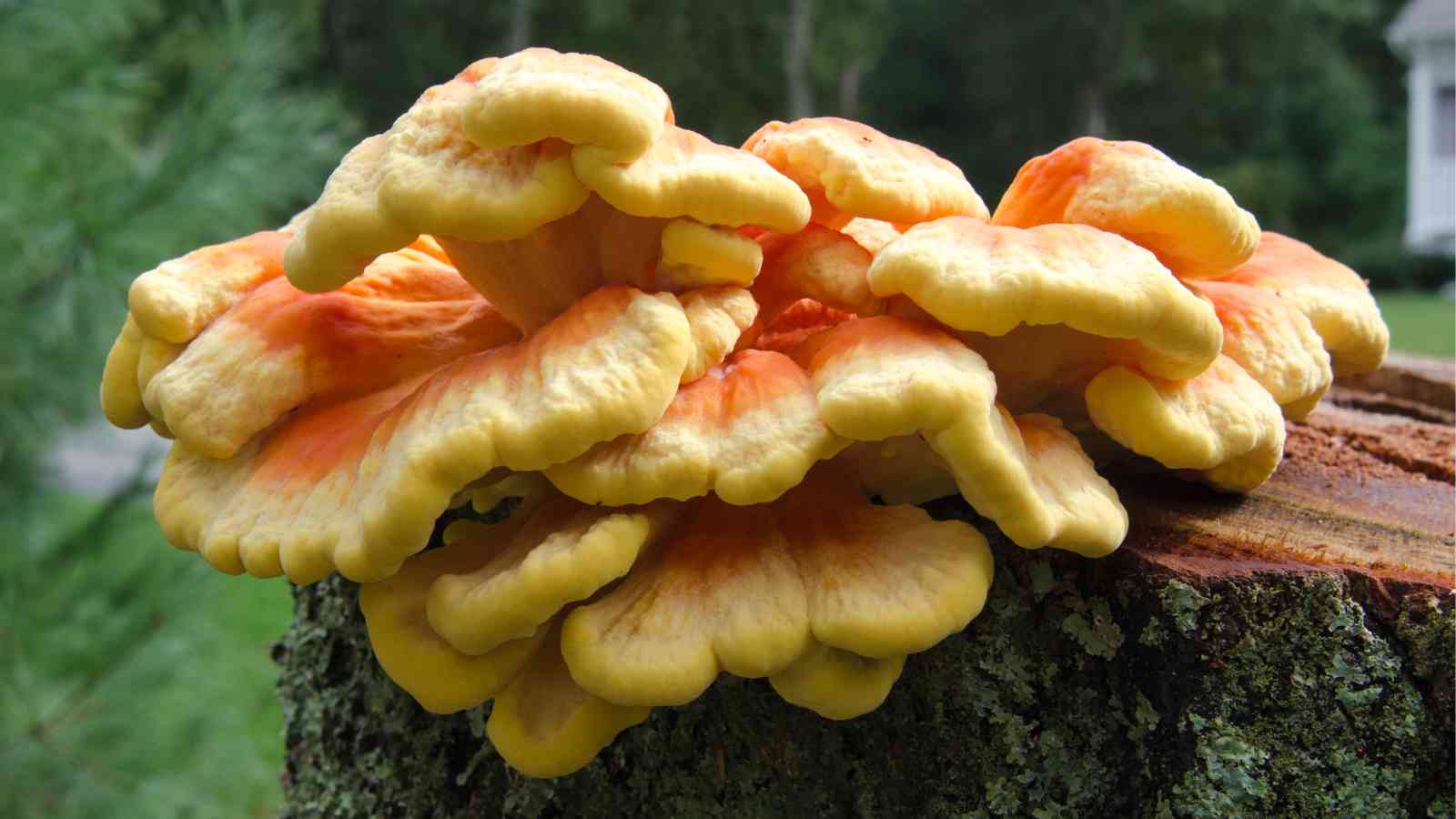
In this list, you’ll find 20 foraged and wild foods that not only survive in nature but thrive. In adapting to the stresses of the wild—drought, competition, predators—they often produce higher levels of protective compounds, antioxidants, and micronutrients. In many cases, they contain more nutritional value than their domesticated counterparts.

Tamara Tsaturyan is the owner and writer of Thriving In Parenting, a website focused on providing simple tips for busy parents — easy and healthy recipes, home decor and organization ideas and all things P A R E N T I N G.

Share Your Thoughts!
I love to know your thoughts, make sure to comment below to start a discussion! You can also follow me on your favorite social network below.