Most people think of fruit as a healthy snack, but some varieties have a bigger impact on blood sugar than others. Some are loaded with natural sugars that can cause sharp spikes in blood sugar, while others offer sweetness with a side of fiber and slow-digesting carbs to keep things balanced. It’s not just about how much sugar a fruit has—it’s also about how your body processes it. The right fruits can actually help regulate blood sugar, keep hunger in check, and even support better metabolic health.
What makes a fruit less likely to spike blood sugar? Fiber slows down sugar absorption, water content helps dilute the impact, and a lower glycemic index means your body won’t experience a sugar rush followed by an energy crash. Some fruits even contain compounds that improve insulin sensitivity, making them a smart choice for people managing diabetes or anyone looking to avoid sugar overload. Whether you’re looking to cut back on sugar or just want to make smarter fruit choices, these 20 options let you enjoy natural sweetness without the blood sugar rollercoaster.

Blackberries

Loaded with fiber and antioxidants, blackberries have just 7 grams of sugar per cup. Their high fiber content slows down sugar absorption, preventing sudden spikes in blood sugar. They’re also rich in anthocyanins, compounds that may help improve insulin sensitivity. Add them to yogurt, oatmeal, or eat them plain for a refreshing, guilt-free snack.
Cantaloupe

Cantaloupe is naturally sweet but still relatively low in sugar, with less than 13 grams per cup. Packed with vitamin A and hydration-boosting water, it delivers nutrients without causing a sharp rise in blood sugar. The fruit’s fiber and water content help slow down digestion, keeping energy levels stable. Enjoy it fresh, blended into smoothies, or paired with protein for a balanced snack.
Strawberries

Despite their natural sweetness, strawberries contain only 7 grams of sugar per cup. Their fiber content slows the release of sugar into your bloodstream, helping to keep glucose levels steady. They also provide more than 100% of your daily vitamin C needs, making them a nutritious choice. Toss them into salads, blend into a smoothie, or enjoy them fresh for a naturally sweet treat.
Kiwis

With just 6.7 grams of sugar per medium-sized fruit, kiwis are a smart choice for anyone watching their intake. They offer a good dose of fiber, which helps regulate blood sugar by slowing digestion. Their vitamin C and antioxidants support overall health while keeping your sweet tooth in check. Eat them whole, slice them into yogurt, or scoop them out with a spoon for an easy snack.
Grapefruit
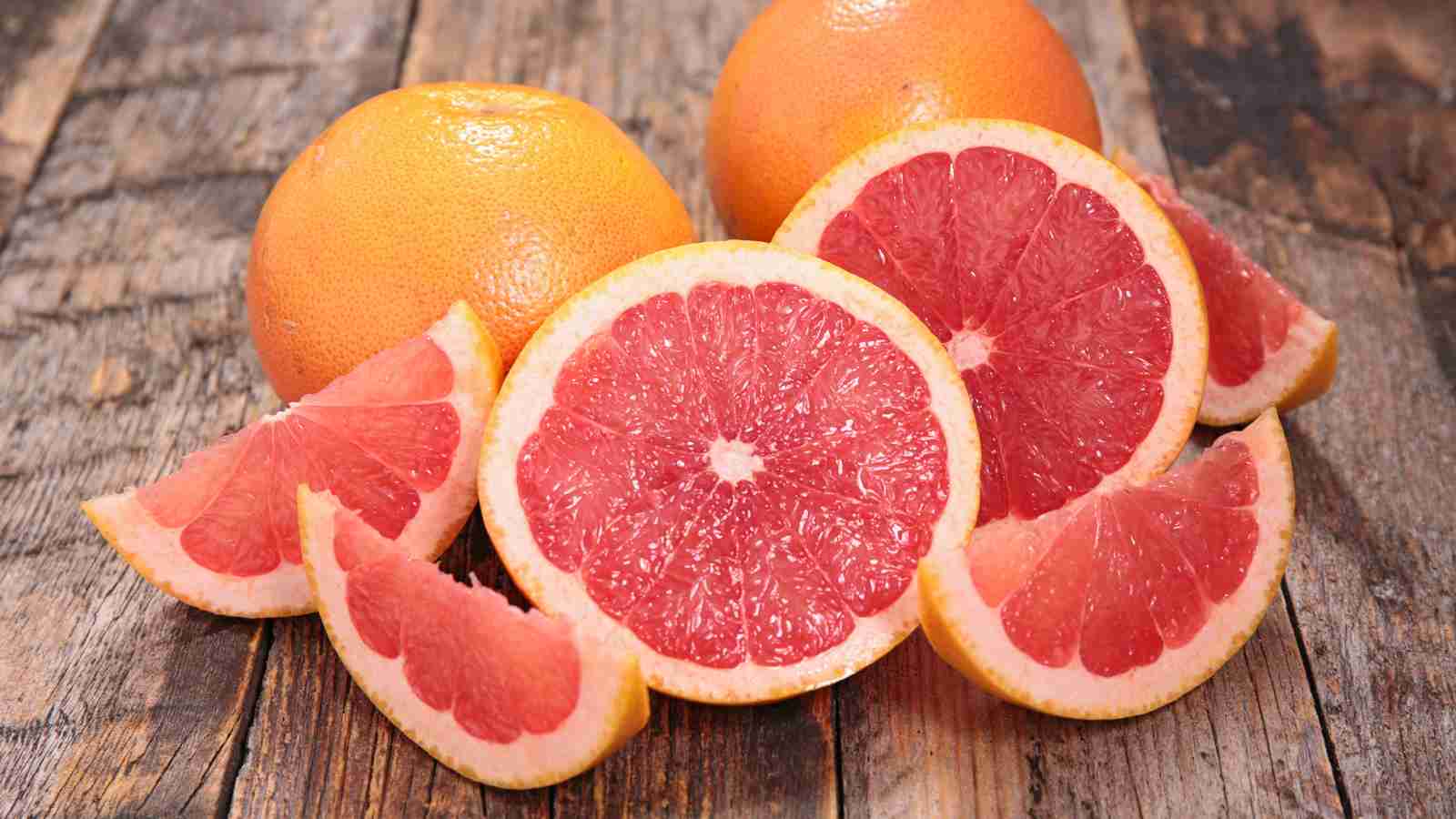
Grapefruit may taste tart, but that’s exactly why it won’t send your blood sugar soaring. Half a grapefruit contains only 10.6 grams of sugar, plus fiber and water that aid in slow sugar absorption. It also contains compounds that may improve insulin resistance, making it a smart choice for those managing diabetes. Enjoy it on its own, in a fruit salad, or squeezed into sparkling water for a citrusy refresh.
Watermelon

Light and refreshing, watermelon does have a higher glycemic index, yet its glycemic load is low. While it might slightly increase your blood sugar, pairing it with high-protein or high-fat foods such as nuts or yogurt will balance the sugar content. Enjoy it chilled on a hot day or blended into a hydrating frozen treat.
Lemons and Limes

With barely 1-2 grams of sugar per fruit, lemons and limes are some of the lowest-sugar options available. Their tartness makes them a great way to add flavor without adding unnecessary sugar. They’re also packed with vitamin C and antioxidants, which support overall health. Use their juice to enhance water, dressings, or marinades without worrying about blood sugar spikes.
Raspberries

A single cup of raspberries contains just over 5 grams of sugar but packs in a solid amount of fiber. That fiber works to slow down sugar absorption, preventing sudden spikes. These berries are also rich in antioxidants that support metabolic health. Enjoy them fresh, frozen, or tossed into yogurt for a satisfying, naturally sweet snack.
Oranges

Oranges may seem sweet, but they’re actually a lower-sugar citrus option with about 14 grams per medium-sized fruit. Their fiber content helps regulate blood sugar, making them a better choice than processed fruit juices. They also deliver immune-boosting vitamin C and hydration from their high water content. Peel and eat them whole to get the full benefits without the sugar overload.
Cranberries

Fresh cranberries are naturally low in sugar, with just 4.7 grams per cup. Unlike their dried or juice versions, which often have added sugars, whole cranberries provide fiber and antioxidants that support blood sugar control. Their tartness makes them perfect for adding to smoothies, oatmeal, or salads. Try them raw or cooked with a bit of cinnamon for a natural way to cut the bitterness.
Dragon Fruit

This exotic fruit may look like a sugar bomb, but it’s actually considered low glycemic. A cup contains 17.6 grams of sugar, yet its fiber helps slow the breakdown of carbohydrates. It’s also packed with antioxidants and prebiotics that support gut health, which in turn affects blood sugar stability. Slice it into cubes and eat it fresh, or blend it into a smoothie for a fun, low-sugar treat.
Plums

Plums might taste sweet, but they’re surprisingly blood sugar-friendly. A cup of sliced plums has around 16.4 grams of sugar, yet their fiber content slows down how fast sugar enters the bloodstream. They also have a low glycemic index, meaning they won’t cause rapid spikes. Eat them fresh or slice them into yogurt for a balanced snack.
Avocado

Unlike most fruits, avocados are naturally low in sugar, containing just 1 gram per fruit. Their healthy fats help slow digestion, preventing blood sugar spikes while keeping you full longer. They’re also loaded with fiber, which further stabilizes blood sugar. Spread some on toast, blend into smoothies, or eat them straight with a pinch of salt.
Papaya

Papaya contains about 11 grams of sugar per cup, but it won’t send your glucose soaring. Thanks to its fiber content, it releases sugar gradually, making it a better option than many tropical fruits. It’s also rich in vitamin C and water, making it both hydrating and nutritious. Enjoy it fresh, in fruit bowls, or blended into a smoothie.
Apricots

One cup of fresh apricots has about 14.3 grams of sugar, making them a moderate but manageable choice. Their natural fiber helps keep sugar absorption steady, avoiding sharp increases in blood glucose. They also provide beta-carotene, which supports eye health. Eat them fresh or add them to salads for a pop of sweetness.
Peaches

A medium peach contains less than 13 grams of sugar while delivering fiber and vitamins that help regulate blood sugar. Their juicy texture makes them a great natural alternative to processed sweets. Since they have a low glycemic index, they won’t cause rapid sugar spikes. Slice them up for a refreshing snack or add them to cottage cheese for a balanced bite.
Honeydew

Honeydew melon, much like cantaloupe, has a lower sugar content compared to other fruits. It provides potassium, vitamin C, and hydration without the excess sugar. With its mild sweetness, it’s an easy way to satisfy cravings without causing major blood sugar fluctuations. Enjoy it fresh, chilled, or blended into a light smoothie.
Cherries

Cherries contain natural sugars but remain a low-glycemic fruit, meaning they won’t send your blood sugar soaring. They also have antioxidants that help reduce inflammation and support heart health. Eating them fresh ensures you’re not getting unnecessary added sugars from dried or canned versions. Enjoy them as a snack or mixed into yogurt for a burst of flavor.
Pears

A ripe pear contains natural sugar, but its high fiber content helps slow down sugar absorption. This makes it a smart choice for maintaining steady blood sugar levels. Asian pears, in particular, have a crisp texture and refreshing sweetness with less sugar than other varieties. Eat them fresh or slice them into salads for a naturally sweet crunch.
Apples

A medium apple has around 19 grams of sugar, but its fiber keeps sugar absorption steady. Green apples tend to have slightly less sugar than red ones, making them an even better choice. Their crunch and natural sweetness make them a great substitute for processed snacks. Eat them whole or pair them with nut butter for extra protein and balance.
13 Essential Vitamins You Might Not Be Getting Enough Of

If you’ve ever felt sluggish, had brittle nails, or caught colds too often, you might be missing some key nutrients. Let’s break down the essential vitamins, why you might not be getting enough, and the best foods to add to your diet.
20 Foods That Help You Melt Belly Fat

Here’s a list of 20 foods that are not only great for your body but also can help you target belly fat more effectively. By combining these foods with exercise and proper hydration, you’ll be on your way to a healthier, leaner you in no time!

Tamara Tsaturyan is the owner and writer of Thriving In Parenting, a website focused on providing simple tips for busy parents — easy and healthy recipes, home decor and organization ideas and all things P A R E N T I N G.

Share Your Thoughts!
I love to know your thoughts, make sure to comment below to start a discussion! You can also follow me on your favorite social network below.