One minute you are scrolling for a simple toddler snack idea, and the next you are three hundred comments deep into a digital brawl about screen time or sugar. It feels like every choice we make as mothers in 2026 is a public statement, and the pressure to pick a side is exhausting. We are the first generation of parents trying to follow our intuition while a thousand experts shout conflicting advice at us from our phone screens. Whether you are a “scrunchy” mom or just trying to survive until bedtime, it is hard not to feel judged by the invisible jury of the internet. Take a look at these trends currently setting comment sections on fire, acknowledging that there is rarely a single right way to raise a happy child.

Gentle Parenting

This approach focuses on empathy and understanding the “why” behind behavior rather than reaching for immediate punishment. Supporters believe it fosters a deep sense of security and emotional intelligence that serves children well into adulthood. On the other side of the screen, critics worry that without firm boundaries, this style can accidentally slip into permissiveness. They often argue that kids need to understand authority and consequences to function in the real world. You might find yourself caught in the middle, trying to be kind while also wondering if you should be more strict.
Screen Time Limits

The battle over iPads and gaming consoles is a constant fixture in modern homes and online forums. Some parents swear by strict limits or even a total ban to protect developing brains and encourage outdoor play. Meanwhile, other families take a more flexible approach, viewing technology as a necessary tool for learning and relaxation in a digital age. These parents often point out that high-quality educational content can be a lifesaver during a long afternoon.
Baby Led Weaning

Skipping jars of puree in favor of whole finger foods has become a massive trend that often terrifies and excites parents in equal measure. This baby-led weaning method allows infants to explore textures and develop fine motor skills right from the start. However, comment sections are frequently filled with anxiety regarding choking hazards or whether a child is actually getting enough nutrition. Many parents feel pressured to choose one side or the other, when in reality many families end up doing a mix of both.
Co-Sleeping

Sharing a bed or a room with your child is a deeply personal choice that often sparks intense safety lectures online. For many families, it is the only way anyone gets any sleep, and it feels like a natural extension of their bond. Conversely, many experts and parents cite safety guidelines and the importance of fostering early independence as reasons to keep a child in a crib. The conversation frequently gets heated because it touches on both physical safety and the sanctity of the parents’ own sleep.
Posting Kids On Social Media

The decision to share photos of your children’s faces on social media has become a significant ethical debate in recent years. Some parents love the digital scrapbook aspect and the ability to keep distant family members updated on every milestone. On the other hand, a growing number of parents are choosing total digital privacy to protect their children’s future digital footprints. They worry about data privacy and the fact that a child cannot consent to their life being public. This debate often leaves people feeling judged for either being too private or for sharing what others consider too much of their daily reality.
Potty Training Timing

The “early versus late” potty training debate is a perennial favorite in parenting forums. Some parents swear by elimination communication or training before eighteen months for convenience and environmental reasons. Others prefer to wait for clear readiness cues, believing that pushing a child before they are physically or emotionally ready creates unnecessary power struggles. This topic often leads to intense comparisons of milestones, leaving parents of older toddlers feeling defensive.
Allowing Kids To Quit Activities

When a child wants to stop piano lessons or soccer mid-season, parents often find themselves at a crossroads. One camp believes that forcing a child to finish what they started teaches resilience and the value of commitment. Others argue that forcing an unhappy child to continue an optional hobby is a recipe for burnout and resentment. These parents prefer to prioritize their child’s mental health and autonomy over a trophy or a certificate.
No Sugar Households

The “almond mom” discourse has made childhood nutrition more sensitive than ever. Some parents choose to eliminate all added sugars to protect their children’s health and prevent a preference for ultra-processed foods. Others believe that total restriction leads to binging or a disordered relationship with food later in life. These parents often advocate for the “all foods fit” mentality, where a cupcake is just a cupcake and not a moral failing.
Minimalist Toy Homes

The “beige nursery” and toy rotation trends have sparked a lot of discussion about how much stuff a child really needs. Minimalist parents argue that fewer toys lead to deeper focus, more creative play, and a much calmer environment for everyone. Critics of this trend worry that it is more about the parents’ aesthetic preferences than the child’s happiness. They argue that a colorful, messy room is a sign of a joyful childhood and that variety is essential for development.
Paying Kids For Chores

Should a clean room be rewarded with cash, or is it just the price of admission for living in a house? Some parents use an allowance system to teach their children about money management and the value of hard work. Other parents feel strongly that contributing to the household is a fundamental responsibility that should not be tied to a paycheck. They worry that paying for chores teaches children to only help when there is something in it for them. This debate often reflects deeper family values about money, work ethic, and what it means to be a team.
Early Sleep Training

Few topics are as likely to cause an argument in a mom group as the mention of “crying it out.” Parents who support sleep training often do so out of a desperate need for rest and a belief that independent sleep is a gift. Opponents feel that responding to every cry is essential for secure attachment and that sleep training can be too stressful for an infant. This debate is deeply emotional because it involves the vulnerability of a baby and the extreme exhaustion of a parent. Every family seems to have a firm stance on this.
Limiting Extracurricular Overload

In a world that feels increasingly competitive, the pressure to sign kids up for every possible activity is intense. Some parents are pushing back by intentionally limiting activities to protect family dinner time and free play. They believe that boredom is actually good for a child’s brain and that kids are currently overscheduled. Other parents worry that by doing less, their children will fall behind their peers or miss out on discovering a passion.
Sharing Detailed Parenting Advice Online
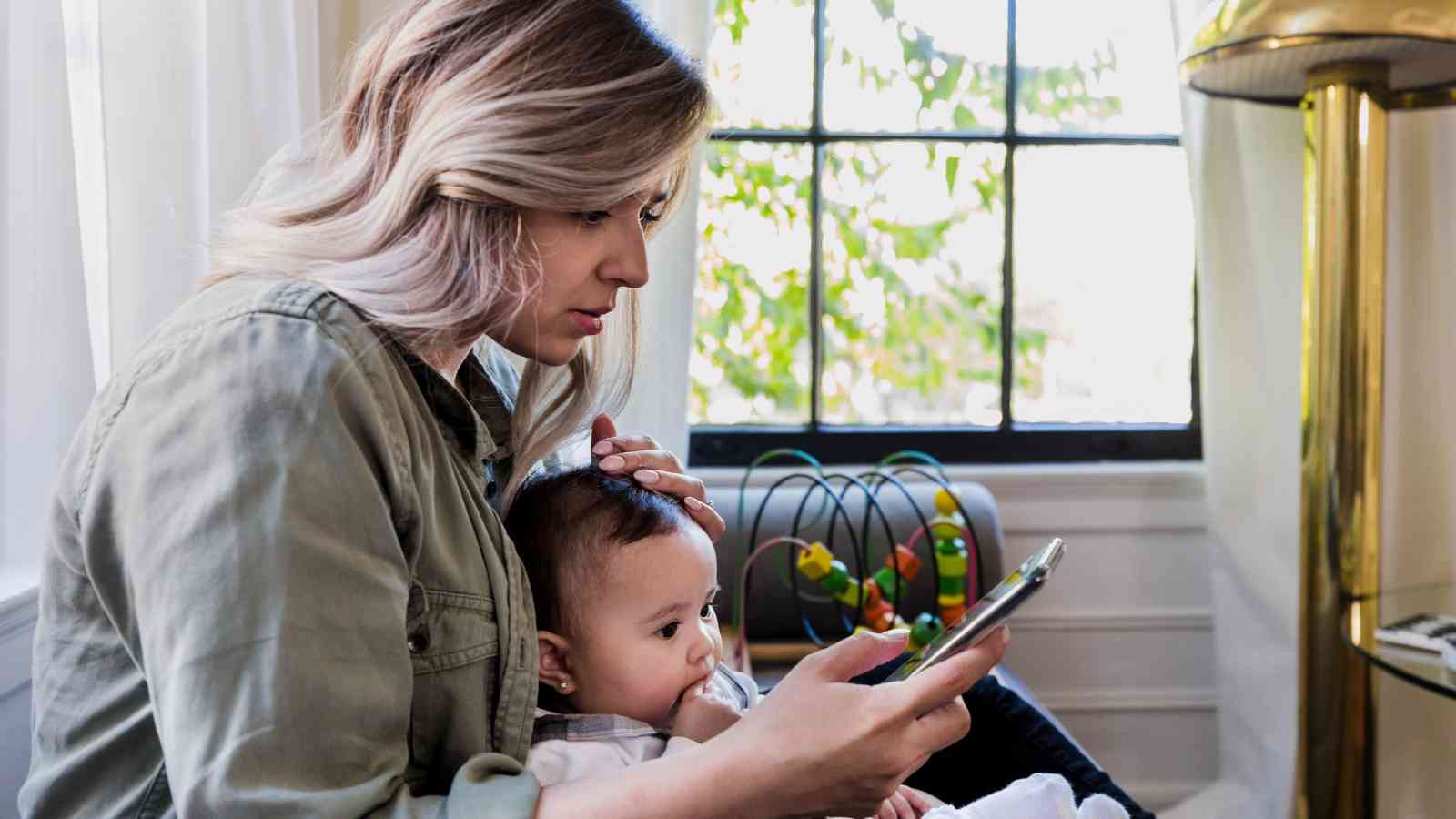
There is a fine line between being helpful and being “preachy” in the world of content creation. Many moms find immense value in seeing how others handle tantrums or plan meals, which helps them feel less alone in their daily struggles. However, there is a growing fatigue with the expert culture where every parent feels qualified to give advice to thousands of others. Critics argue that parenting is too nuanced for a thirty-second video and that what works for one child might be disastrous for another.
Gender Neutral Parenting

This trend involves moving away from traditional pink and blue stereotypes to allow children to explore their interests freely. Advocates believe that by removing gendered expectations from toys and clothes, they are giving their children the space to be their true selves. This topic often sparks heated reactions from people who value traditional roles or believe that biological differences should be emphasized. It frequently intersects with cultural and generational views, making it one of the more explosive topics on social media.
Homeschooling vs Traditional School

The choice between the kitchen table and the local elementary school has become a major point of contention. Homeschooling families often cite the flexibility to travel and a customized curriculum as their primary motivators. Meanwhile, supporters of traditional schooling emphasize the importance of social diversity and the community aspect of a local school. They often worry about the social bubble that homeschooling can create for some families. This debate is often fueled by personal experiences with the education system, making it very personal for everyone involved.
Organic And Clean Eating For Kids

The “crunchy” mom movement has brought ingredient labels to the forefront of the parenting conversation. Many parents are meticulously avoiding food dyes and processed snacks, believing these choices directly impact their children’s behavior. This often sparks a backlash regarding the cost and accessibility of such a lifestyle, with many pointing out that “fed is best.” Critics argue that obsessing over ingredients can create unnecessary anxiety for both the parent and the child.
Tracking Kids With GPS Devices

With technology now allowing us to see exactly where our children are at all times, a new debate about safety and trust has emerged. Some parents feel that GPS watches are essential tools in an unpredictable world. Others believe that constant monitoring hinders a child’s development of independence and sends a message of distrust. They worry that we are raising a generation that never learns how to navigate the world without a digital leash.
Allowing Kids To Wear Anything They Want

Should a toddler go to the grocery store in a dinosaur costume or a teenager wear pajamas to a family dinner? Proponents of radical self-expression believe that clothes are a low-stakes way for children to practice autonomy. They argue that as long as the child is comfortable and covered, the specific style doesn’t matter. Other parents feel that teaching kids how to dress appropriately for different social situations is a vital life skill.
Sleepovers And Independent Social Activities

The “no sleepover” movement has gained significant traction lately, with many parents citing safety and a lack of control over other households. They prefer to host “late overs” where the child comes home to their own bed at the end of the night. This approach is often met with pushback from parents who remember sleepovers as a core part of their childhood bonding experiences. It is a tough choice that often leaves parents feeling like they are either being too protective or too lax.
Helicopter Parenting vs Free Range Parenting

This is the ultimate debate that seems to encompass all other parenting choices. Helicopter parents are often driven by a deep desire to ensure their child’s success and safety in a high-pressure world. Free-range parents, on the other hand, believe that children need the freedom to fail and explore without constant adult supervision. This debate serves as a mirror for our own fears about the future and our hopes for our children’s independence.
15 signs your family could use a digital detox

When technology begins to steal time meant for laughter, connection, or even rest, families can start to feel like strangers under one roof. Recognizing the subtle signs of screen overuse can help you create a healthier balance without drastic changes. Small shifts in habits bring back meaningful connections and allow kids and parents to rediscover activities that feel fulfilling beyond a glowing screen. Think of it as pressing pause—not on technology entirely—but on autopilot living.
18 Things That Make You Feel Like a Bad Parent (But Don’t Matter As Much)

Here are just a few things that feel big in your mind but won’t matter nearly as much in the long run—if at all. They’re not keeping track of forgotten theme days or how many times dinner came in a paper bag. They’re looking at how safe they feel with you. How they’re hugged, how they’re heard, how they’re loved.

Tamara Tsaturyan is the owner and writer of Thriving In Parenting, a website focused on providing simple tips for busy parents — easy and healthy recipes, home decor and organization ideas and all things P A R E N T I N G.
Share Your Thoughts!
I love to know your thoughts, make sure to comment below to start a discussion! You can also follow me on your favorite social network below.