One child is already a handful—add another (or more), and suddenly your house feels like a full-time referee zone. It’s not just the bickering over toys or who sat where; it’s the emotional mess underneath it all that wears you down. You want them to grow up close, to be each other’s people when life gets hard, but some days it feels like they’re training for a lifelong rivalry instead. What makes it trickier is that a lot of advice out there stops at “just tell them to say sorry,” and you know that isn’t cutting it. Conflict resolution is about so much more than apologies—it’s about giving kids the tools to understand themselves and each other. Here are 20 thoughtful strategies you can actually use to help your kids build real conflict resolution skills—not just in the moment, but for life. May these help shape how your kids relate to each other for life—not perfectly, not without bumps, but with more connection and way less chaos.

Teach Them to Name the Problem, Not the Person

Blame makes kids defensive, and once that wall goes up, they stop listening. Focusing on what happened rather than who did it gives them the space to be honest without shame. When they learn to say what bothered them without attacking, it opens the door for real understanding. You’ll start to see fewer arguments that spiral, and more moments where they actually hear each other. It’s a small language shift that makes a huge emotional difference.
Practice Taking Turns Speaking Without Interrupting

When one is trying to explain and the other keeps cutting in, nothing gets resolved. Taking turns to speak shows each child that their voice matters, and it teaches patience in a way few other things do. Giving structure—like a talking stick or even a timer—makes the process feel fair. It gives them practice in listening even when they’re mad, and that’s no small thing. You’re planting seeds for respectful conversations down the road.
Model How to Say What You Need

Kids often react before they reflect, so teaching them to speak up for what they actually need is a game-changer. Whether it’s wanting a turn, needing space, or asking for help, putting words to those needs prevents so much conflict. It gives them confidence to express themselves instead of bottling things up or lashing out. Over time, it becomes second nature. That shift from acting out to speaking up really changes the whole mood in the house.
Break Down What Fairness Really Means

“That’s not fair!” gets tossed around like confetti, but what kids really mean is “I don’t like what just happened.” Fair doesn’t always mean the same—it means what’s right for each person in the moment. Helping them understand that cuts down on endless comparisons and resentments. It teaches them to look at the whole picture, not just their piece. And honestly, it helps you feel less pressure to always make everything even.
Teach Calm-Down Tools First

There’s no reasoning when emotions are sky-high. Having go-to ways to calm down—like deep breaths, coloring, or stepping away—makes everything else possible. It’s not about ignoring the problem but helping their brains get back to a place where they can think clearly. Once they’re calm, the solutions come easier and the yelling fades. You’ll start to notice less reacting and more regrouping, even when things get heated.
Use Role-Play to Practice Responses

Kids learn better by doing, not just hearing. Practicing scenarios ahead of time makes real-life ones less overwhelming. They get to explore better choices without the pressure of being in a fight. Plus, it’s kind of fun—it turns learning into play. The more they rehearse peaceful responses, the more natural those choices become.
Encourage “I” Statements

Blaming makes the other person defensive, but owning how something feels changes the tone completely. Saying “I felt upset when you…” teaches them to connect actions with emotions without turning it into an attack. It also helps you understand what’s really going on beneath the surface. These statements make everyone feel heard instead of cornered. It’s a simple tool, but it brings so much clarity into the messiness of sibling spats.
Guide Them in Problem-Solving, Don’t Solve It for Them

Jumping in with a fix might be faster, but it robs them of a powerful learning moment. Asking questions helps them figure things out on their own while still feeling supported. You get to be the guide without being the fixer. That confidence in solving problems sticks with them far beyond just sibling fights. Plus, it helps you not feel like the permanent referee.
Praise Specific Conflict Skills When You See Them

General praise like “good job” doesn’t always hit home. But when you point out exactly what they did well—like staying calm or listening first—it reinforces that those skills matter. They start to feel proud of how they handled things, not just that it’s over. That’s what builds character, not compliance. Keep your eyes open for those small wins—they add up fast.
Set Rules for Fighting Fair

Clear, consistent boundaries take the chaos out of conflict. When they know certain things—like name-calling or hitting—aren’t allowed, it gives them structure even when emotions run high. Having rules written down makes it easier to refer back without arguing. It sets the tone that problems are okay, but hurting each other isn’t. That framework is grounding for everyone, even you.
Use a Reset Phrase When Tensions Spike

In the middle of a fight, it can feel impossible to stop. A shared phrase like “pause button” gives everyone a way out before things explode. It takes practice, but eventually, just hearing those words can cool things down. It gives them something to reach for instead of letting it spiral. Having a reset built in teaches them that stepping back isn’t giving up—it’s growing up.
Debrief After the Conflict

The learning doesn’t happen in the fight—it happens after. Once everyone’s calm, talking about what went wrong and how it could be handled differently makes a real impact. It’s not about scolding, just unpacking. These talks give you a window into how they think and help them see patterns. You’ll notice over time those insights start to change what they do next time.
Reframe “Sorry” as a Repair Step, Not the End Point
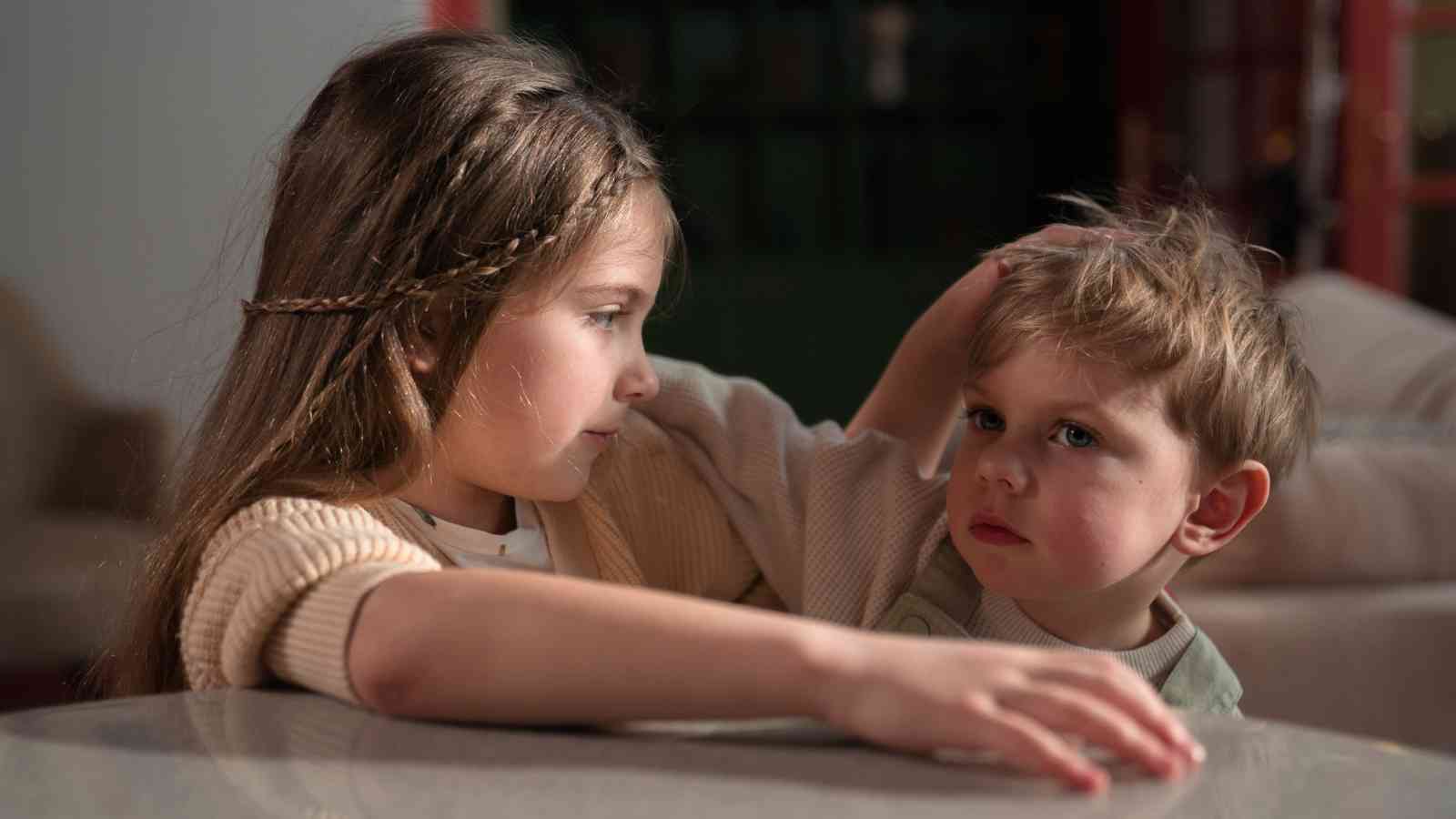
Saying “sorry” is a start, but kids need to see that actions matter more than words. Helping them repair what was broken—like rebuilding something or offering help—makes the apology feel real. It shows the other child that they actually care. That kind of repair deepens their connection instead of just smoothing over tension. And you’ll start to hear more meaningful “sorries” instead of just the ones they’re told to say.
Encourage Empathy by Switching Roles

When kids can step into each other’s shoes, everything changes. Asking them to describe how the other might feel builds emotional awareness in a way no lecture can. It opens their eyes to more than just their side. That skill of perspective-taking strengthens not just sibling relationships, but friendships, too. You’ll see more compassion grow right in front of you.
Create a Conflict Resolution Chart Together

Kids are way more likely to use tools they helped make. A simple chart that outlines steps—like calm down, speak kindly, find a solution—gives them something to lean on when things get heated. It takes the guesswork out and replaces it with routine. They’ll start using it without needing to be reminded. It’s one of those little tools that keeps working in the background.
Use Books or Stories to Spark Conversations

Stories give kids a way to explore conflict without feeling personally called out. Seeing characters work through problems helps them reflect without shutting down. It opens up space for gentle, thoughtful conversation. They often bring up their own thoughts when they don’t feel like they’re being corrected. Those quiet moments during storytime can end up shaping the way they handle big feelings.
Reinforce That All Feelings Are Okay—But Not All Actions Are
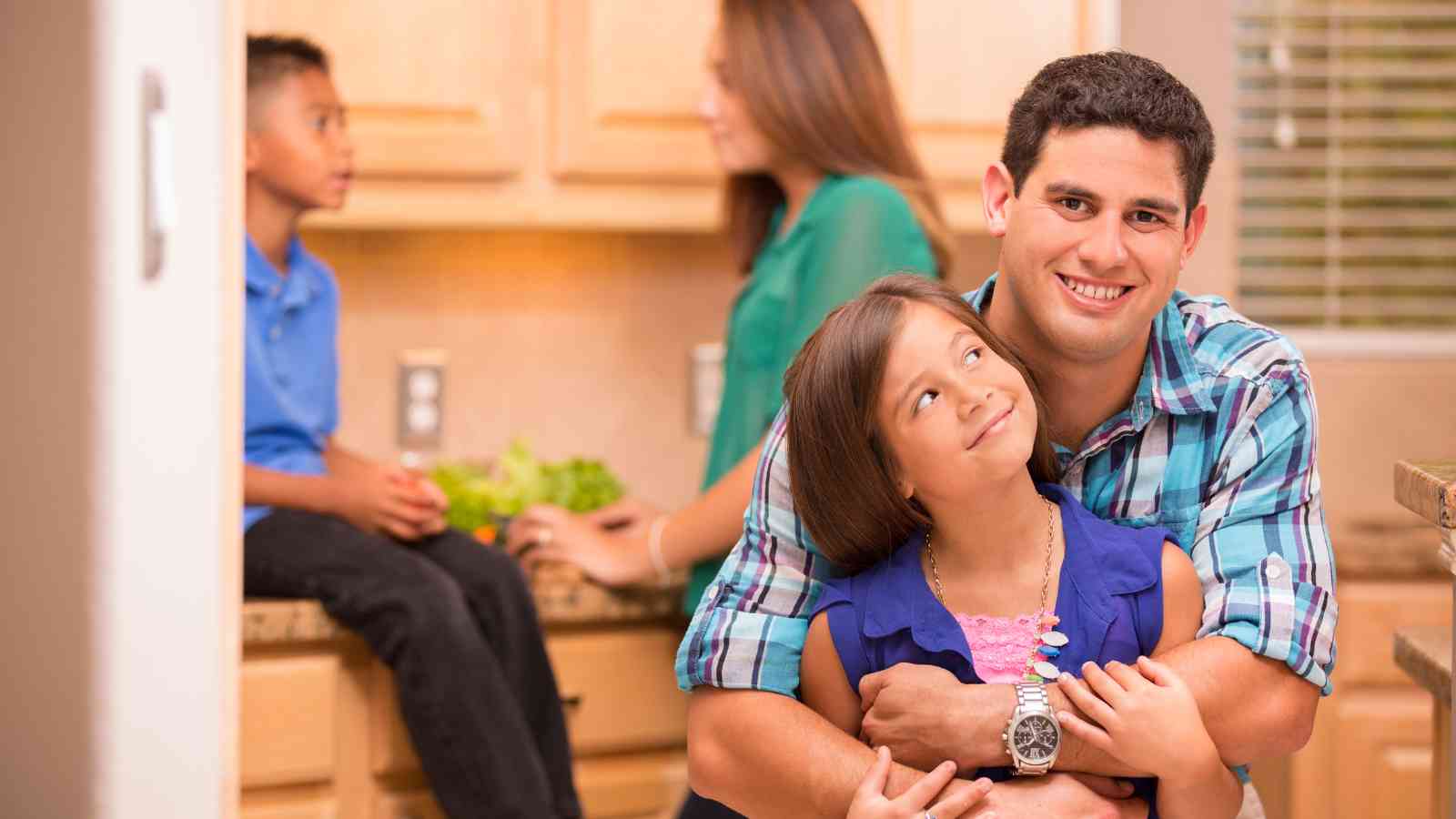
Feeling mad or hurt is normal—what matters is what they do with those feelings. When they hear that over and over, it gives them permission to feel without acting out. They learn to own emotions without using them as excuses. That difference changes how they approach conflict completely. It makes room for real growth instead of just punishment.
Teach Kids How to Walk Away Respectfully

Sometimes space is the healthiest choice, but slamming doors or yelling on the way out only adds fuel. Showing them how to leave calmly gives them power without causing harm. It turns walking away into a strength instead of a shutdown. They learn that stepping back doesn’t mean abandoning the problem—it means choosing peace in the moment. That skill helps them in so many parts of life, not just at home.
Give Them Private Time Apart After Long Togetherness
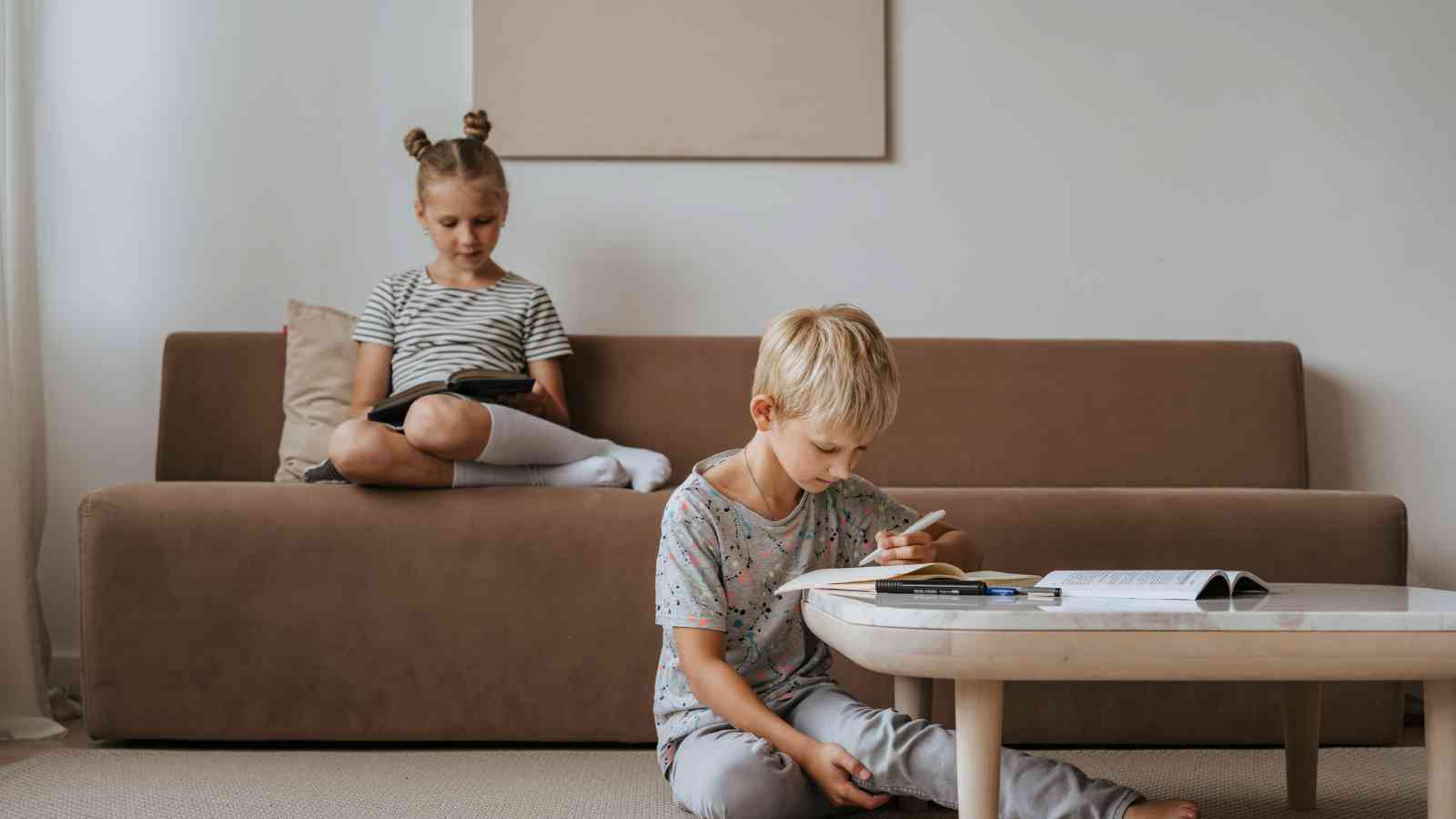
Too much togetherness can make even the closest siblings snap. Offering separate downtime lets everyone reset emotionally. It isn’t about punishment—it’s about giving their nervous systems a break. Just a bit of solo play often changes everything. You’ll notice they come back kinder, calmer, and more ready to be with each other again.
Remind Them That Repair Builds Trust

Relationships aren’t about being perfect—they’re about working through the hard stuff. When they fix a mistake with care, it strengthens their bond. Over time, those small repair moments build real trust. It helps them feel safe with each other, even when things go sideways. And honestly, isn’t that what we all want for our kids?
15 Things You’ll Miss When Your Kids Stop Needing You So Much

Here’s a list of things I deeply miss as my kids grow and stop needing me so much. These aren’t just memories, they’re pieces of you that quietly slip away as our kids grow more independent. Not because you want them small again, but because those fleeting pieces of closeness were filled with a kind of love nothing else can replace.
15 Mindset Shifts That Make Parenting Feel Less Exhausting

Here are 15 mindset shifts that truly make parenting feel less exhausting—and a whole lot more human. These mindset shifts aren’t magic tricks—they’re small changes in how you think, which slowly change how everything feels. And when you start seeing things from a lens of connection instead of performance, parenting feels less like a test you’re failing and more like a relationship you’re building.

Tamara Tsaturyan is the owner and writer of Thriving In Parenting, a website focused on providing simple tips for busy parents — easy and healthy recipes, home decor and organization ideas and all things P A R E N T I N G.

Share Your Thoughts!
I love to know your thoughts, make sure to comment below to start a discussion! You can also follow me on your favorite social network below.