Building focus in kids doesn’t happen overnight, and every parent knows how different each child can be when it comes to studying. Some kids thrive on structure, while others need a little more creativity to stay on track. It can feel overwhelming at times, but finding habits that truly fit your child makes the process less of a battle and more of a rhythm. Every small shift in environment or approach can have a lasting impact, even if it doesn’t feel huge in the moment. You don’t need expensive tools or complicated systems—just thoughtful adjustments that make sense for your family. When focus and study time feel more natural, kids gain confidence in their ability to handle schoolwork. And let’s be honest, that little bit of peace at homework time is something every parent deserves.

Create A Dedicated Study Space

Kids associate certain spaces with certain activities, so giving them one spot for studying helps their brain switch into learning mode faster. It doesn’t need to look like a classroom; even a cozy table corner works wonders if it’s consistent. Having a space that’s free of clutter reduces distractions and sets a calm tone for the task ahead. It’s less about perfection and more about consistency, which creates comfort and routine. Over time, that little space becomes a signal for focus.
Set A Regular Study Schedule

Routine gives kids a sense of security, and study time works best when it feels predictable. By setting the same time daily, their brain starts to prepare itself automatically for focus. A regular rhythm takes away arguments because it becomes part of the daily flow. You’ll often notice fewer complaints when expectations are clear and steady. Structure helps kids build discipline without feeling forced into it every single day.
Break Work Into Smaller Chunks

Long stretches of work can overwhelm even the most motivated kid. Dividing assignments into shorter parts keeps them from feeling defeated before they even begin. Kids build small wins with every finished section, which builds momentum for the next. Energy levels stay steady because the task doesn’t feel endless. It turns big projects into something much less intimidating.
Use Timers For Focus Sessions
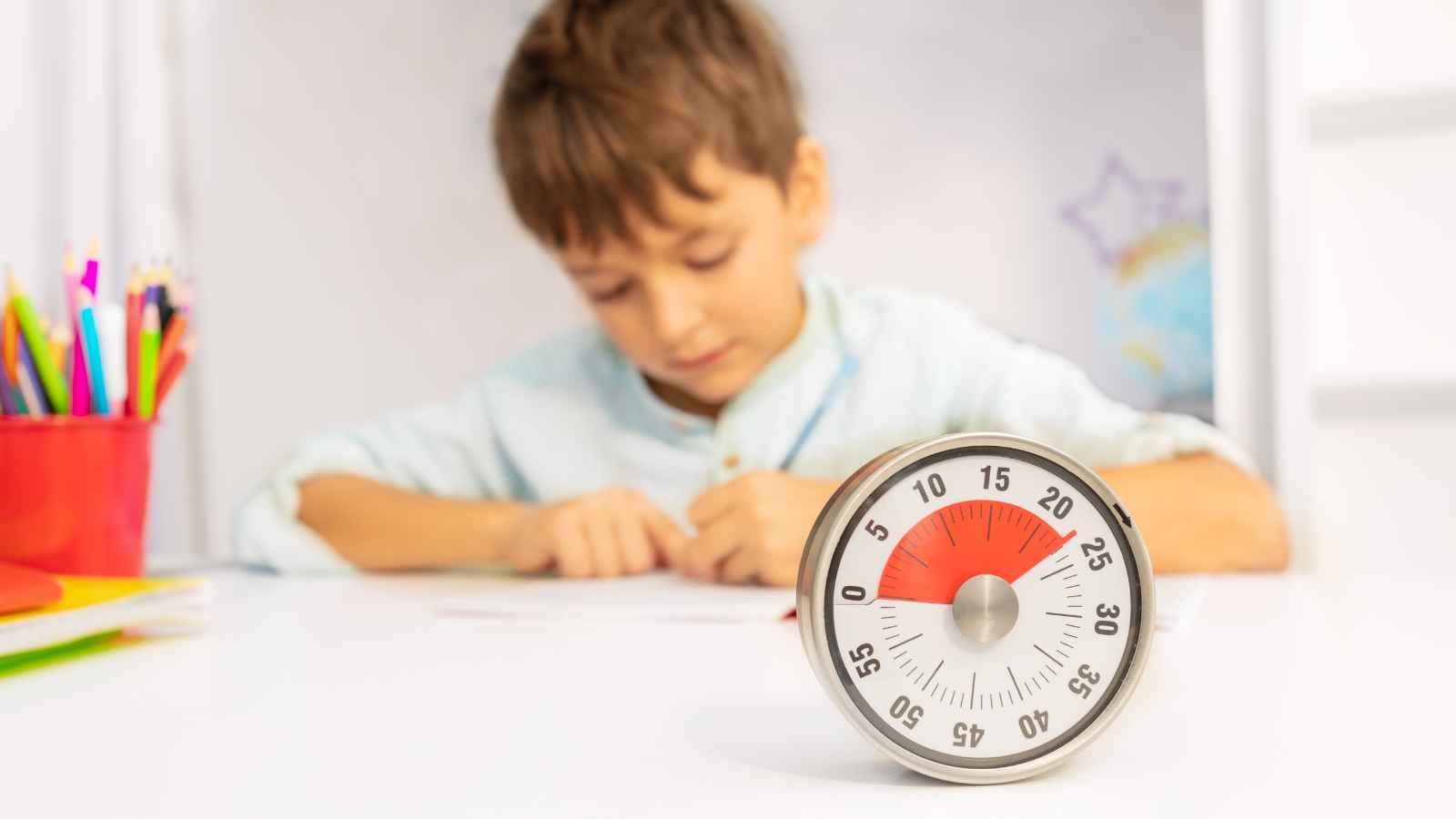
Timers give kids a finish line to look forward to, which makes the work feel more manageable. Setting a clear block of time removes the pressure of “working forever.” Kids learn how to stay focused in short bursts without burning out. Parents often find that kids push themselves a little harder when they know a break is just around the corner. It’s an easy way to bring structure without constant reminders.
Start With The Hardest Task First

Mental energy is highest at the beginning, so that’s the best time to tackle tough assignments. Once the hardest subject is out of the way, everything else feels lighter and less stressful. Kids build confidence knowing they already conquered the biggest hurdle. Parents also notice fewer battles later in the evening when energy is running low. It’s a habit that teaches resilience and smart time use.
Encourage Short Movement Breaks

Bodies weren’t designed to sit still for hours, especially not kids’ bodies. Short breaks with a little movement give their brains a reset button. A stretch, quick dance, or even walking to grab water brings them back sharper and more ready to continue. It also prevents the fidgeting and restlessness that usually end up derailing study time. Moving in between tasks keeps the energy balanced.
Minimize Digital Distractions

Screens are powerful temptations, and even a quick glance can spiral into lost focus. Keeping phones, tablets, or game consoles away during study time protects that focus window. Kids learn how to work without relying on constant digital stimulation. Parents sometimes need to adjust their own habits here, too, which sets a great example. It’s about creating an environment where concentration is easier to hold onto.
Keep Supplies Within Reach

Nothing breaks concentration faster than having to hunt for a pencil or notebook. A well-stocked supply area means less wasted time and fewer excuses to wander away. Kids feel more prepared when everything they need is right in front of them. Parents save themselves from constant interruptions to grab missing items. It creates smoother, more efficient study sessions overall.
Review Notes Right After Class

Looking over notes while the material is still fresh makes a huge difference in what sticks. Even a quick skim helps kids lock in what they just learned. Homework becomes easier later because the ideas already feel familiar. Parents often notice less frustration when review happens early. It’s a small step that pays off big in memory retention.
Teach Goal-Setting Skills

Kids respond well to clear, specific goals instead of vague directions. Small steps like finishing a worksheet or completing one section give them purpose. Crossing off tasks creates a sense of accomplishment that fuels motivation. Parents can help by celebrating progress without overdoing it. Over time, kids begin to set goals for themselves, which builds independence.
Encourage Active Learning

Passive studying often slips right out of memory, while active engagement cements it in place. Quizzing themselves, teaching you a concept, or drawing it out makes studying more interactive. These methods turn learning into participation instead of memorization. Parents can join in briefly without taking over, just to help kids explain their thoughts out loud. It becomes less about memorizing and more about truly understanding.
Make Sleep A Priority

A tired brain simply cannot focus, no matter how hard you push. Consistent sleep gives kids energy, focus, and memory strength for schoolwork. A set bedtime routine signals their body to wind down. Parents often see a clear difference in mood and motivation when sleep is steady. Without rest, every other habit on the list struggles to work.
Stay Hydrated And Snack Smart

Hydration and balanced snacks fuel steady concentration better than sugar rushes. Water and simple foods like fruit, cheese, or nuts keep energy even. Kids avoid the crash that comes with sweets, which makes homework smoother. Parents can prepare small grab-and-go options to make this easier. A nourished body makes for a clearer, calmer mind.
Model Good Study Behavior

Children learn far more from what parents do than from what they’re told. When they see you reading, working, or organizing, they start to mirror those habits. It shows them that focus and effort aren’t just for kids—they’re part of everyday life. Parents don’t need to study alongside them constantly; small examples are enough. That modeling sticks with them long after the homework years.
Teach Kids How To Ask For Help

Struggling in silence can lead to frustration and wasted time. Teaching kids that it’s okay to speak up gives them a sense of security. Parents can encourage questions without judgment, which makes kids braver about admitting when they’re stuck. Learning to ask for help builds resilience instead of dependence. It’s about creating trust that support is always available.
Reflect On What Works Best

No two kids focus the same way, so reflecting on what works best is essential. Some thrive with music, while others need silence; some like mornings, others do better at night. Encouraging kids to notice these patterns helps them take ownership of their learning style. Parents can guide the reflection without dictating the outcome. That awareness builds self-confidence and independence.
Use Positive Reinforcement

Celebrating small wins encourages kids to keep going. A simple high-five or kind word after finishing a task makes effort feel valued. Parents don’t need to hand out big rewards—recognition itself builds motivation. Over time, kids learn to connect focus with a sense of accomplishment. Encouragement creates a cycle that keeps them engaged in studying.
Keep Study Sessions Consistent But Flexible

Consistency matters, but so does knowing when to bend a little. Some days may need shorter sessions or a change in timing. Allowing a bit of flexibility keeps study time from feeling like punishment. Parents often notice fewer battles when kids know adjustments can happen. Balance makes the routine sustainable long-term.
Encourage Kids To Teach Back What They Learn

Explaining material in their own words shows whether kids truly understand it. Teaching you a concept or walking through a problem reinforces memory. It’s a great way for kids to process information actively instead of just repeating it. Parents can listen and ask gentle questions to spark deeper thinking. That habit builds confidence in their knowledge.
Limit Multitasking During Study Time

Juggling too many things at once splits attention and weakens focus. Encouraging kids to stick with one task at a time helps them finish faster and better. Multitasking often feels productive, but it actually slows progress. Parents can set the tone by showing how to work on one thing fully before moving on. Kids learn that single-tasking brings stronger results with less stress.
15 Signs Your Kid Is Stressed (That Most Parents Miss)

Recognizing these signs early is crucial so you can guide them toward managing their emotions. With patience, understanding, and the right support, you can help them navigate it in a healthy way. The key to helping them isn’t just about telling them to relax—it’s about identifying their struggles and providing the right support. You don’t have to have all the answers—just being there, listening, and offering a safe space makes all the difference.
20 Little Habits That Make Kids Feel Unheard (Without You Realizing It)

Kids notice even the smallest moments when they’re not being heard. Even when there’s no yelling, no dismissiveness, no outright rejection, something subtle can make them feel invisible. And over time, if those moments pile up, they start to believe their thoughts aren’t worth sharing. You don’t have to agree with everything they say, and you don’t have to fix every problem. But when they feel like their voice matters, it builds something deeper than just “good communication”—it builds trust. Here’s a list of little habits that can quietly make them feel unheard, even if you didn’t mean to—and what to keep in mind so they always know you’re listening.

Tamara Tsaturyan is the owner and writer of Thriving In Parenting, a website focused on providing simple tips for busy parents — easy and healthy recipes, home decor and organization ideas and all things P A R E N T I N G.

Share Your Thoughts!
I love to know your thoughts, make sure to comment below to start a discussion! You can also follow me on your favorite social network below.