Having two or more kids not only doubles the love and chaos, but also doubles the pressure to keep everything fair. You’re constantly splitting time, attention, and energy, yet no matter how hard you try, kids have a way of noticing even the tiniest imbalance. They may not always say it out loud, but deep down, they measure the fairness in hugs, in rules, in how much you laugh at their jokes. No parent sets out to play favorites, yet subtle actions can paint a different picture in their little hearts. Recognizing those patterns isn’t about guilt—it’s about making sure each child feels equally valued and cherished. When you become aware of these small but powerful ways favoritism sneaks in, you’re already doing the hard work of parenting with love and awareness.
Giving More Praise to One Child

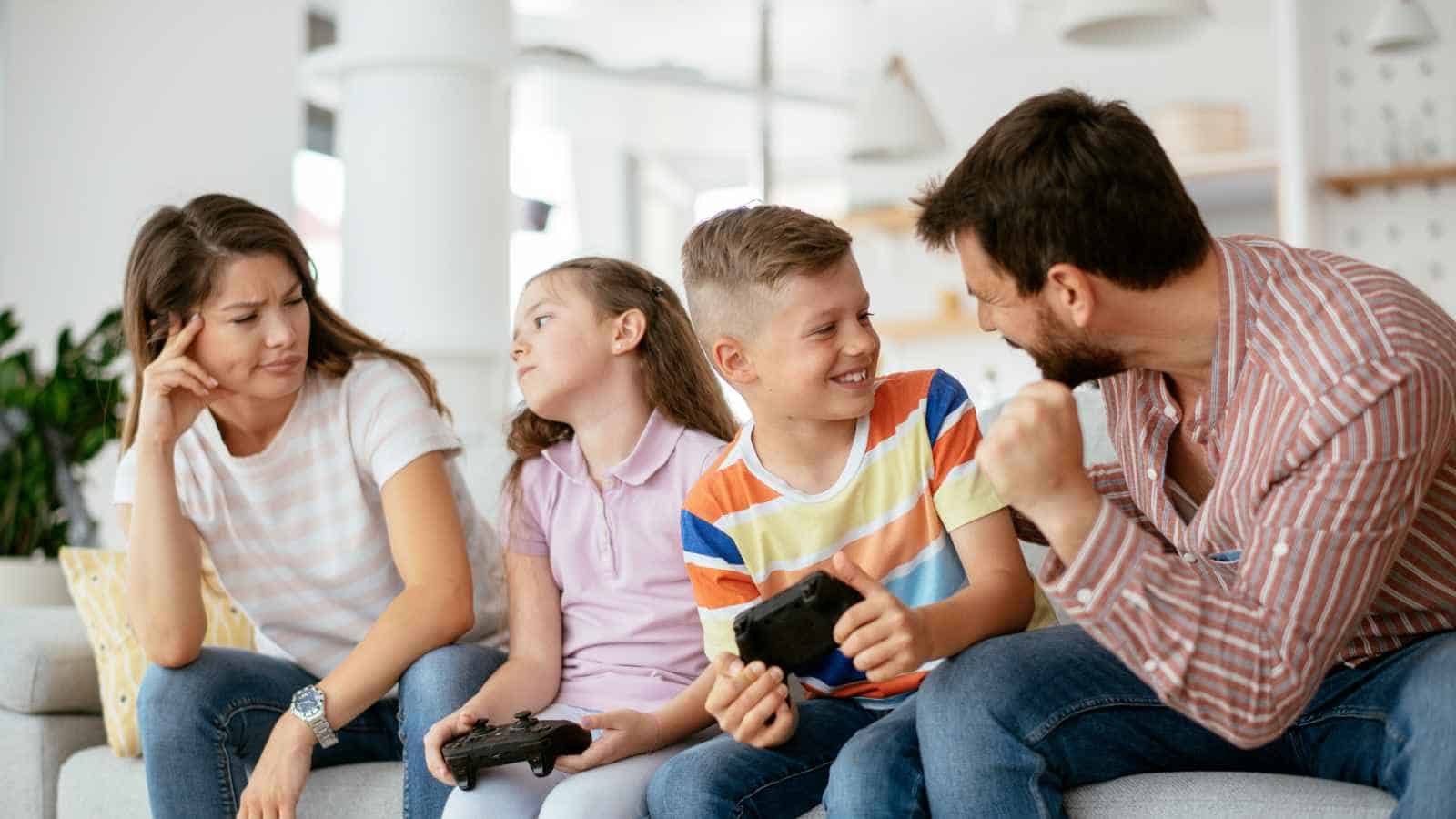
Pride shines differently when compliments lean heavily toward just one kid. Recognition feels like fuel for them, and when it’s not evenly shared, the balance tips quickly. A sibling watching quietly from the sidelines can sense that uneven spark, even when you didn’t mean it that way. Catching yourself and spreading words of encouragement more equally builds confidence in both kids. It’s less about the actual achievement and more about showing them you see each of their efforts clearly.
Offering More Leniency on Rules

Rules are like invisible boundaries kids depend on, and when one has looser limits, the difference cuts deeper than you think. Staying up later or bending bedtime for just one child feels like a privilege that stands out. Even without words, the other child can feel the imbalance. Consistency in rules gives them both security, even if their personalities are different. Fairness in structure tells them your love isn’t divided by leniency.
Assigning Chores Unevenly

Household tasks may seem harmless, but kids notice who always carries the heavier load. When chores feel lopsided, resentment builds quicker than you expect. Children connect fairness at home with fairness in love, even if the two aren’t linked. Rotating responsibilities helps them see balance in both work and recognition. Fair division of tasks teaches them teamwork rather than favoritism.
Comparing Siblings Out Loud

Words carry a heavy weight when comparisons slip through. Even the smallest comment about one being quicker, stronger, or tidier can leave the other child feeling less than. The truth is, every child has their own rhythm and magic, but comparisons blur that uniqueness. Keeping praise individualized reminds them they’re valued for who they are, not in competition with their sibling. It’s about celebrating them without turning it into a silent scoreboard.
Spending Extra One-on-One Time with One Child
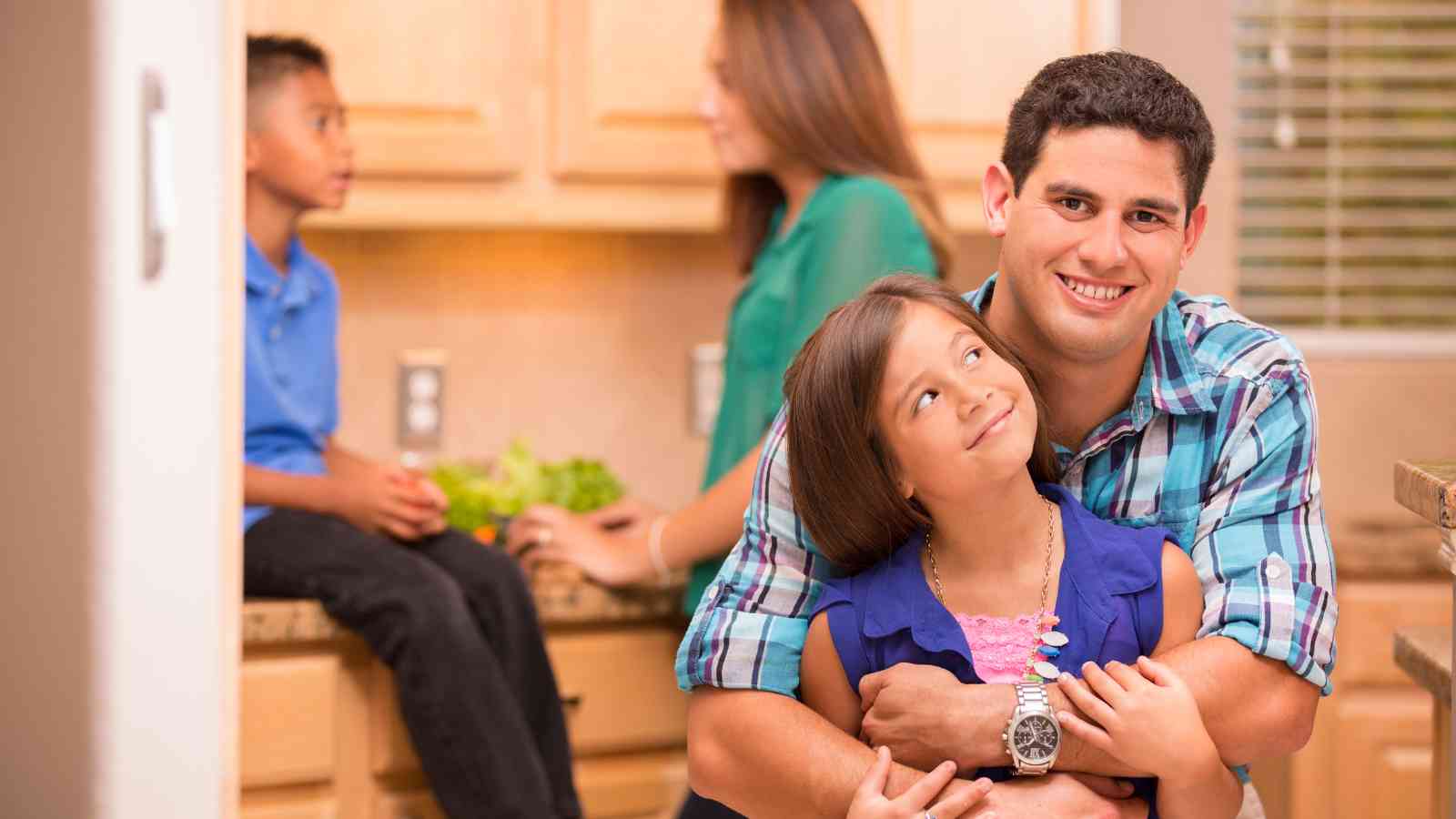
Special time feels like a treasure to kids, and when it stacks unevenly, the difference stings. Even if unintentional, one child may quietly wonder why they don’t get the same chances. Balancing those little pockets of attention shows that each deserves your presence fully. It’s not about clocking hours but about the feeling that they each hold a part of your heart. Equal intentional time leaves them both secure in your love.
Showing More Interest in One Child’s Hobbies

Passion looks brighter when parents cheer from the sidelines or show excitement about an activity. But when one hobby consistently gets applause while the other barely gets noticed, a gap forms. Kids don’t just want to be good at something—they want to feel their parents are proud of it. Even if you don’t share the same interest, giving effort to show curiosity matters deeply. That effort says their world is worth your attention.
Talking About One Child’s Achievements More
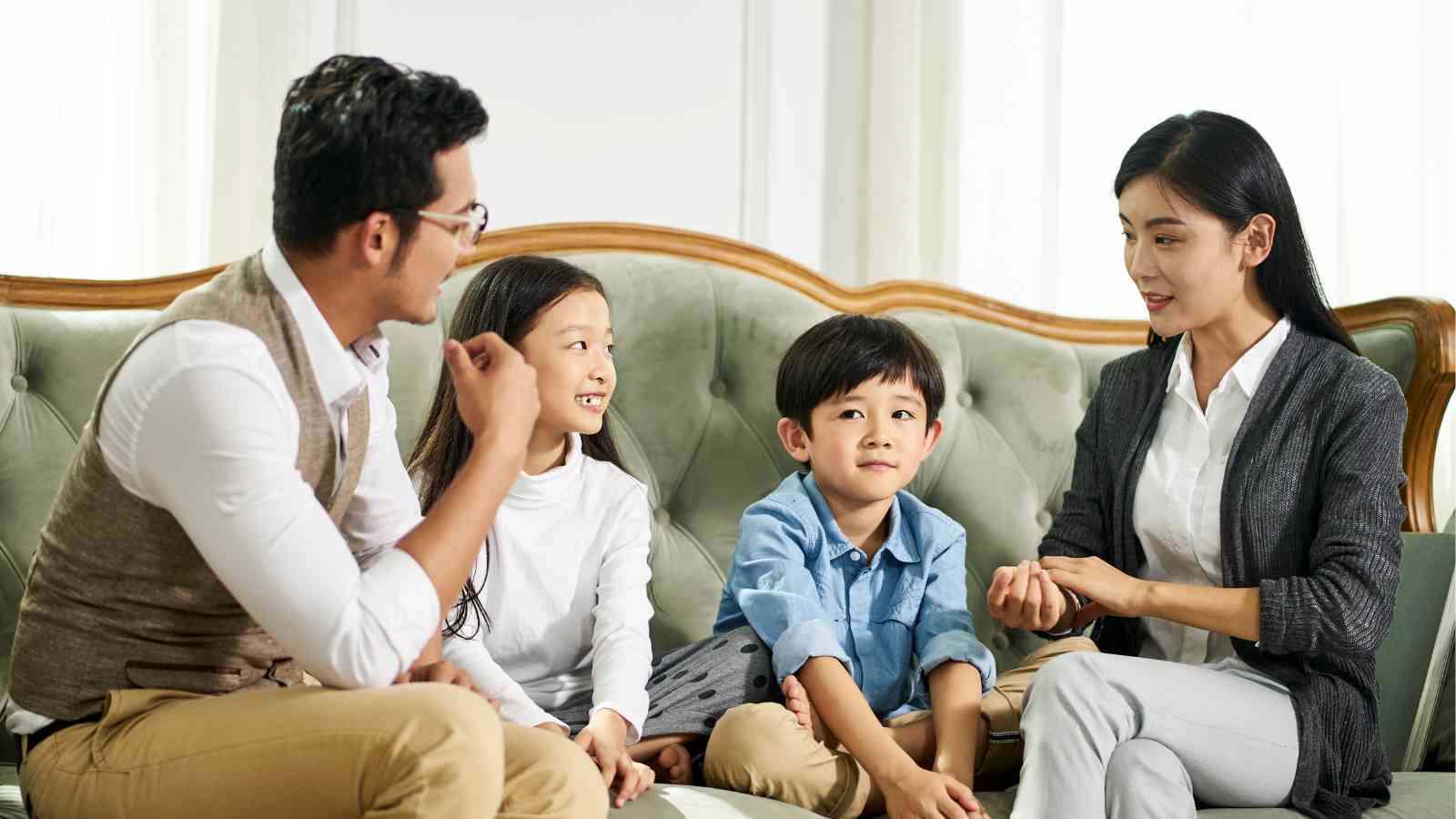
Family conversations often circle back to what’s celebrated most. If one child’s report card, recital, or game always takes the spotlight, the other may feel invisible. Kids don’t just listen to your stories—they count how often their own moments make it into them. Balancing the narrative helps them both feel recognized beyond closed doors. They crave knowing that their victories—big or small—are equally memorable to you.
Giving More Freedom and Privileges

Freedom carries weight when one child seems to earn it faster than the other. Whether it’s staying out later, having more choices, or fewer rules, kids notice the difference. Even when age gaps play a role, favoritism can sneak into how privileges are handed out. Making the reasoning clear and balancing opportunities over time helps them trust your fairness. They value knowing privileges are about growth, not preference.
Siding With One Child During Arguments

Arguments between siblings can be exhausting, but always leaning toward one child creates an invisible scoreboard. Kids measure those moments and remember who gets defended most. Taking time to hear both sides evenly sends the message that you care about fairness. Neutrality helps both children feel valued instead of one being “right” by default. It’s not about winning—it’s about feeling equally heard.
Offering More Comfort When Upset

Tears look different depending on which child is shedding them, and sometimes comfort flows more naturally to one. Kids sense those patterns and keep track of who gets the softer landing. Even if one tends to bounce back faster, they still need reassurance that their emotions matter too. Spreading comfort fairly helps both children feel equally safe in your care. Every hug reinforces the idea that their feelings are important to you.
Overlooking Bad Behavior in One Child

Discipline shapes values, but when one child slips by without consequences, the imbalance grows. The other child may feel rules apply only to them, which chips away at trust. Even if the quieter sibling gets away with more, fairness demands accountability for all. Equal standards remind them that rules aren’t about punishment but about guiding them with love. Consistency reinforces the idea that no one is above the expectations set for your family.
Asking One Child for Help More Often

Leaning on one child for extra help can unintentionally feel like piling on responsibility while the other gets a pass. Even if that child is more capable or willing, the difference doesn’t go unnoticed. Kids connect “helping more” with carrying more weight in your eyes. Rotating those little tasks makes both feel like equal contributors to the family. Balance shows them that each role matters, no matter how big or small.
Apologizing More Quickly to One Child

Parents make mistakes, and apologies matter. But if one child hears “I’m sorry” more often while the other rarely does, the difference cuts deep. Kids notice when humility flows more easily in one direction. Apologizing evenly shows both children that respect goes both ways. It teaches them fairness not only in love, but in accountability.
Using One Child as the “Example” Too Often

Holding up one sibling as the model for behavior sets a tone the other can’t escape. The child praised as the standard might feel pressured, while the other feels like they’re always falling short. It may seem harmless in the moment, but it creates invisible lines between them. Highlighting unique strengths instead of constant comparisons makes everyone feel seen. Every child deserves to shine in their own lane without being measured against a sibling.
Trusting One Child’s Word More

In disagreements, leaning more heavily on one child’s version of events can quietly create a sense of favoritism. Even without realizing it, you may give more credibility to the sibling who speaks up louder or seems more convincing. The other child, left unheard, may feel dismissed or overlooked. Taking both voices seriously builds trust on all sides. It shows that honesty matters equally, no matter which child it comes from.
Bragging More About One Child to Others

Proud moments often slip into conversations with friends or relatives, but if one child’s name pops up more, the imbalance is clear. Even if you don’t mean harm, the other child quietly notices the silence about them. Kids connect bragging with pride, and uneven pride feels like uneven love. Balancing those moments reminds them both that their achievements matter equally. It’s about making each child feel like a source of joy in your life.
Celebrating Milestones Unequally

First steps, graduations, or little achievements can accidentally get celebrated bigger for one child. Over time, the other sibling feels like their milestones aren’t worth the same excitement. Kids remember how much you cheer, not just what you’re cheering for. Spreading enthusiasm evenly tells them both their growth is equally important. Every milestone deserves the same joy in your eyes.
Allowing More Independence to One Child

Encouraging independence is wonderful, but if one child is trusted more often, it becomes noticeable. The sibling who gets held back may feel underestimated. Kids equate independence with trust, and unequal trust cuts deeply. Finding balance in responsibilities builds confidence in both. Equal chances to prove themselves show you believe in each of them equally.
Giving More Physical Affection to One Child

Hugs, kisses, and snuggles may flow naturally toward one child, but the difference can feel like a gap for the other. Even small differences in affection add up in a child’s heart. Love feels most real when it’s shown consistently in actions, not just words. Spreading physical closeness reassures them both of your equal care. It’s a reminder that each child deserves the same warmth from you.
Using One Child as the Peacemaker

When conflict arises, asking one sibling to always be the “bigger person” can weigh heavily on them. Over time, they may feel responsible for keeping the peace, while the other child avoids accountability. That imbalance plants seeds of resentment, even if they don’t say it out loud. Sharing the responsibility of apologies and reconciliation keeps things fair. Both children need to know it isn’t one person’s job to carry harmony for everyone.
15 Reasons Millennials Are Stopping at Two Kids

This generation of parents is choosing balance over burnout, presence over pressure, and honesty over expectation. And if two kids are where you stop, that doesn’t mean something’s missing—it might just mean you’ve found your version of enough.
20 Strategies to Help Siblings Learn Conflict Resolution (Not Just “Say Sorry”)

Conflict resolution is about so much more than apologies—it’s about giving kids the tools to understand themselves and each other. Here are 20 thoughtful strategies you can actually use to help your kids build real conflict resolution skills—not just in the moment, but for life. May these help shape how your kids relate to each other for life—not perfectly, not without bumps, but with more connection and way less chaos.

Tamara Tsaturyan is the owner and writer of Thriving In Parenting, a website focused on providing simple tips for busy parents — easy and healthy recipes, home decor and organization ideas and all things P A R E N T I N G.
Share Your Thoughts!
I love to know your thoughts, make sure to comment below to start a discussion! You can also follow me on your favorite social network below.