Snow days have a way of stretching everyone’s emotions a little thinner than expected. What looks cozy from the outside can feel loud, unpredictable, and mentally exhausting once the day actually unfolds. Kids feel the shift immediately, and you’re often the emotional anchor holding everything together. What helps most isn’t controlling every moment, but creating just enough structure to keep things from tipping over. Here are 20 simple, realistic things you can do to help reduce snow-day meltdowns and keep the day feeling more manageable for everyone. When you focus on emotional steadiness instead of a “perfect” day, everyone ends up feeling more regulated—including you.

Set Expectations the Night Before

Talking things through ahead of time gives the day a softer landing. When expectations are shared early, you’re not negotiating everything in real time. Kids feel calmer knowing what’s coming, even if plans stay simple. That clarity helps excitement stay manageable instead of boiling over. You also get the relief of starting the day on the same page.
Keep Wake-Up Times Somewhat Normal

Morning rhythms matter more than they seem. Letting sleep stretch a bit still keeps the body clock from completely flipping. Kids tend to regulate better when mornings don’t feel chaotic. You’ll likely notice fewer emotional spikes later on. That familiar start helps anchor the whole day.
Get Dressed Early—Even If Staying Home

Changing clothes quietly signals that the day has begun. It brings structure without taking away comfort. Kids often shift into a more cooperative mindset once pajamas are off. You might feel more grounded too, even without leaving the house. That small routine keeps the day from feeling endless.
Serve Easy, Familiar Breakfasts

Comfort foods offer emotional grounding first thing. Familiar meals remove unnecessary decisions and stress. Kids feel safe when mornings start predictably. You conserve energy by keeping it simple. That calm beginning often carries through the day.
Build Outdoor Time Into the Plan

Movement gives big emotions somewhere to go. Even a short stretch outside can change the mood fast. Kids come back more regulated after using their bodies. You’ll often feel the shift immediately. That release helps everything afterward feel easier.
Set a Clear End Time for Outdoor Play

Clear endings help transitions feel less abrupt. When limits are named ahead of time, resistance tends to soften. Kids respond better when expectations aren’t a surprise. You avoid the emotional crash that comes with sudden stops. Predictability makes coming back inside smoother.
Have Dry Clothes Ready Before Kids Come In

Warmth and comfort play a huge role in emotional regulation. Wet clothes can unravel patience quickly. Having everything ready helps kids settle faster. You skip the stress of scrambling at the wrong moment. That preparation prevents unnecessary meltdowns.
Plan One Anchor Activity

One main plan gives the day a sense of direction. Kids enjoy having something steady to look forward to. You avoid the pressure of filling every hour. Flexibility stays intact without boredom taking over. That balance keeps energy from spiraling.
Lower Productivity Expectations

Letting go of the to-do list changes the tone immediately. Kids pick up on stress even when nothing is said. When expectations drop, everyone breathes easier. You give yourself permission to focus on connection instead. That mindset alone reduces tension.
Offer Structured Screen Time, Not Unlimited Access

Screens work best when boundaries feel clear and calm. Defined start and stop points prevent constant negotiations. Kids relax more when rules stay consistent. You step out of the role of enforcer. That structure keeps screens helpful instead of overwhelming.
Keep Snacks Consistent

Energy dips often show up as emotional blowups. Regular snacks help moods stay steady. Kids feel secure knowing food isn’t unpredictable. You avoid sudden crashes that feel impossible to fix. That rhythm supports emotional balance all day.
Give Kids Small Jobs

Helping out builds confidence and connection. Simple chores give kids a sense of control. You’ll often notice fewer power struggles afterward. Feeling useful changes the dynamic quickly. That shared responsibility brings cooperation instead of resistance.
Use Timers Instead of Constant Reminders
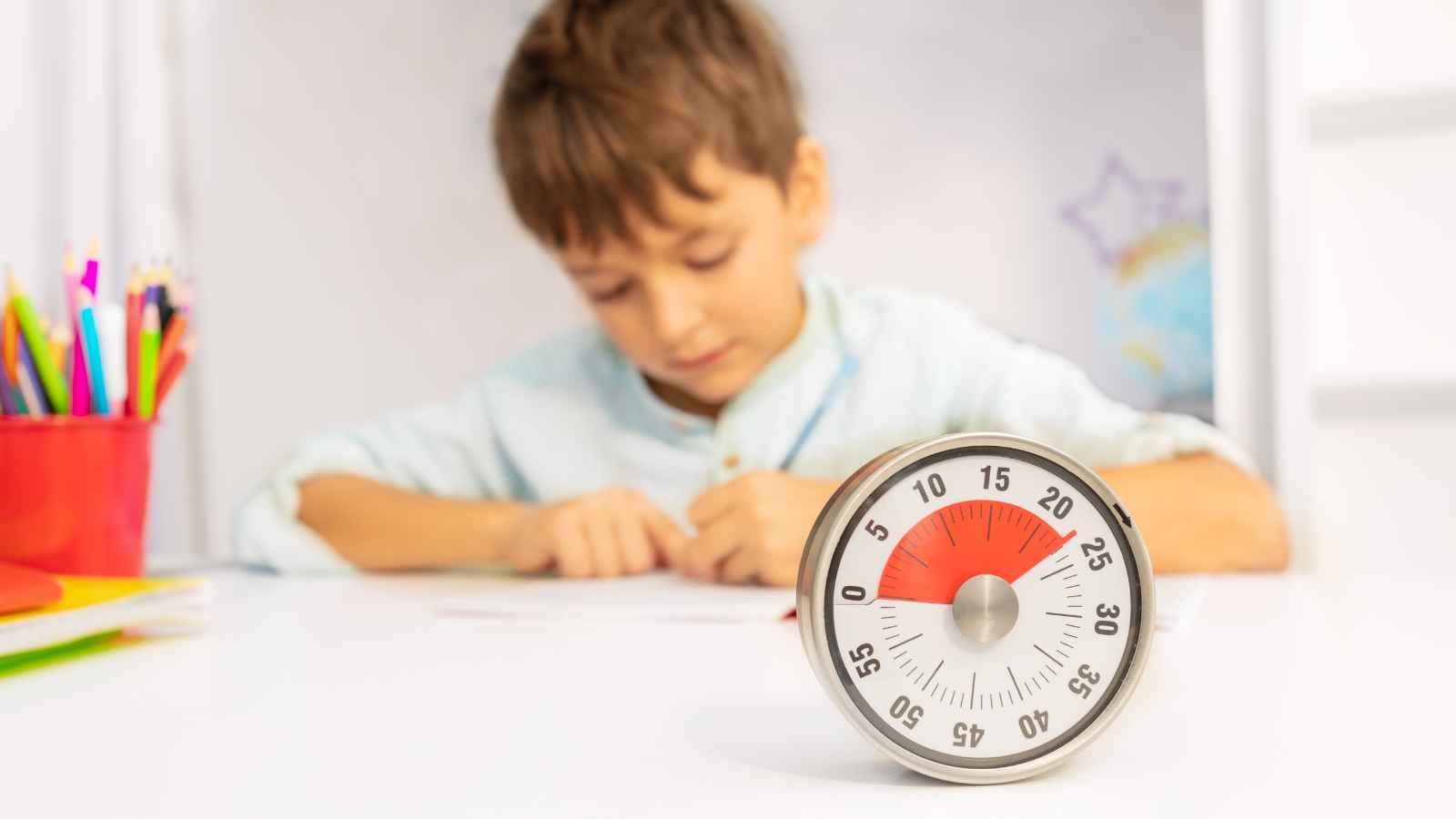
Timers take emotion out of transitions. Kids respond better to neutral cues than repeated prompts. You don’t have to be the “bad guy” every time. Clear signals feel fair and predictable. That shared system lowers tension fast.
Expect Emotional Whiplash

Big feelings can rise and fall quickly on days like these. Knowing that ahead of time helps you stay grounded. Kids aren’t being difficult—they’re adjusting. When reactions aren’t taken personally, things stay calmer. That awareness prevents escalation.
Build In Quiet Time—Even for Kids Who Resist It

Downtime gives nervous systems a reset. Silence and solo play balance out stimulation. You’ll often notice calmer behavior afterward. Kids may push back at first but benefit deeply. That pause helps the rest of the day flow better.
Repeat the Plan When Things Go Sideways

Familiar words bring stability during emotional moments. Calmly restating what’s next helps kids regroup. You stay regulated by sticking to the plan. Consistency feels reassuring when emotions run high. That steadiness restores balance.
Keep Dinner Simple

Evenings hit harder after a full day of emotions. Easy meals reduce mental overload. You save energy for connection instead of decisions. Kids benefit from a calmer tone at the end of the day. Simplicity keeps nights smoother.
Stick to Bedtime Routines as Much as Possible

Familiar endings help kids feel safe. Consistent routines signal closure and calm. You protect the next day by prioritizing rest. Structure matters more than flexibility here. That rhythm supports emotional recovery.
Model Calm When Frustration Shows Up

Kids learn emotional regulation by watching you. A steady tone communicates safety. Pausing before reacting makes a difference. You show that feelings can exist without taking over. That modeling sticks long after the day ends.
Give Yourself Permission to Be Imperfect

Pressure to make the day special only adds stress. Kids need presence more than perfection. Letting go creates space for real connection. You deserve grace too. Emotional safety matters more than getting everything right.
15 Things to Do When You’re Parenting on Empty

If you’re in that place where you feel like you’re holding it all together with a hair tie and a prayer, this list is for you. Not to fix anything, not to add more pressure—but to remind you that you matter, too. These small, honest steps are here to help you feel more like you again, even when everything feels heavy. You may not get a break from parenting, but you can find small but powerful ways to reset. While the world might tell you to “push through,” what you really need is a second to stop and just feel human again.
18 Things That Make You Feel Like a Bad Parent (But Don’t Matter As Much)

Here are just a few things that feel big in your mind but won’t matter nearly as much in the long run—if at all. They’re not keeping track of forgotten theme days or how many times dinner came in a paper bag. They’re looking at how safe they feel with you. How they’re hugged, how they’re heard, how they’re loved.

Tamara Tsaturyan is the owner and writer of Thriving In Parenting, a website focused on providing simple tips for busy parents — easy and healthy recipes, home decor and organization ideas and all things P A R E N T I N G.

Share Your Thoughts!
I love to know your thoughts, make sure to comment below to start a discussion! You can also follow me on your favorite social network below.