Eating a heart-healthy diet is key to managing cholesterol levels and improving overall health! Here’s a list of top foods that not only taste great but also support your heart and help maintain a healthy cholesterol balance naturally. Various foods can reduce cholesterol in different ways. Some provide soluble fiber, which binds to cholesterol and its precursors in the digestive system, helping to remove them from the body before they enter the bloodstream. Others offer polyunsaturated fats, which can directly lower LDL cholesterol. Additionally, some foods are rich in plant sterols and stanols that prevent the body from absorbing cholesterol. Incorporating these cholesterol-busting foods into your daily meals can make a big difference in your health!

Oats

Oats are packed with soluble fiber, which can help reduce LDL cholesterol levels. This type of fiber forms a gel-like substance in the gut, which binds to cholesterol and removes it from the body. Eating a bowl of overnight oats for breakfast or adding oats to smoothies can provide a daily dose of heart-healthy fiber. Regular consumption can lead to significant improvements in cholesterol levels.
Whole Grains
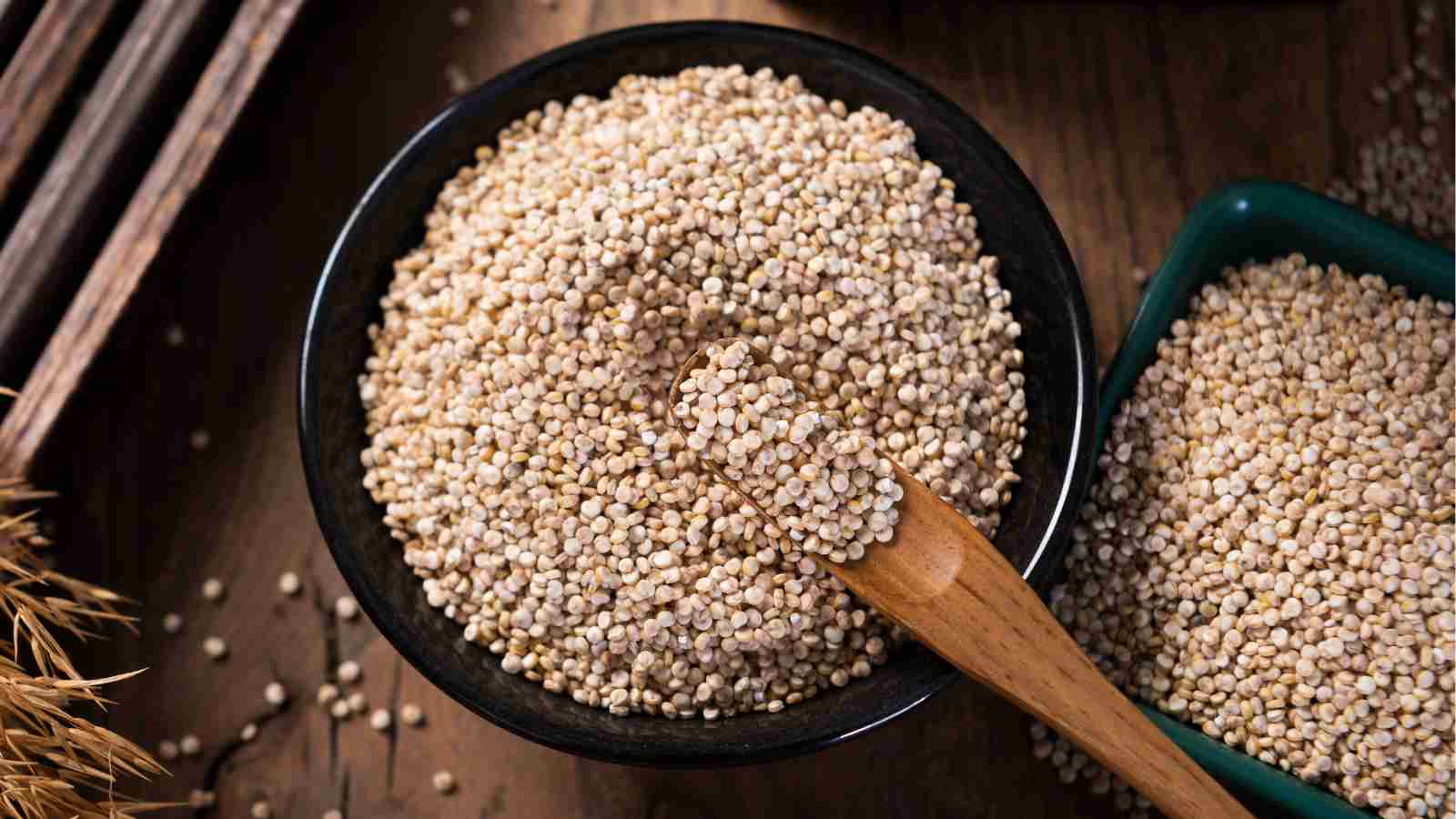
Whole grains like brown rice, barley, and quinoa are rich in fiber, healthy carbs, and nutrients that contribute to lower cholesterol levels. The fiber in whole grains helps prevent the absorption of cholesterol into the bloodstream. Switching from refined grains to whole grains in your meals can aid in lowering LDL cholesterol and improving heart health.
Nuts
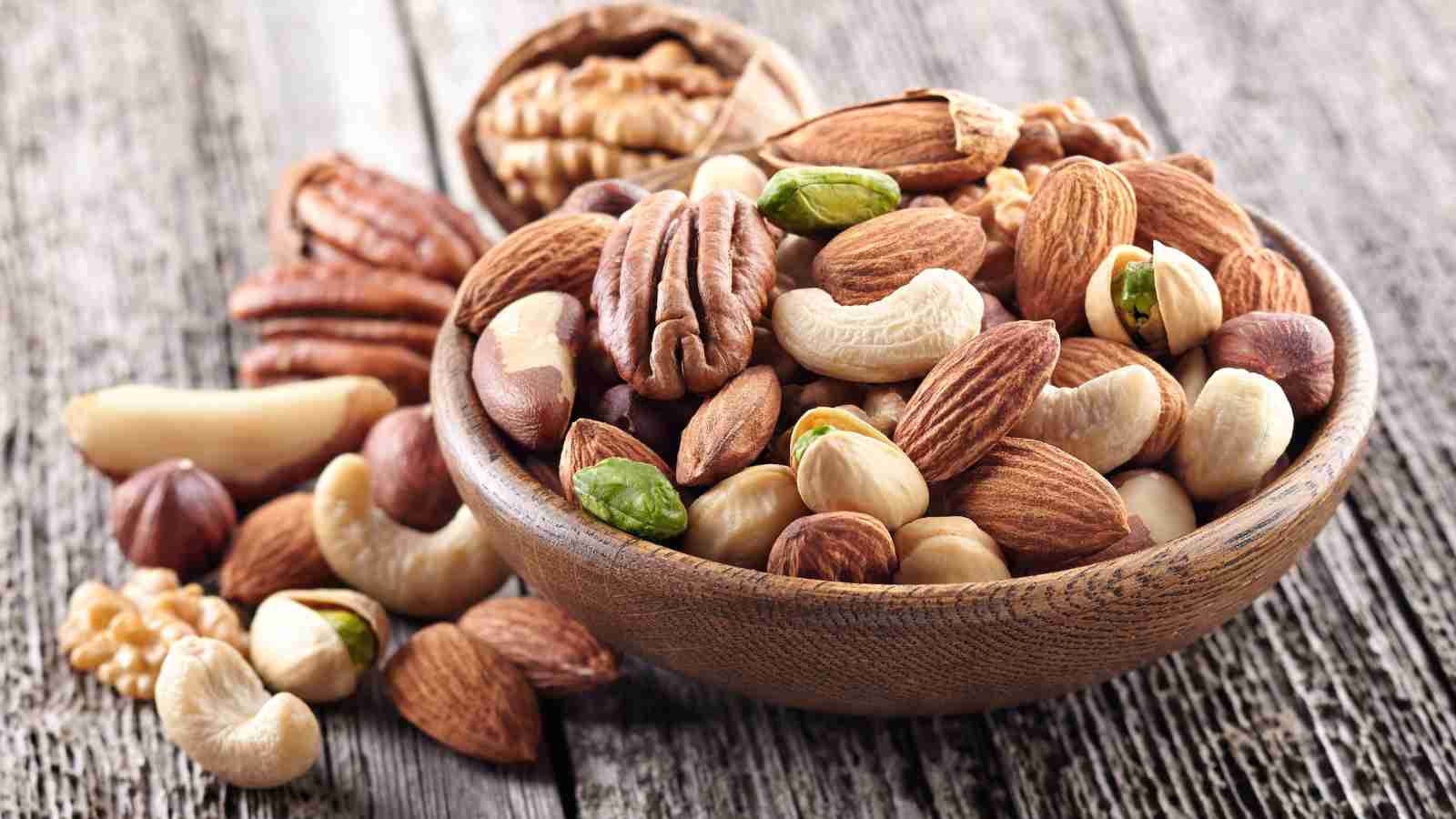
Nuts such as almonds, walnuts, and pistachios are known for their heart-healthy fats. These fats help improve cholesterol levels by increasing HDL cholesterol and lowering LDL cholesterol. Nuts are also a good source of fiber and plant sterols, which help in reducing cholesterol absorption. Nuts also contain magnesium and melatonin, which can promote better sleep.
Vegetable Oils
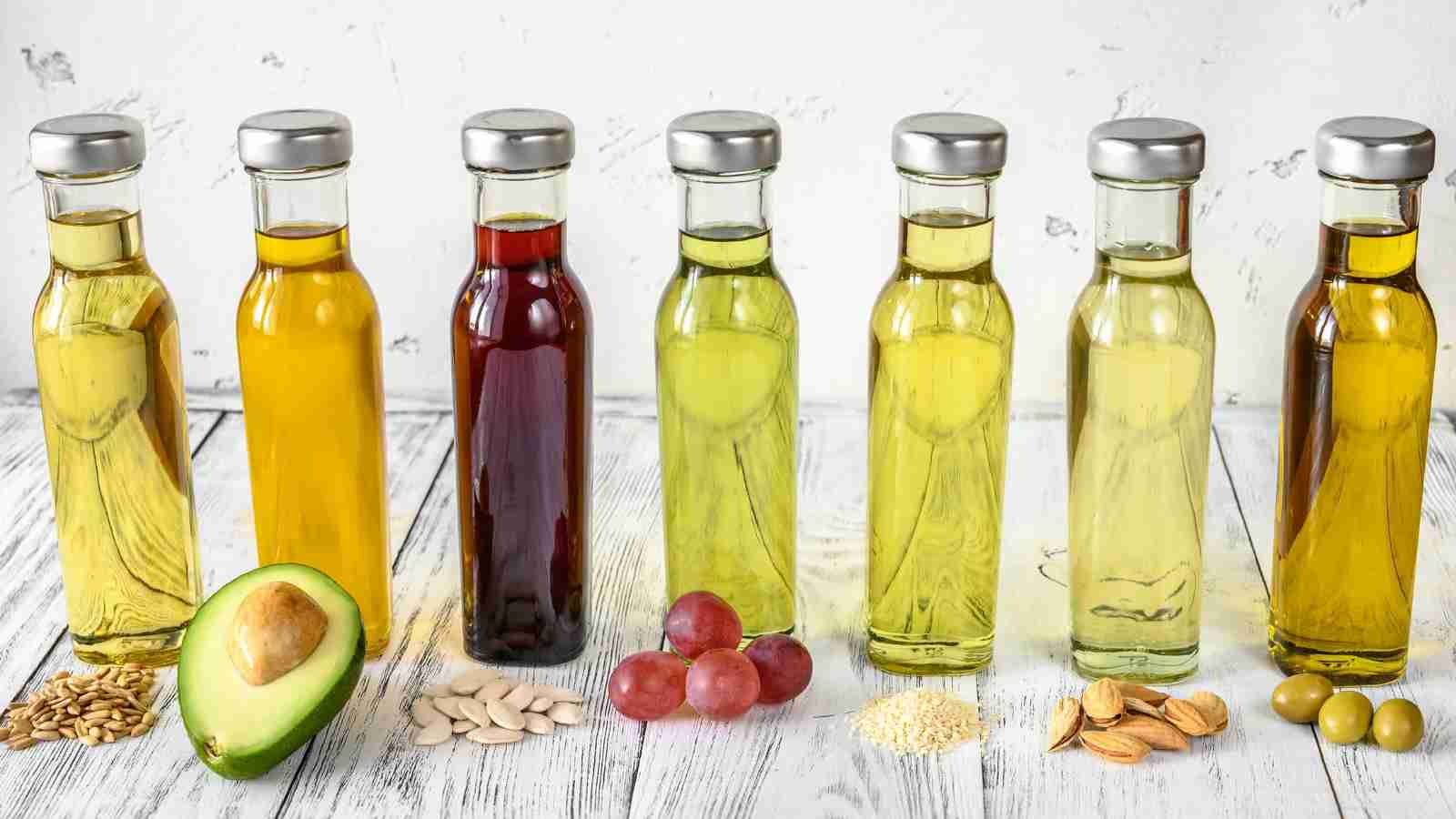
Replacing saturated fats with vegetable oils, like olive oil and canola oil, can help lower LDL cholesterol. These oils contain monounsaturated and polyunsaturated fats that are heart-healthy and beneficial. Using vegetable oils in cooking and salad dressings can support healthy cholesterol levels and provide essential fatty acids.
Citrus Fruits
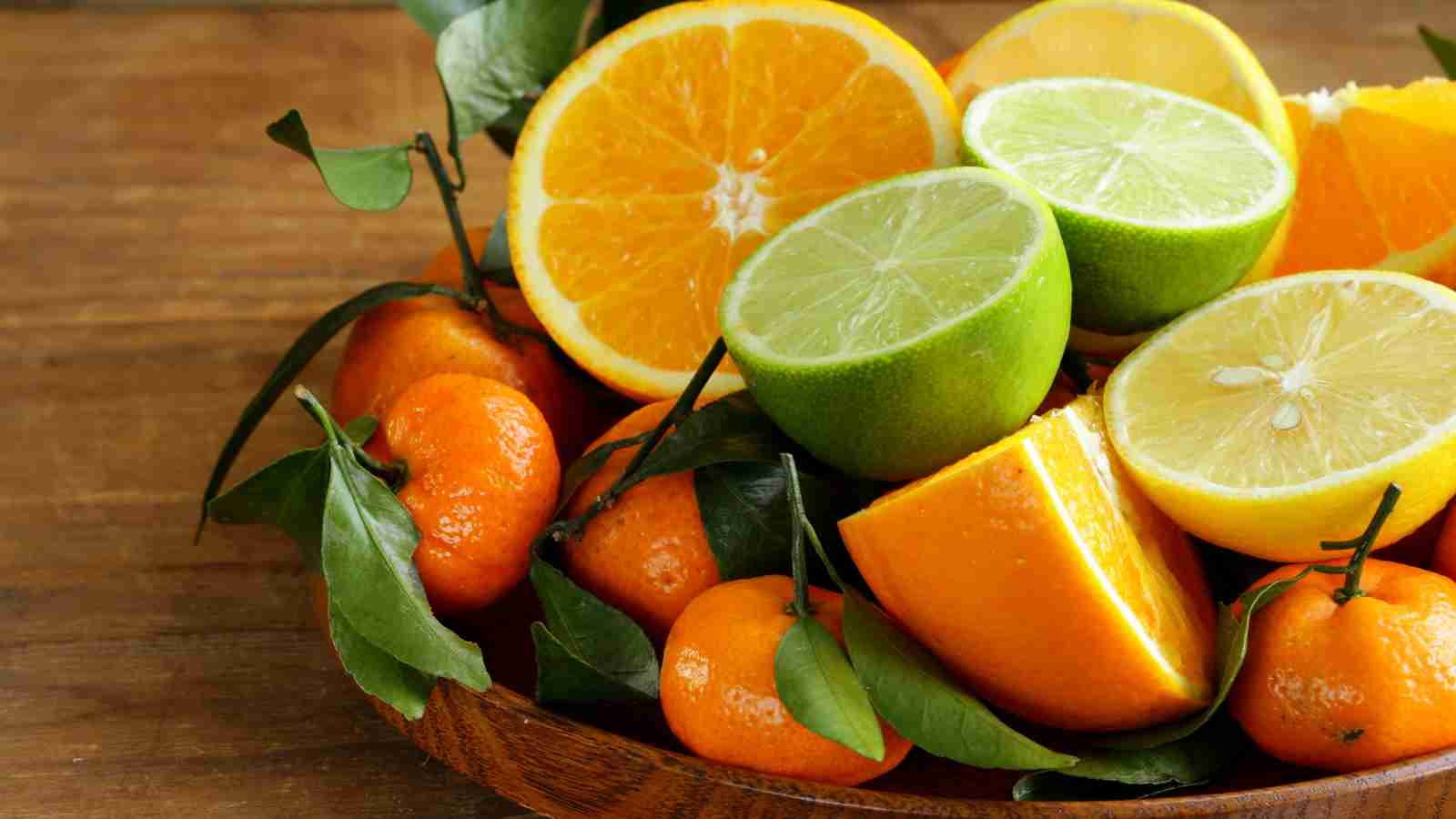
Citrus fruits, including oranges, grapefruits, and lemons, are rich in vitamin C and soluble fiber. The fiber in citrus fruits helps reduce cholesterol levels by promoting its excretion from the body. These fruits also contain antioxidants that support heart health and improve overall well-being.
Soy
Soy products like tofu, tempeh, and soy milk are excellent sources of plant-based or non-meat protein. Soy protein has been shown to lower LDL cholesterol and improve heart health. Incorporating soy into your diet can help replace higher-fat animal proteins with a heart-healthy alternative.
Fatty Fish

Fatty fish such as salmon, mackerel, and sardines are high in omega-3 fatty acids, which are beneficial for heart health. Omega-3s can lower LDL cholesterol and increase HDL cholesterol levels. Eating fatty fish a few times a week can provide essential nutrients and support cardiovascular health. It’s an effective way to boost good cholesterol while reducing bad cholesterol.
Avocado

Avocados are rich in monounsaturated fats and fiber, which can help lower LDL cholesterol and increase HDL cholesterol. The healthy fats in avocados also support heart health and provide a creamy texture to various dishes. Adding avocados to salads, sandwiches, or smoothies can be a delicious and effective way to manage cholesterol levels.
Beans
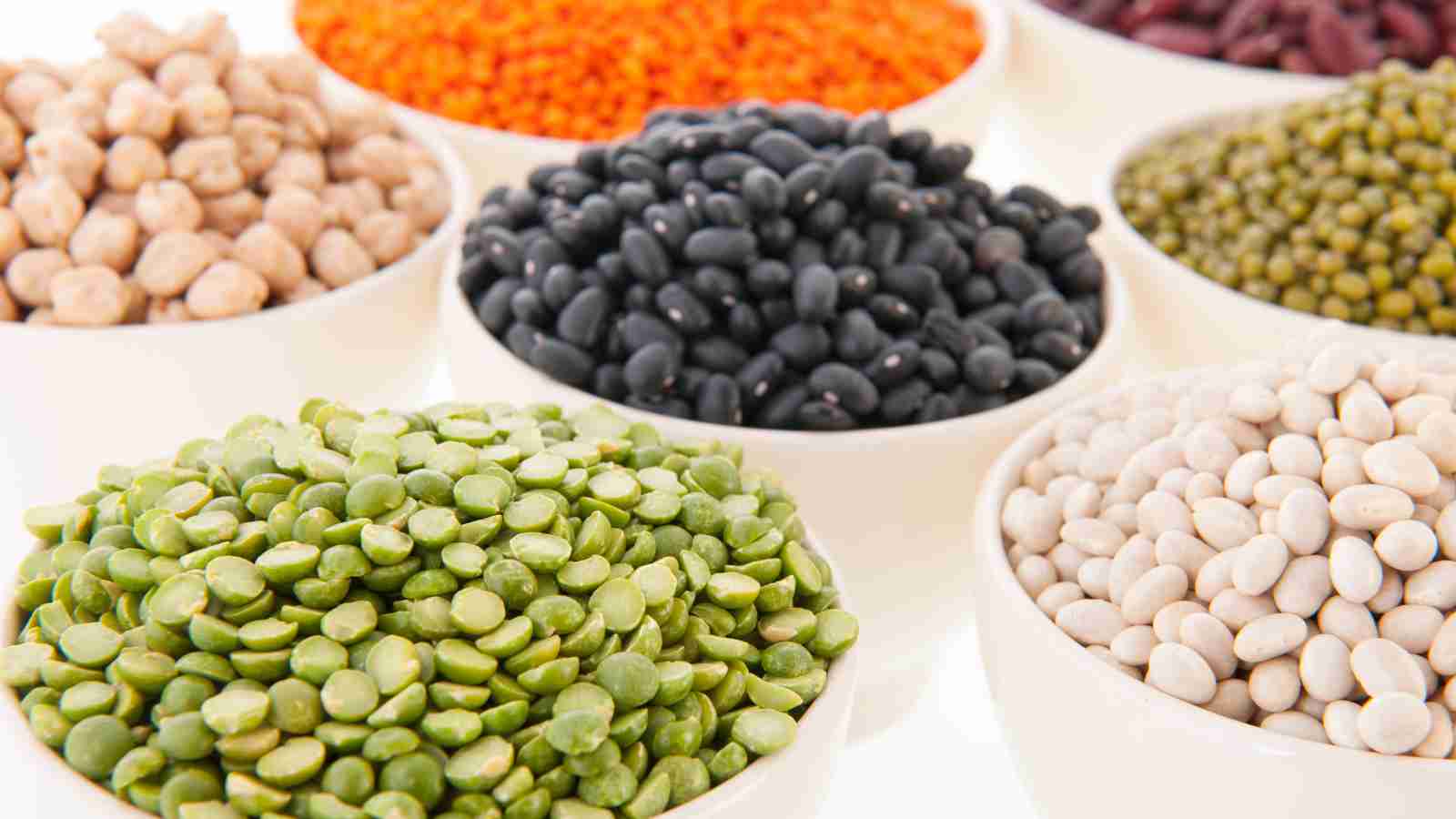
Beans like black beans, kidney beans, and chickpeas are high in fiber and plant-based protein. The soluble fiber in beans helps reduce cholesterol absorption in the digestive tract. Including beans in your diet can lower LDL cholesterol and improve overall heart health.
Apples

Apples are a good source of soluble fiber, particularly pectin, which can help lower LDL cholesterol. Eating apples regularly can help reduce cholesterol levels and support cardiovascular health. They are also a convenient and tasty snack option that contributes to a balanced diet.
Garlic

Garlic contains compounds like allicin that can help lower cholesterol levels. Regular consumption of garlic may reduce LDL cholesterol and improve heart health. It’s an easy addition to many dishes and can offer additional benefits like supporting immune function.
Sweet Potatoes

Sweet potatoes are rich in fiber and antioxidants that support heart health. The fiber in sweet potatoes helps reduce LDL cholesterol and improves digestion. They are a nutritious and versatile option that can be baked, mashed, or roasted, or as a sweet potato toast.
Flaxseeds

Flaxseeds are packed with fiber and omega-3 fatty acids, which can help lower LDL cholesterol. The soluble fiber in flaxseeds binds to cholesterol and aids in its removal from the body. Adding ground flax seeds to smoothies, yogurt, or oatmeal can provide a heart-healthy boost. Regular consumption can contribute to better cholesterol control and overall cardiovascular health.

Tamara Tsaturyan is the owner and writer of Thriving In Parenting, a website focused on providing simple tips for busy parents — easy and healthy recipes, home decor and organization ideas and all things P A R E N T I N G.
Share Your Thoughts!
I love to know your thoughts, make sure to comment below to start a discussion! You can also follow me on your favorite social network below.