Parenting is exhausting, and it’s easy to blame kids for habits that, deep down, you know they learned from you. When you give in to convenience, avoid consistency, or fail to set a good example, it backfires—and then you wonder why they act the way they do. They mirror what they see, and sometimes, that reflection isn’t what you expected. It’s not about feeling bad—it’s about recognizing where your actions and routines might be shaping their behavior in ways you didn’t intend. Here are 15 parenting frustrations that might just be on you. No parent is perfect, and no one has all the answers, but being aware of your influence can change everything. If you had a hand in creating these struggles, you also have the power to fix them.

Your Kids Are Glued to Screens

Tablets and TVs are easy distractions, especially when you need a moment of peace. When screen time lacks clear rules and engaging alternatives, it becomes the default. Kids also mimic what they see—if you’re glued to your phone, they assume it’s normal. Setting limits, offering hands-on activities, and modeling balance helps break the habit. If you want them to disconnect, show them how.
Mealtime Battles Over Picky Eating

Serving multiple meals, allowing unlimited snacks, or bribing with treats encourages picky eating. When kids realize they can hold out for something better, they won’t try new foods. A routine with structured meals, repeated exposure, and family mealtime sets a better foundation. Pressuring or forcing doesn’t work, but consistency does. If you want healthier eating habits, stop catering to their every preference.
Their Room is Always a Disaster
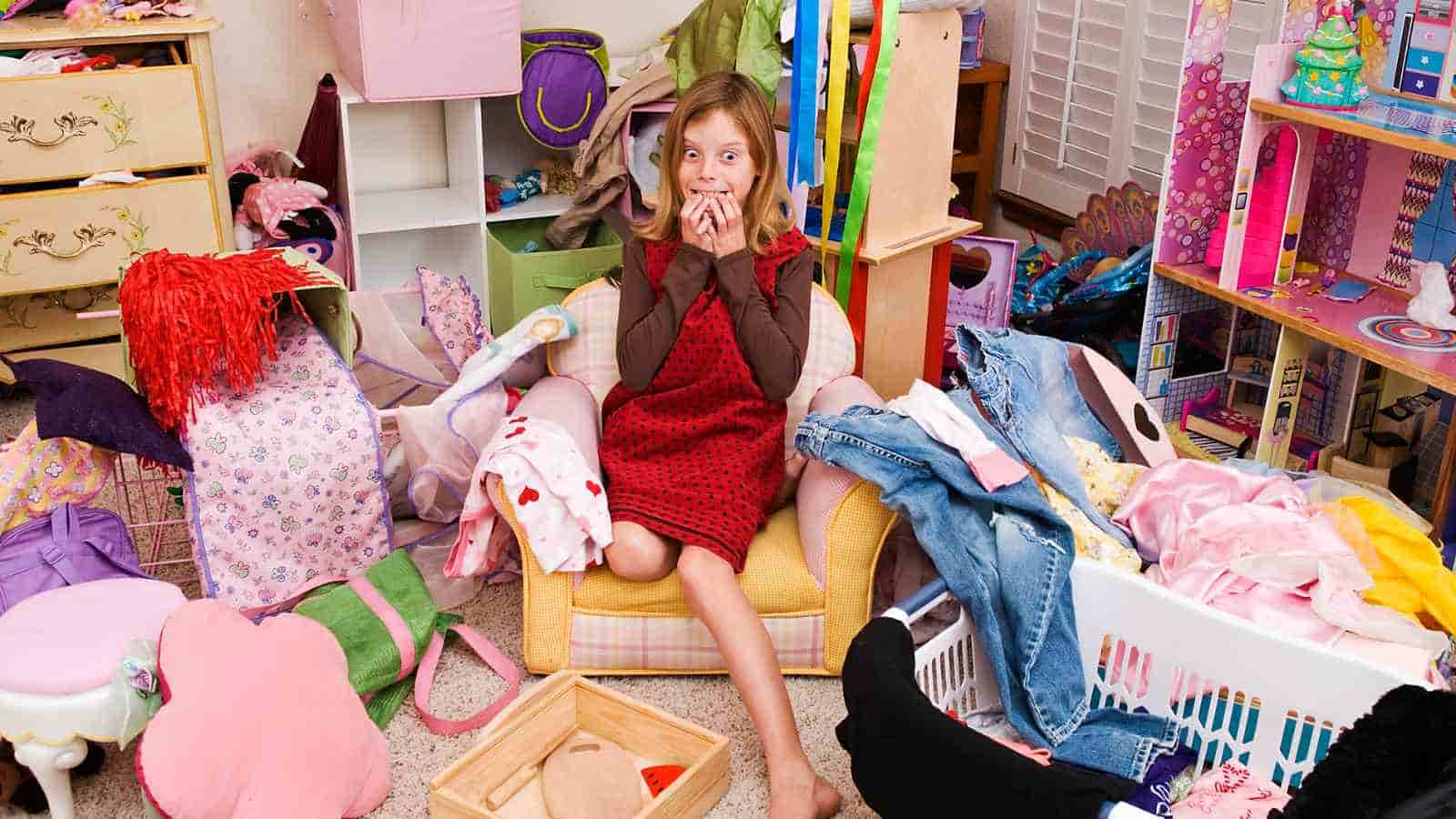
Messy rooms don’t fix themselves, and if you’re always the one cleaning up, they’ll never feel responsible for it. Without clear expectations and follow-through, they assume tidying up is optional. Teaching organization, setting small daily tasks, and enforcing consequences make a difference. Kids need to learn that their space is their responsibility. If you always do it for them, they won’t see the need to do it themselves.
No One Helps with Chores

Giving chores builds responsibility, but if you’ve never required it, they won’t magically start helping. Doing everything yourself might be faster, but it teaches them that chores are someone else’s job. Assigning tasks early, making them part of the routine, and enforcing expectations are key. A little patience now saves frustration later. If you want them to contribute, start treating them like capable members of the household.
They Have Zero Patience

Instant gratification is everywhere, and if they never have to wait, they won’t know how. When every request is met immediately or boredom is always avoided, patience doesn’t develop. Teaching kids to handle frustration, delay rewards, and manage emotions takes time but is essential. Small, everyday moments—like waiting their turn or saving up for something—help them learn. If everything comes easy, they won’t know how to cope when it doesn’t.
No Interest in Playing Outside

Screens are tempting, but if outdoor play isn’t encouraged, they won’t seek it out. When you don’t prioritize fresh air and movement, your kids naturally gravitate toward what’s familiar. Planning outdoor time, limiting screens, and making it fun shifts the habit. Children follow your lead—if you never go outside, they won’t see the point. Creating space for unstructured play helps them appreciate it more.
No Motivation for Schoolwork

A love of learning isn’t automatic—it starts at home. If school is only about grades, punishment, or pressure, kids disengage. Encouraging curiosity, making learning part of daily life, and focusing on effort rather than perfection matters. Kids need to see that education is about growth, not just performance. If you treat school as a chore, they will too.
Lack of Empathy and Kindness
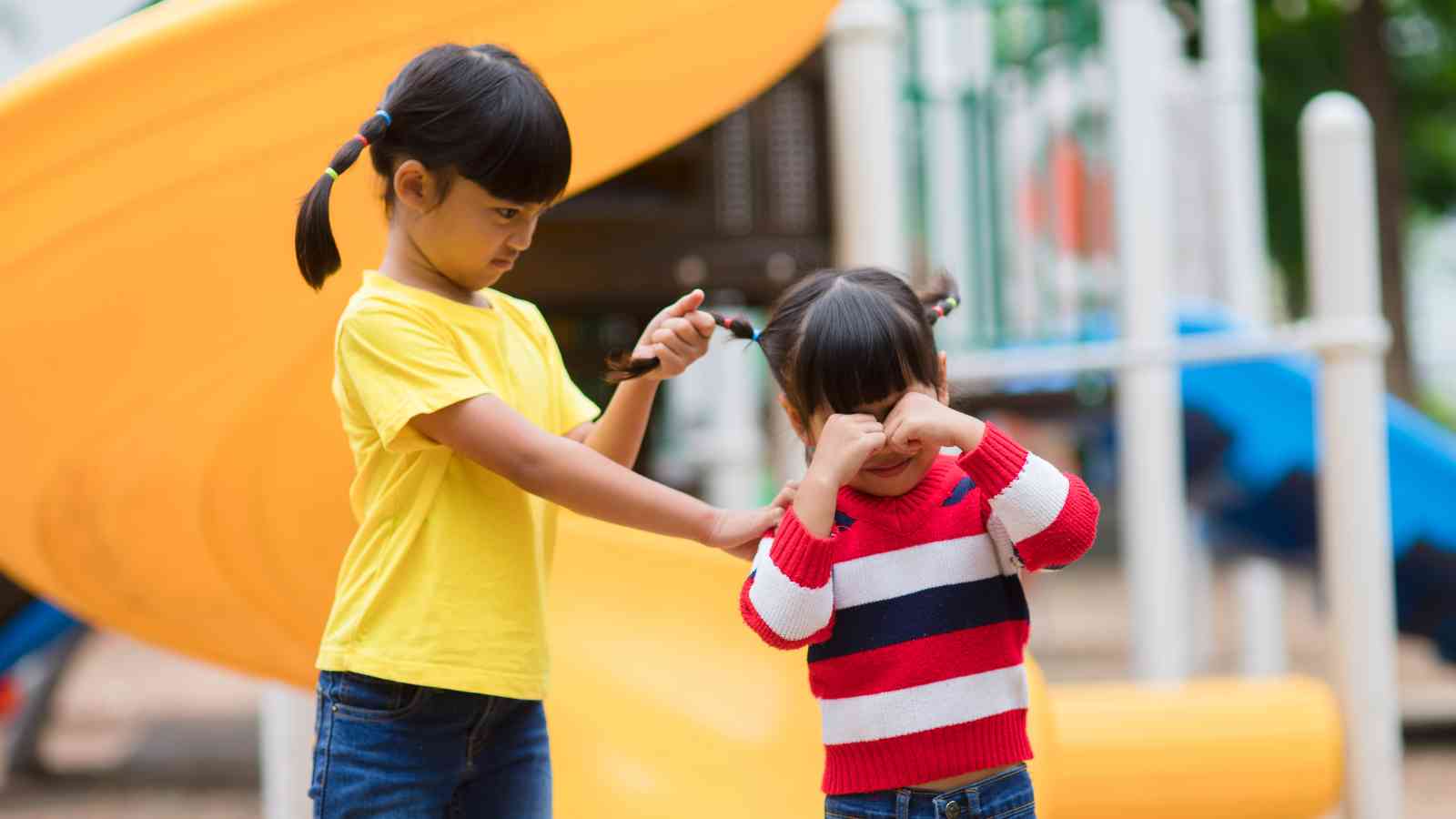
Empathy isn’t innate—it’s taught through experience and example. When children witness dismissiveness, harsh words, or indifference, they mirror that behavior. Practicing kindness, acknowledging feelings, and discussing emotions shape how they treat others. Even small actions, like apologizing when you’re wrong, show them what empathy looks like. If you want them to be kind, they need to see it in action.
Ignoring Basic Self-Care

Healthy routines don’t stick when they’re inconsistent or treated as afterthoughts. If brushing teeth, bedtime, or hygiene are rushed or skipped, kids won’t see them as priorities. Making self-care a structured, non-negotiable part of daily life helps build lasting habits. Leading by example and reinforcing expectations matters. If you don’t prioritize it, they won’t either.
Stress Over Their Grades

Focusing only on grades rather than effort discourages learning. When school becomes stressful instead of rewarding, kids shut down. Encouraging curiosity, problem-solving, and responsibility over perfection leads to better outcomes. Conversations about progress, rather than just performance, make a difference. If pressure outweighs encouragement, they’ll either rebel or disengage.
Constant Fighting Between Siblings

Sibling rivalry thrives when comparisons, favoritism, or unfair treatment exist. If kids feel unheard or treated unequally, conflicts escalate. Encouraging teamwork, teaching conflict resolution, and giving each child individual attention helps. Letting them solve small disputes on their own fosters independence. If competition is encouraged over cooperation, expect more fights.
Disrespect and Talking Back

Respect starts with how they are spoken to and treated. When yelling, dismissing their feelings, or ignoring their voice is common, they learn to do the same. Clear expectations, calm communication, and mutual respect go further than punishment alone. Kids need to see that listening and respecting others applies to everyone, including them. If you demand respect without giving it, they won’t learn what it truly means.
Selective Hearing When You Talk

Rules without consistency lead to pushback. If boundaries constantly shift, discipline is unpredictable, or consequences are empty threats, kids stop taking you seriously. Clear rules, steady enforcement, and calm authority make all the difference. When discipline is about teaching rather than just punishing, they respond better. If you’re all over the place, they will be too.
Constant Lying

Honesty needs to be safe, not just expected. If telling the truth leads to harsh consequences, avoidance becomes their defense. Creating a space where mistakes can be discussed openly builds trust. Acknowledging honesty—even when it’s uncomfortable—reinforces its value. If lying is their safest option, they’ll choose it every time.
Non-Stop Whining

Whining is a learned behavior—if it works, they’ll keep doing it. When complaints lead to results, whether through exhaustion or negotiation, the cycle continues. Setting firm boundaries, ignoring persistent whining, and encouraging clear communication help break the habit. Kids need to know that persistence through whining won’t change the answer, but calm requests might. If giving in is easier, expect them to keep testing you.
10 Toxic ‘Parenting Myths’ That Are Actually Just Tough Love

Parents are constantly bombarded with opinions about how to raise their kids, making it easy to second-guess every decision. What some call “harsh” or “toxic” parenting is often just necessary discipline that teaches kids responsibility and resilience. Setting boundaries and expecting accountability aren’t harmful—they’re key to raising independent adults. Despite the criticism, many parenting strategies labeled as outdated or too strict are actually backed by child development experts.
15 Things Parents Did in the ’50s That Would Spark Outrage Today

Parenting in the ’50s was a completely different world—some practices seem nostalgic, while others leave us wondering how kids survived. Parents weren’t being reckless; they simply followed the norms of their time, often raising kids the way they were raised. What once seemed perfectly acceptable would now spark outrage, with some choices even landing parents in serious trouble today. With more research, resources, and changing societal standards, it’s clear just how much parenting has evolved.

Tamara Tsaturyan is the owner and writer of Thriving In Parenting, a website focused on providing simple tips for busy parents — easy and healthy recipes, home decor and organization ideas and all things P A R E N T I N G.

Share Your Thoughts!
I love to know your thoughts, make sure to comment below to start a discussion! You can also follow me on your favorite social network below.