Ever find yourself hungry again just an hour after eating? The problem isn’t how much you’re eating—it’s what you’re eating. Some foods digest quickly, leaving you hungry again in no time, while others keep you feeling satisfied longer. The right foods can help you avoid that crash-and-burn feeling by keeping you full for hours. Instead of constantly reaching for snacks, loading up on foods that actually satisfy your appetite can make a big difference. These 15 powerhouse foods not only keep hunger at bay but also support weight management by naturally helping you eat less without feeling deprived.

Boiled Potatoes

Packed with fiber, water, and resistant starch, boiled potatoes are among the most filling foods you can eat. Their ability to take up space in your stomach promotes a strong feeling of fullness. Compared to rice and pasta, potatoes keep you satisfied for longer with fewer calories. They also provide important nutrients like potassium, which supports muscle function and hydration.
Cottage Cheese

With a high protein-to-calorie ratio, cottage cheese is one of the most filling dairy options available. It provides casein protein, which digests slowly and keeps hunger away for extended periods. The thick, creamy texture also adds to its satiety factor, making it a great meal or snack. Eating cottage cheese can help regulate appetite while delivering essential amino acids for muscle maintenance.
Vegetables

Loaded with fiber and water, vegetables add bulk to meals without piling on calories. They take time to chew, which naturally slows down eating and gives your body time to register fullness. Leafy greens, cruciferous vegetables, and root vegetables provide vitamins and minerals that support digestion. Adding a variety of vegetables to meals increases food volume while keeping hunger in check.
Legumes

Beans, lentils, and chickpeas are rich in fiber and plant-based protein, both of which slow digestion and prolong fullness. Their low glycemic index prevents blood sugar spikes, helping to reduce cravings between meals. Legumes also contain resistant starch, which supports gut health and contributes to satiety. Regularly incorporating them into meals can keep hunger at bay and aid in weight management.
Greek Yogurt

Thicker and higher in protein than regular yogurt, Greek yogurt provides long-lasting energy and satiety. The combination of protein and probiotics supports gut health while keeping hunger levels in check. Eating Greek yogurt as a snack or meal addition can reduce overall calorie intake by keeping cravings under control. It also pairs well with fiber-rich foods like fruit or nuts for an extra filling boost.
Avocados

Loaded with heart-healthy fats and fiber, avocados slow digestion and keep you full for hours. Their creamy texture and rich nutrient profile make them a great addition to meals. The healthy monounsaturated fats promote steady blood sugar levels, reducing the likelihood of energy crashes. Adding avocado to salads, toast, or smoothies enhances meal satisfaction and curbs hunger.
Chia Pudding
Chia seeds absorb liquid and expand, creating a gel-like texture that helps fill your stomach and prolong fullness. The high fiber content, particularly soluble fiber, slows digestion and stabilizes blood sugar levels. Chia pudding makes for a nutrient-dense, low-calorie snack that keeps hunger in check. Combining chia seeds with protein-rich ingredients like yogurt or milk enhances its satiating effects.
Berries

Berries are high in fiber and water, helping to keep portions satisfying while being naturally low in calories. Their slow-digesting nature makes them a great option for reducing overall food intake. The antioxidants in berries also support metabolic health and help regulate blood sugar. Eating a bowl of berries as a snack or adding them to meals can extend satiety without excess calories.
Nuts

Packed with healthy fats, protein, and fiber, nuts keep you feeling full longer than most snacks. The combination of nutrients slows digestion and provides steady energy release. Despite being calorie-dense, research shows that nuts do not contribute to weight gain when eaten in moderation. A small handful can curb cravings and prevent overeating later in the day.
Quinoa

As a complete protein source with all essential amino acids, quinoa helps regulate appetite and muscle maintenance. Its high fiber content ensures a slow digestion process, leading to prolonged fullness. The unique combination of protein and complex carbohydrates provides sustained energy. Including quinoa in meals can prevent hunger pangs and support long-term weight management.
Soups
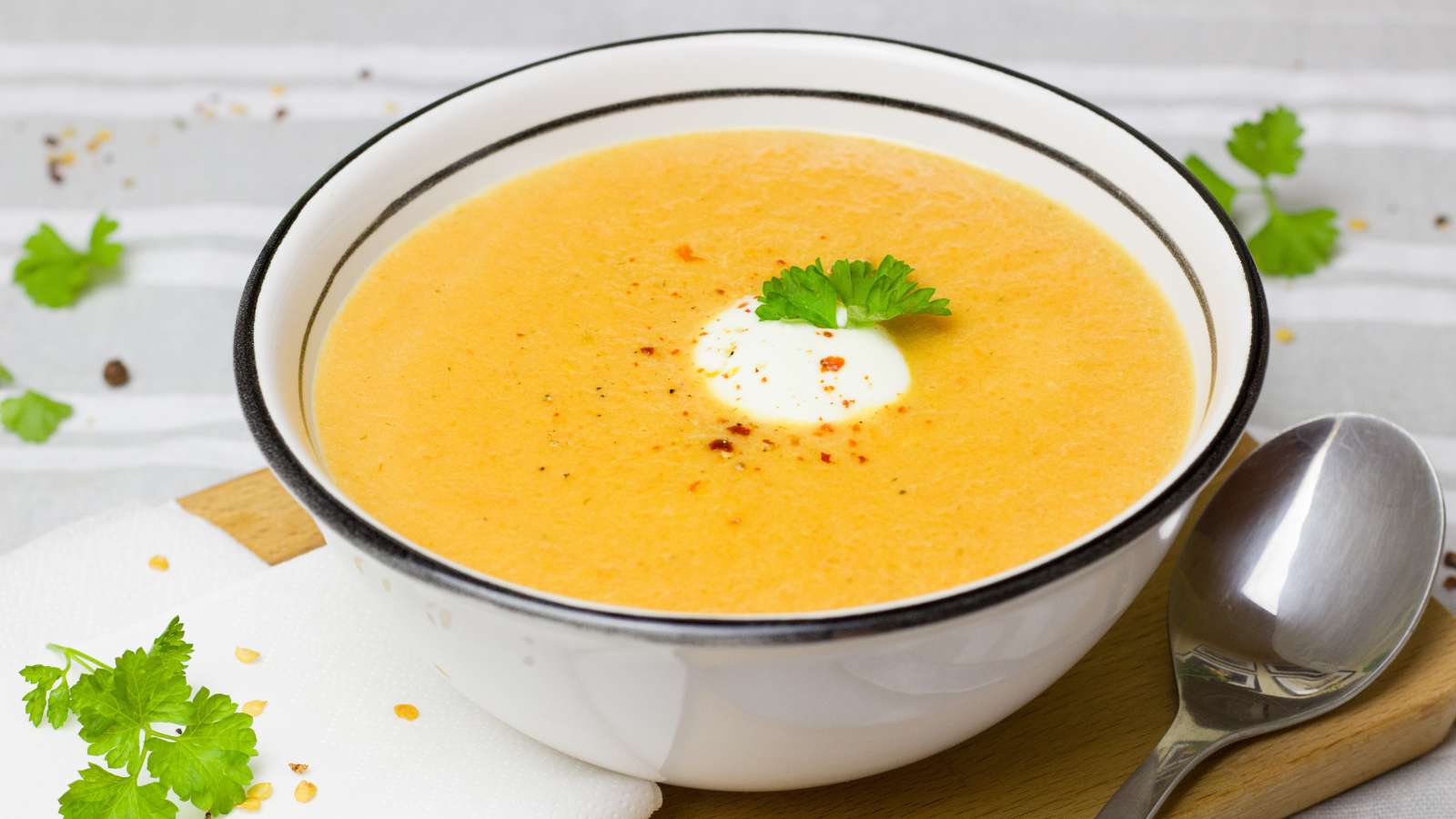
Broth-based soups with vegetables and lean protein offer high volume with fewer calories, helping you feel satisfied without overeating. The combination of liquid and solid ingredients slows stomach emptying, prolonging the feeling of fullness. Studies suggest that starting a meal with soup can naturally lead to reduced calorie intake. Choosing fiber-rich ingredients in soups further enhances their satiety effects.
Oatmeal

Beta-glucan, a soluble fiber found in oats, helps form a gel-like substance that slows digestion and promotes fullness. Oatmeal absorbs water, increasing its volume and making meals feel more substantial. The slow-release carbohydrates provide steady energy without causing blood sugar crashes. A bowl of oatmeal in the morning can prevent mid-morning hunger and improve appetite control.
Eggs

Rich in protein and healthy fats, eggs help slow digestion and keep hunger under control for hours. High-protein breakfast, like eggs, leads to lower calorie intake later in the day. The yolks contain essential nutrients like choline and antioxidants, making them a powerhouse of nutrition. Eating eggs in the morning can prevent cravings and help maintain steady energy levels.
Meat

Lean meats like chicken, turkey, and beef provide high-quality protein, which takes longer to digest than carbs or fats. Protein triggers satiety hormones, making it easier to feel satisfied with smaller portions. Eating meat in balanced meals supports muscle health while preventing energy dips. Incorporating lean protein into meals can naturally reduce overall calorie intake throughout the day.
Fish

Omega-3-rich fish like salmon, tuna, and mackerel offer both protein and healthy fats that extend satiety. The unique fat composition in fish slows digestion while supporting brain and heart health. Studies suggest that people who consume fish regularly feel fuller for longer compared to those who eat other protein sources. Including fish in your diet can help manage hunger while providing essential nutrients.
Eat This, Not That! Top 15 Healthy Carbs That Are Good For you!

When you choose the right carbs, you’re giving your body the kind of fuel it needs to thrive, not just survive. Whether you’re looking to power through a workout, keep your focus sharp, or simply enjoy a balanced diet, these healthy carbs should be staples in your kitchen!
17 Foods You Didn’t Know Are Surprisingly High In Sugar

Surprisingly, a lot of these everyday items, including those labeled as “low fat” or “healthy,” often sneak in more sugar than expected. It turns out that many foods, even the ones that don’t seem sweet, are packed with hidden sugars. This not only makes it harder to cut back on sugar but can also have long-term health impacts like weight gain and heart problems. You might want to think twice before grabbing them!

Tamara Tsaturyan is the owner and writer of Thriving In Parenting, a website focused on providing simple tips for busy parents — easy and healthy recipes, home decor and organization ideas and all things P A R E N T I N G.

Comments & Reviews
Ben Obianozie says
The information is very helpful. Thanks, and more grease to tour elbows.