Food is more than just nourishment. They tell stories about time, culture, and values, and your meals often mirror the generation you’re part of. Over time, what you eat has shifted alongside changing family structures, work patterns, and values. From Depression-era staples to Instagram-friendly bowls, every meal tells a story about how your generation interacts with ingredients, technology, and traditions. Some dishes you grew up with are now nostalgic artifacts, while others have been reinvented to align with new health, environmental, or social ideals. These shifts reveal how eating habits mirror larger trends, like the rise of convenience foods, the wellness movement, and global flavor exploration. As you read through these meals, you’ll see how your own preferences connect with decades of change. It’s not just about food—it’s about how you live, host, and even define comfort in your everyday life.
Meatloaf

Born out of the Great Depression, meatloaf maximized cheap ground meat by stretching it with breadcrumbs and eggs. Families in mid-century America treated it as a weeknight staple, pairing it with mashed potatoes and gravy. Convenience foods like boxed breadcrumbs and ketchup boosted its popularity through the 1950s and 1960s. Today’s younger home cooks rarely make it, favoring globally inspired or plant-based proteins instead. Despite fading from modern tables, meatloaf remains a nostalgic emblem of thrift and comfort cooking.
Avocado Toast

Australian cafés popularized avocado toast in the 1990s before millennials turned it into a lifestyle statement. Its appeal lies in minimal prep time paired with nutrient-dense fats and fiber. Social media helped transform toast from a simple breakfast to a visual marker of “wellness culture.” Restaurants began offering versions topped with poached eggs, microgreens, or chili flakes to meet demand. Older generations often view it as overpriced, reflecting a generational divide over spending habits.
Instant Ramen
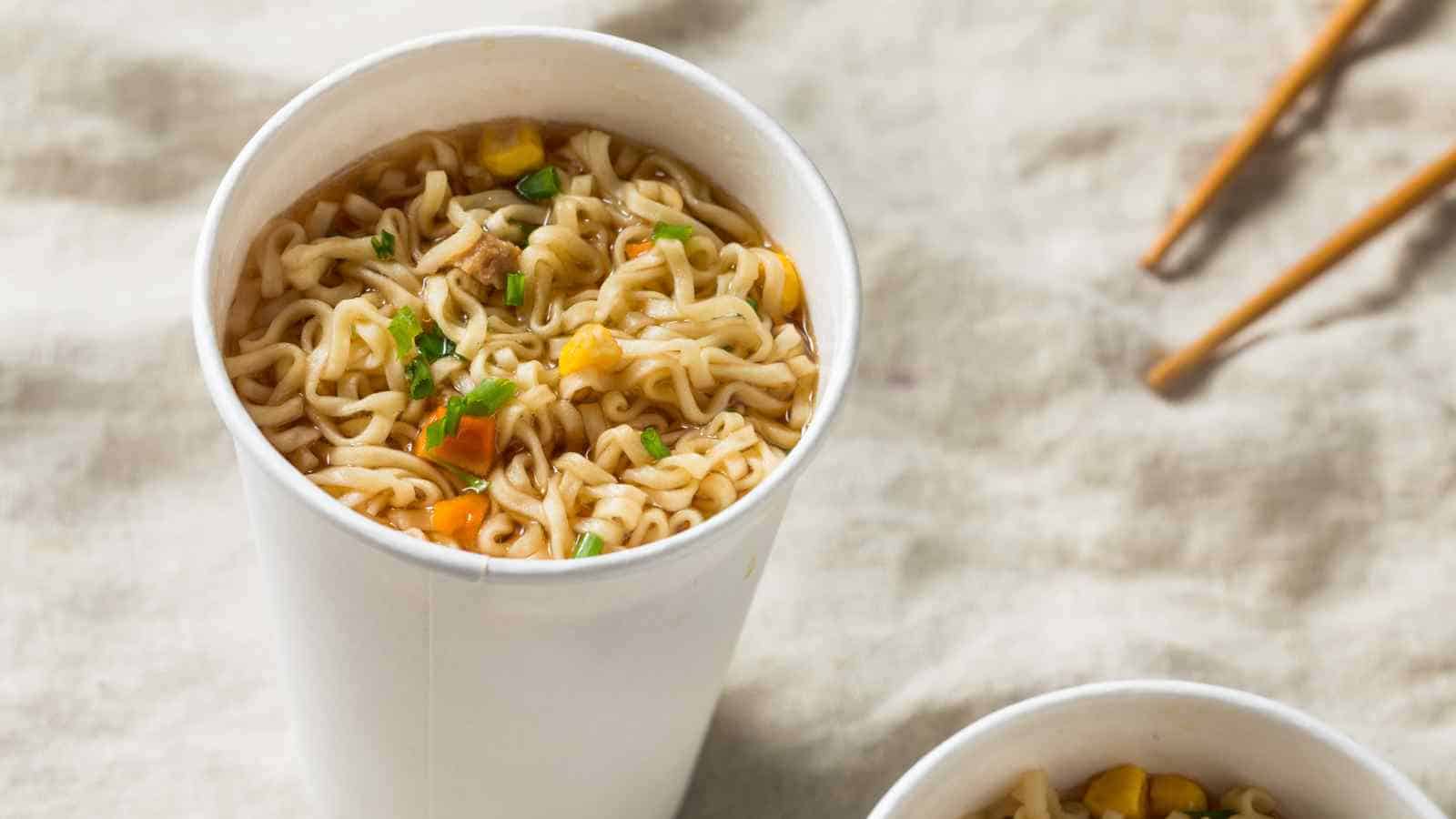
Originally launched in Japan in 1958, instant ramen became a dorm-room staple worldwide thanks to its affordability and ease. Cup noodles further expanded its reach during the 1970s by eliminating the need for extra dishes. Younger foodies now reimagine it with soft-boiled eggs, miso butter, and fresh vegetables. Even upscale restaurants experiment with ramen-inspired dishes to appeal to nostalgia. Its transformation from survival food to customizable comfort reflects a blending of tradition and innovation.
Casseroles

A mid-20th century emblem of convenience, casseroles combined pantry staples like cream-of-mushroom soup, noodles, and canned vegetables. They allowed busy parents to cook once and feed a crowd, particularly during church socials and potlucks. Microwaves and frozen components in the 1980s streamlined preparation even further. Today’s households lean toward fresh, individually plated meals, causing casseroles to decline. Despite this shift, they remain a symbol of collective eating and budget-conscious ingenuity.
Smoothie Bowls

Emerging from Brazil’s açaí bowl tradition, smoothie bowls surged among Gen Z for blending nutrition and style. They typically feature pureed fruits topped with granola, seeds, and colorful fruits. Instagram played a major role in their popularity, rewarding vibrant, photogenic combinations. Wellness marketing positions them as functional foods rather than mere snacks. They illustrate how breakfast transformed into a self-expressive, health-oriented ritual.
Jell-O Salad

Peaking in the 1950s and 1960s, Jell-O salads embodied midcentury fascination with processed foods and molds. Recipes mixed gelatin with canned fruit, vegetables, or even seafood for dramatic presentations. Aspic-like versions were considered elegant for luncheons and holiday spreads. As fresh produce and simpler presentations gained traction, Jell-O salads faded into novelty status. Their kitschy image now appeals mostly to nostalgic cooks or retro-themed gatherings.
Plant-Based Burgers
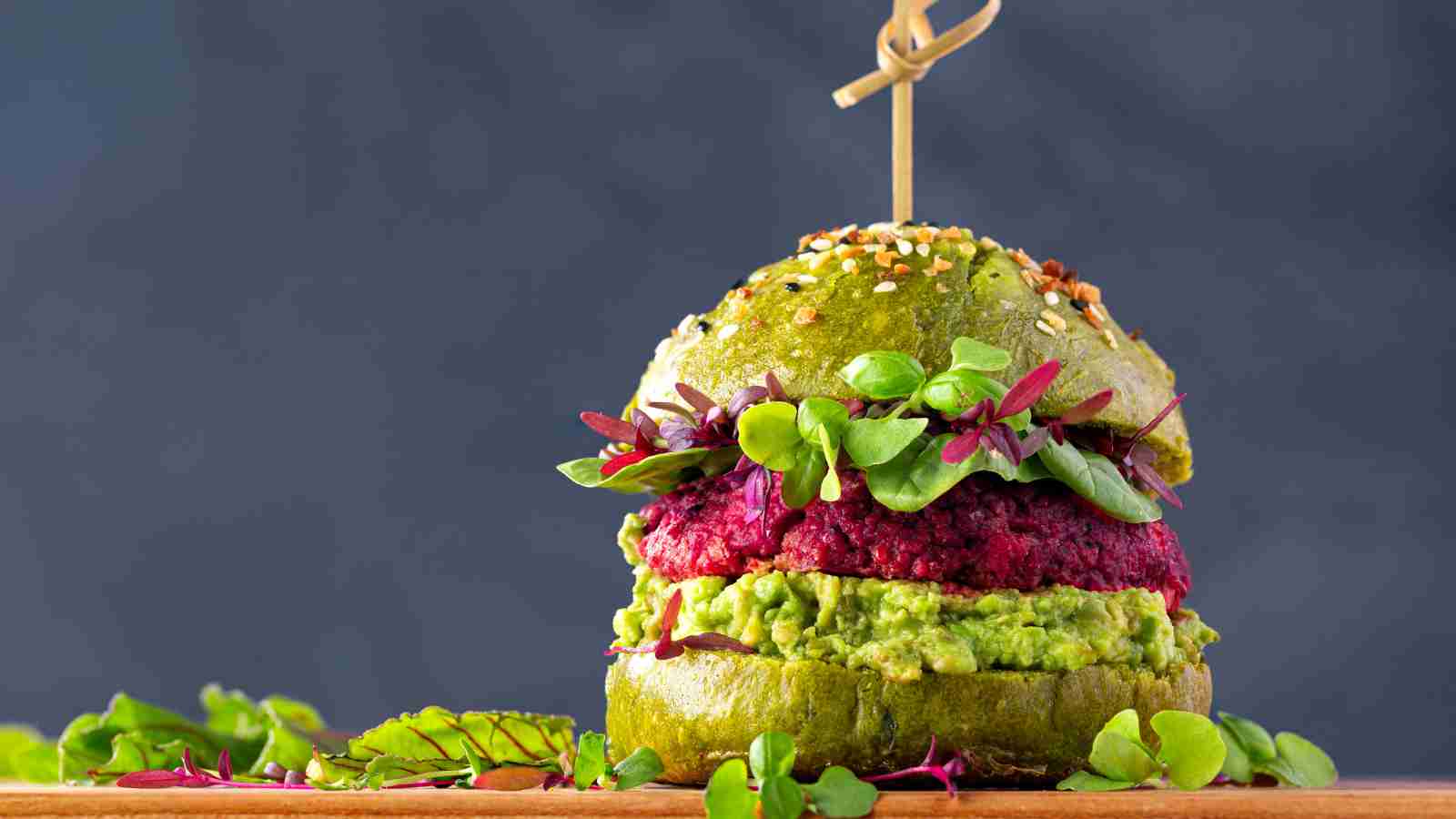
Modern plant-based patties such as Beyond and Impossible emerged from advances in food technology to mimic meat’s texture and taste. They gained traction among millennials and Gen Z concerned with climate change and animal welfare. Fast-food chains introduced plant-based versions of their flagship burgers to meet demand. Nutritional tweaks, like added protein and iron from plants, broaden their appeal beyond vegetarians. They signal a mainstream shift from meat-centric meals toward sustainable protein alternatives.
Pot Roast
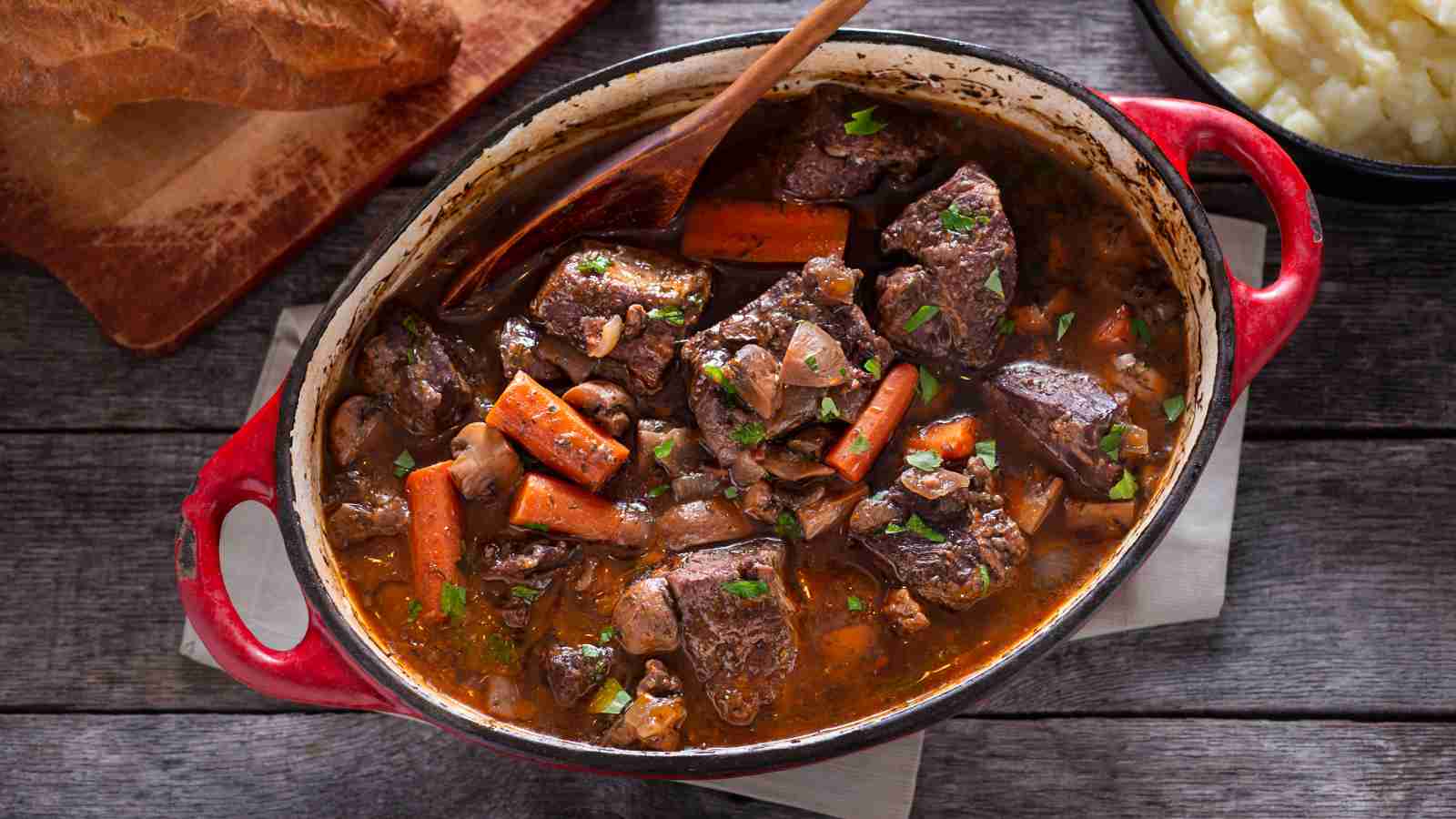
A Sunday ritual for mid-century families, pot roast offered slow-cooked comfort using affordable cuts of beef. Pressure cookers and later slow cookers helped working parents keep it on the menu. As restaurant dining and takeout grew more common, its status as a weekly centerpiece waned. Some younger cooks experiment with global spices or swap beef for chicken to update the tradition. Its decline reflects time constraints and shifting meal planning patterns.
Sushi Rolls
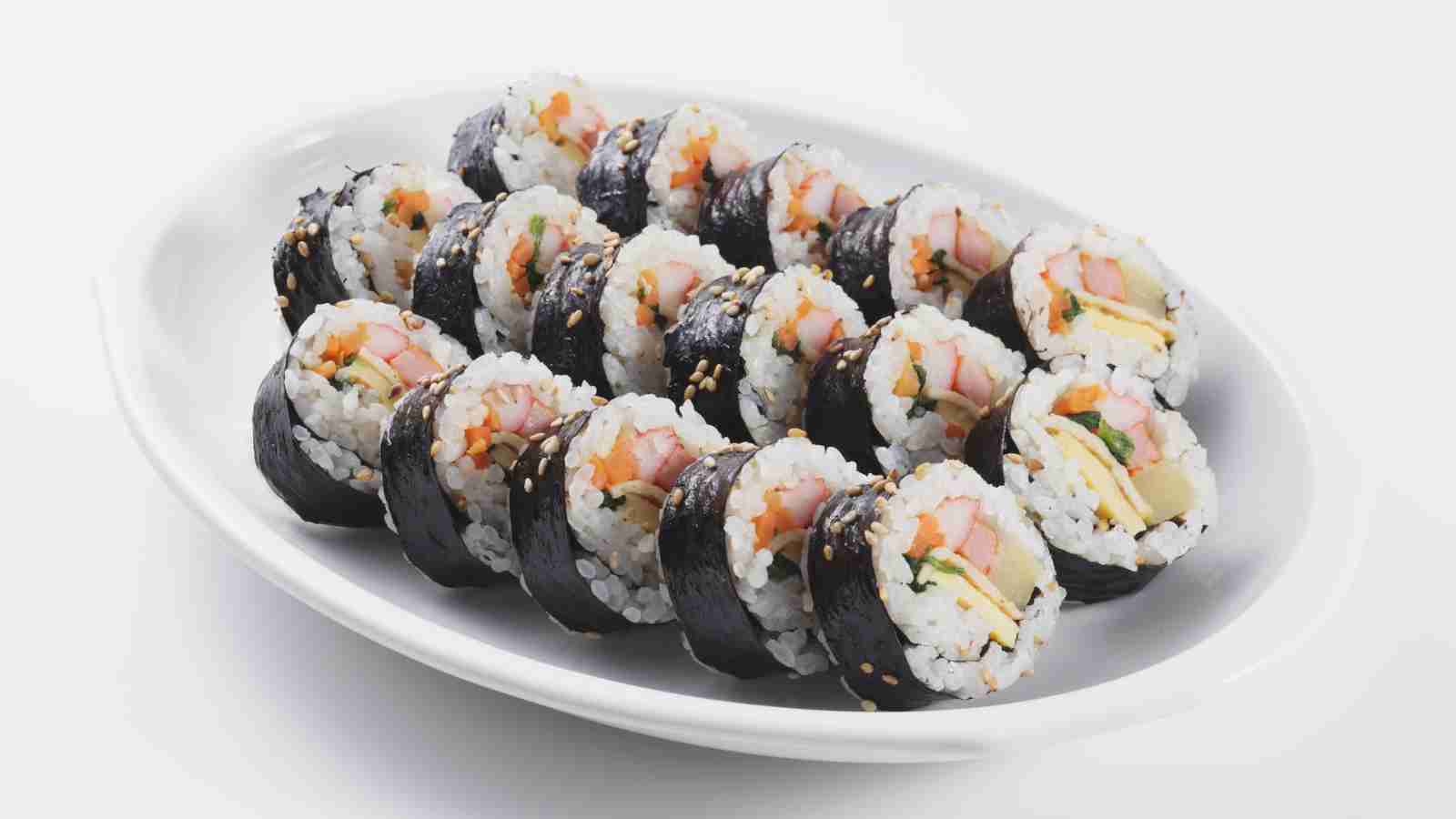
Introduced to the U.S. in the 1960s, sushi rolls were initially viewed as exotic and niche. The California roll’s invention popularized sushi by using cooked crab and avocado. Millennials and Gen Z embraced sushi as a quick, customizable meal aligned with fresh eating. Grocery stores and delivery apps made it widely accessible beyond specialty restaurants. What began as a rare treat is now mainstream fare for weekday lunches.
Grilled Cheese & Tomato Soup
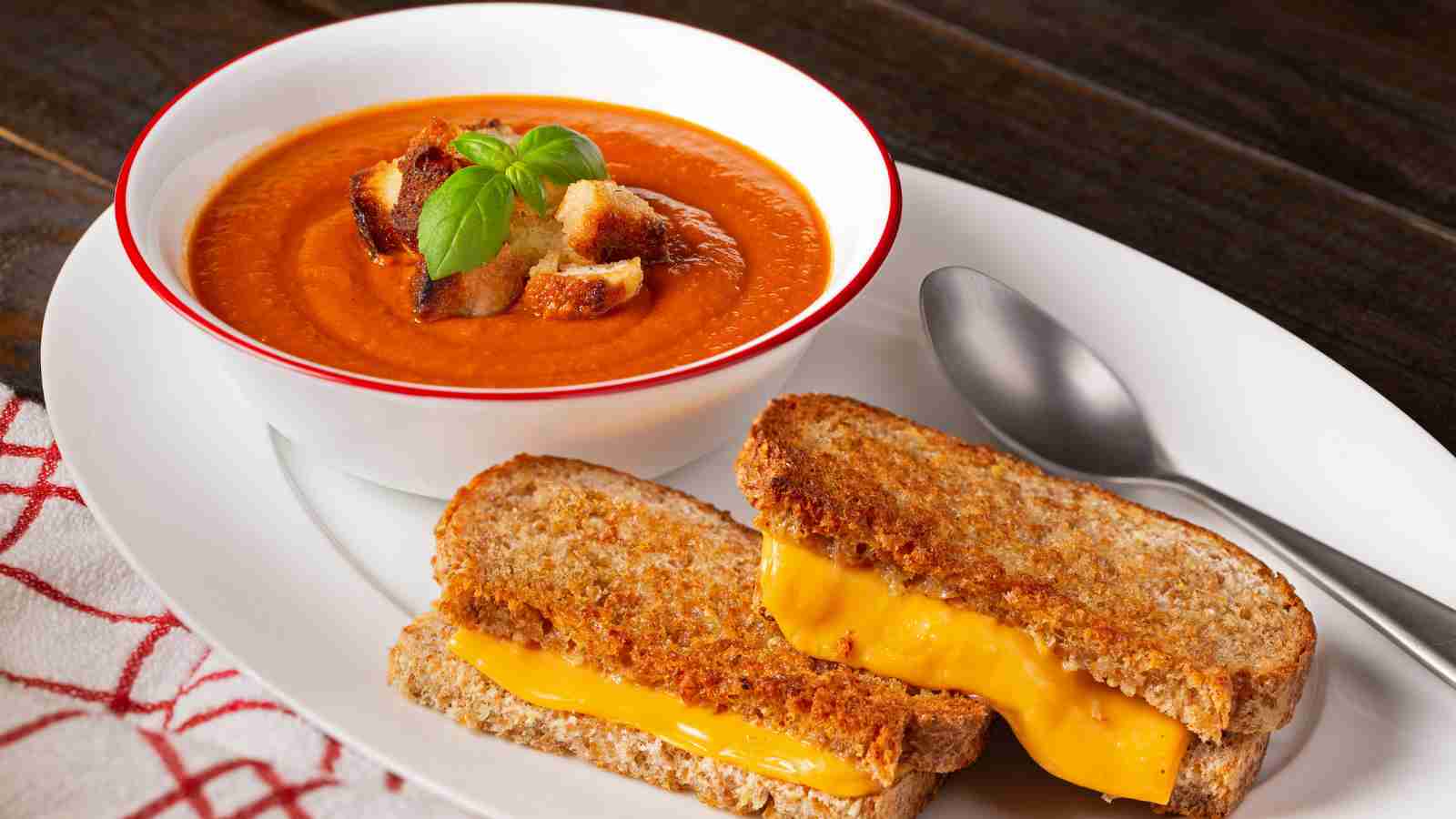
Pairing originated in school cafeterias and postwar kitchens where processed cheese and canned soup reigned. It became shorthand for comfort food, especially in colder months. Today’s versions use sourdough or focaccia with aged cheddar, gruyere, or vegan cheeses. Artisan tomato bisques with roasted garlic elevate the soup side of the duo. Reinvention shows how nostalgia can be reworked into gourmet casual dining.
Quinoa Bowls

Quinoa, once a staple of Andean diets for millennia, exploded in Western markets in the 2000s as an “ancient grain.” Bowls built around it combine vegetables, proteins, and sauces for a complete meal. Its complete amino acid profile appeals to health-conscious eaters seeking alternatives to rice. Fair-trade sourcing debates emerged as demand increased globally. Quinoa bowls exemplify the globalization of once-regional staples.
Frozen Pizza

From Totino’s Party Pizzas to DiGiorno, frozen pizza became a fast dinner solution for boomers and millennials. Innovations like self-rising crust and premium toppings widened its market. As food culture shifted, artisanal frozen pizzas with organic ingredients emerged. Air fryers and toaster ovens now give them a fresher, crispier finish at home. The category illustrates how convenience foods adapt to rising quality expectations.
Salad Bars
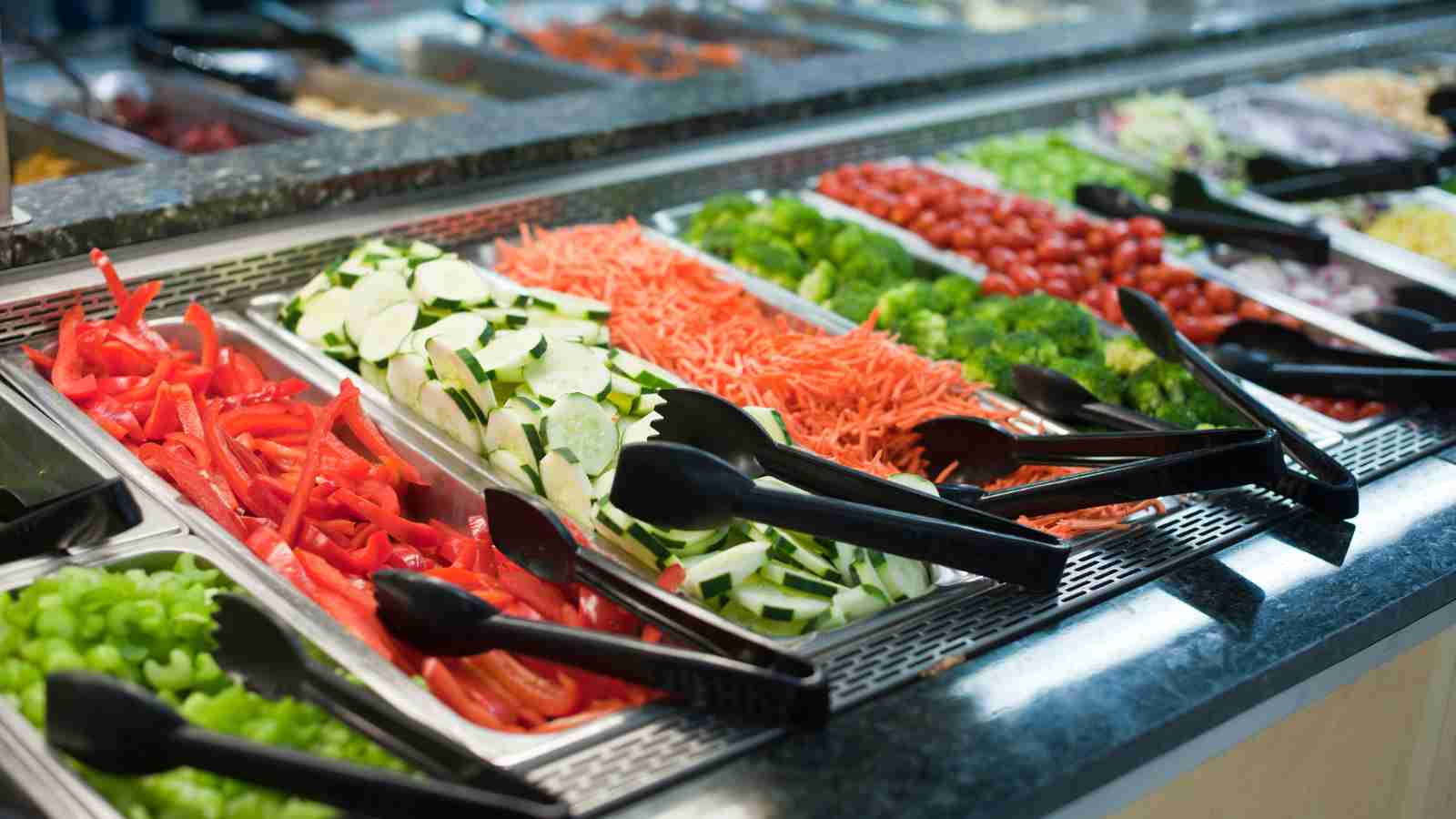
Big in the 1980s and 1990s, salad bars symbolized abundance and personal choice at restaurants like Sizzler and Pizza Hut. They encouraged diners to pile plates high with vegetables, cheeses, and dressings. Food-safety concerns and the rise of prepackaged salads contributed to their decline. The COVID-19 pandemic accelerated closures of self-serve stations. Their fall shows how hygiene and convenience can reshape dining habits.
Oat Milk Lattes

Oat milk, first commercialized in Sweden in the 1990s, became the leading dairy-free milk alternative by the late 2010s. Its creamy texture makes it ideal for coffee drinks without overpowering flavor. Coffee chains quickly adopted oat milk to meet lactose-free and vegan demand. Sales skyrocketed, making it a defining beverage of millennial and Gen Z coffee culture. It reflects both dietary shifts and the willingness to pay premium prices for personalization.
Spaghetti & Meatballs
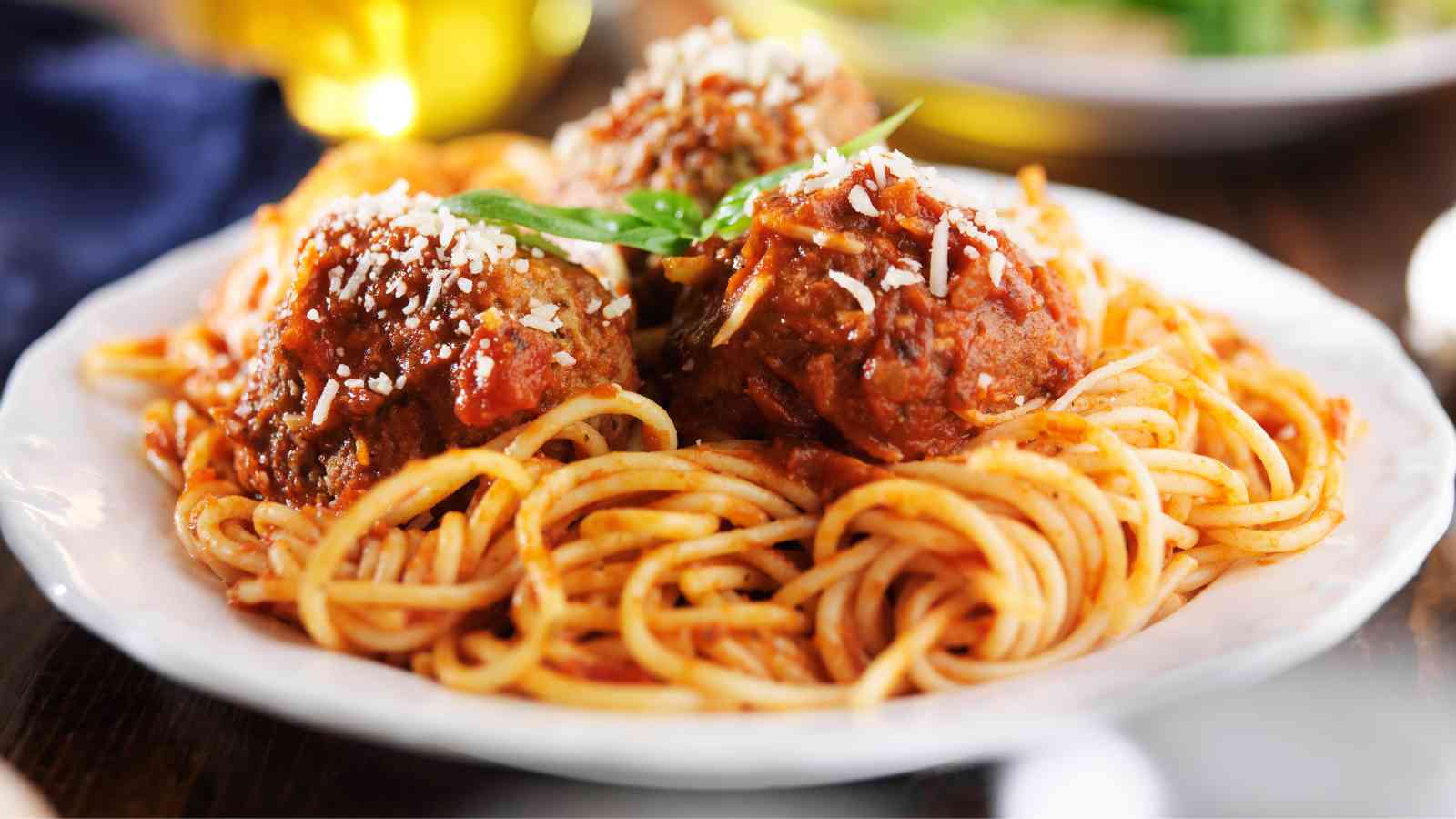
An Italian-American creation, spaghetti and meatballs gained fame in U.S. immigrant communities in the early 20th century. It represented prosperity by featuring more meat than traditional Italian pasta. Generations later, lighter sauces, plant-based proteins, and global pasta recipes replaced it on many menus. Frozen and restaurant options keep it available but less central to home cooking. Its evolution mirrors assimilation and the diversification of American palates.
Kale Chips
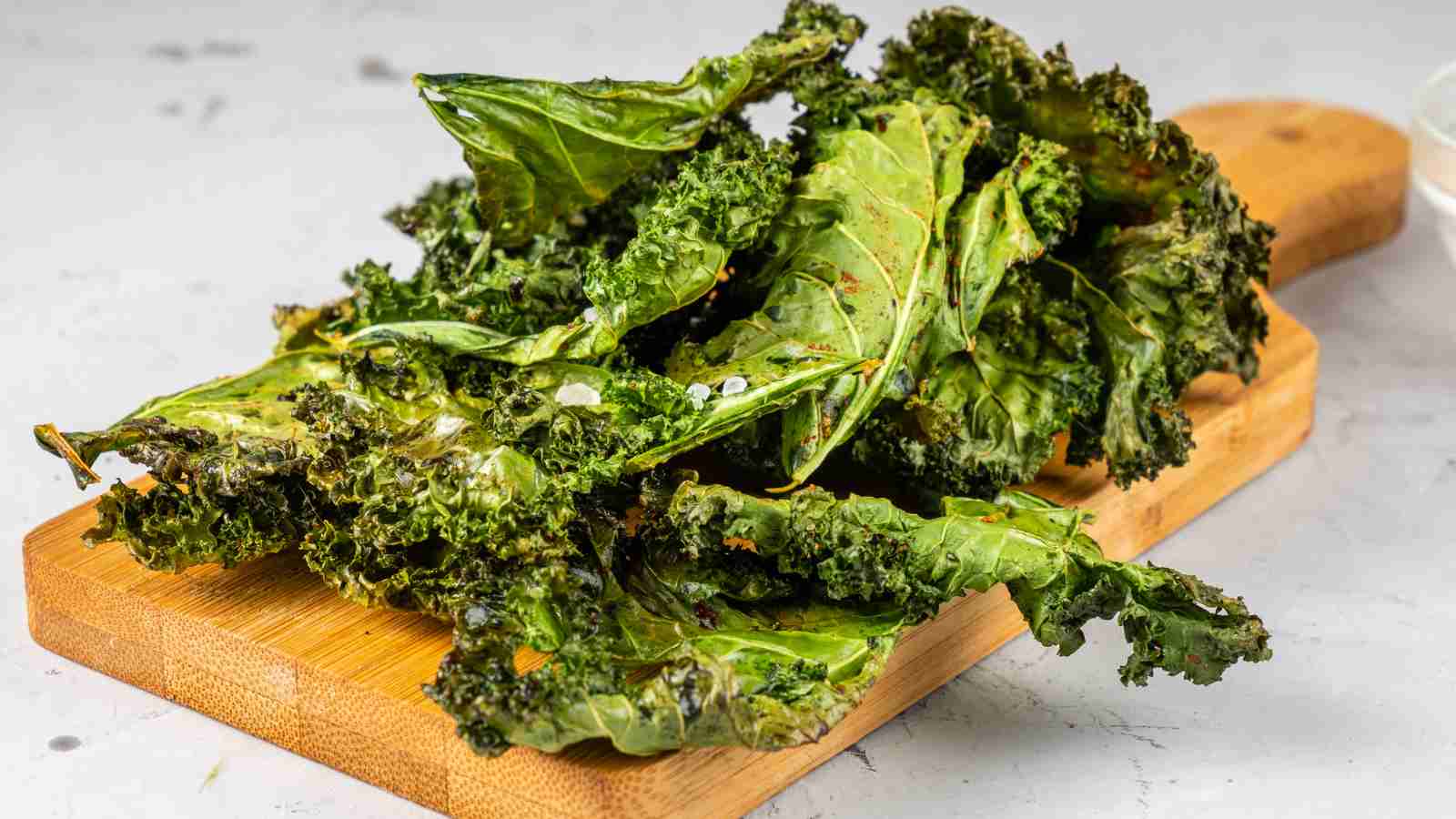
Once relegated to garnish, kale became a superfood star among millennials in the 2010s. Baking it into chips offered a crunchy, low-calorie snack alternative. Farmers responded with larger kale crops to meet skyrocketing demand. Food bloggers and health magazines amplified its popularity. Kale chips symbolize how a humble green became a lifestyle snack.
Hamburger Helper

Introduced in 1971 by General Mills, Hamburger Helper allowed families to stretch ground beef into a full meal with pasta and seasoning packets. It answered the call for quick, affordable dinners during rising meat prices. Microwave cooking and frozen entrees eventually competed with it. Today’s shoppers rarely reach for the boxed mix, preferring fresher or global flavors. Its decline signals a move away from processed convenience kits.
Sourdough Bread
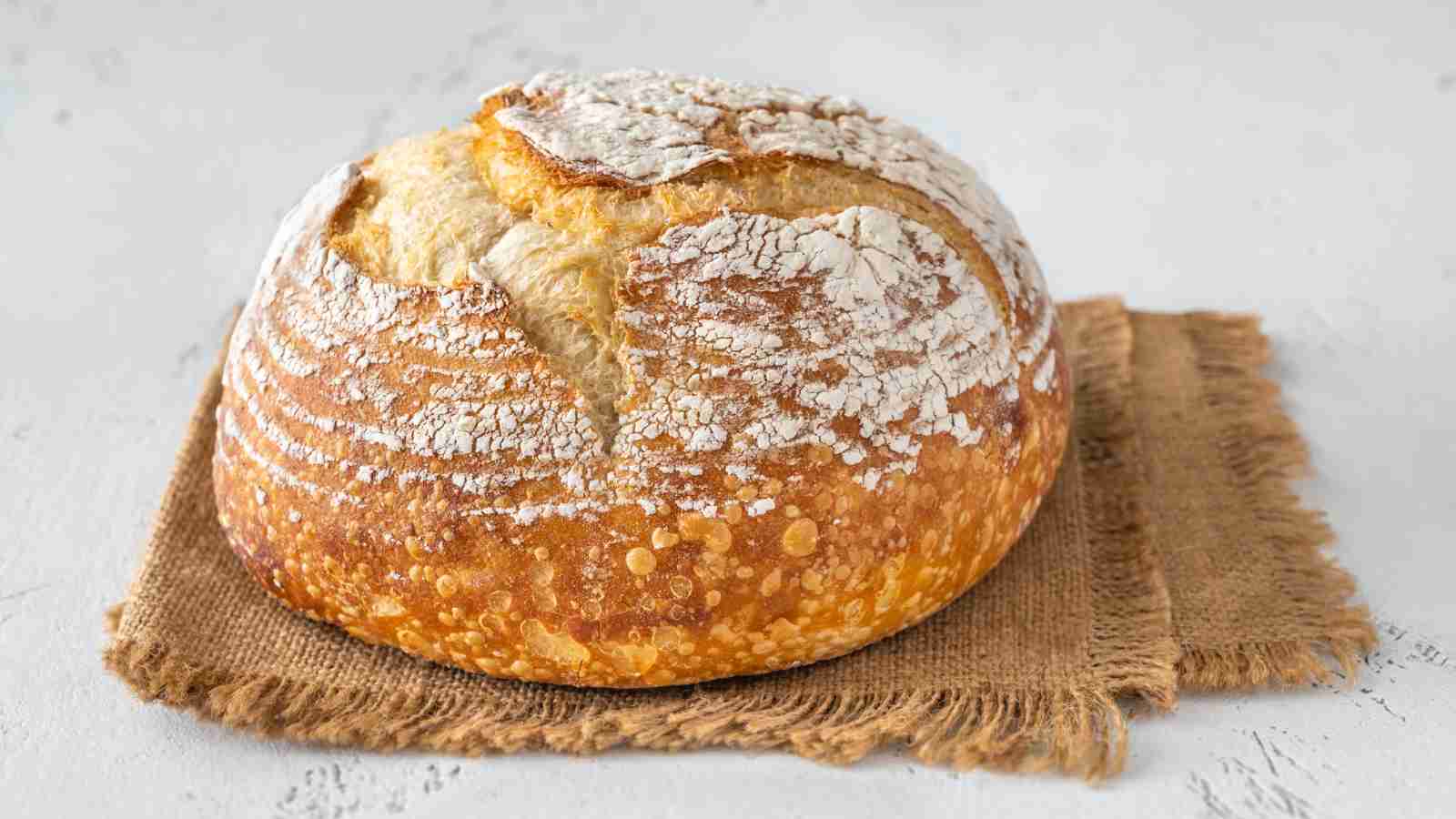
Long a bakery classic, sourdough bread surged in home kitchens during the COVID-19 lockdowns. Its slow fermentation connects to traditional baking methods while appealing to those seeking “natural” processes. Online communities and YouTube tutorials fueled a boom in starter sharing. Artisanal bakeries now highlight their sourdough credentials as a mark of craft. This resurgence shows how an old technique can symbolize patience and authenticity for younger cooks.
Chicken Nuggets

McDonald’s popularized chicken nuggets in 1983, turning them into a kid-friendly staple worldwide. Parents liked their portability and mild flavor. Rising health concerns led to air-fried, whole-breast, or plant-based alternatives. Even school cafeterias revamped nugget recipes to cut sodium and fat. Their makeover reflects ongoing scrutiny of processed foods for children.
Tofu Stir-Fry
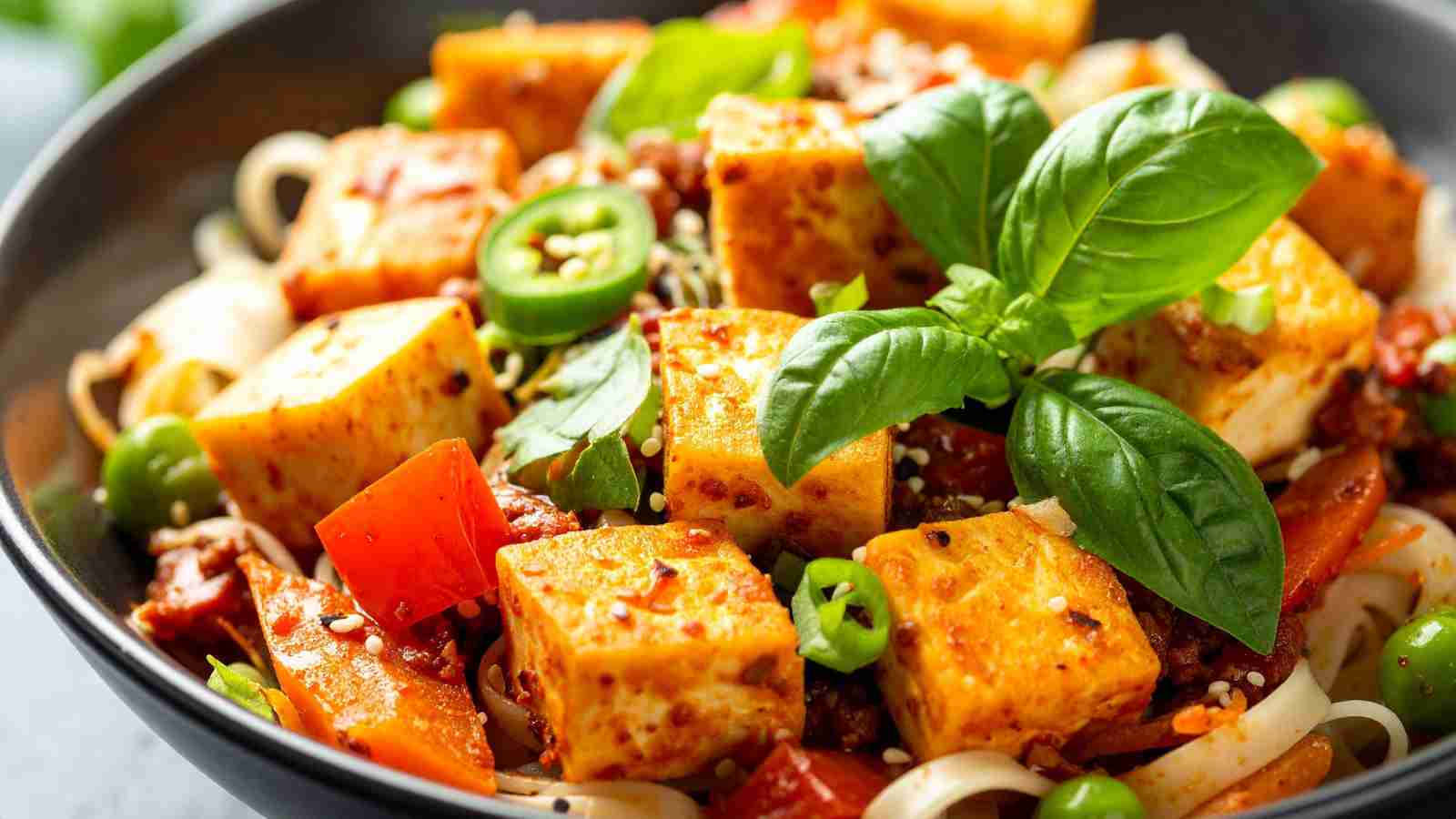
Originally a staple of East Asian cuisines, tofu stir-fry gained mainstream U.S. traction with the vegetarian movement in the 1970s. It provided a high-protein, low-cholesterol alternative to meat. Millennials and Gen Z experiment with marinades and global spices to enhance flavor. Meal kits now include tofu stir-fry options, signaling its normalization. Its journey from niche to routine underscores plant-based eating’s steady rise.
Charcuterie Boards
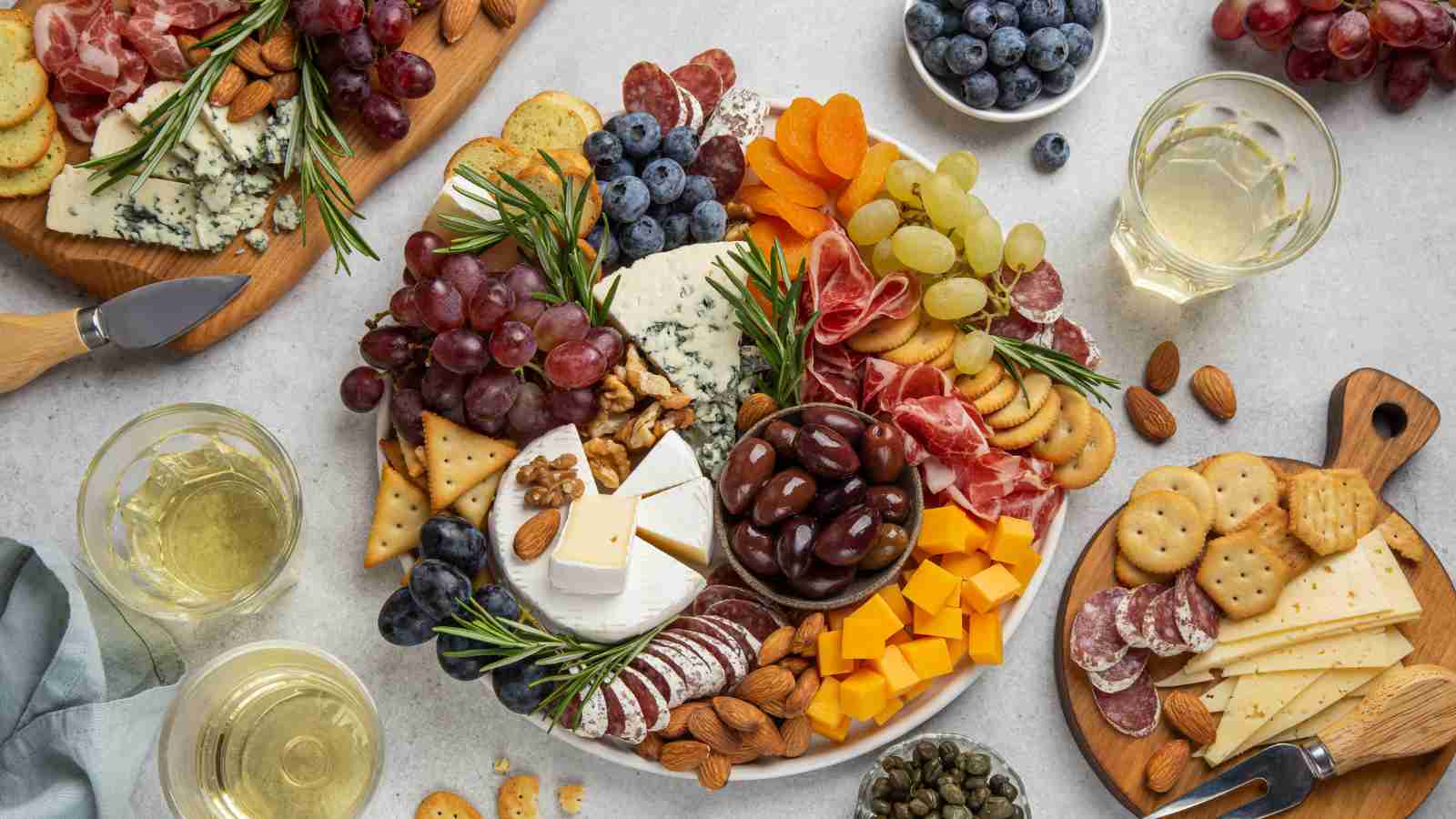
Known for decades as “cold cuts” or antipasto, charcuterie boards were rebranded by millennials and Gen Z as stylish grazing spreads. Social media drove their explosion, with themes from holiday boards to dessert boards. Specialty cheeses, cured meats, and artisan crackers now define home entertaining. Tutorials on board design turned them into a creative outlet. They represent a shift from sit-down courses to shareable, visually appealing snacking.
Cottage Pie
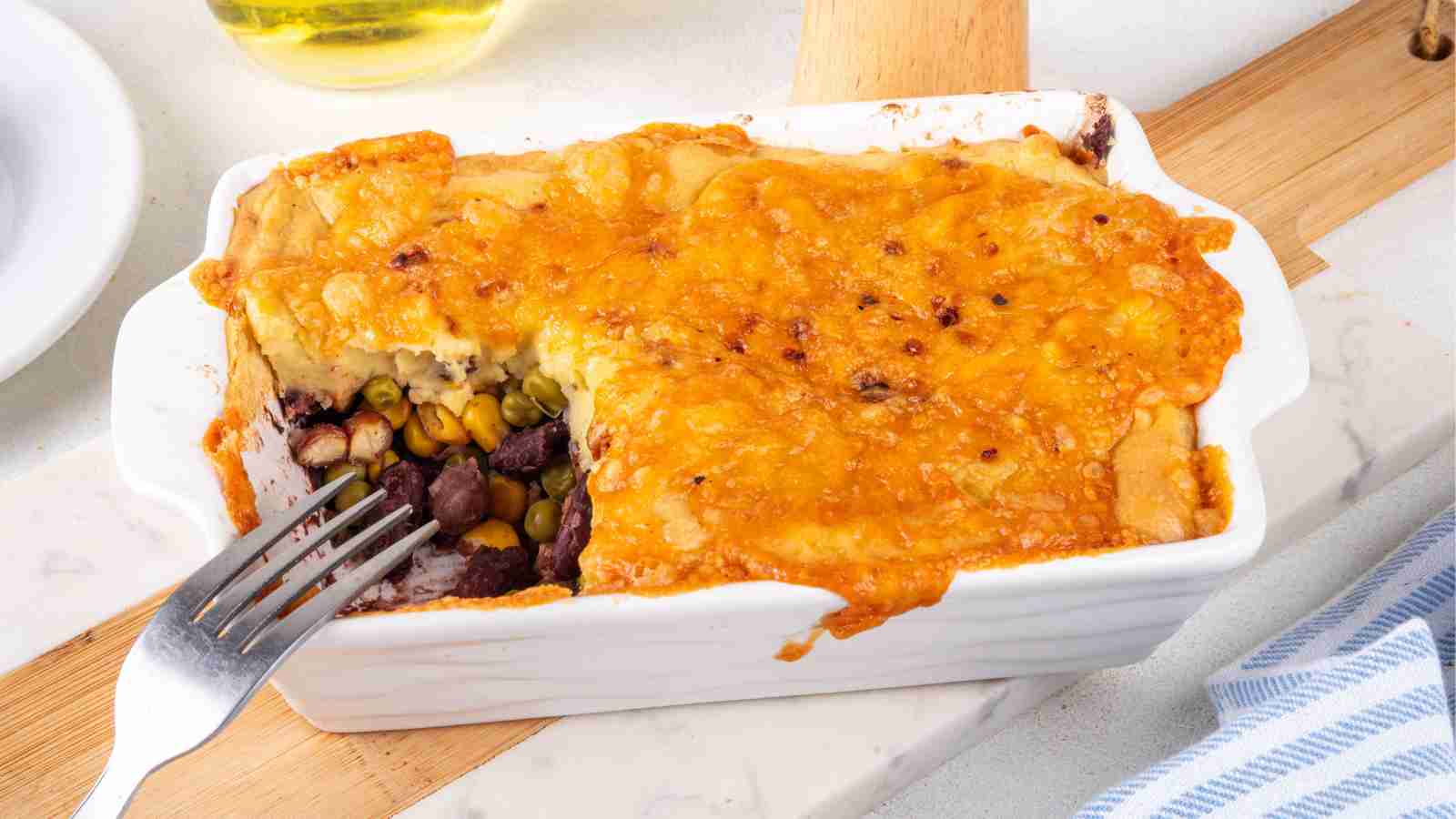
First documented in 18th-century Britain, cottage pie repurposed leftover roasted meat and mashed potatoes into a new dish. Families baked it as a practical way to stretch resources during lean times. Modern versions often swap in lentils, root vegetables, or plant-based mince to meet today’s tastes. Restaurants feature upscale takes with herbs and specialty cheeses while still keeping the layered format. It illustrates how frugal home cooking evolved into an enduring comfort staple.
Street Tacos
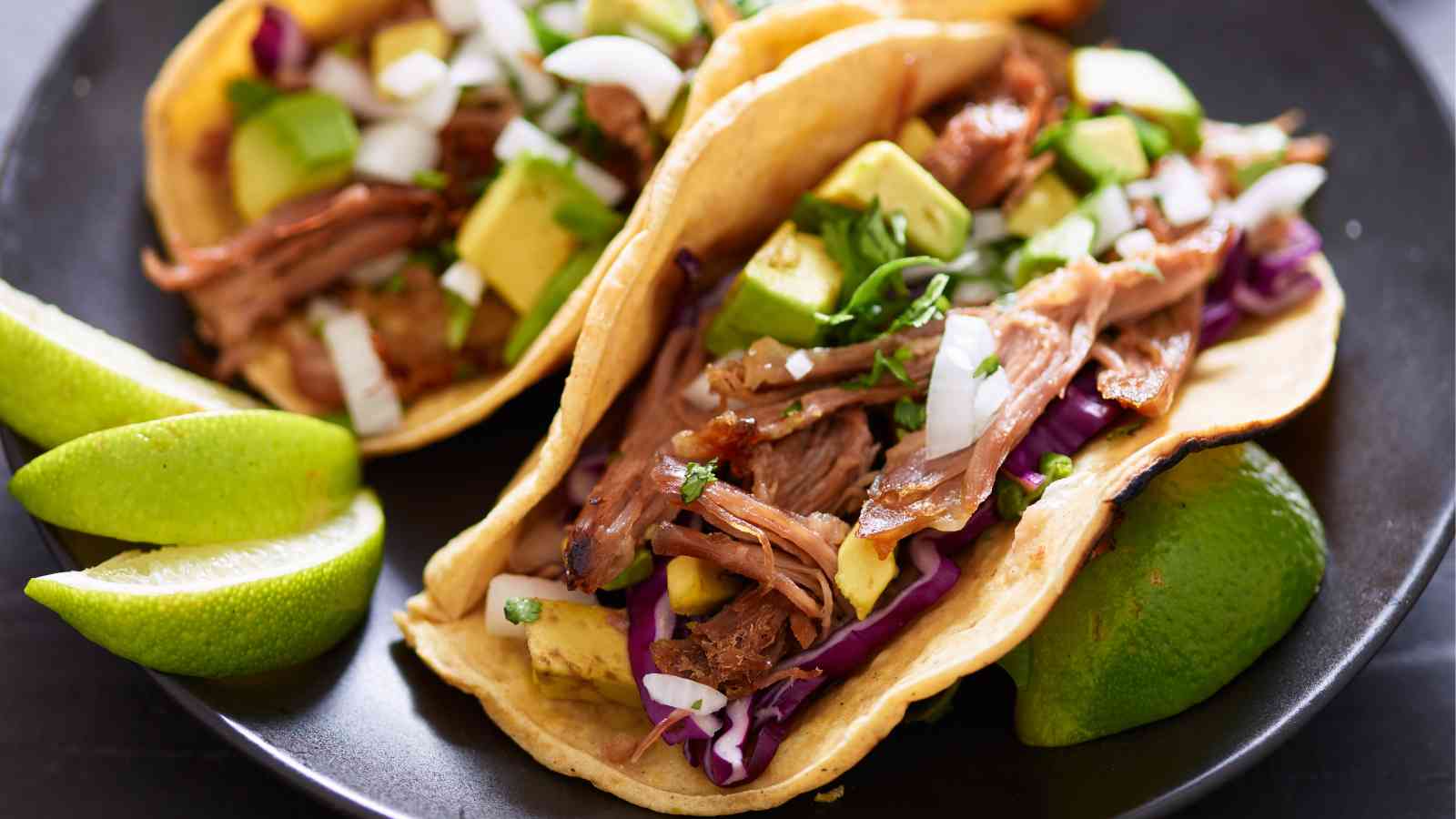
Originating in Mexico’s working-class food stalls, street tacos were designed for quick, inexpensive meals on the go. Small corn tortillas cradle grilled meats, onions, and cilantro without heavy toppings. Food trucks and taquerías in the U.S. now serve them with artisanal tortillas, regional sauces, or plant-based fillings. Their portability and bold flavors resonate with younger diners seeking authentic global food experiences. This evolution shows how street food crossed from local tradition to mainstream trend.
Shakshuka
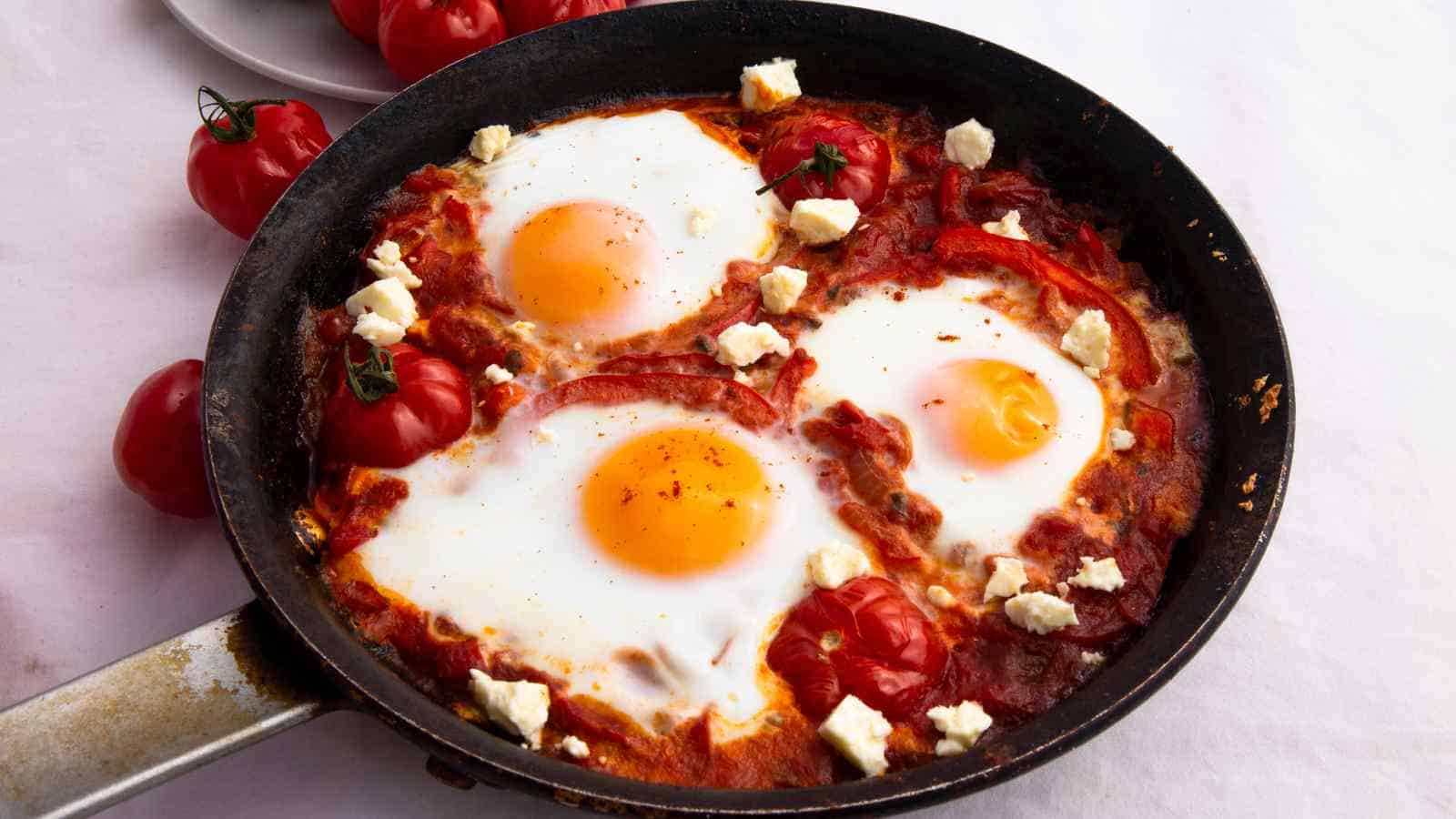
A North African staple of eggs poached in spiced tomato and pepper sauce, shakshuka migrated through the Middle East before becoming an international brunch item. Its one-pan preparation made it a home favorite long before cafés embraced it. Instagram-ready colors—bright reds, greens, and golden yolks—helped fuel its global popularity. Contemporary versions may include feta, chickpeas, or harissa for added depth. Shakshuka embodies how traditional comfort foods transform into weekend rituals worldwide.
Overnight Oats

Rooted in traditional cold-soaked muesli, overnight oats reemerged in the 2010s as a make-ahead breakfast. Rolled oats combine with milk or plant-based alternatives in jars for a no-cook meal. Add-ins like chia seeds, nut butters, and fresh fruit allow endless customization. Food bloggers and social platforms turned it from humble prep into a lifestyle trend. Its success highlights how old ingredients can gain new life through convenience and visual appeal.
20 Meals That Tell the Story of Immigration in America
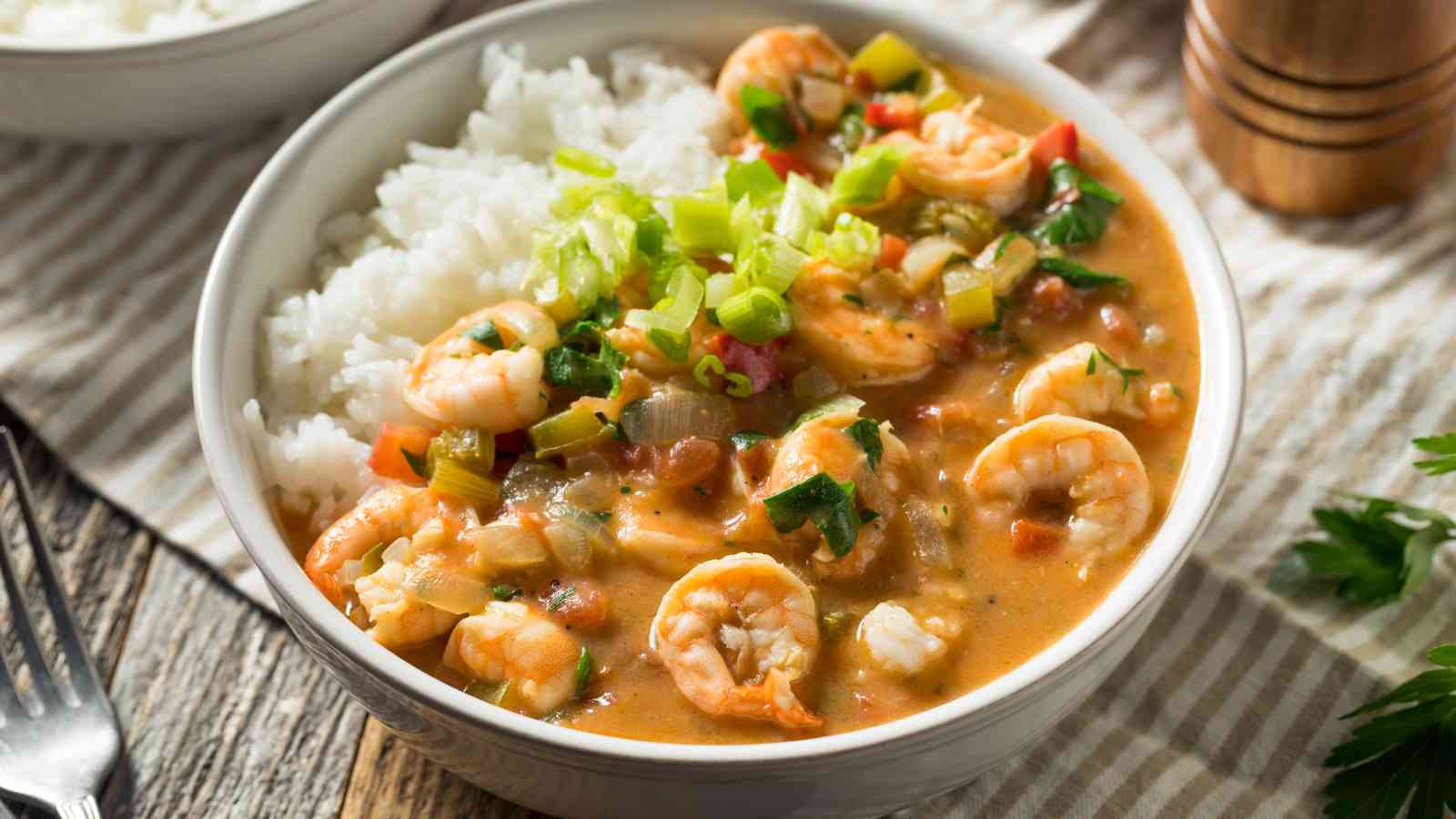
Many foods Americans now take for granted arrived with hopeful immigrants seeking opportunity and familiarity through the meals they prepared. Each plate reflects resilience, innovation, and the shared experience of blending traditions. From hearty stews to handheld snacks, these 20 meals showcase how immigration shaped what you eat today.
20 Meals That Only Exist Because of Leftovers

These meals also show how different countries solved the same problem of using up food in inventive ways. Each one carries a small history lesson on frugality, tradition, and adaptability. Exploring them reveals a surprising mix of practicality and flavor that continues to inspire modern cooking.

Tamara Tsaturyan is the owner and writer of Thriving In Parenting, a website focused on providing simple tips for busy parents — easy and healthy recipes, home decor and organization ideas and all things P A R E N T I N G.

Share Your Thoughts!
I love to know your thoughts, make sure to comment below to start a discussion! You can also follow me on your favorite social network below.