Holiday food traditions reveal more than recipes—they show how each generation thinks, celebrates, and connects. It’s where family stories, rivalries, and traditions all collide. Each perspective on this list highlights the ways habits, preferences, and family dynamics shape mealtime. Differences in approach spark conversation, reflection, and sometimes playful debate. Looking at these moments together offers a clear picture of how holiday meals evolve across generations.

The Side Dish Every Generation Claims Is “The Right Way”
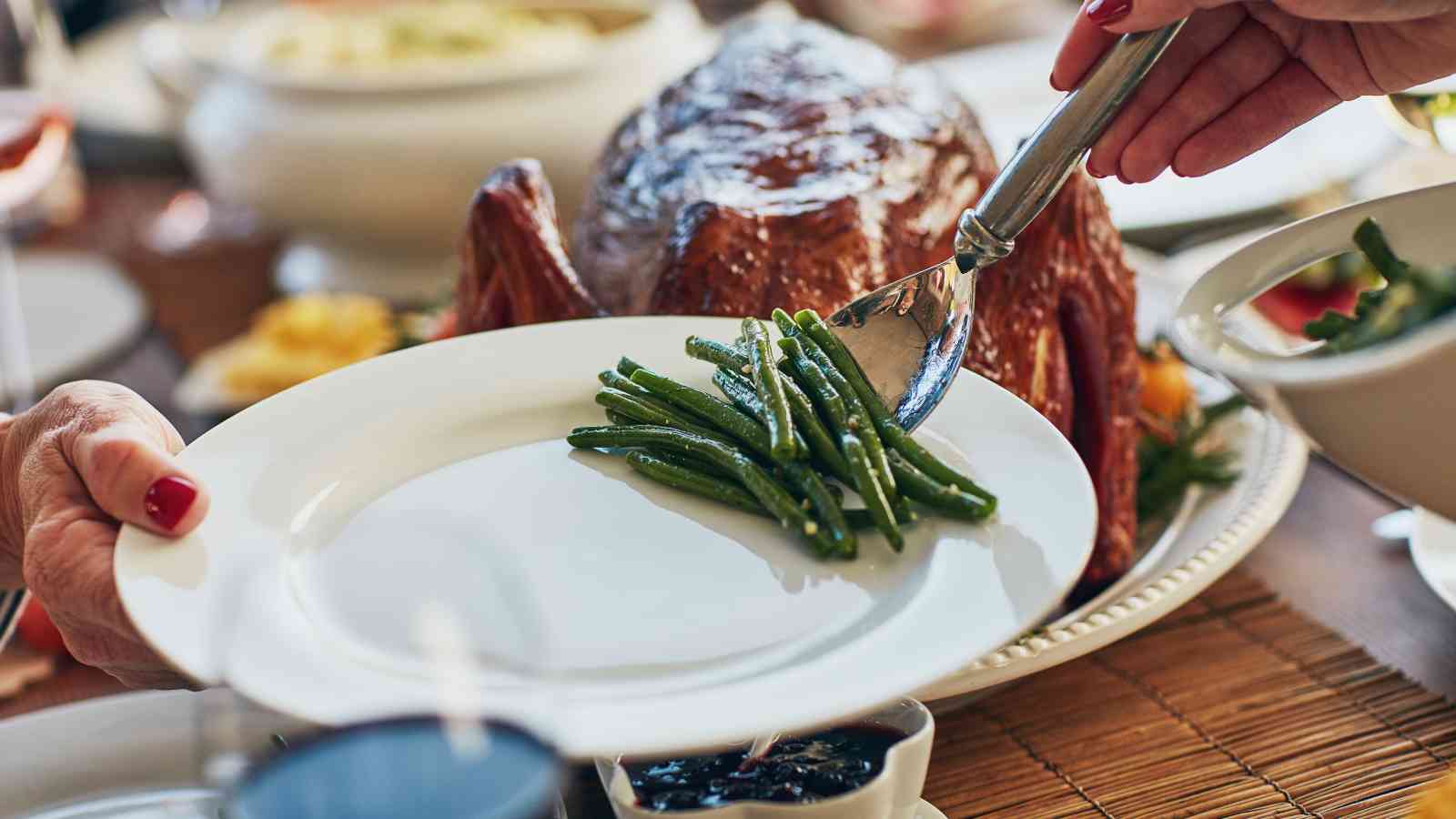
Side dishes often spark heated opinions across generations. Millennials are updating recipes with new spices and ingredients, while Boomers usually stick to the classics handed down through decades. Gen X tends to balance tradition with convenience, making slight tweaks without losing the essence. Gen Z enjoys customizable options, letting each guest decide on flavors. Even small differences can turn one dish into a signature debate at the table.
Gen Z’s Take on Canned Ingredients vs. Homemade
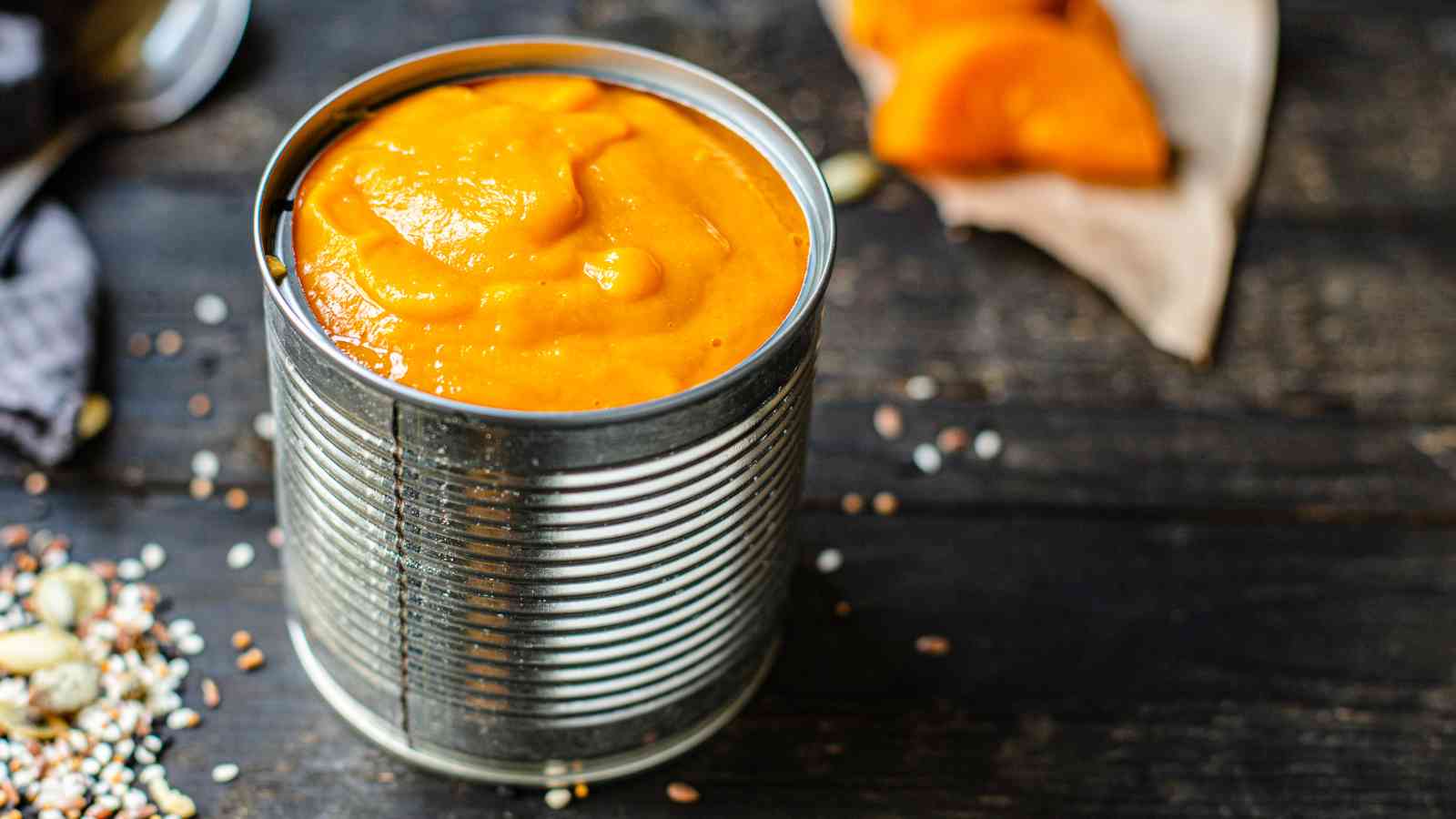
Younger adults increasingly avoid canned soups and pre-made mixes, favoring fresh or DIY alternatives. Boomers continue to rely on canned staples for quick, consistent results. Millennials often experiment, blending convenience with creativity by adding fresh twists. Gen X may use a mix of both, balancing tradition and ease. These choices illustrate how access to information and cooking trends shape holiday meals.
Why Millennials Are Rewriting the Dessert Table
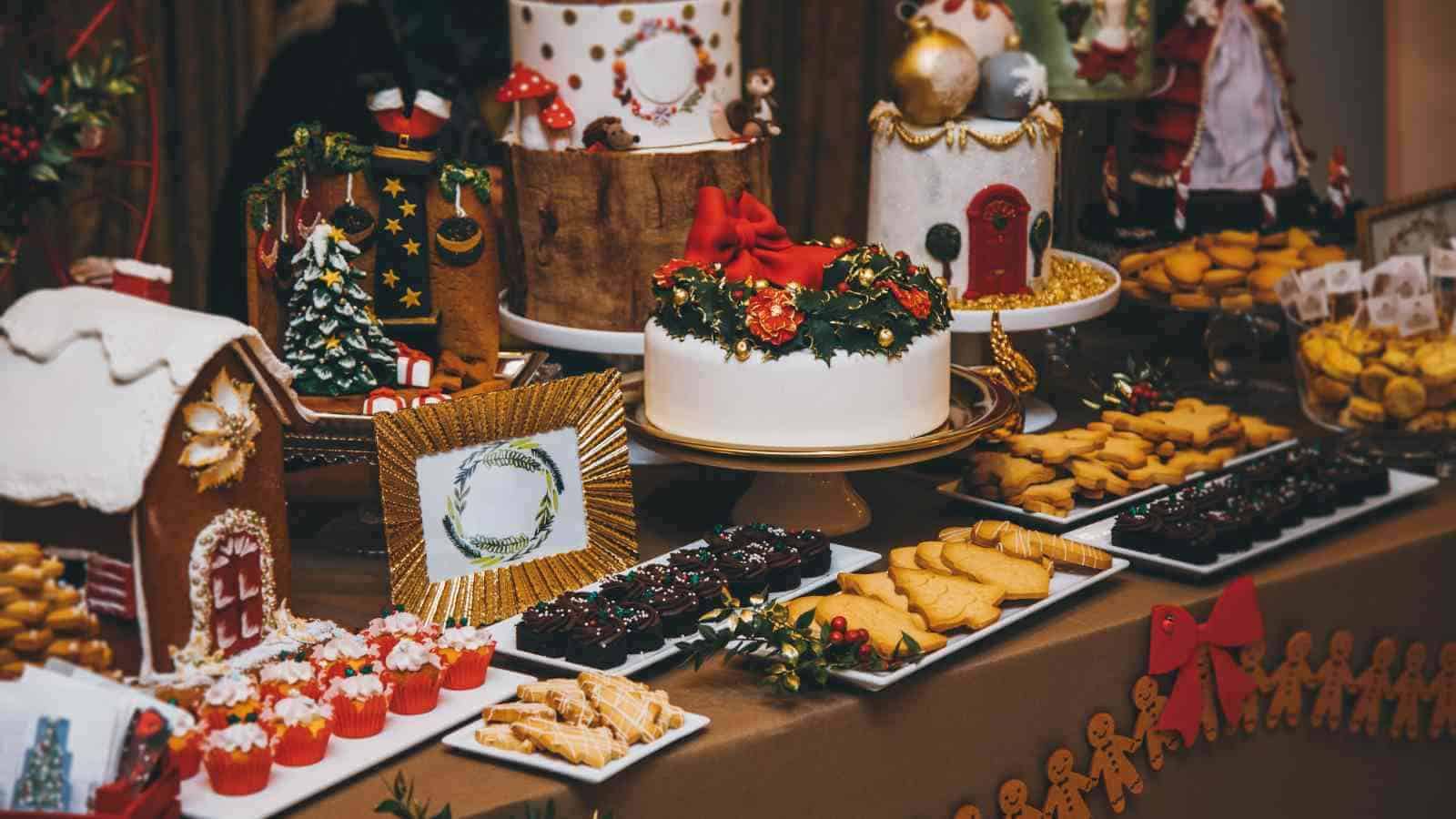
Millennials often update family recipes to suit modern dietary preferences, including gluten-free or dairy-free adjustments. They add creative spins that reflect both nostalgia and innovation. Desserts become a space for experimentation while honoring heritage. Younger cooks enjoy combining flavors in unexpected ways. These updates show how personal taste and cultural awareness are influencing sweet traditions.
The Boomer Battle Over Who Makes the Turkey
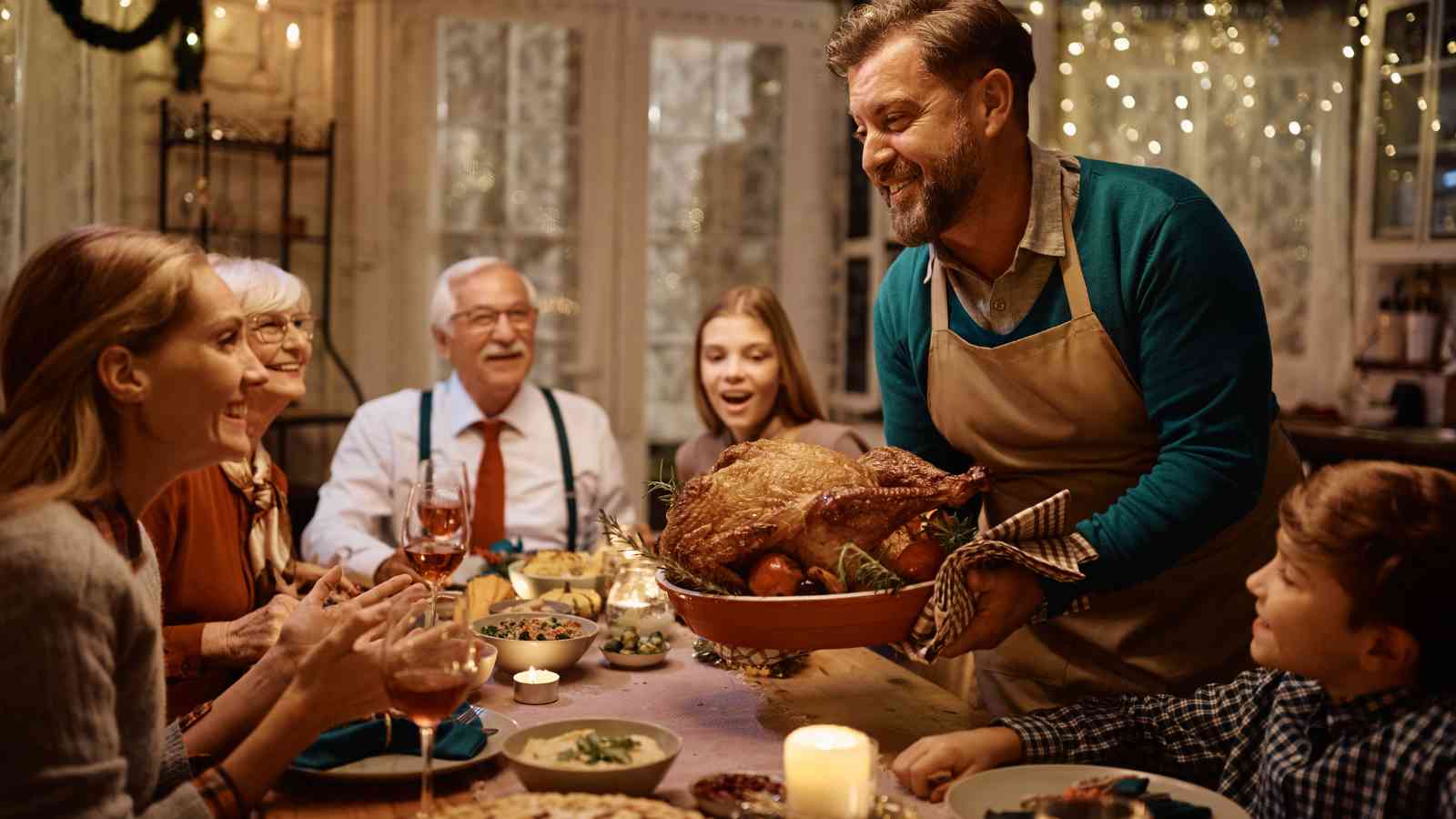
Boomers often insist that only certain relatives can prepare the holiday turkey correctly. Recipes and techniques are closely guarded, creating tension over passing down skills. Millennials and Gen Z are sometimes left on the sidelines, observing rather than participating. Gen X may serve as mediators, keeping traditions alive while encouraging inclusion. Cooking the main dish becomes as much about family hierarchy as flavor.
Gen X Wants Faster Cleanup, Not Bigger Meals
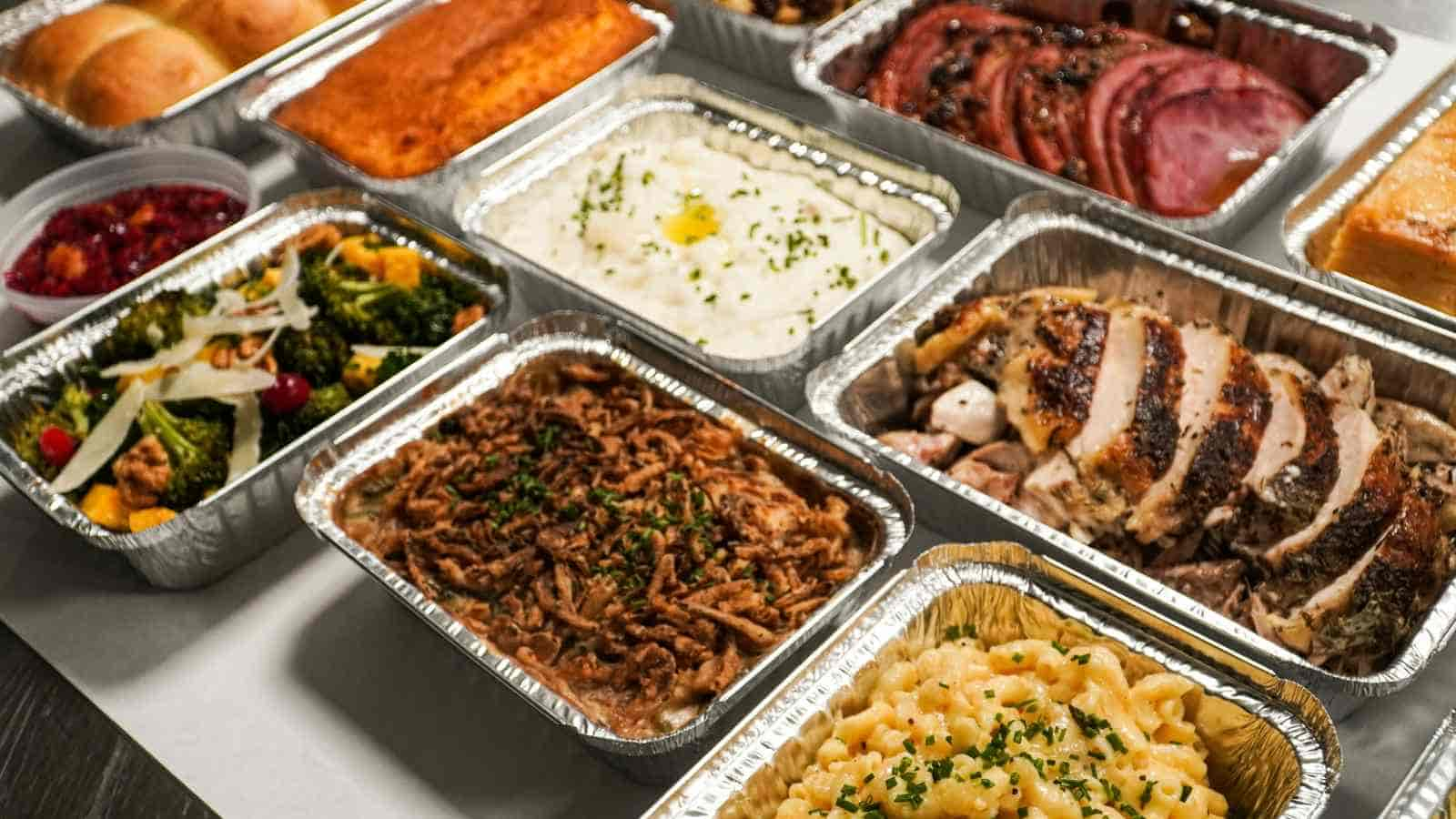
Practicality guides Gen X’s approach to holiday cooking. Disposable pans, one-pot meals, and minimal cleanup are preferred over elaborate spreads. Portion control and efficient preparation reduce stress without eliminating tradition. Millennials and Gen Z notice the convenience but may add personal flair. Streamlined methods reflect a balance between celebration and daily responsibilities.
Gen Z Prefers “Assembling” Over Cooking
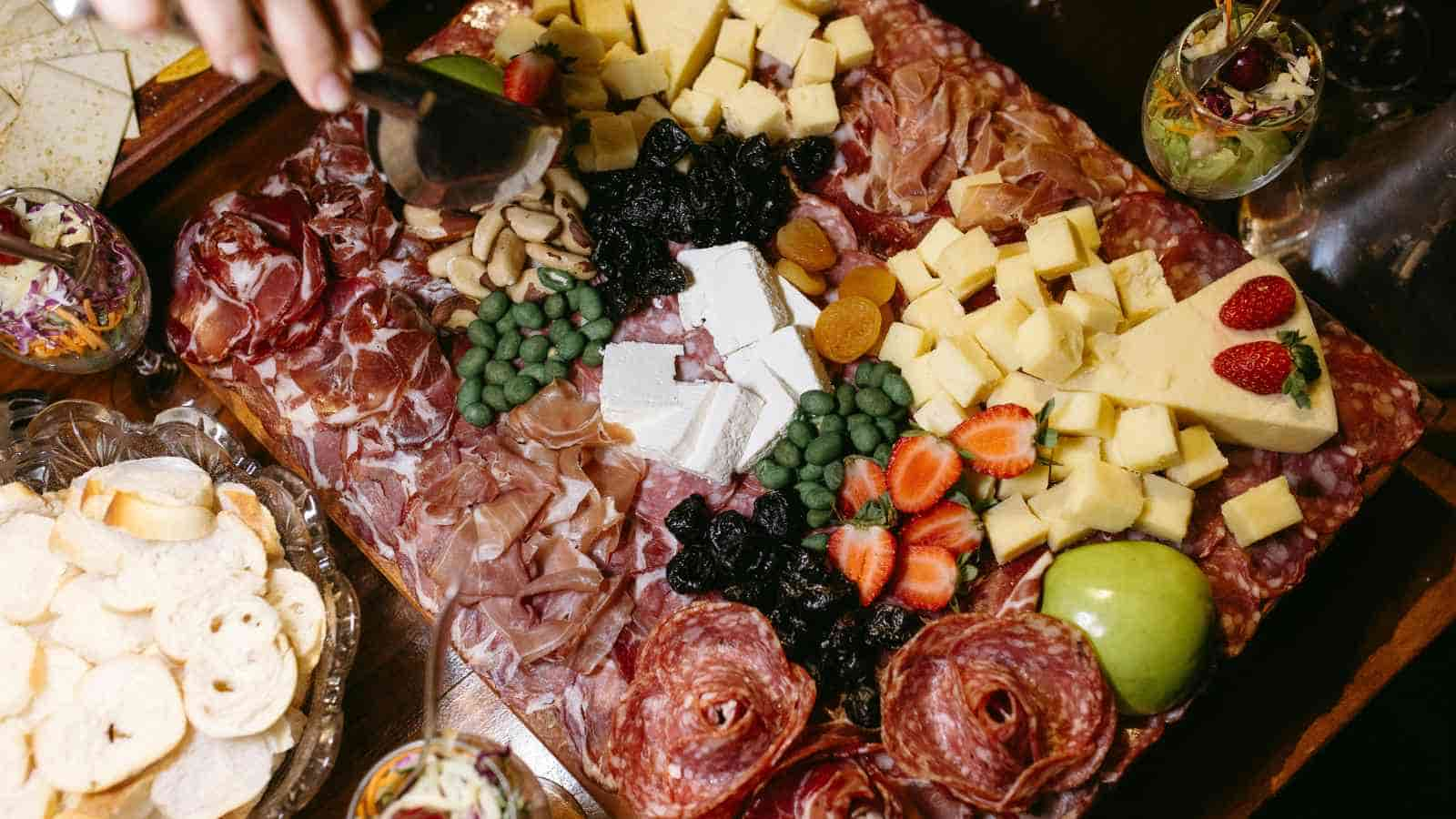
Younger generations favor interactive setups like charcuterie boards and build-your-own stations. Cooking large, formal meals is often replaced by assembling ingredients in creative ways. Convenience and presentation both matter, making grazing-style meals appealing. Millennials and Gen X sometimes adopt similar ideas, especially for casual gatherings. These choices highlight a shift from labor-intensive cooking to social, hands-on experiences.
The Great Stuffing Debate Across Generations

Stuffing sparks a variety of opinions about ingredients and preparation. Oven-baked versus crockpot methods, with or without fruits and onions, divide families. Boomers often defend traditional recipes, while Millennials add experimental flavors. Gen Z may integrate international spices or unconventional textures. Conversations about stuffing reflect both personal taste and generational identity.
Why Many Millennials Now Skip the Formal Dinner Table

Casual, flexible dining has become more popular among Millennials. Meals on couches, staggered eating times, and relaxed seating replace rigid traditions. Comfort and practicality are prioritized over ceremony. Gen X may appreciate the efficiency, though Boomers sometimes resist. This trend shows evolving ideas of togetherness and holiday enjoyment.
Boomers Still Expect a Photo of the Table Before Eating
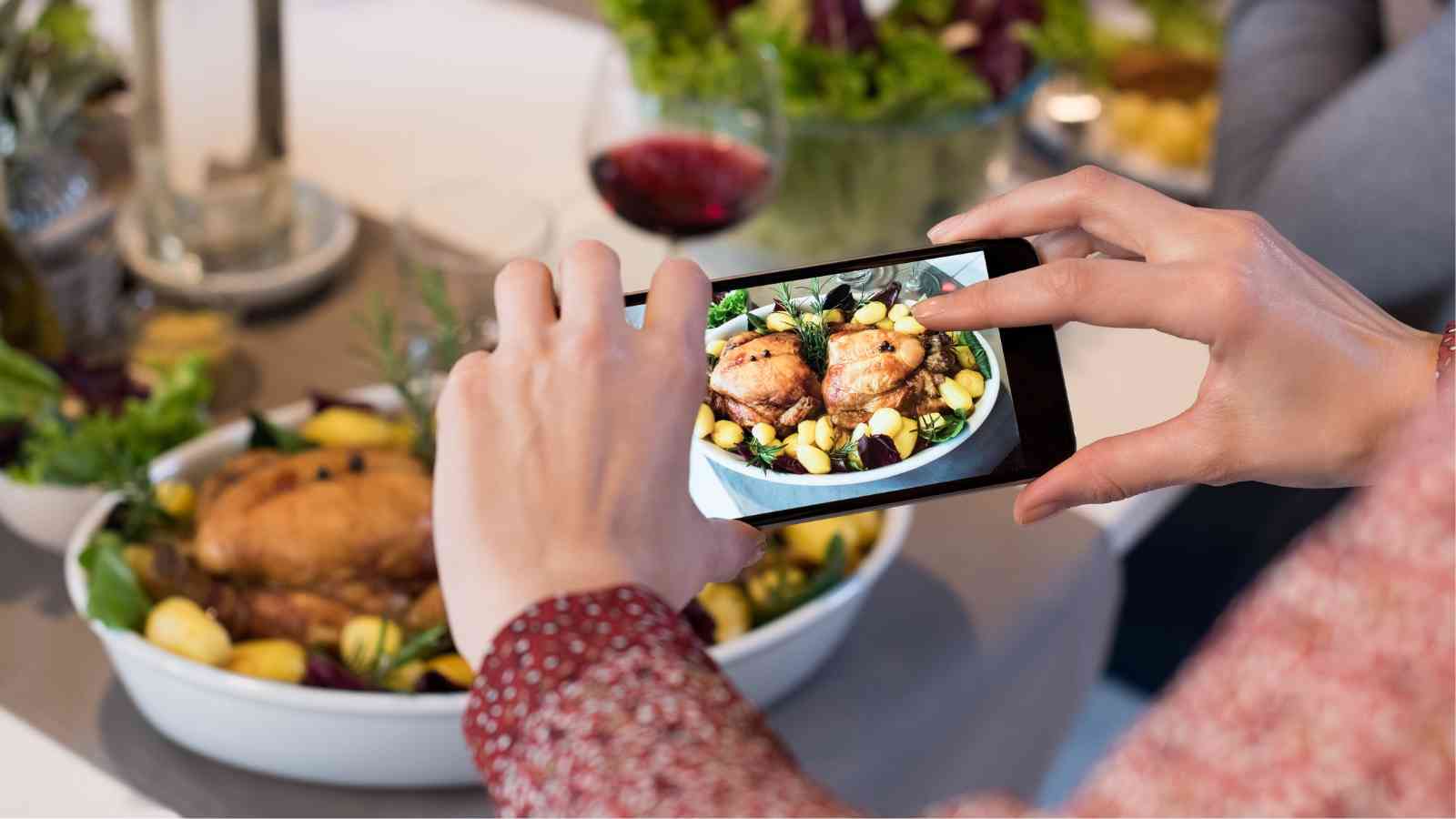
Capturing a perfectly arranged table is important to many Boomers. Photos preserve memories and celebrate tradition visually. Gen Z may eat before everyone arrives, prioritizing immediate enjoyment over presentation. Millennials often negotiate between preserving rituals and encouraging spontaneity. These habits reflect differing values around memory and social sharing.
Gen Z Wants TikTok Recipes on the Menu
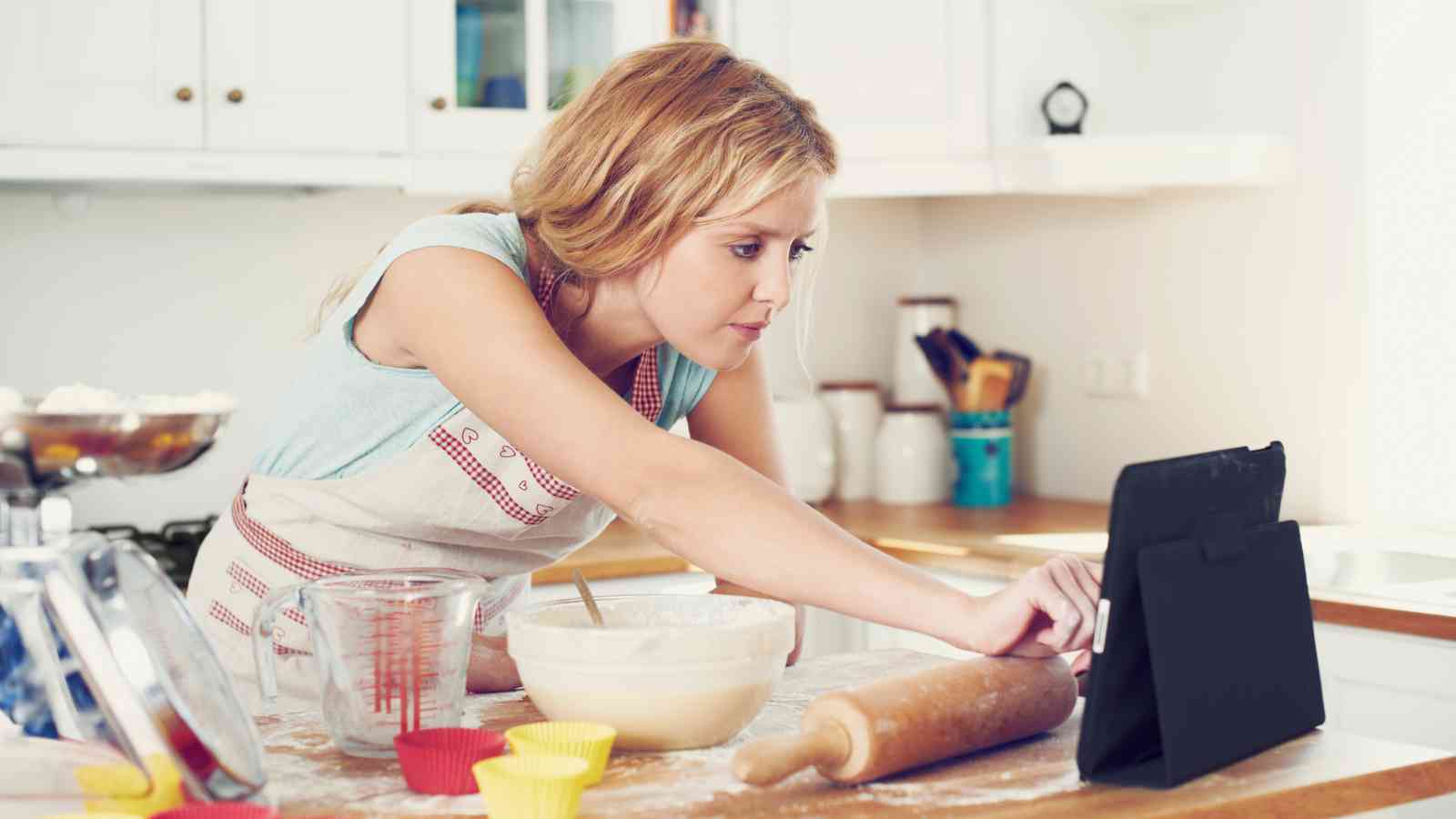
Younger adults often select holiday dishes trending on social media. Viral recipes influence choices more than family legacy in some cases. Millennials may experiment with fusion or updated classics alongside these trends. Boomers typically focus on tried-and-true favorites. Social platforms are shaping what counts as festive food today.
Boomers Say “No Phones at the Table”… Gen Z Says “It’s Part of the Memory”
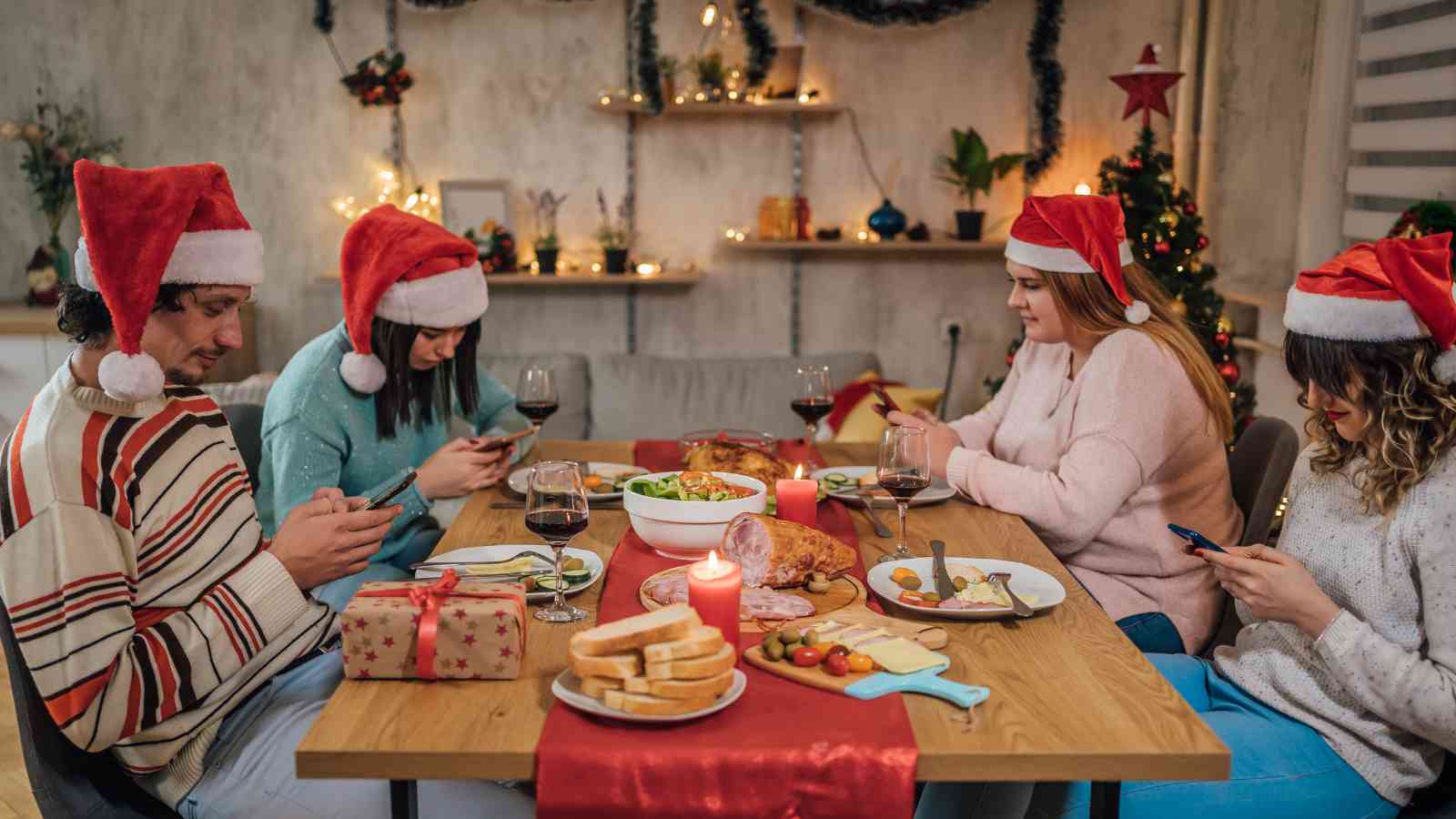
Table manners differ significantly across generations. Boomers value uninterrupted meals, associating attention with respect. Gen Z often documents moments with photos and videos, seeing phones as part of tradition. Millennials negotiate by balancing engagement with social sharing. These contrasting habits illustrate cultural shifts in how memories are created.
Gen X Is Trying to Keep Family Recipes Alive

Gen X frequently preserves recipes from older relatives while making them accessible digitally. Handwritten cards are scanned or adapted to apps, ensuring longevity. They often serve as bridges between Boomers’ strict traditions and younger generations’ modern twists. Their efforts maintain culinary heritage while adapting to current technology. Family meals reflect both history and evolving methods.
Millennials Are Hosting “Friendsgiving” More Than Family Feasts
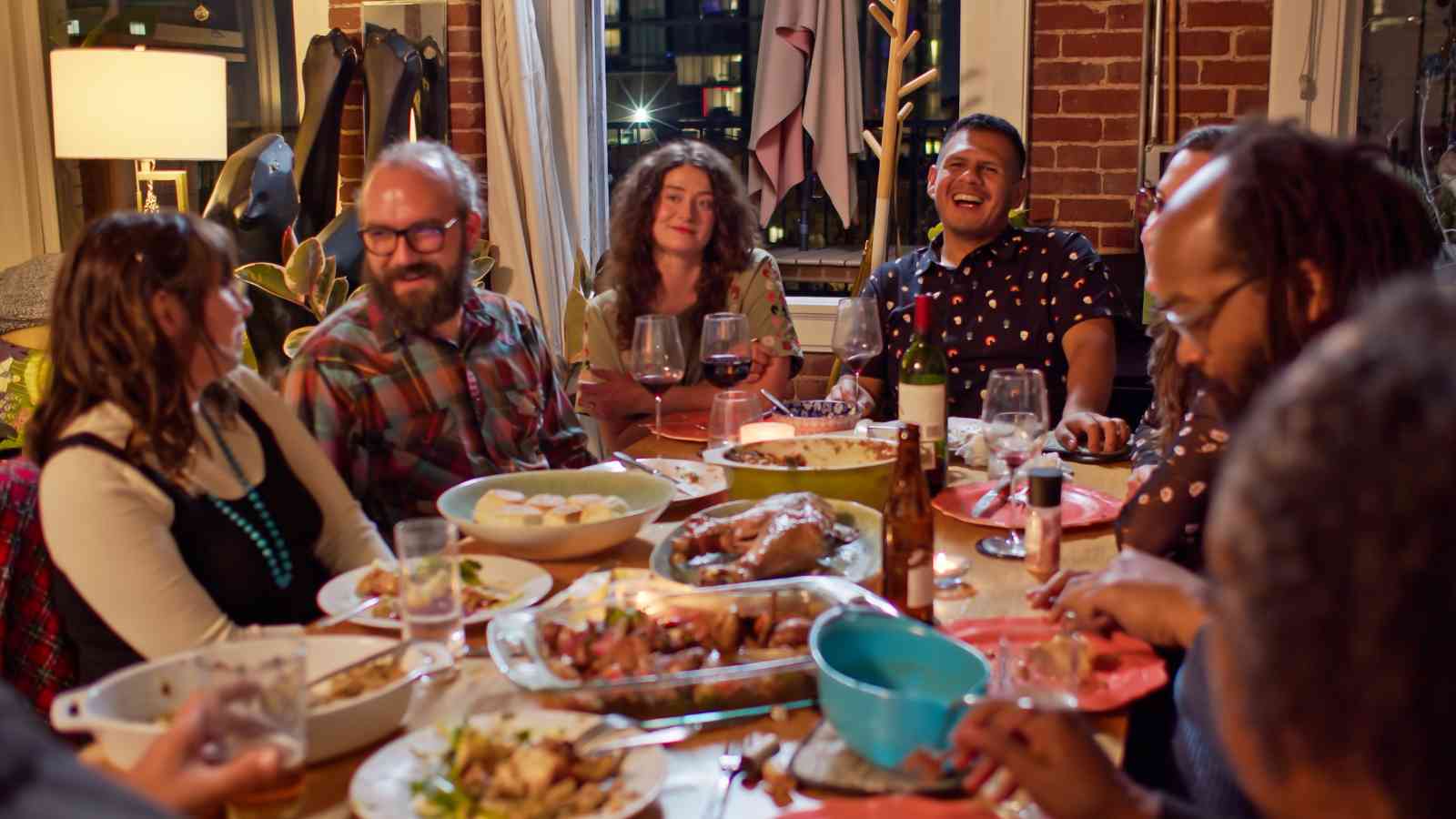
Friend-centered gatherings appeal to Millennials seeking flexibility in guest lists. Recipes are tailored for informal, shared experiences rather than formal family expectations. Boomers sometimes question the significance of these meals. Gen Z participates by contributing creative or global dishes. Friendsgiving demonstrates the blending of tradition with social evolution.
Boomers Expect Leftovers, Gen Z Wants Practical Portions

Larger portions and planned leftovers are standard for Boomers, reflecting a value on abundance. Younger generations prefer preparing just enough, avoiding waste or excessive storage. Millennials balance both approaches, adjusting recipes to guest count. Portion control emphasizes practicality and flexibility. Generational priorities shape how meals are prepared and consumed.
Gen Z Is Bringing Global Flavors to the Table

Young adults often include dishes inspired by international cuisines. Korean, Middle Eastern, and fusion recipes are increasingly common. Millennials may experiment with similar flavors but often with a nostalgic twist. Gen X may adopt selective additions while respecting traditional menus. These choices reflect cultural curiosity and diverse culinary interests.
The Cookie Recipe That Every Generation Thinks They Own

Cookies are a source of friendly rivalry across families. Shortbread, gingerbread, or chocolate chip recipes are defended passionately. Boomers often claim original authority, while Millennials experiment with variations. Gen Z introduces modern flavors and formats, sometimes influenced by social media. Cookies symbolize both heritage and playful competition at holidays.
Why Millennials Hate The Phrase “That’s Not How We Do It”

Rigid expectations can clash with Millennials’ desire for creativity. They prefer exploring new ingredients, presentation styles, or dietary alternatives. Boomers often interpret change as disrespecting tradition. Gen X mediates, appreciating both innovation and heritage. Allowing experimentation reflects evolving attitudes toward family customs.
Gen X Remembers When Holiday Food Wasn’t Instagram-Ready
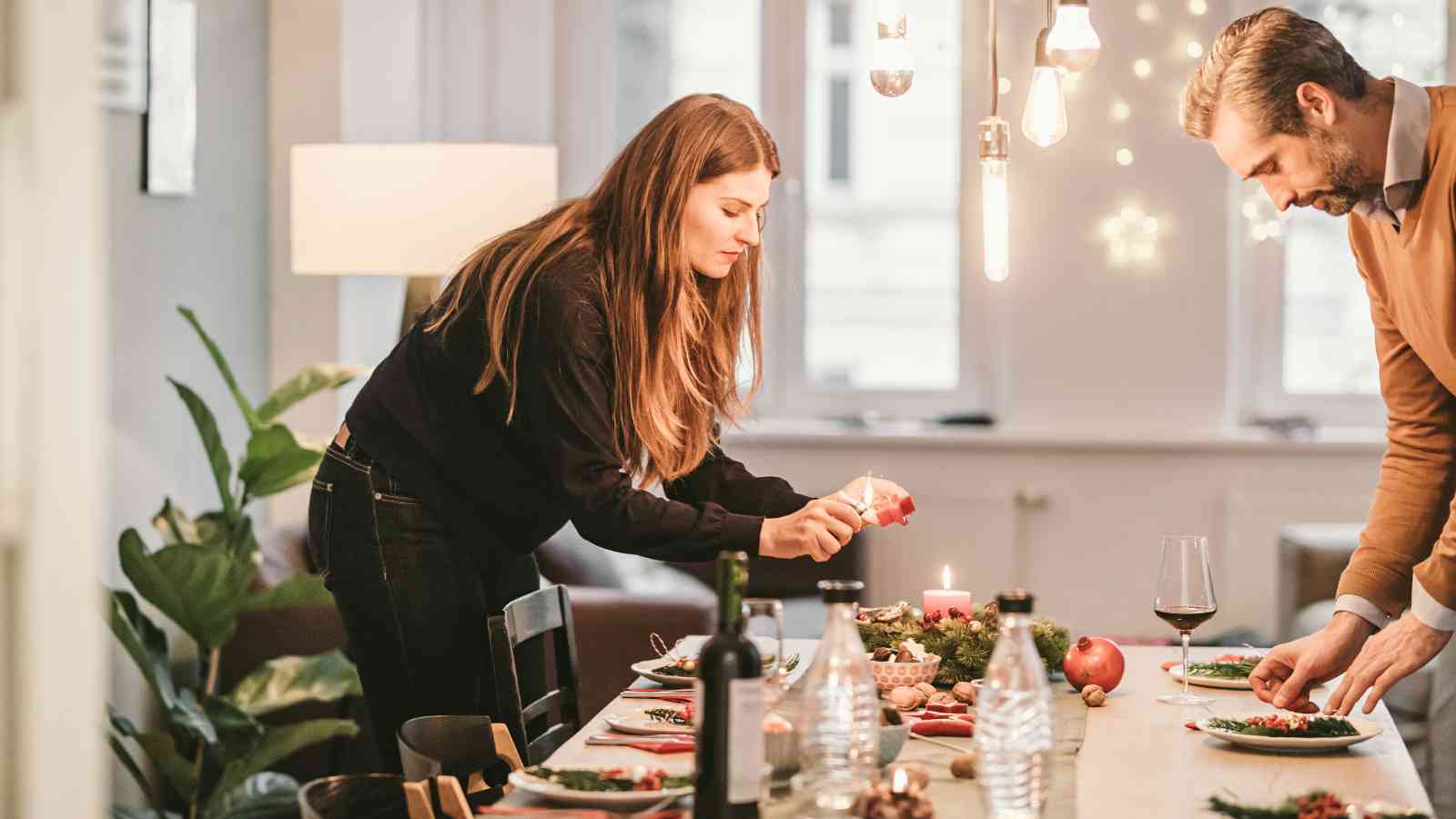
Messy, imperfect spreads were once the norm for Gen X families. Presentation mattered less than shared experience and flavor. Younger generations prioritize aesthetics alongside taste. Millennials may combine nostalgia with modern style, while Boomers focus on substance. These memories illustrate shifts in visual and social priorities around meals.
Boomers Still Value Hours in the Kitchen
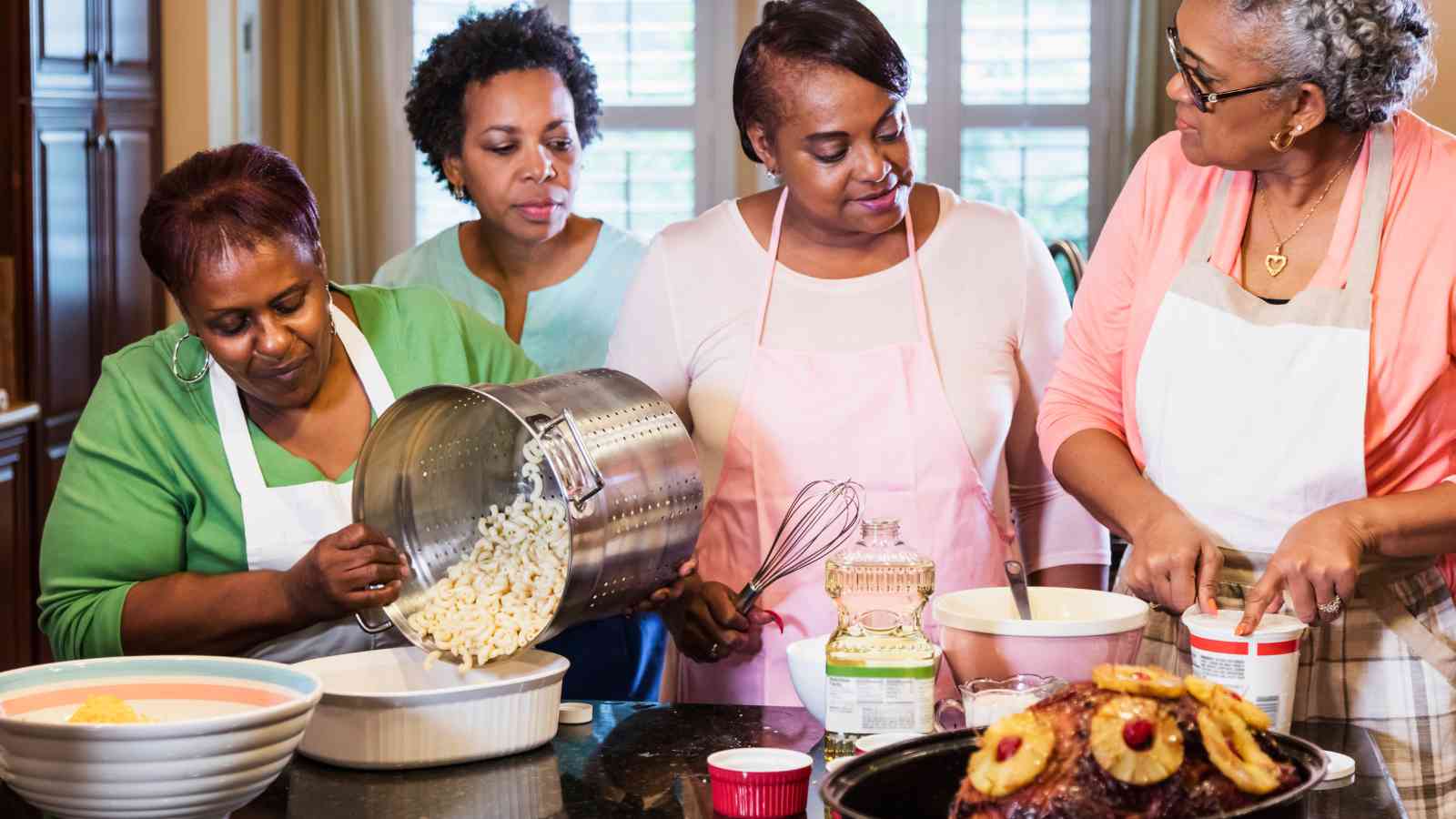
Time spent cooking remains a central expression of care for Boomers. Elaborate preparation conveys effort and love. Millennials may appreciate flavor but prefer efficiency or shortcuts. Gen Z tends to favor minimal cooking, prioritizing assembly or convenience. Lengthy kitchen sessions continue to symbolize commitment and tradition.
Why Gen Z Loves Tiny Portions and Grazing All Day

Holiday eating increasingly emphasizes grazing rather than structured meals for younger adults. Small, frequent bites allow variety without commitment to one large plate. Millennials may combine grazing with main dishes, while Boomers prefer set meals. Presentation and interactivity often outweigh sheer quantity. This style redefines the holiday table as a casual, dynamic experience.
15 Weirdly Specific Holiday Food Problems Everyone Has Faced

Here’s a list of 15 weirdly specific holiday food problems everyone has faced, explained in a fun, factual, and practical way. Understanding why they happen can actually save you from unnecessary stress and wasted food.
20 Holiday Prep Hacks Home Cooks Are Sharing This Year

These shortcuts didn’t start as trends but as practical adjustments people discovered while trying to avoid last-minute chaos. With more cooks sharing what truly works, holiday prep is becoming less about scrambling and more about using smart, reliable systems.

Tamara Tsaturyan is the owner and writer of Thriving In Parenting, a website focused on providing simple tips for busy parents — easy and healthy recipes, home decor and organization ideas and all things P A R E N T I N G.

Share Your Thoughts!
I love to know your thoughts, make sure to comment below to start a discussion! You can also follow me on your favorite social network below.