Fruits are often celebrated for their health benefits, but did you know some of your favorite ones like apples, grapes, and bananas, are sneakily packed with more sugar than you’d expect? If you’re trying to manage your sugar intake without sacrificing flavor, here are the top 15 low-sugar fruits you can enjoy, guilt-free! Packed with vitamins, minerals, and antioxidants, they deliver all the flavor and nutrition you love, without tipping the sugar scales. Incorporate these fruits into your diet to enjoy their delicious flavors and nutritional benefits!

Strawberries

Strawberries are not only sweet and juicy but also low in sugar, with about 7 grams per cup. They are high in vitamin C and antioxidants, which support your immune system and help protect your body from inflammation. Eating strawberries can also improve heart health by supporting healthy blood pressure levels. These berries are versatile, making them perfect for salads, smoothies, yogurt parfait or a quick snack.
Lemon
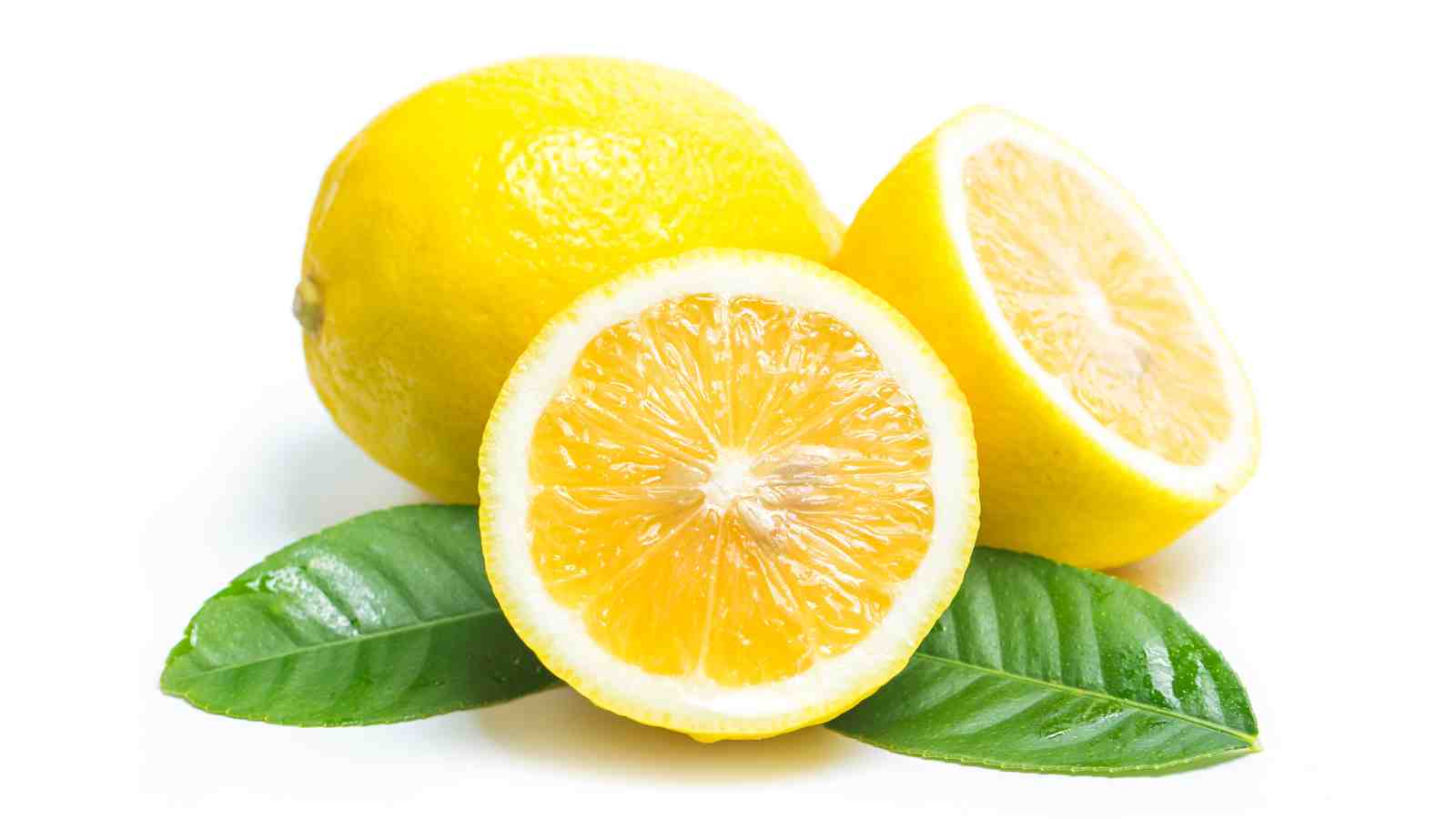
Lemons have about 2 grams of sugar per lemon and are known for their tangy flavor. They are an excellent source of vitamin C, which boosts your immune system and helps with iron absorption. Lemons can also aid in digestion and promote hydration. Use them to add zest to your dishes or to enhance the flavor of water.
Kiwi

Kiwi contains approximately 7 grams of sugar per fruit, which is slightly higher but still manageable. It’s packed with vitamins C and K, and it contains more vitamin C than an orange. Kiwi also provides a good amount of fiber, which is beneficial for digestion. This tropical fruit is great in salads, smoothies, or just on its own.
Watermelon

Watermelon has about 9 grams of sugar per cup, making it a refreshing and low-sugar option. It is incredibly hydrating, thanks to its high water content, and contains antioxidants like lycopene. Watermelon also supports heart health and can help with muscle recovery after exercise. Enjoy it chilled or as part of a fruit salad or as a main ingredient for a watermelon ice cream!
Orange

Oranges have approximately 12 grams of sugar per fruit, but they’re still a good option for a sweet treat. They are well-known for their high vitamin C content, which supports your immune system. Oranges also provide fiber and antioxidants that help reduce inflammation and improve heart health. Enjoy them as a snack or in juices.
Avocado

Raspberries
Avocado contains only about 1 gram of sugar per fruit and is an excellent low-sugar choice. It’s rich in healthy fats, which are good for heart health, and provides a range of vitamins and minerals, including potassium and folate. Avocado also helps with satiety, making it a great addition to meals. Enjoy it in salads, on a sweet potato toast, or blended into smoothies.

With just 5 grams of sugar per cup, raspberries are a fantastic low-sugar fruit. They are rich in fiber, which aids in digestion and keeps you feeling full longer. Raspberries are also packed with vitamins C and K, which are essential for healthy skin and bones. Enjoy them fresh, in frozen yogurt, or as a topping for your favorite sweet treats like a chocolate cream tart.
Cantaloupe

Cantaloupe has about 13 grams of sugar per cup in cubes and is full of vitamins A and C. It’s also a great source of hydration, with its high water content. This fruit helps support healthy vision and skin. Cantaloupe is a tasty addition to fruit salads or can be enjoyed on its own.
Peach

A medium peach contains around 13 grams of sugar, which is on the higher end but still a good choice in moderation. Peaches are rich in vitamins A and C and have antioxidant properties that support overall health. They are also high in fiber, aiding digestion and promoting a healthy gut. Enjoy peaches fresh, grilled, or in smoothies.
Papaya
Papaya contains around 11 grams of sugar per cup in cubed cuts and is rich in vitamins A and C. It aids in digestion due to its papain enzyme, which helps break down proteins. Papaya is also great for skin health and has anti-inflammatory properties. This tropical fruit is delicious fresh or blended into smoothies.
Blackberries

With about 7 grams of sugar per cup, blackberries are a flavorful and low-sugar fruit. They are high in fiber, vitamins C and K, and antioxidants, which support overall health. Blackberries also help with digestion and can boost heart health. They make a great snack or can be added to yogurt and cereals.
Gooseberries

Gooseberries have roughly 6 grams of sugar per cup and are known for their tart flavor. They are rich in vitamin C and antioxidants, which are beneficial for skin health and immune function. Gooseberries also contain fiber that supports digestion. Enjoy them fresh or as part of a dessert.
Cranberries

Cranberries contain about 4 grams of sugar per cup and are highly valued for their antioxidant properties. They support urinary tract health and are a good source of vitamin C and fiber. Fresh cranberries can be tart, so they are often enjoyed in juices or mixed with other fruits. They’re also a great addition to salads and desserts like cheesecake bars.
Apricots

Apricots have around 9 grams of sugar per fruit and are packed with vitamins A and C. They also provide dietary fiber and antioxidants, which help maintain healthy vision and skin. Apricots are great fresh, dried, or as part of a fruit salad. They make a tasty and nutritious snack option.
Plums

Plums have about 9 grams of sugar per fruit and are rich in vitamins C and K. They provide dietary fiber, which supports digestive health and can help regulate blood sugar levels. Plums are also high in antioxidants that protect the body from oxidative stress. Enjoy them fresh, dried, or in desserts.

Tamara Tsaturyan is the owner and writer of Thriving In Parenting, a website focused on providing simple tips for busy parents — easy and healthy recipes, home decor and organization ideas and all things P A R E N T I N G.

Share Your Thoughts!
I love to know your thoughts, make sure to comment below to start a discussion! You can also follow me on your favorite social network below.