There are countless medications available today for every little ache, sneeze, or sniffle. The list keeps growing as experts discover new compounds and continue to uncover breakthroughs and formulate treatments. But long before there were pharmaceuticals neatly arranged on shelves, people turned to their kitchens and gardens for remedies. Everyday ingredients like garlic, honey, and vinegar weren’t just flavor boosters—they were medicine. These humble pantry staples were trusted treatments passed down through generations, valued for their healing properties as much as their taste. Here are 15 everyday items that were once valued for more than just flavor—because long before prescriptions, food really was medicine. You’d be surprised how many pantry staples once played starring roles in ancient healing systems across the world!
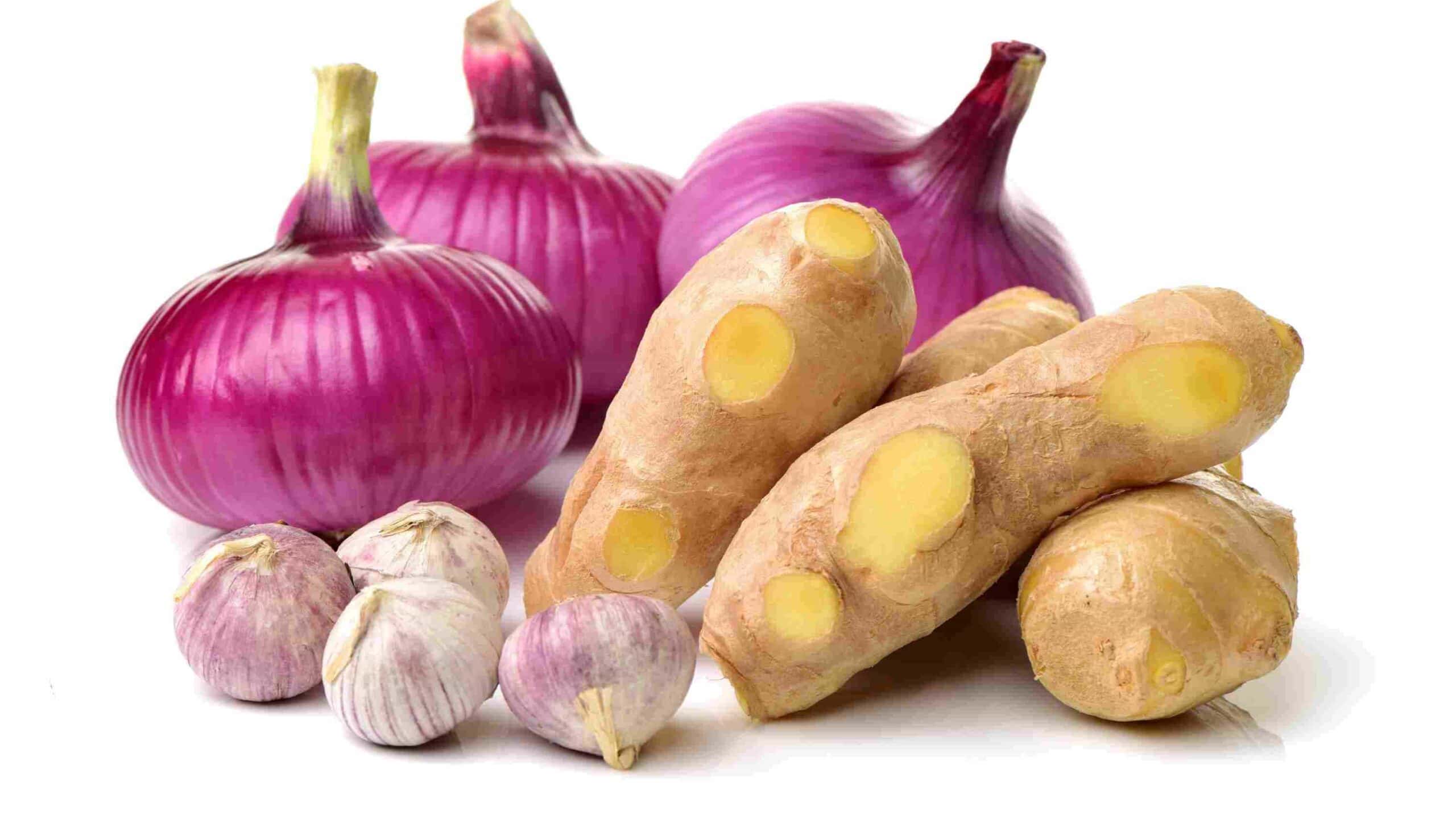
Garlic

Crushed or eaten raw, garlic was once a go-to remedy for infections and wound healing. Its natural compounds, especially allicin, were known to support circulation and help combat harmful bacteria. Ancient Greek soldiers consumed it for strength during war, believing it boosted stamina and endurance. In folk practices, it was even placed on wounds to reduce swelling and fight germs. You’ll still find garlic in natural immunity blends today, thanks to its potent antibacterial and antifungal effects.
Honey

Applied directly to cuts or burns, honey was used as a natural bandage to speed healing and prevent infection. Its sticky texture helped seal wounds, while its enzymes created a hostile environment for bacteria. You probably grew up hearing it was good for sore throats—and that’s no myth. Honey helps coat your throat and reduce coughing, especially before bedtime. It’s still considered a reliable home remedy for both internal and external healing.
Ginger

Boiled into teas or chewed raw, ginger root helped calm nausea, bloating, and morning sickness. It played a major role in ancient Ayurvedic and Chinese practices for its warming energy and circulation-boosting abilities. People once used it to relieve muscle aches and even manage arthritis flare-ups. Thanks to its anti-inflammatory compounds like gingerol, it was a common solution for everything from upset stomachs to cold symptoms. It continues to be a favorite in natural wellness routines for digestive and joint health.
Apple Cider Vinegar
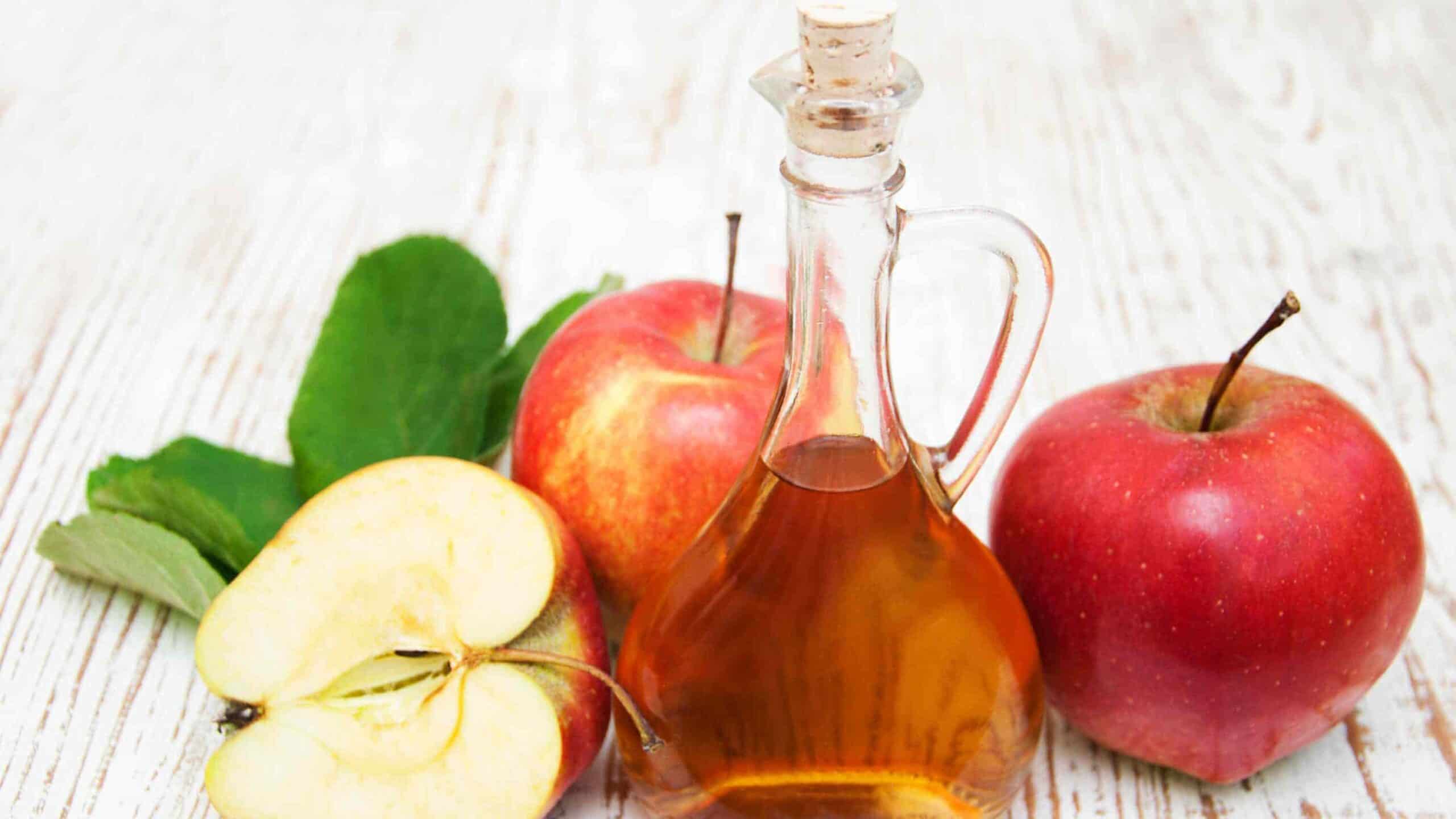
Consumed in diluted form, apple cider vinegar was seen as a general tonic for digestion and infection control. Practitioners believed it could help balance internal acidity and improve nutrient absorption. Combined with herbs, it was used to support the immune system and cleanse the body. Some believed it had detoxifying properties that helped “purify” the blood. Even now, it’s often taken before meals or mixed with honey for cold relief.
Cinnamon
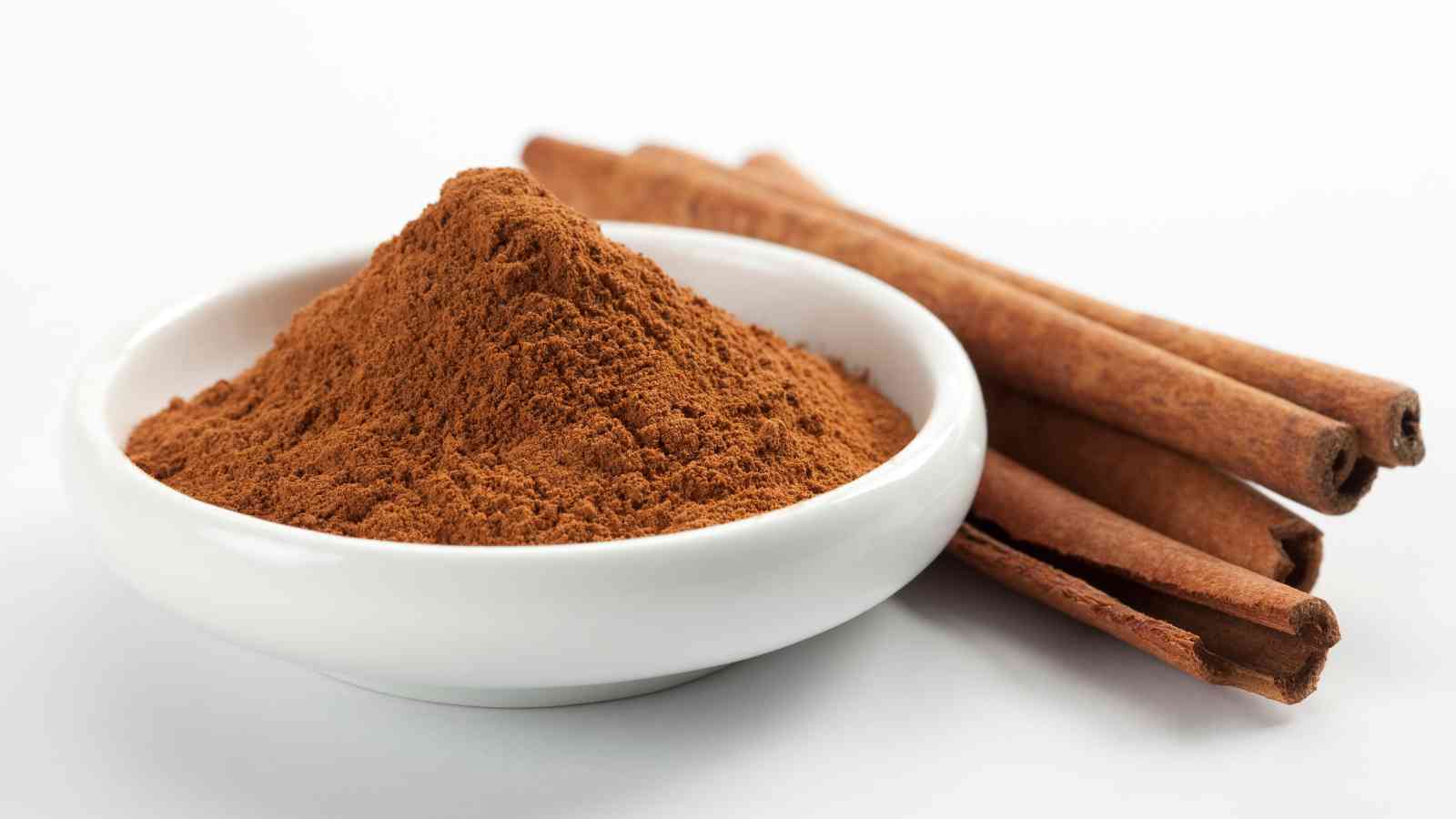
Blended into drinks or taken with honey, cinnamon helped warm the body and support blood flow. Traditional medicine used it to ease stomach cramps and sluggish digestion. Its antimicrobial qualities also made it useful for fighting minor infections. People once believed it had protective qualities during flu seasons and plagues. You’ll still see it in immune-boosting teas and winter wellness recipes for a reason.
Lemon
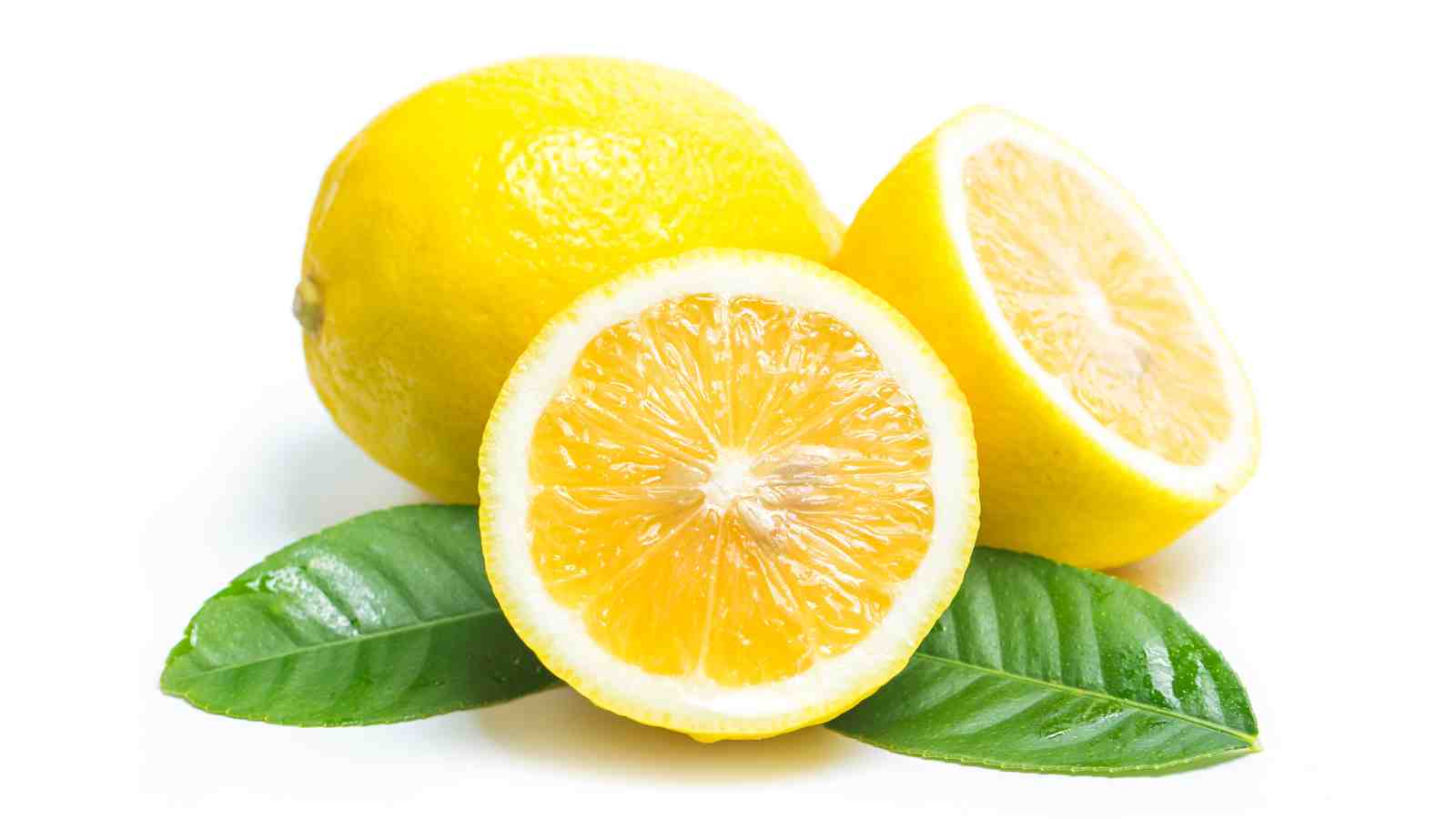
Sailors once packed lemons to keep scurvy away during long voyages, relying on its high vitamin C content. It was also squeezed into drinks to promote hydration and stimulate liver function. Traditional folk healers used it to “cleanse” the system or as a remedy for common colds. The acidic juice made it a natural choice for treating sore throats or aiding digestion. You may still turn to lemon water today for a fresh start in the morning.
Peppermint
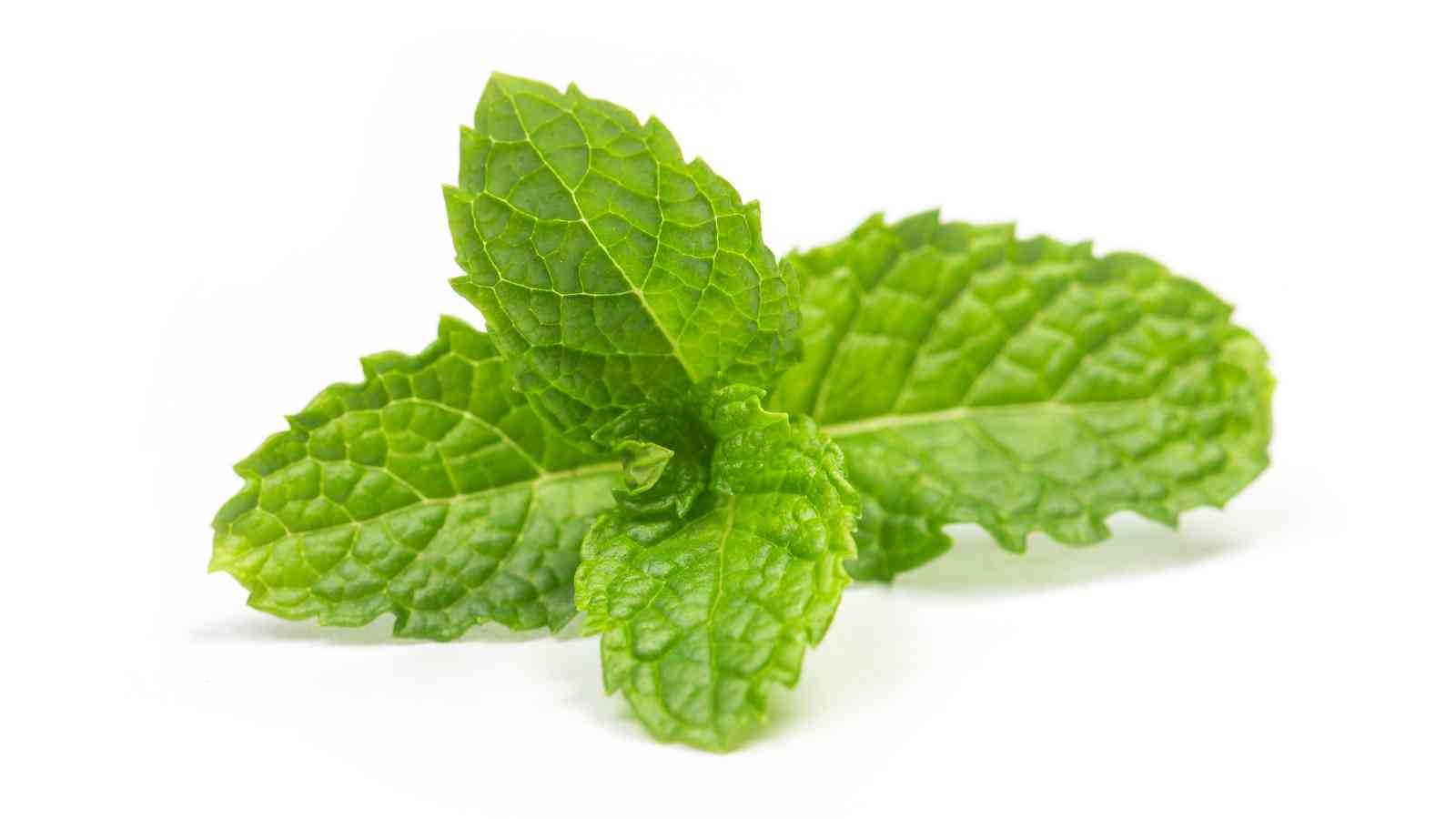
Often used as tea or essential oil, peppermint helped calm upset stomachs and soothe bloating. The cooling sensation from menthol made it ideal for headaches when applied to the temples. People also inhaled peppermint vapors to relieve congestion and mild coughs. It became a go-to after-meal drink in many cultures for smoother digestion. Whether used as oil or leaves, peppermint brought comfort to both stomach and head pain.
Onion

Crushed or sliced onions were applied to chests during colds to loosen mucus and improve breathing. People believed it could draw out toxins and even reduce fevers when placed under the feet. Its pungent compounds had antibacterial effects that helped with wound treatment. It wasn’t uncommon for onions to be eaten raw or brewed into a syrup for sore throats. Your grandparents may have even used it in steam treatments for congestion.
Turmeric

Traditionally mixed with milk or ghee, turmeric was taken to ease joint pain and speed up healing. Its golden color came from curcumin, a powerful anti-inflammatory compound. Ancient healers used it both as a paste for wounds and internally for immune support. It became a staple for people with arthritis, skin problems, or chronic inflammation. You’ll still find it in wellness shots and herbal capsules because its reputation for healing hasn’t faded.
Cloves
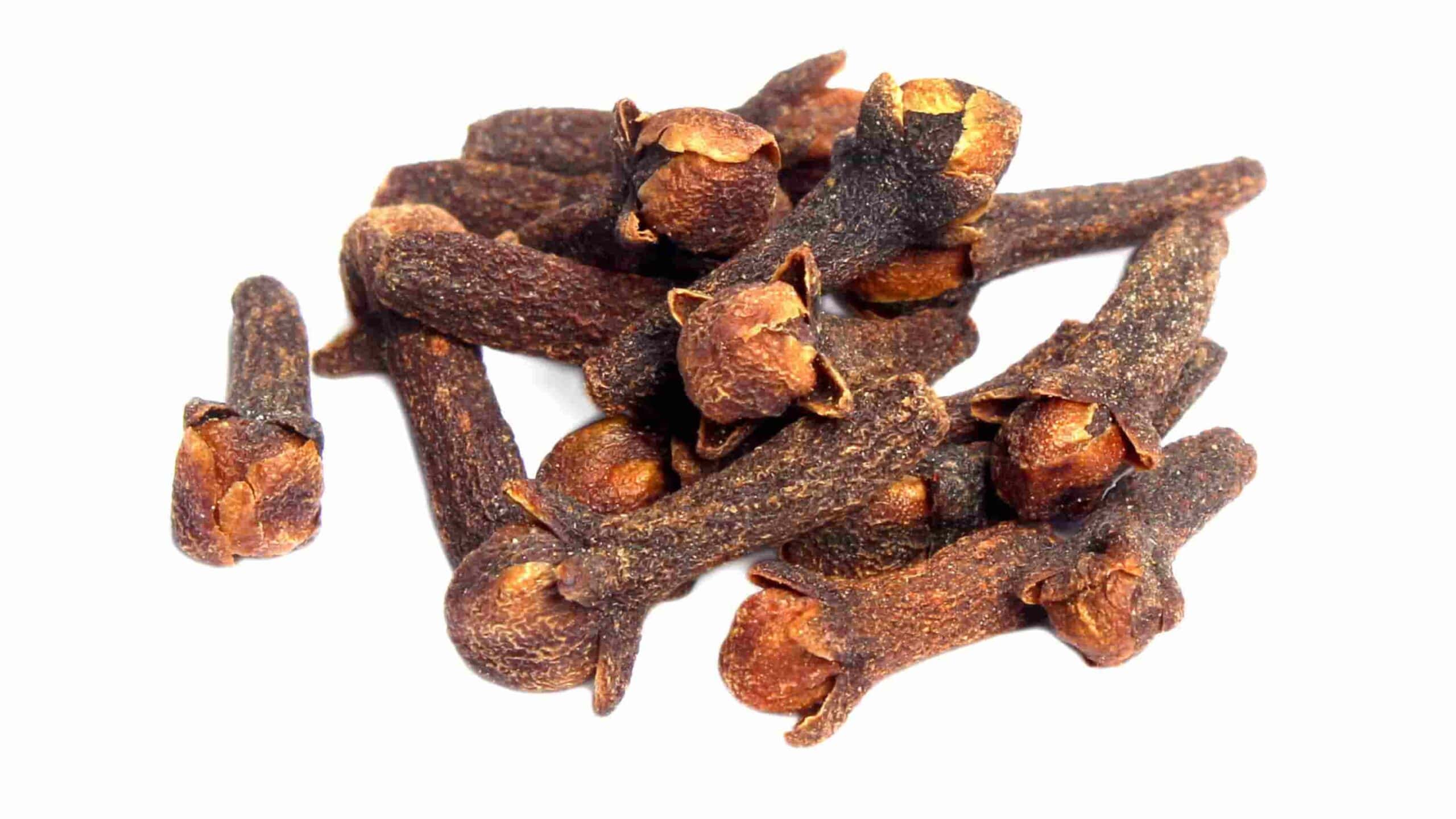
Placed directly on gums or used in oils, cloves provided relief from toothaches and gum pain. The active compound, eugenol, acted as a natural anesthetic and antiseptic. They were also brewed into teas for nausea and digestive issues. In many cultures, cloves were used to freshen breath and fight minor infections. You’ll still find clove oil in some oral care products because of how well it numbs pain.
Salt

Used in warm water rinses, salt helped cleanse wounds and speed up healing. It also served as a gargle to soothe sore throats and reduce bacteria in the mouth. Ancient healers believed it balanced fluids and preserved energy when consumed in moderation. Salt scrubs and soaks were applied to aching muscles and skin irritations. It remains one of the simplest, most accessible tools for basic first aid at home.
Olive Oil

Massaged into the skin, olive oil helped soothe dryness and irritation while promoting healing. When warmed, it was also used to ease ear pain and loosen wax. In traditional medicine, it was consumed to help lubricate the digestive system and reduce constipation. People believed it supported heart health long before modern nutrition confirmed its benefits. Its rich content of healthy fats and antioxidants gave it a strong reputation beyond the kitchen.
Black Pepper
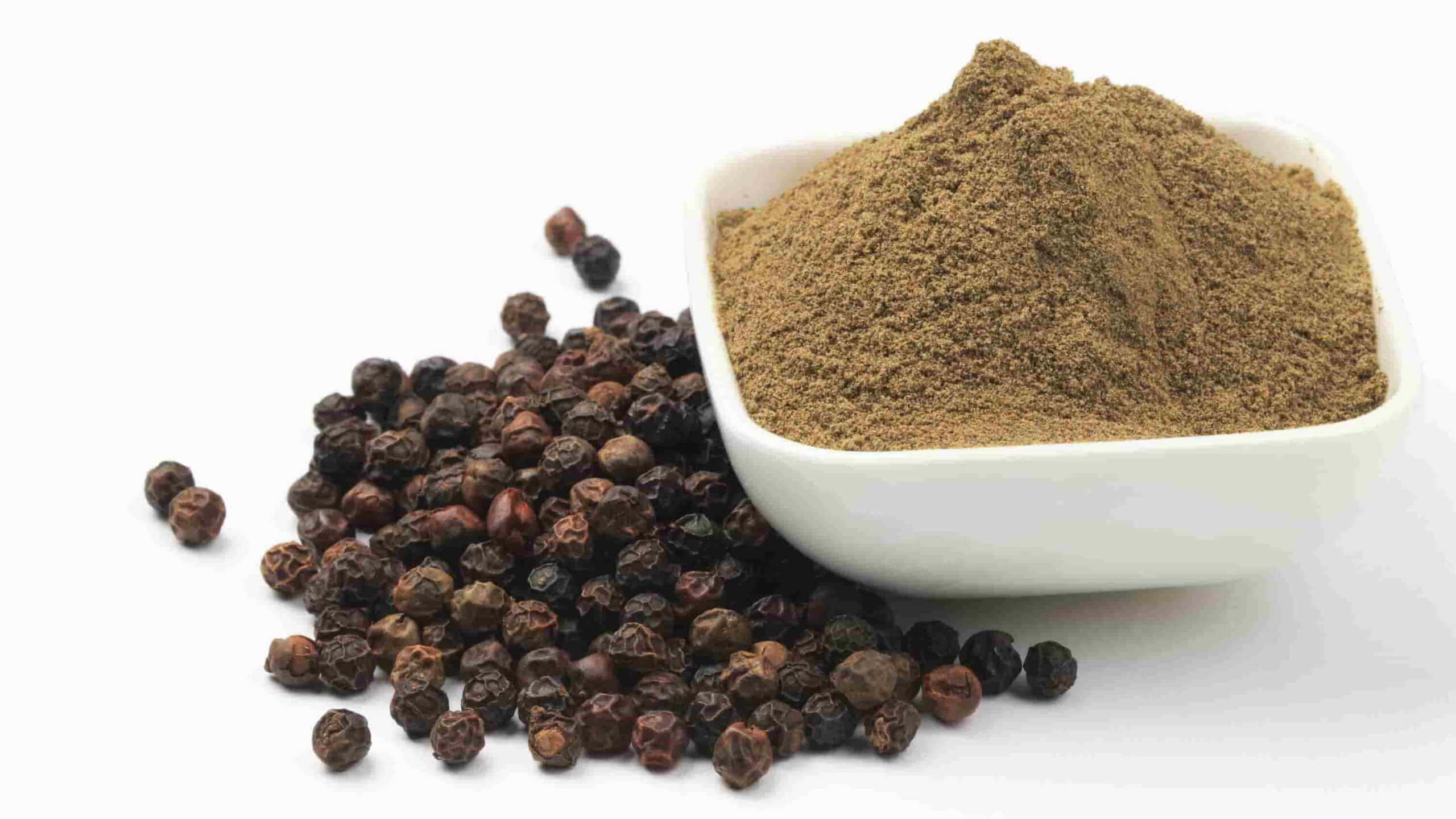
Added to tonics or taken with honey, black pepper was once believed to clear the lungs and warm the body. In Ayurvedic medicine, it was used to support digestion and increase circulation. People used it to help break fevers and manage early signs of illness. Its sharp heat and stimulating nature made it a common addition to herbal remedies. You might still feel that familiar kick when using it in spice blends meant for cold and flu season.
Vinegar

Whether made from wine, rice, or fruit, vinegar had long been used to wash wounds and disinfect surfaces. It was also sipped or mixed into tonics to support digestion and prevent food poisoning. Ancient physicians saw it as a cleanser for both inside and out. People believed it helped with blood sugar control and even appetite stimulation. Vinegar’s acidic nature gave it a versatile role in early medicine cabinets around the world.
Baking Soda
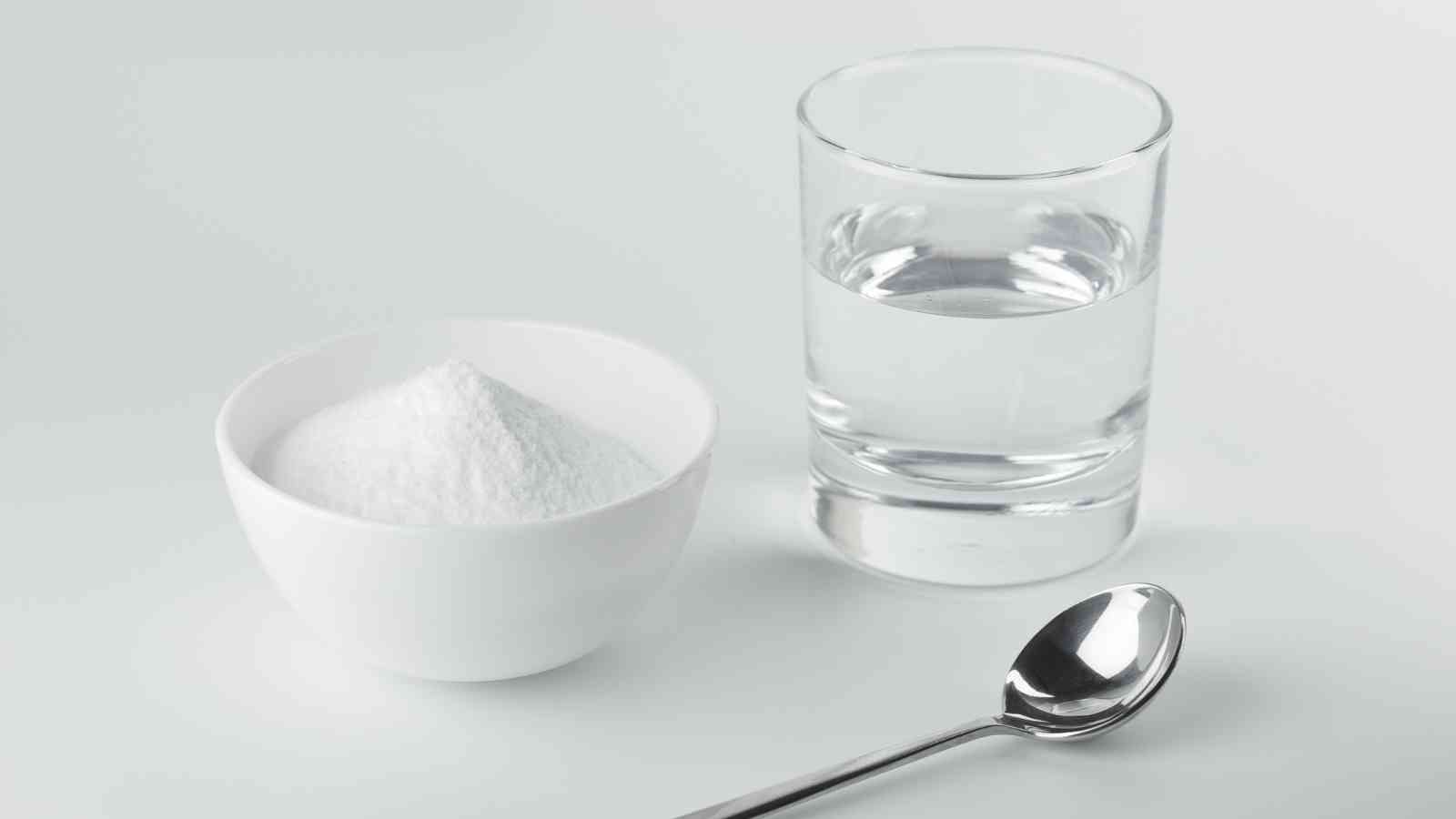
Dissolved in water, baking soda was commonly used to settle acid reflux and soothe indigestion. Applied as a paste, it eased bug bites and skin irritations by neutralizing acids. People gargled with it to reduce mouth bacteria and freshen breath. In early households, it was a trusted go-to for everything from minor cold symptoms to tooth cleaning. Its simplicity and effectiveness made it a favorite long before packaged meds took over.
17 Meal Prep Mistakes That Make Healthy Eating Harder

It’s easy to get caught up in the excitement of planning your meals for the week and completely overlook things that could throw your goals off track. One small mistake can turn your fridge into a science experiment or leave you bored with your meals by midweek. Here are 17 common meal prep mistakes that could be making healthy eating harder, along with exactly what to do instead. If you want to make your meal prep actually work for you, it’s time to ditch these habits.
20 Foods That Are Healthy Even Straight Out of the Package

These aren’t your old-school vending machine picks—they’re smart, functional choices that fit into real life without forcing you to prep, chop, or cook a single thing. Here are 20 healthy, grab-and-go options that actually deserve a spot in your pantry or fridge. Sometimes you’re in a rush. Sometimes you’re on the road. These no-prep options will help you stay on track without skipping meals or grabbing fast food.

Tamara Tsaturyan is the owner and writer of Thriving In Parenting, a website focused on providing simple tips for busy parents — easy and healthy recipes, home decor and organization ideas and all things P A R E N T I N G.

Share Your Thoughts!
I love to know your thoughts, make sure to comment below to start a discussion! You can also follow me on your favorite social network below.