Families love to talk about recipes that have been passed down forever, but holiday menus today are packed with dishes that didn’t even exist a couple of decades ago. Many of the foods people now swear are “tradition” actually came from bloggers, brand campaigns, or someone experimenting in their kitchen and posting it online. A few of these holiday foods spread so quickly that people barely noticed how recently they appeared. Nostalgia forms fast when something shows up on every feed, at every party, and inside every holiday gift basket. Before long, these modern creations blend into the season as if they’ve always been part of it—even though most of them barely have a history at all.

Chocolate-Covered Anything for Christmas
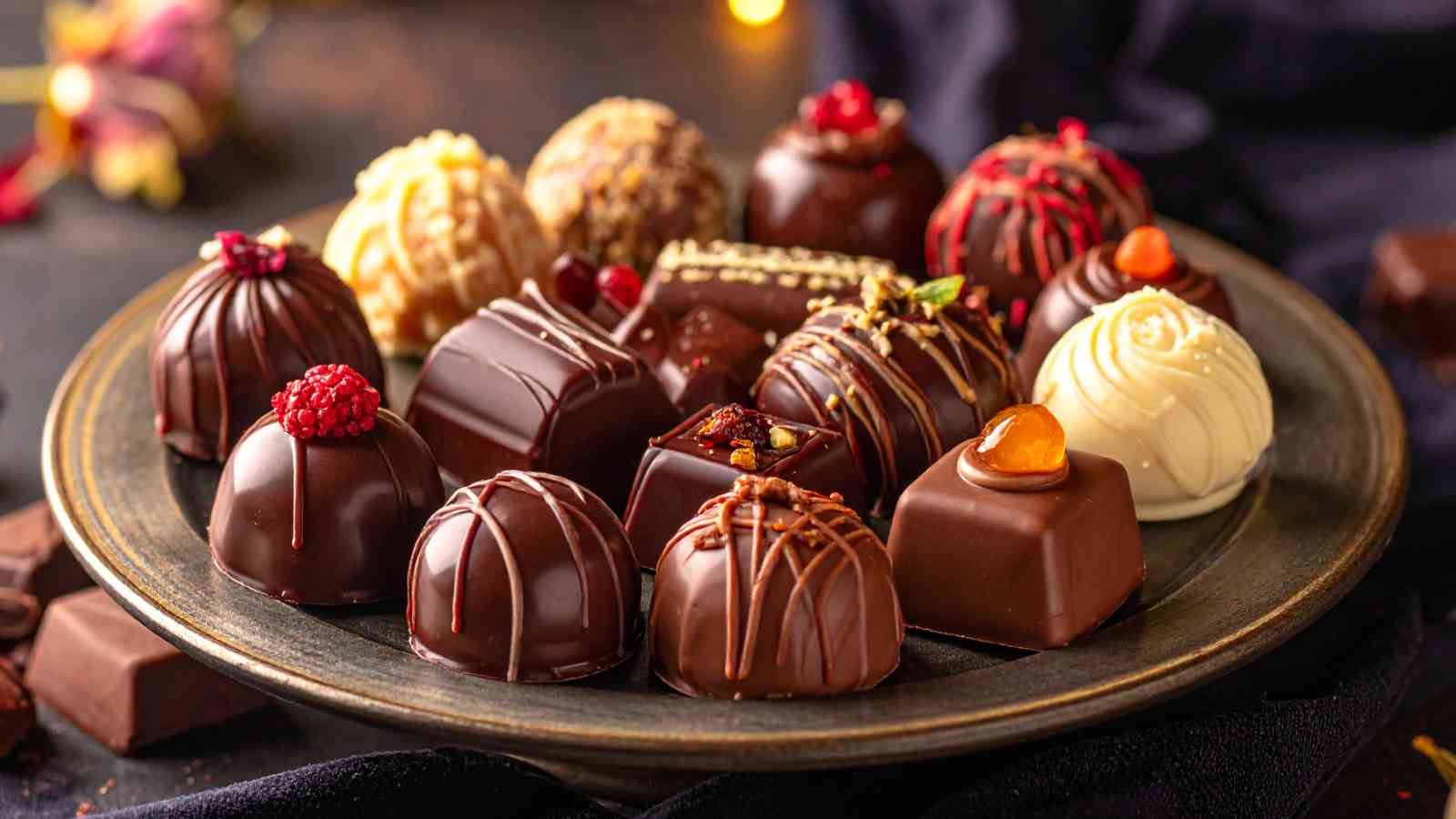
Chocolate-dipped pretzels, strawberries, Oreos, marshmallows, and crackers became widespread only after social media made decorative snack trays popular. Pinterest and TikTok encouraged easy, customizable treats that look impressive without much effort. Earlier generations relied more on homemade cookies and candies rather than large assortments of dipped snacks. Gift trays filled with dipped items rose sharply in popularity during the 2010s. Many families now treat it as tradition despite its very recent cultural footprint.
Cranberry Jalapeño Dip
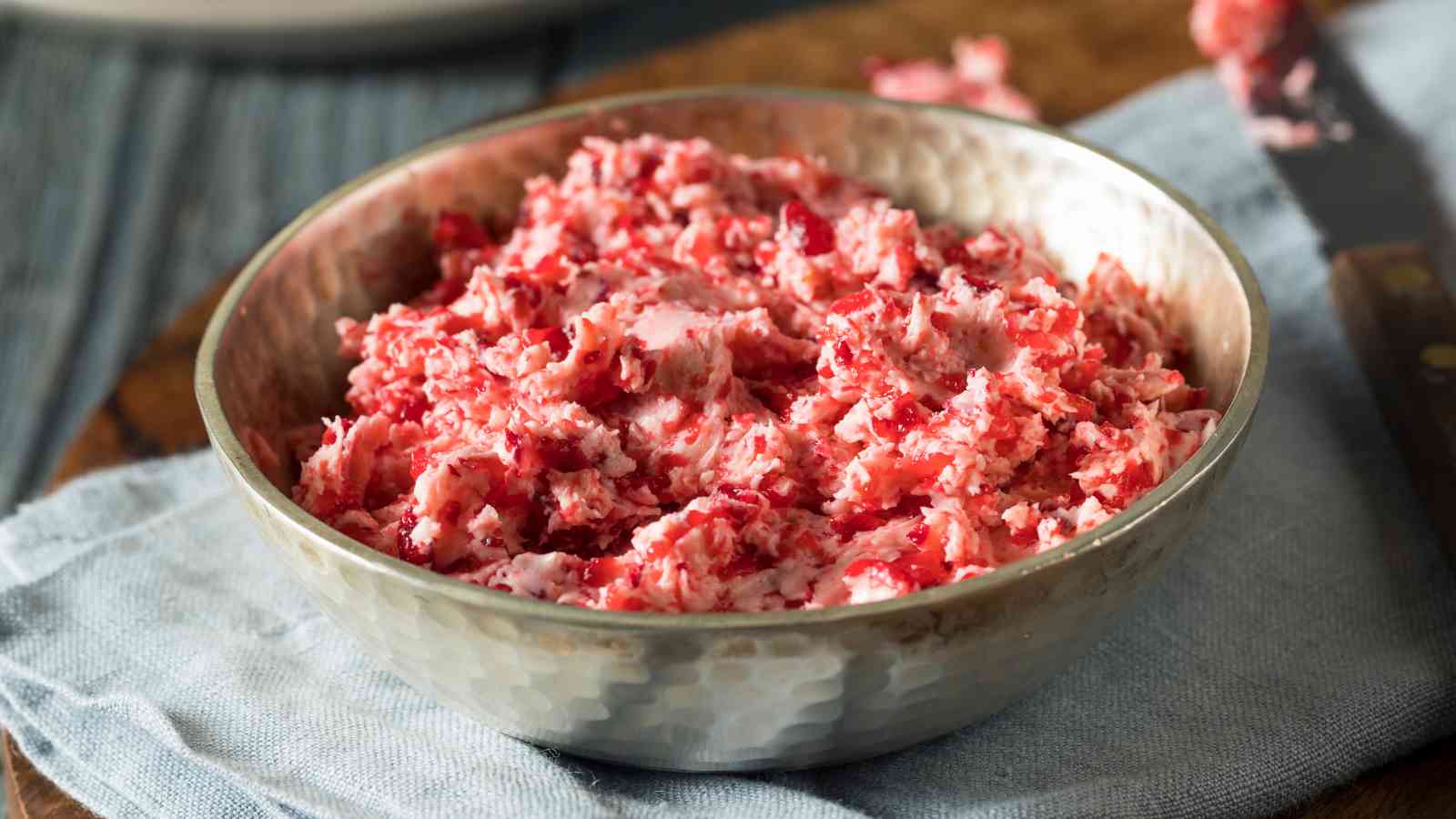
Cranberry jalapeño dip became a holiday favorite once food bloggers highlighted its bright color and quick assembly. The flavor combination wasn’t common in earlier decades, especially since jalapeño-based dips weren’t regular holiday staples. Its rise came from viral recipe posts rather than historical cookbooks. Many people now assume it’s been around forever because it spreads easily across party menus. The dish’s modern origin reflects how quickly online recipes can shape seasonal habits.
Charcuterie Boards as a Holiday Centerpiece
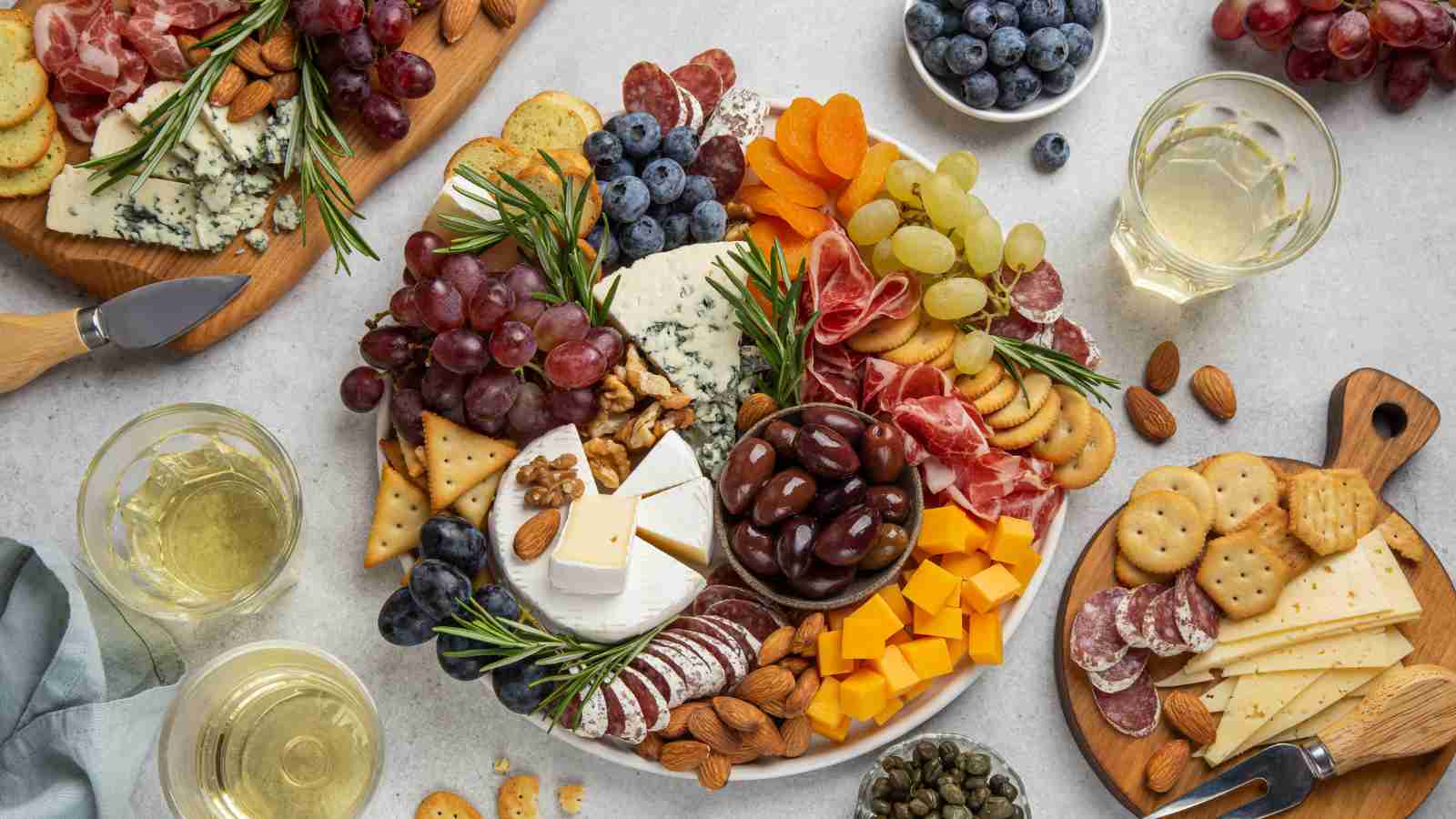
Charcuterie existed for centuries, but its transformation into oversized grazing boards took shape through Instagram-driven food styling. Hosts embraced dramatic layouts with cheeses, meats, nuts, fruits, and décor elements arranged visually. These boards shifted from casual snacking to statement pieces meant for photographs and gatherings. Holiday parties especially adopted this format because it fills tables quickly and looks celebratory. Its rapid rise shows how presentation trends can overshadow long-standing food practices.
Hot Cocoa Charcuterie Boards
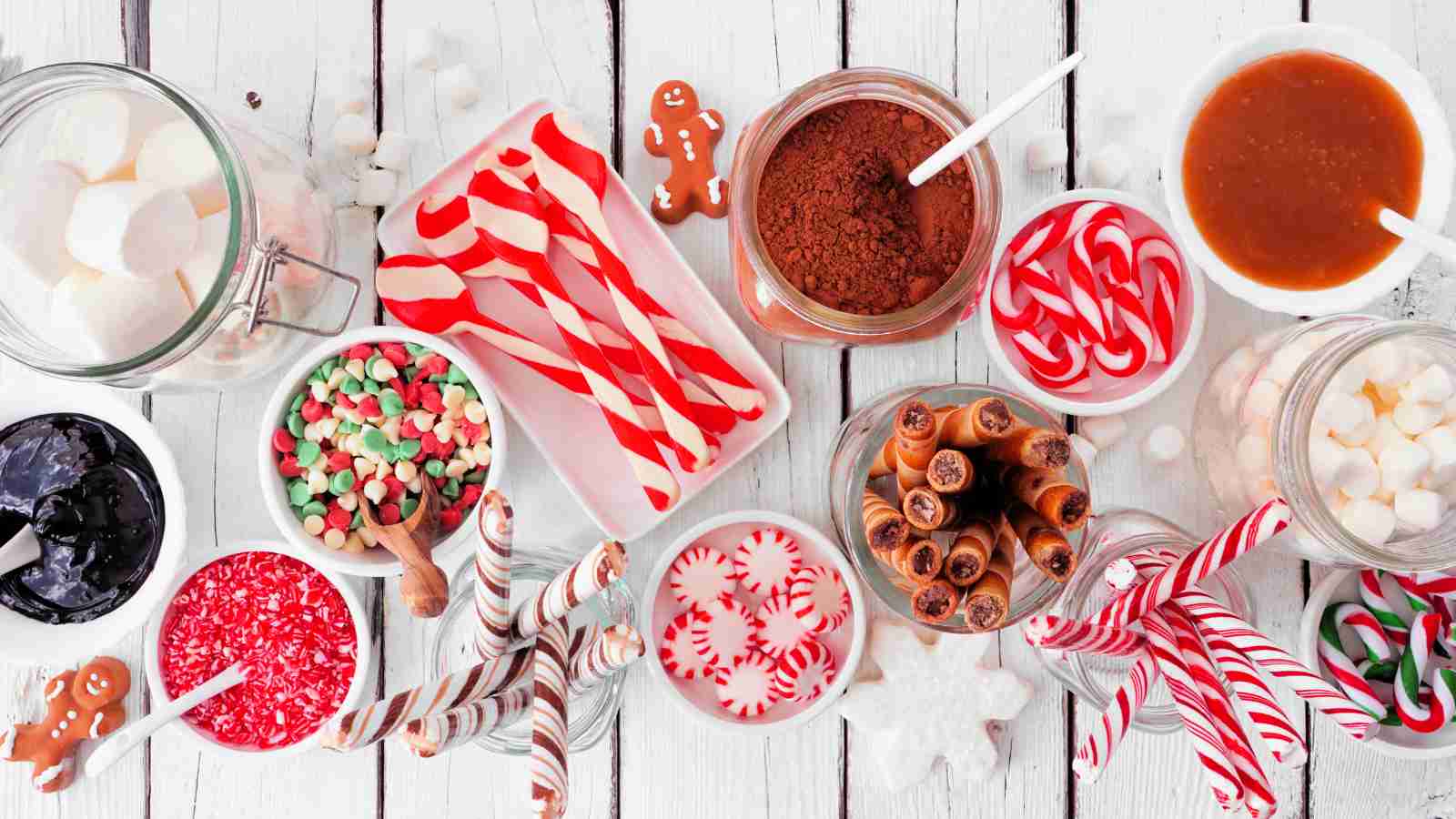
Hot cocoa boards emerged as a playful offshoot of the charcuterie craze, offering marshmallows, sprinkles, syrups, and mix-ins arranged like dessert displays. Families embraced them within the last few years, often after seeing viral spreads during December. Earlier generations typically made simple hot chocolate without themed toppings. The appeal lies in custom choices and the visual charm that photographs well. Their popularity reflects how modern gatherings blend creativity with social-media-ready aesthetics.
Buffalo Chicken Dip at Every Holiday Party
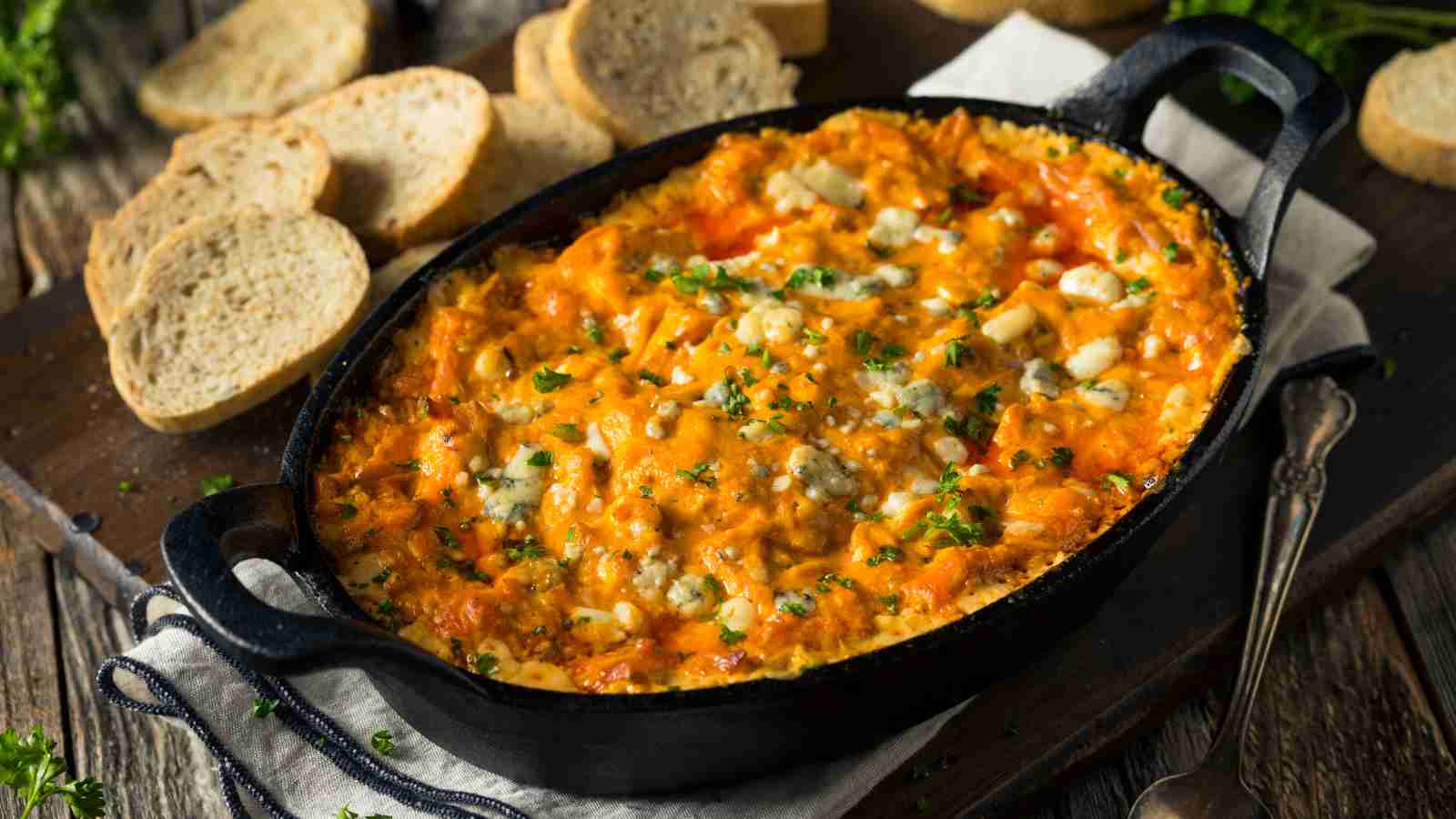
Buffalo chicken dip didn’t appear until buffalo-style sauces became mainstream in late 20th-century American cuisine. Its shift from game-day snack to holiday-party essential happened only recently. Convenience and crowd appeal helped it move into winter festive menus. Many gatherings now assume it belongs alongside classic appetizers despite its short history. Its status shows how adaptable flavors easily migrate into new seasonal roles.
Elf-Themed Treats and “Grinch Snacks”
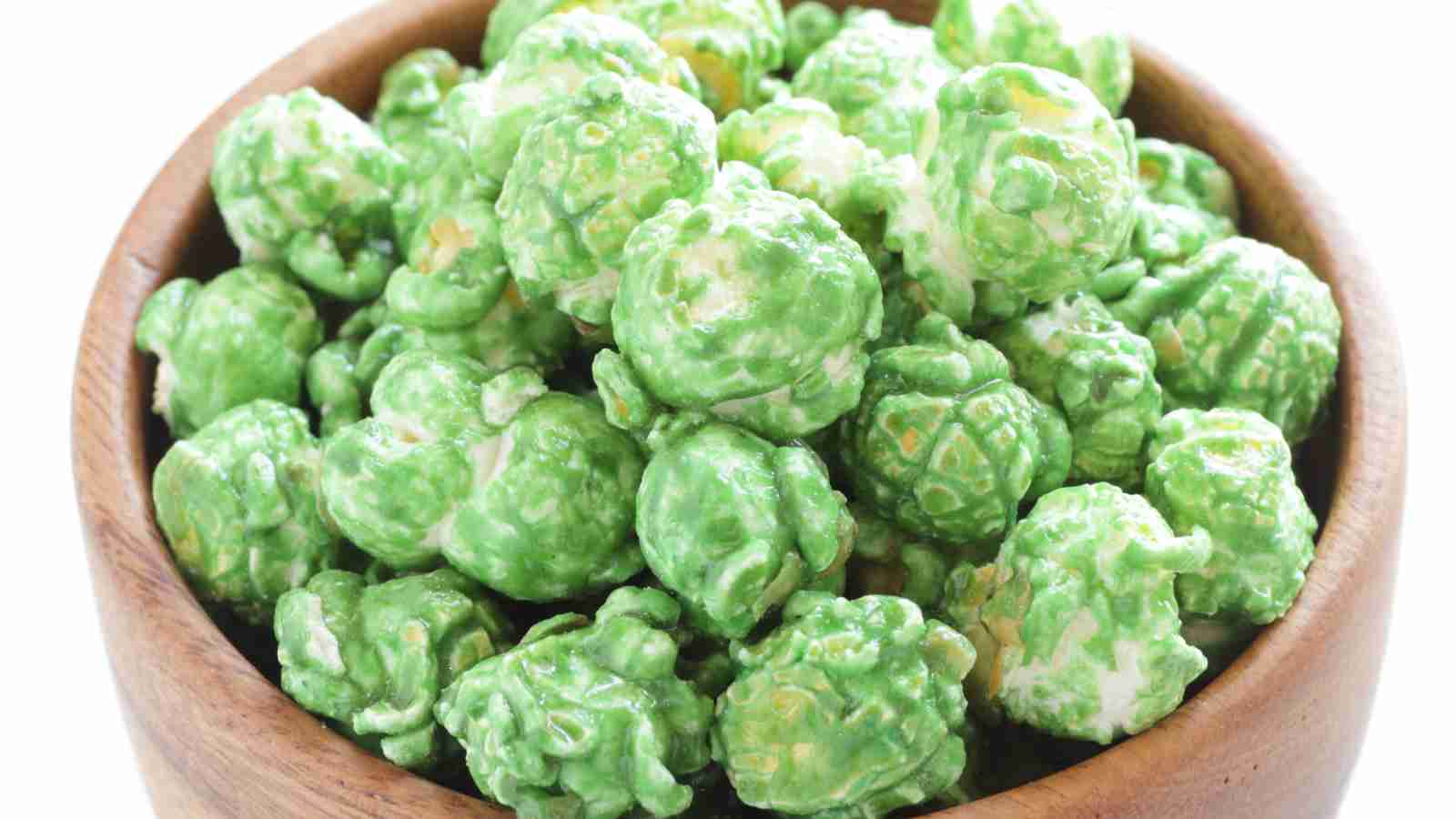
Elf cupcakes, green popcorn mixes, Grinch cookies, and other character-inspired sweets rose alongside viral holiday content for kids. Food coloring and themed decorations helped these treats spread quickly online. Earlier holiday traditions rarely included cartoon-based foods. Their popularity came from blogs and TikTok tutorials encouraging playful holiday activities. Families now treat them as expected seasonal goodies despite their internet-age origins.
Candy-Filled Advent Calendars
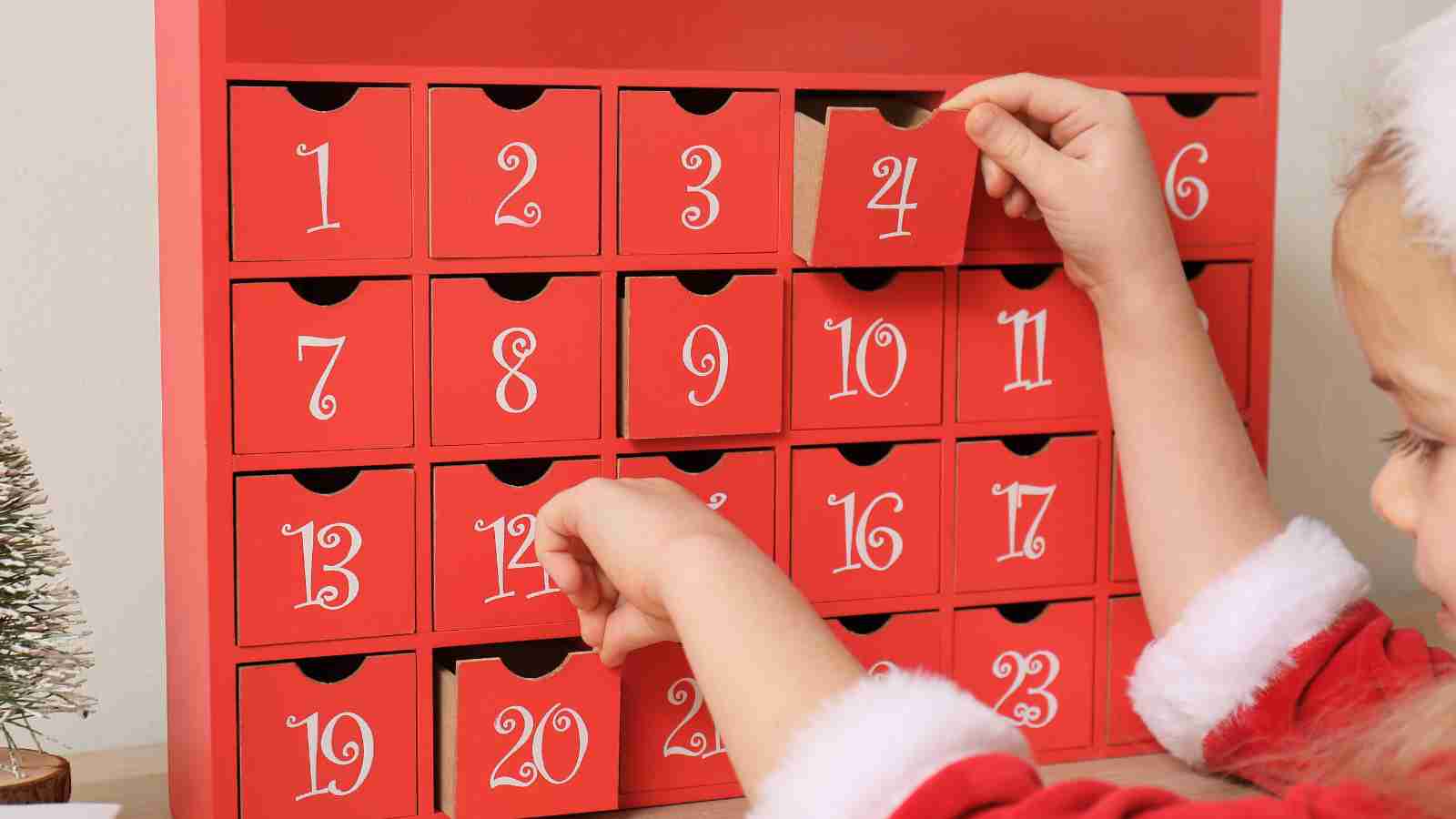
Advent calendars historically centered on paper doors and religious verses rather than sweets. Chocolate-filled versions gained attention in Europe during the mid-20th century but became widespread in global retail markets only recently. Today’s calendars often include branded chocolates, toys, or licensed merchandise. Stores release new variations each year, turning them into collectible seasonal products. Many households adopted them quickly, creating a sense of long-standing tradition.
Christmas Dessert Boards
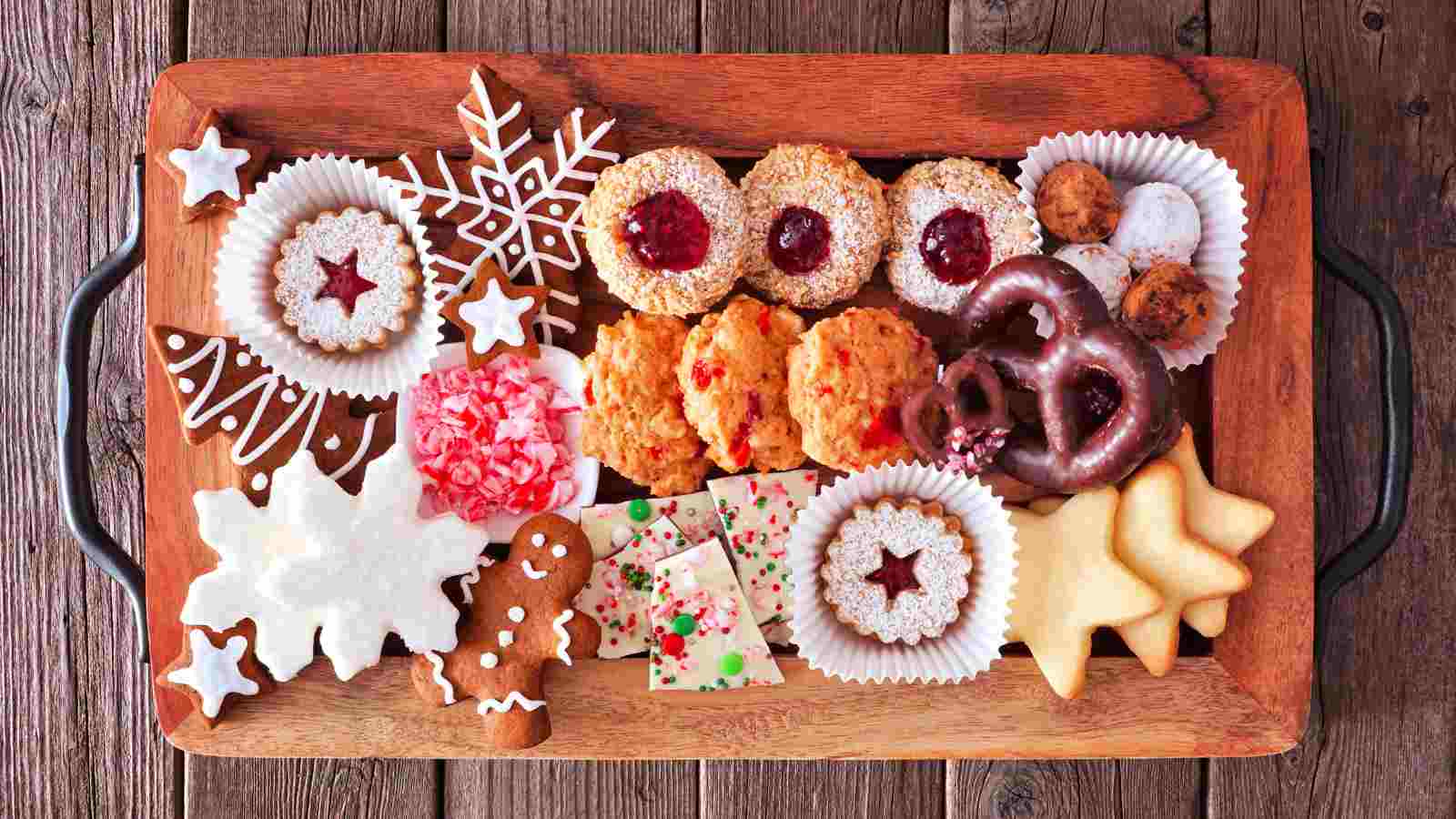
Desserts were traditionally plated simply rather than arranged in elaborate decorative spreads. Social media encouraged bakers to group cookies, candies, chocolates, and pastries into large curated boards. This format emphasizes color coordination and variety over heritage. Families often embrace the look because it feels festive and abundant. Even though the treats themselves may be classic, the presentation style is distinctly modern.
Thanksgiving “Friendsgiving” Signature Dishes
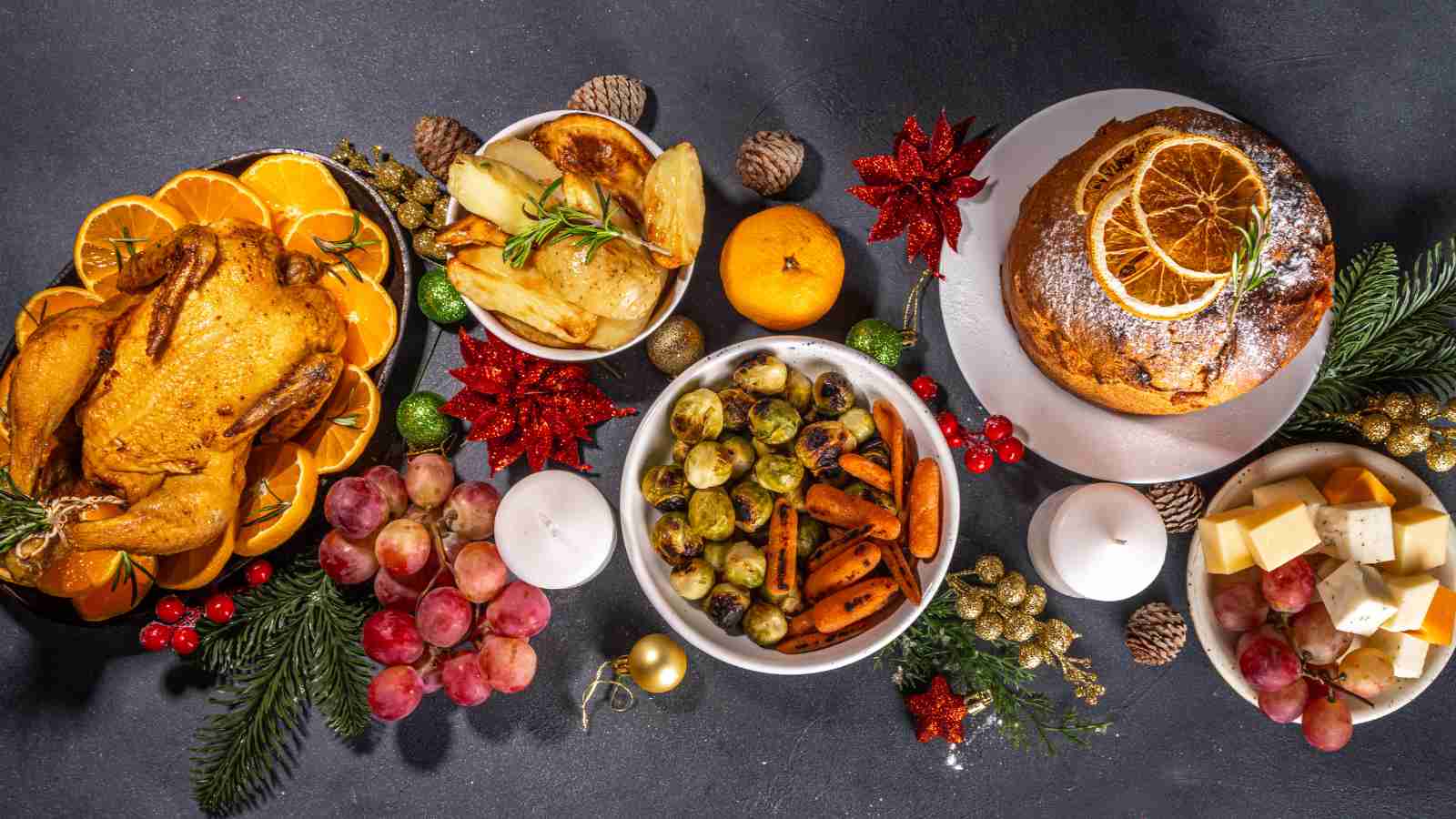
Friendsgiving became popular in the early 2000s as young adults celebrated with friends before or instead of family gatherings. Dishes like stuffing waffles, turkey sliders, and mashed potato bowls emerged from creativity rather than tradition. Many of these recipes spread through blogs focused on repurposing leftovers. They quickly became “holiday staples” among newer households. The speed at which they became normalized highlights how flexible modern holiday cooking can be.
Peppermint-Flavored Everything
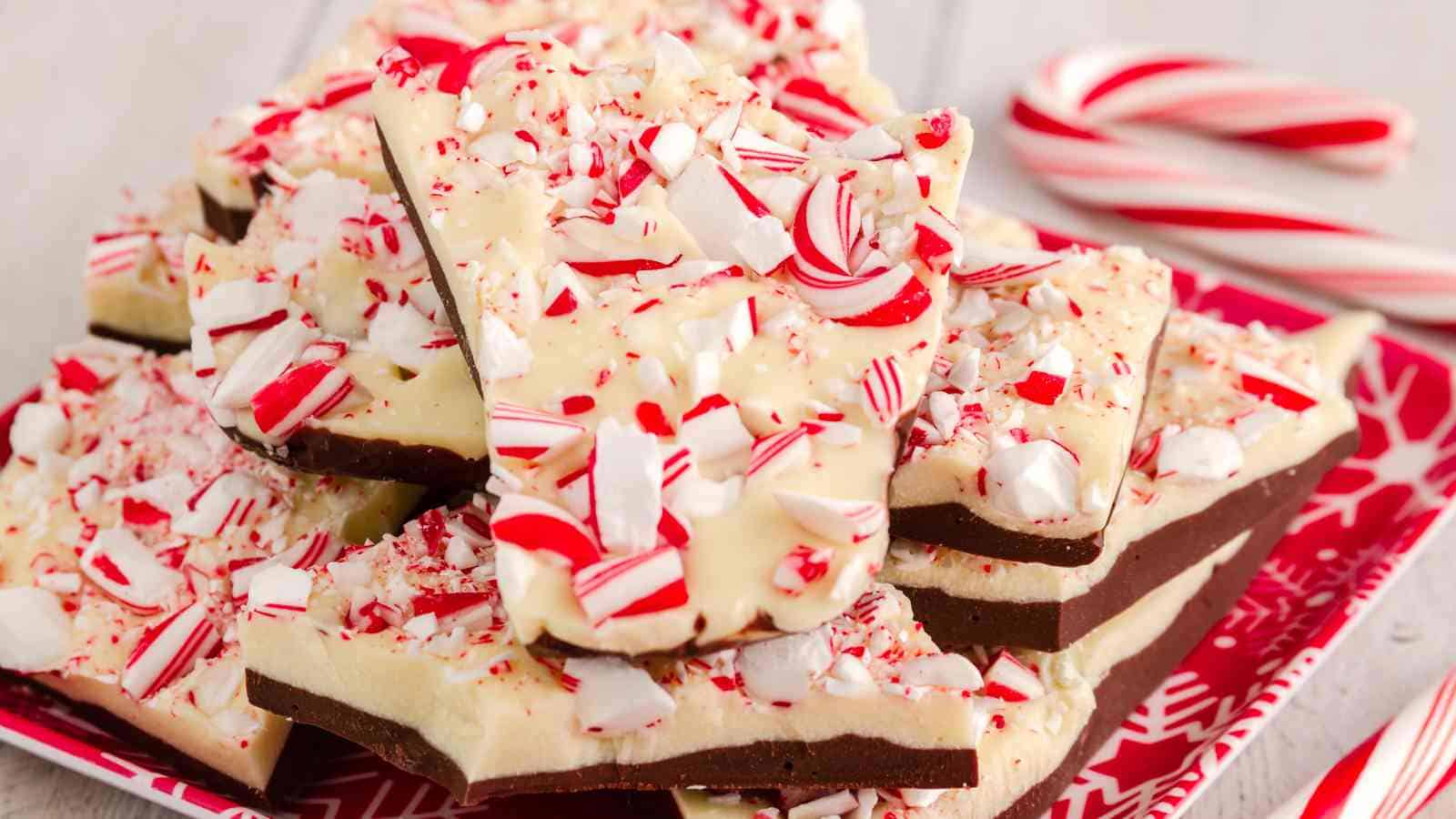
Peppermint bark has roots in older confectionery traditions, but today’s peppermint-flavored cereals, coffees, popcorns, and snack mixes reflect modern product expansion. Brands embraced peppermint as a seasonal marketing tool in the early 2000s. Its versatility and recognizable flavor helped it grow into a holiday trend. Consumers now expect peppermint versions of everyday items each December. The flavor’s widespread commercialization helped it dominate seasonal shelves.
Pull-Apart Bread Holiday Loaves
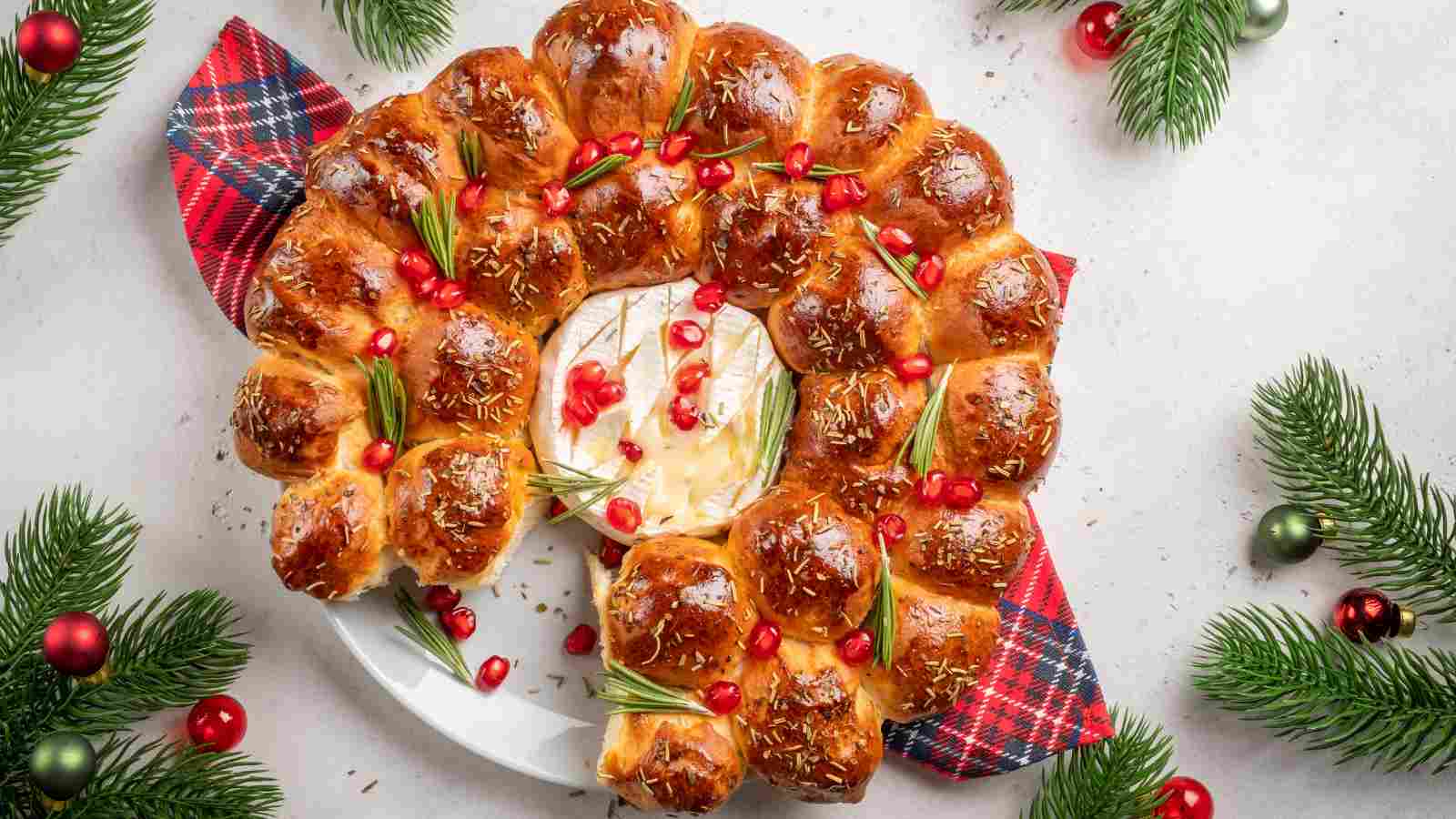
Festive pull-apart breads shaped like wreaths, trees, or stars became popular through recipe videos and food blogs. Their appeal lies in shareability and visual charm rather than historical significance. Many home cooks enjoy them because they require simple ingredients but look decorative. These breads blended modern entertaining trends with classic dough techniques. They gained momentum quickly, becoming perceived as traditional despite their recent rise.
Store-Bought Holiday Snack Mixes
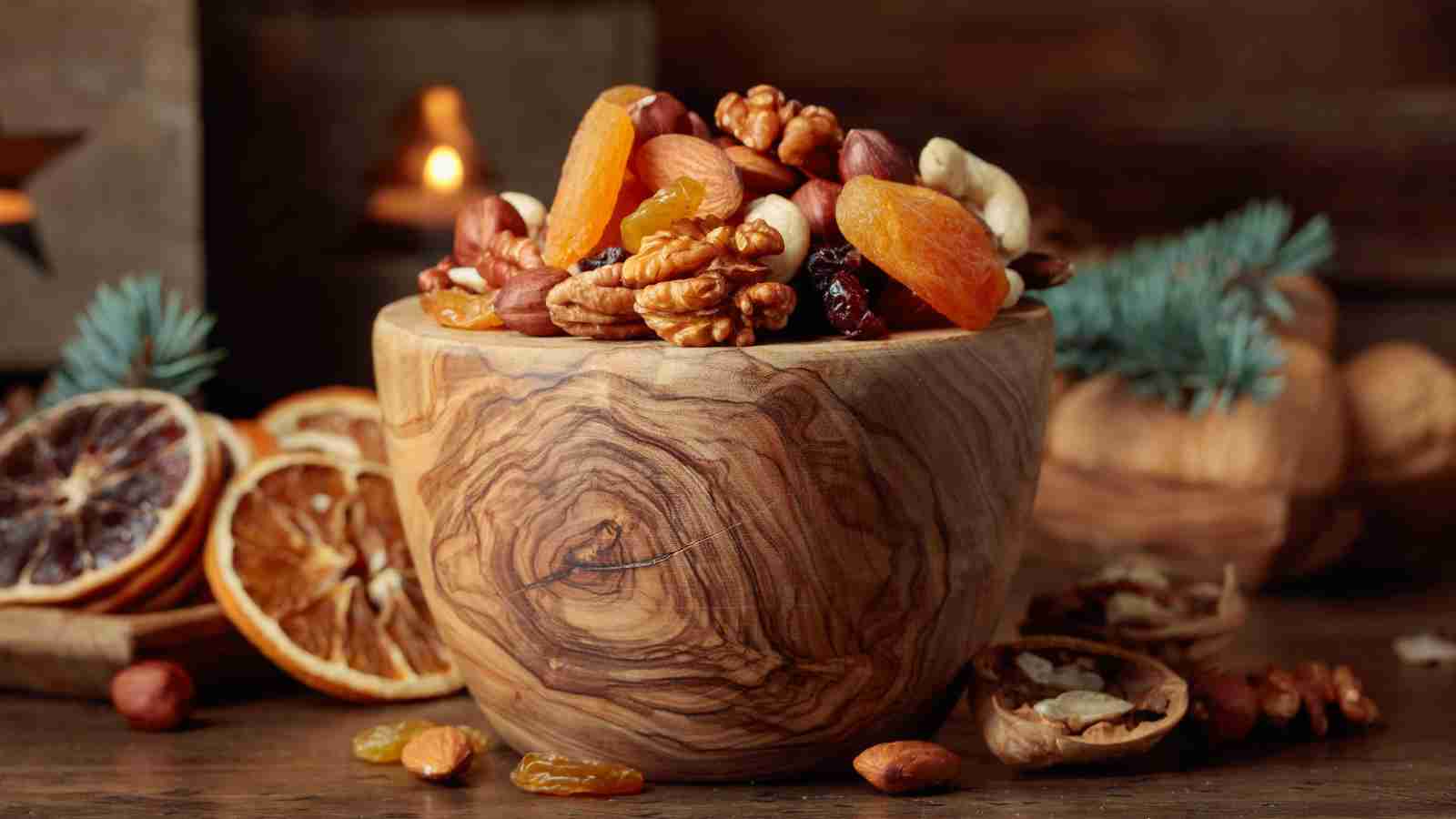
Branded holiday snack mixes appear in rotating seasonal flavors that change every year. Many adults nostalgically claim them as lifelong traditions even though many varieties are less than a decade old. Food companies experiment with limited-time ingredients to attract shoppers during the holiday season. The packaging and festive colors help these mixes become memorable quickly. Their familiarity forms not through history but through repeated yearly purchases.
Holiday-Themed Pancake Shapes
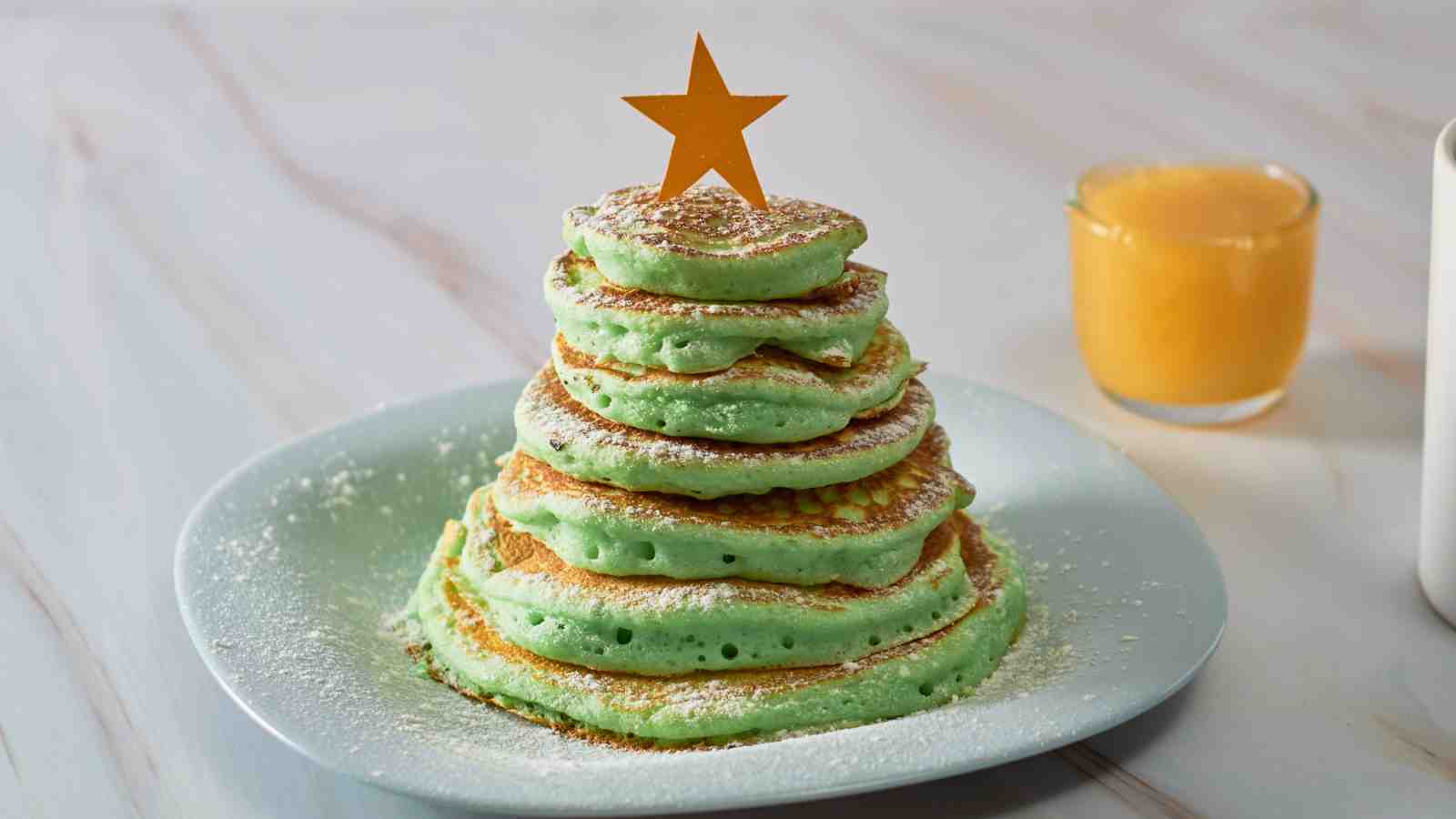
Holiday pancake molds shaped like snowflakes, reindeer, or trees became commercially widespread in the 2010s. Many households adopted them after seeing influencer videos showcasing elaborate breakfast spreads. Earlier holiday breakfasts rarely included themed cookware. The trend grew because molds are inexpensive and create photo-ready meals. Their quick adoption demonstrates how novelty kitchen tools easily become perceived traditions.
Viral “Snowman Cheese Balls”
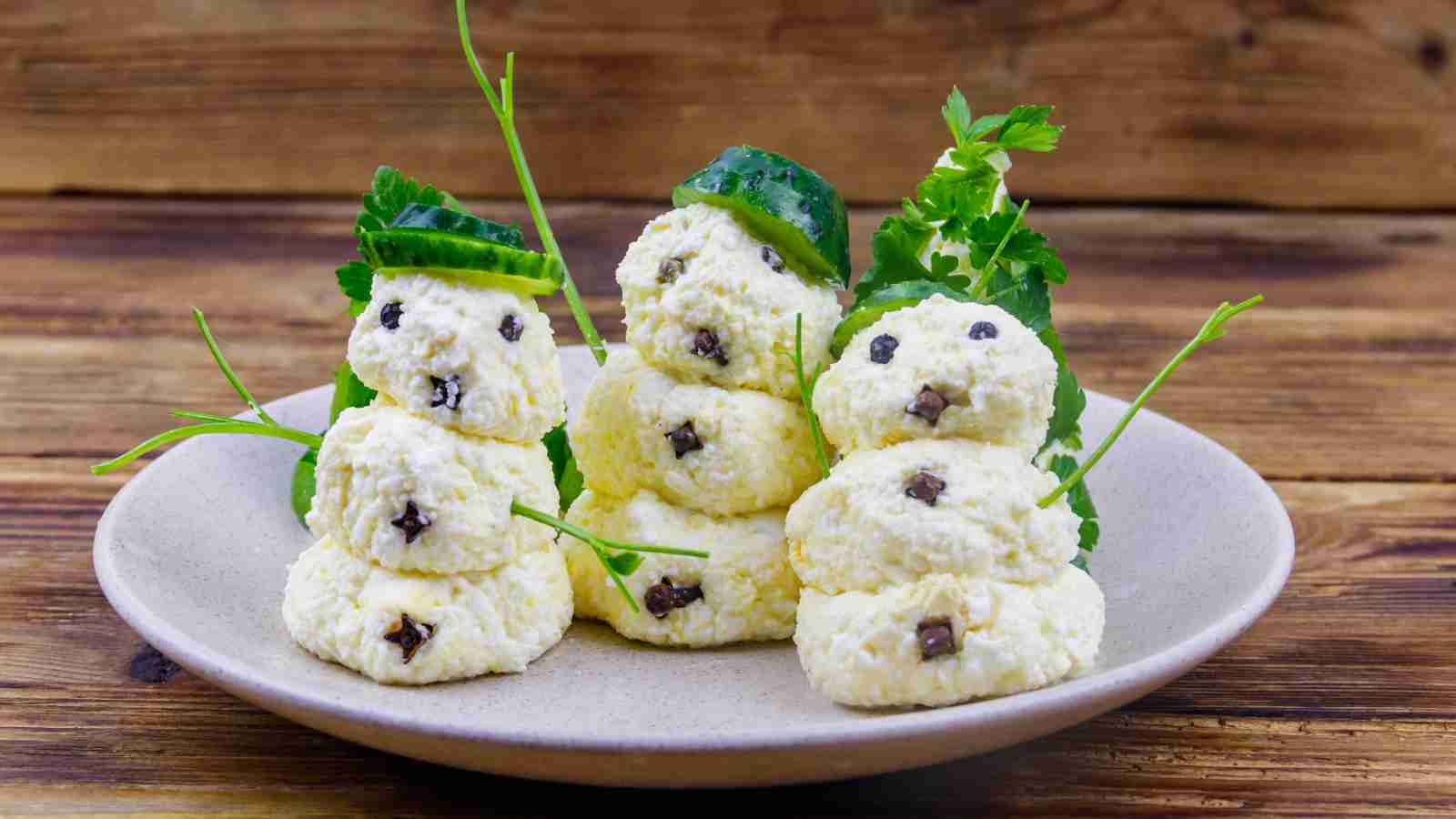
Snowman-shaped cheese balls surged in popularity once food bloggers shared step-by-step decorative tutorials. Traditional cheese balls existed for decades, but character-shaped versions are very new. Their appeal comes from cute presentation rather than culinary heritage. Holiday parties embraced them because they’re simple, customizable, and visually striking. Their rapid rise shows how novelty designs reshape classic appetizers into modern traditions.
Christmas Tree Vegetable Platters
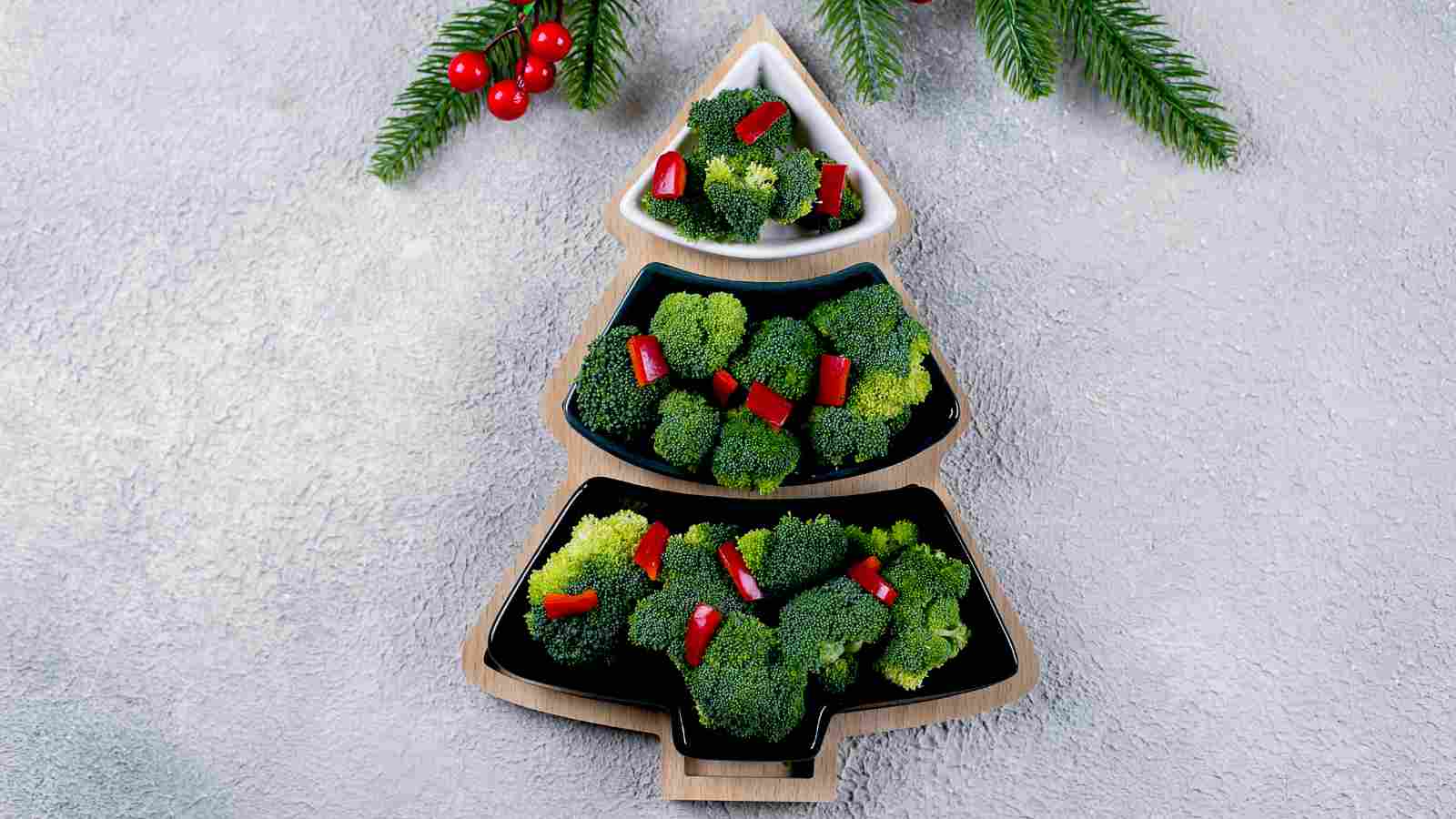
Vegetable platters arranged in the shape of Christmas trees gained traction thanks to Pinterest boards highlighting healthy-but-festive options. Traditional crudités didn’t follow themed layouts before the social-media era. These platters became popular at office parties and school gatherings for their decorative simplicity. They require everyday vegetables but offer a visually seasonal twist. Their modern creation underscores how presentation trends can redefine longstanding foods.
15 Holiday Foods With Meanings You Probably Never Knew
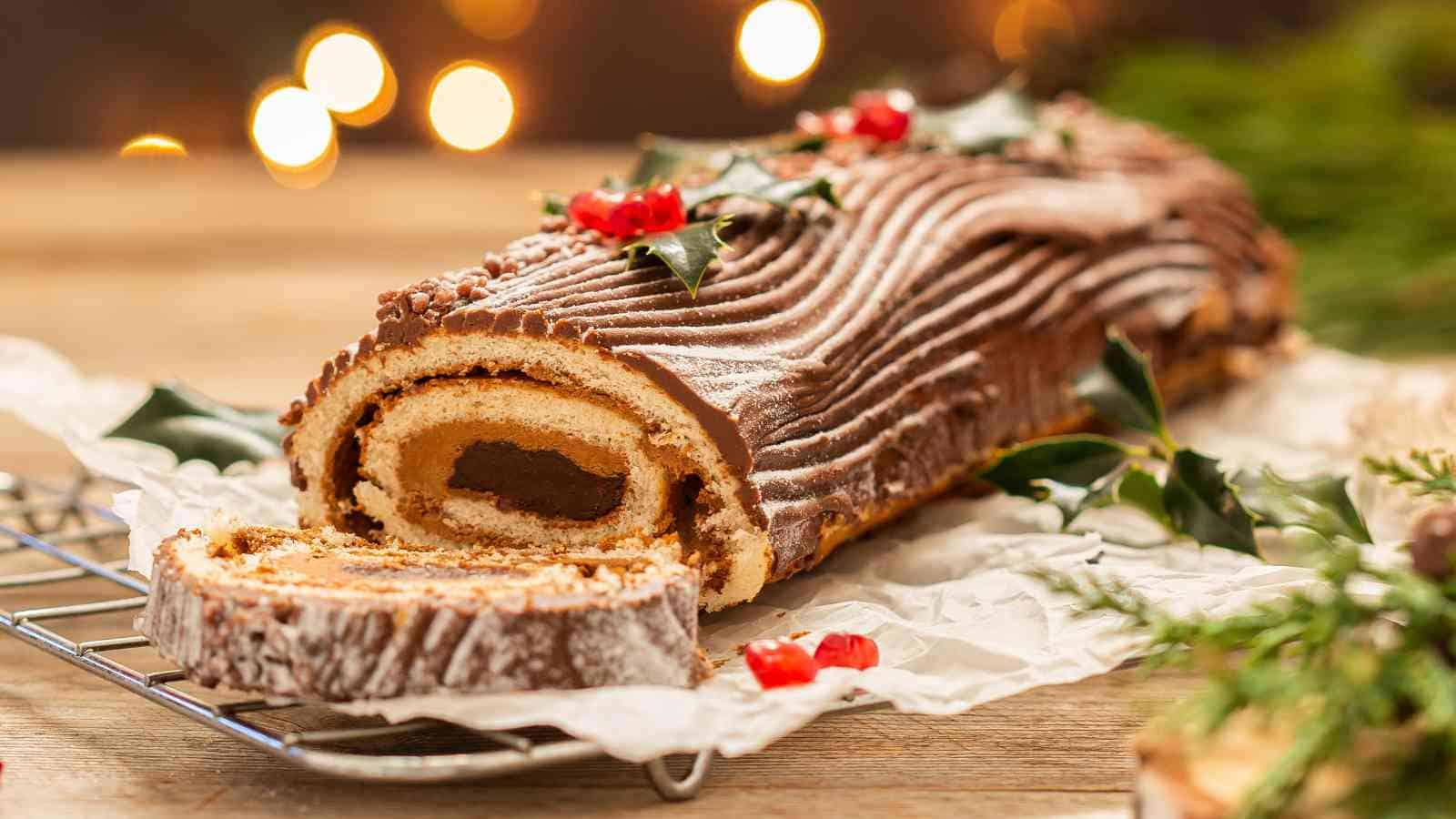
Certain foods became markers of luck, community, or seasonal rituals, connecting us to generations past. Learning why these foods were cherished can make celebrations feel richer and more meaningful. From sweet treats to savory staples, each dish has a tale worth discovering.
20 Holiday Prep Hacks Home Cooks Are Sharing This Year

These shortcuts didn’t start as trends but as practical adjustments people discovered while trying to avoid last-minute chaos. With more cooks sharing what truly works, holiday prep is becoming less about scrambling and more about using smart, reliable systems.

Tamara Tsaturyan is the owner and writer of Thriving In Parenting, a website focused on providing simple tips for busy parents — easy and healthy recipes, home decor and organization ideas and all things P A R E N T I N G.

Share Your Thoughts!
I love to know your thoughts, make sure to comment below to start a discussion! You can also follow me on your favorite social network below.