Grandma’s kitchen wasn’t just a place for cooking—it was a world built on instincts, shortcuts, and ingredients that actually worked. She didn’t need specialty stores or viral recipes to pull off meals that stuck with you for life. Her pantry was full of things you probably pass by today, not realizing they were once essentials that made everything cheaper, simpler, and better. Some of them sound old-fashioned now, even strange, but they weren’t just “vintage”—they were smart, practical, and full of flavor. You’ve likely swapped them for trendier alternatives without even knowing what you’re missing. These ingredients weren’t just food—they were habits passed down, and they’re still worth a second look. If you want to cook like someone who knows how to stretch a dollar and still make it taste good, start here.

Lard
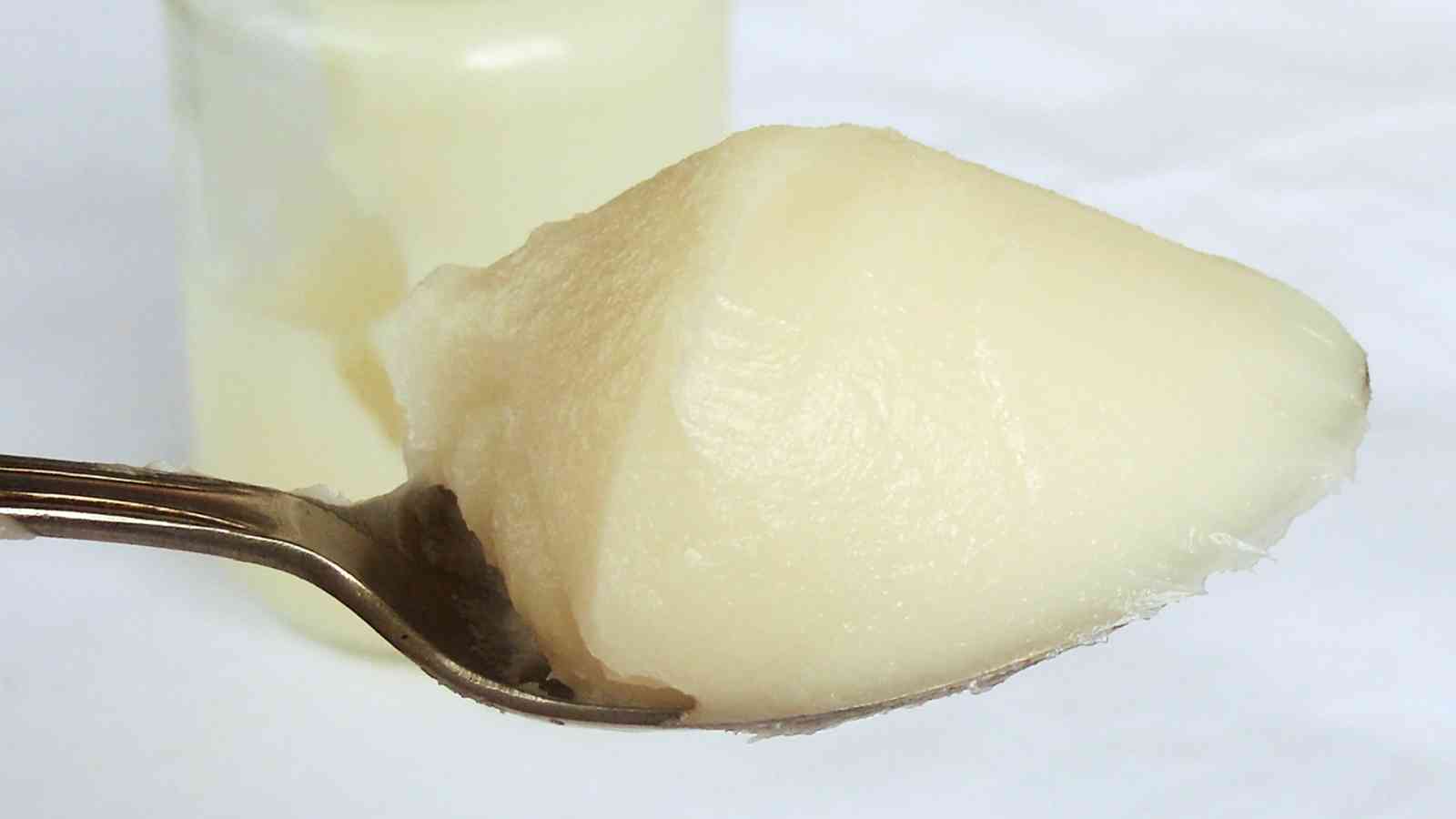
Rendered pork fat, lard was once the most common cooking fat in American kitchens. It was prized for its high smoke point, making it ideal for frying everything from chicken to doughnuts. In baking, lard creates an ultra-flaky texture that’s hard to achieve with butter alone. Though often shunned for health reasons, newer research shows it contains less saturated fat than butter and no trans fats if unhydrogenated. You might want to reconsider it if you’re aiming for pie crusts as tender as your grandma’s.
Evaporated Milk
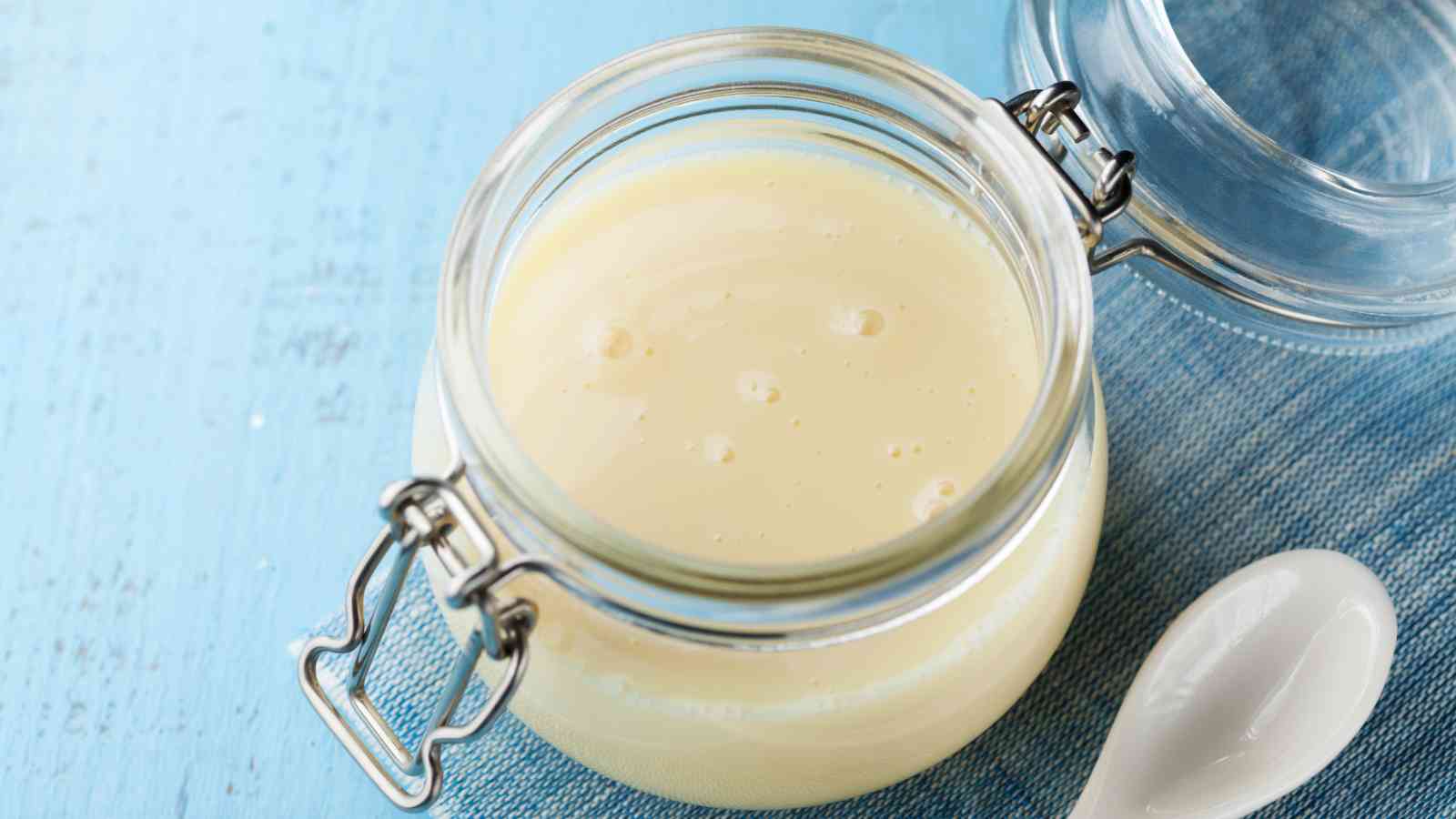
Evaporated milk is fresh milk with about 60% of its water content removed, giving it a thicker consistency. It became popular for its long shelf life and ability to stand in for cream in recipes like fudge, creamy soups, and baked goods. Your grandma probably kept it on hand for quick desserts or to enrich casseroles. It delivers a rich flavor that plant-based milks or watered-down dairy alternatives can’t match. Keeping a few cans around means you’re always ready to make something creamy and comforting.
Pickled Pig’s Feet

A form of preserved pork, pickled pig’s feet are brined in a vinegar solution that gives them a tangy, chewy bite. They’re packed with collagen, which is valued today for joint health and skin elasticity. Once a common snack or protein addition to meals, they fell out of favor as eating habits became more sanitized and less nose-to-tail. If you’re into trying traditional or heritage cuisine, they offer a bold, deeply flavorful experience. Plus, they’re still sold in some stores, usually tucked away on the bottom shelf of the canned meats aisle.
Canned Pimentos
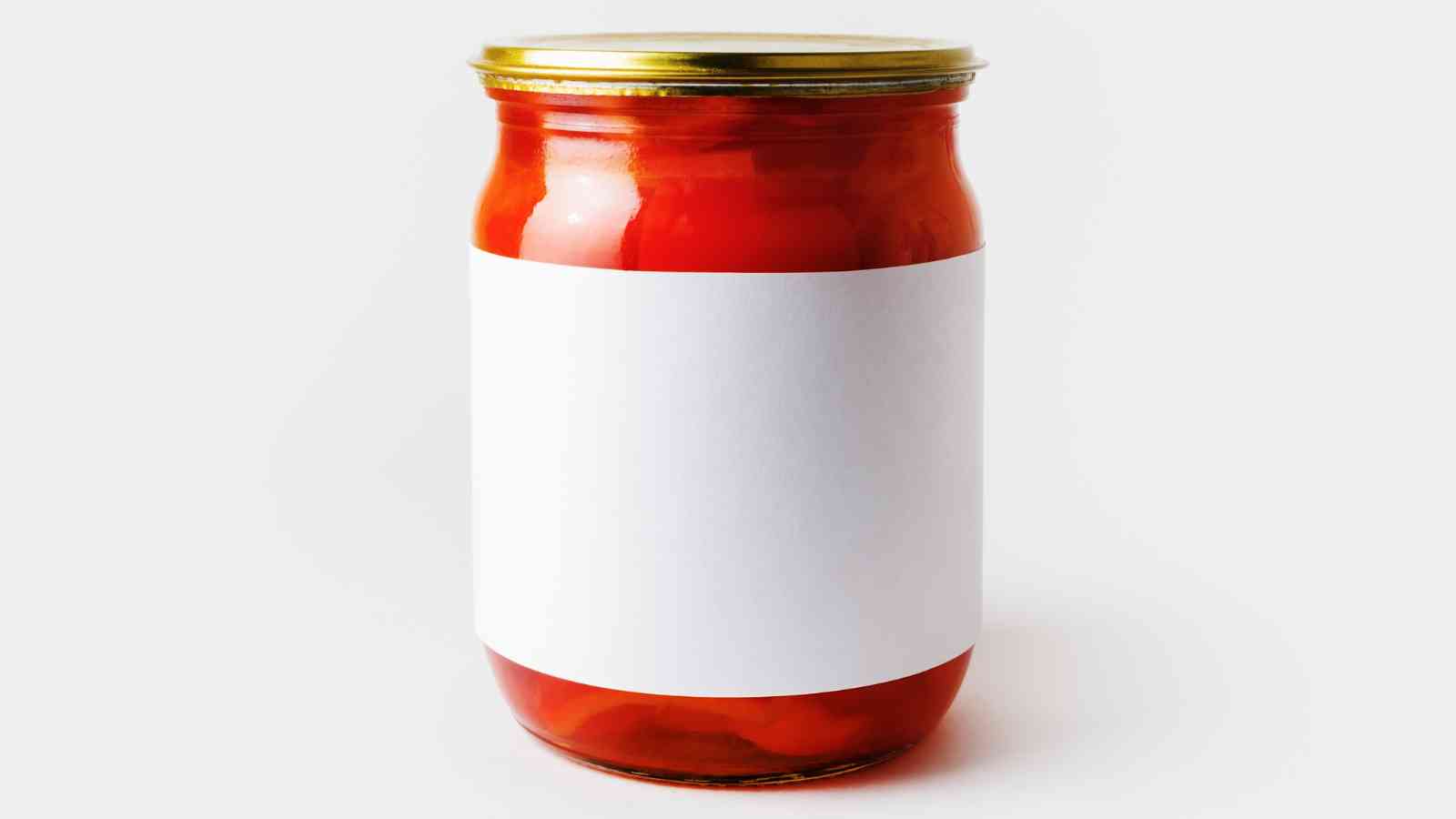
These sweet red peppers are mild, aromatic, and often chopped or diced into small pieces. Found in classic dishes like pimento cheese and deviled eggs, they offered color and flavor when fresh vegetables weren’t available. Your grandma likely used them as an easy way to dress up salads or sandwich spreads. Today, they’re often passed over for trendier peppers, but they still add subtle sweetness without overpowering other ingredients. Stocking a jar can add that retro charm and soft flavor to your side dishes or dips.
Molasses
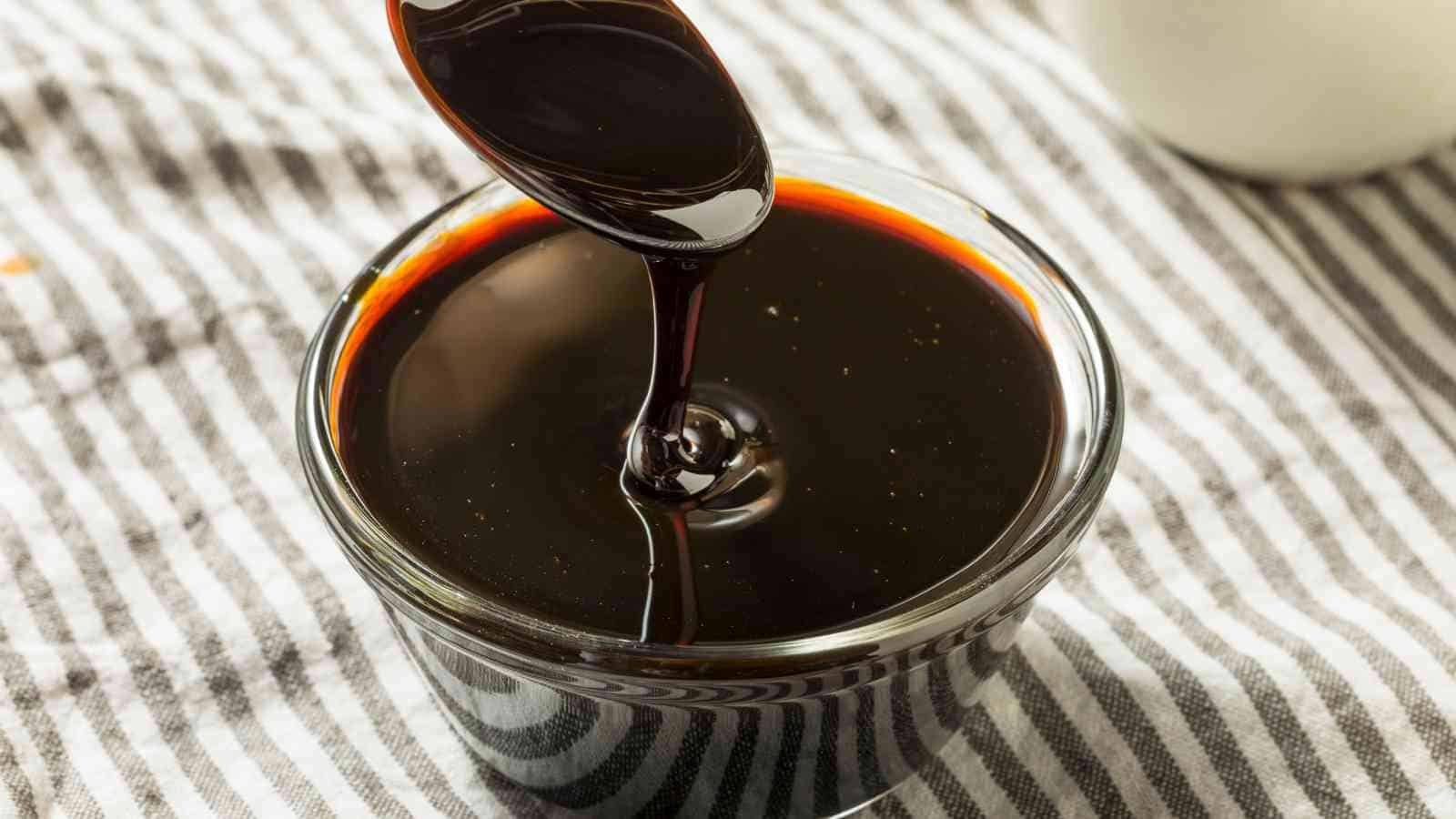
Molasses is the thick syrup left over from refining sugarcane or sugar beets into sugar. Dark, robust, and mineral-rich, it was once a go-to sweetener, especially in baking and slow-cooked dishes. It’s rich in iron, calcium, and potassium—making it more nutritious than many modern sweeteners. Your grandma likely poured it into gingerbread cookies, Boston baked beans, and barbecue sauces. Revisiting molasses means bringing deep, earthy complexity back into your kitchen.
Crisco
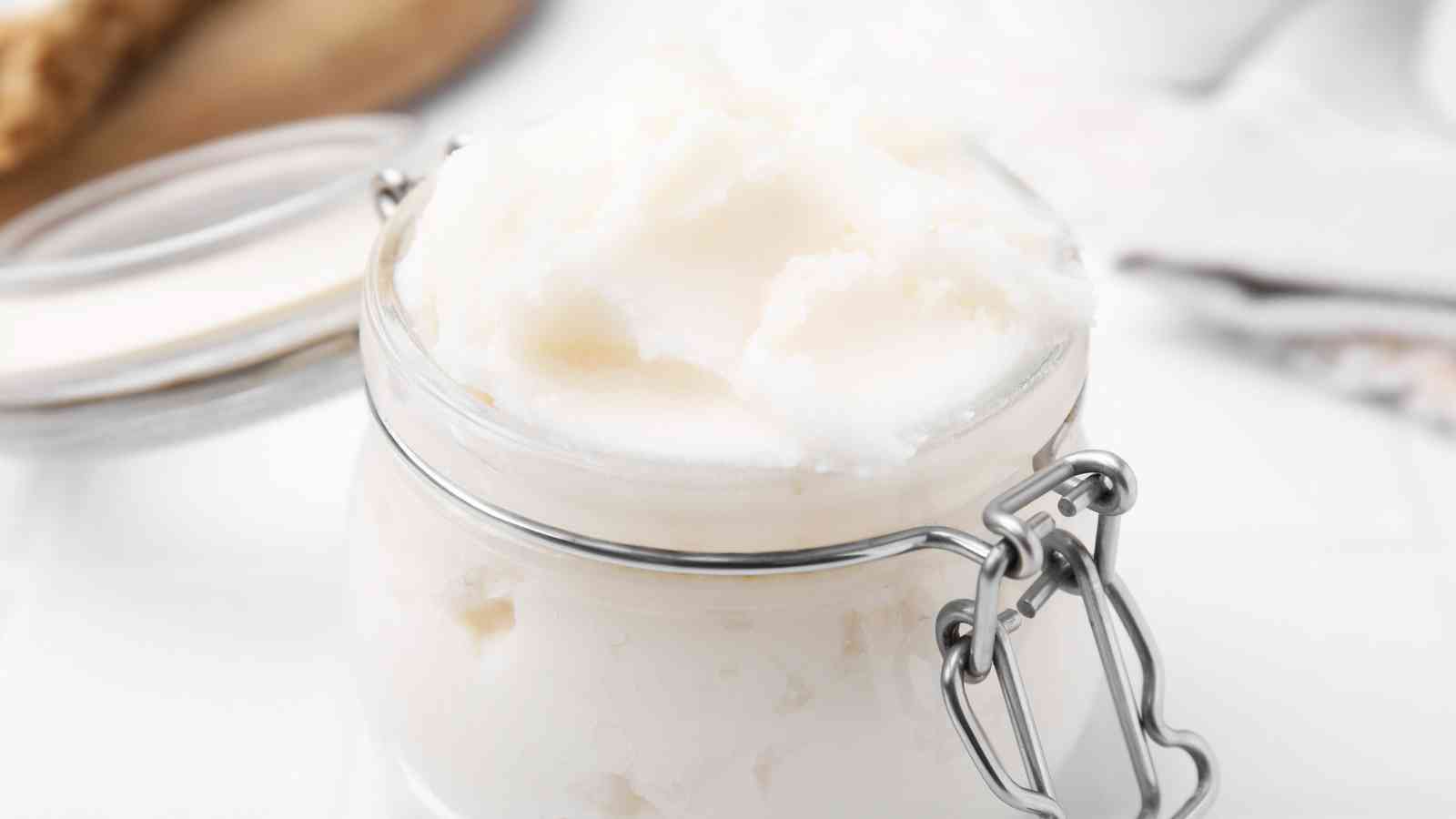
Launched in 1911, Crisco was the first shortening made entirely from vegetable oil and became a sensation for its convenience and long shelf life. It replaced lard in many households and was used for frying, baking, and greasing pans. Its texture gave cookies and pie crusts a light, crumbly quality. Modern concerns about trans fats led many to abandon it, though reformulated versions now contain zero grams per serving. If you’re baking for texture and nostalgia, it still performs beautifully in old-fashioned recipes.
Canned Salmon
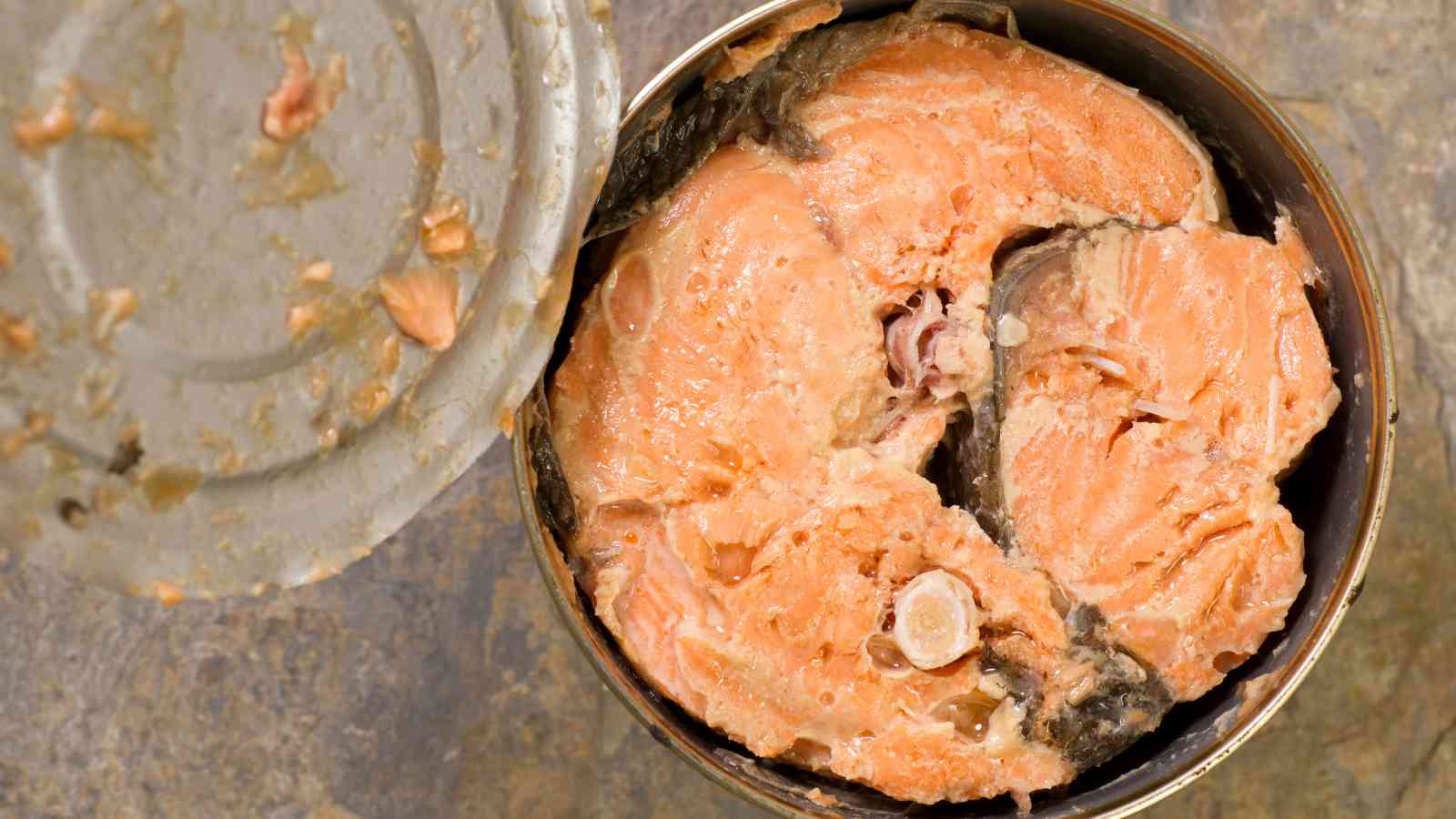
Canned salmon includes both meat and edible bones, offering calcium along with protein and omega-3 fats. It was economical and didn’t require refrigeration, making it a go-to protein in many mid-century kitchens. Your grandma might’ve used it in patties, loafs, or creamed salmon over toast. Though less popular than canned tuna, it delivers a richer flavor and more nutrients. It’s a quick, affordable way to work seafood into your meals without needing fresh fish.
Onion Soup Mix
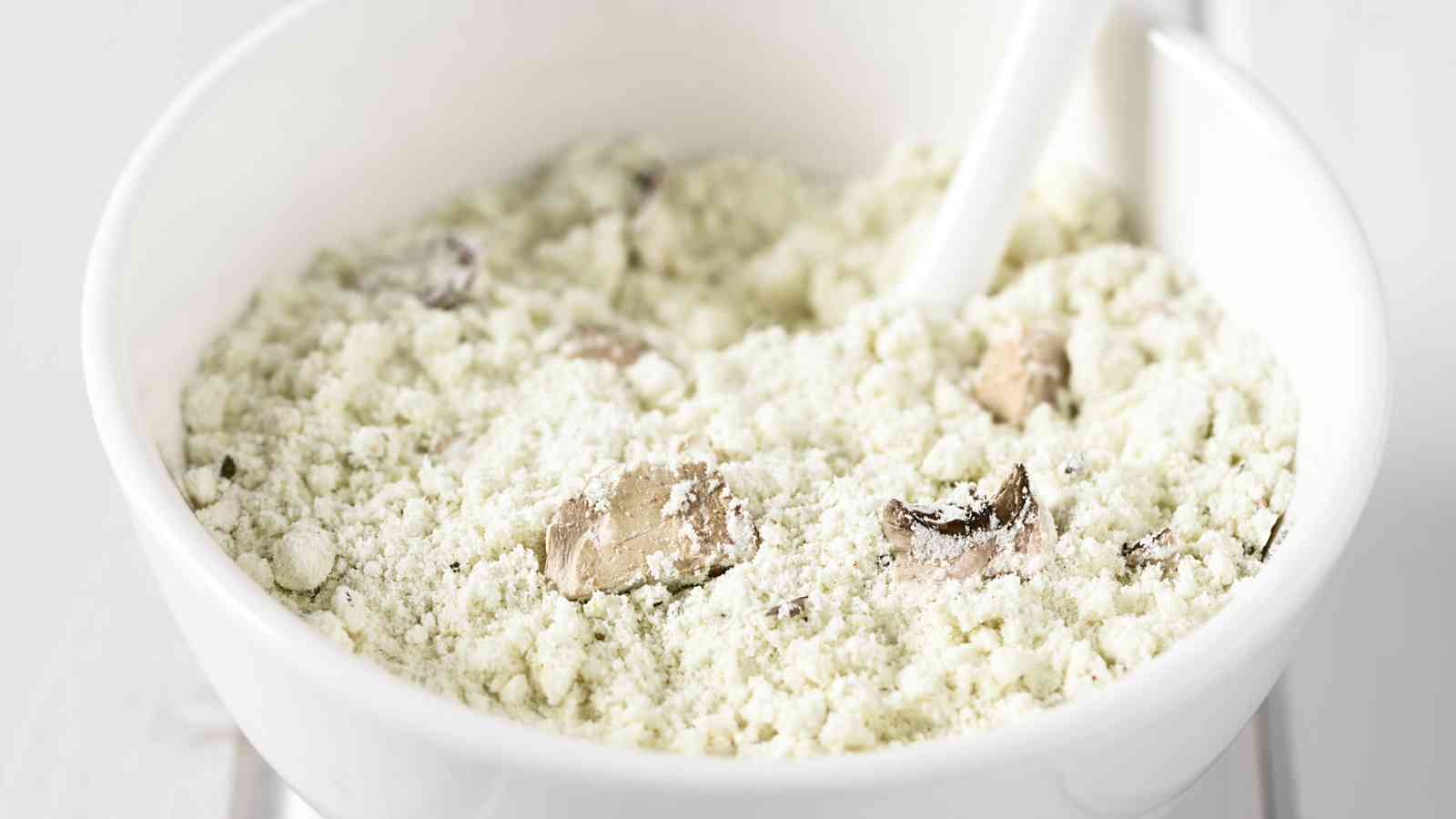
A powdered blend of dehydrated onions, herbs, and flavor enhancers, onion soup mix became a kitchen shortcut in the 1950s. It was used for soups, meatloaf, pot roast, and the now-iconic sour cream dip. Your grandma likely saw it as a reliable way to add flavor with minimal effort. While many now opt for fresh aromatics, this mix still delivers concentrated flavor in seconds. It’s especially handy when you need to throw together a comforting meal without starting from scratch.
Buttermilk

Buttermilk is fermented dairy that’s naturally tangy and slightly thicker than milk. It reacts with baking soda to produce a rise in pancakes, biscuits, and cakes, making baked goods light and tender. Beyond baking, it tenderizes meats and adds depth to salad dressings and sauces. Your grandma probably used it often, but now it’s rarely found in the average fridge. When used properly, it creates results you just can’t duplicate with a milk-lemon hack.
Gelatin
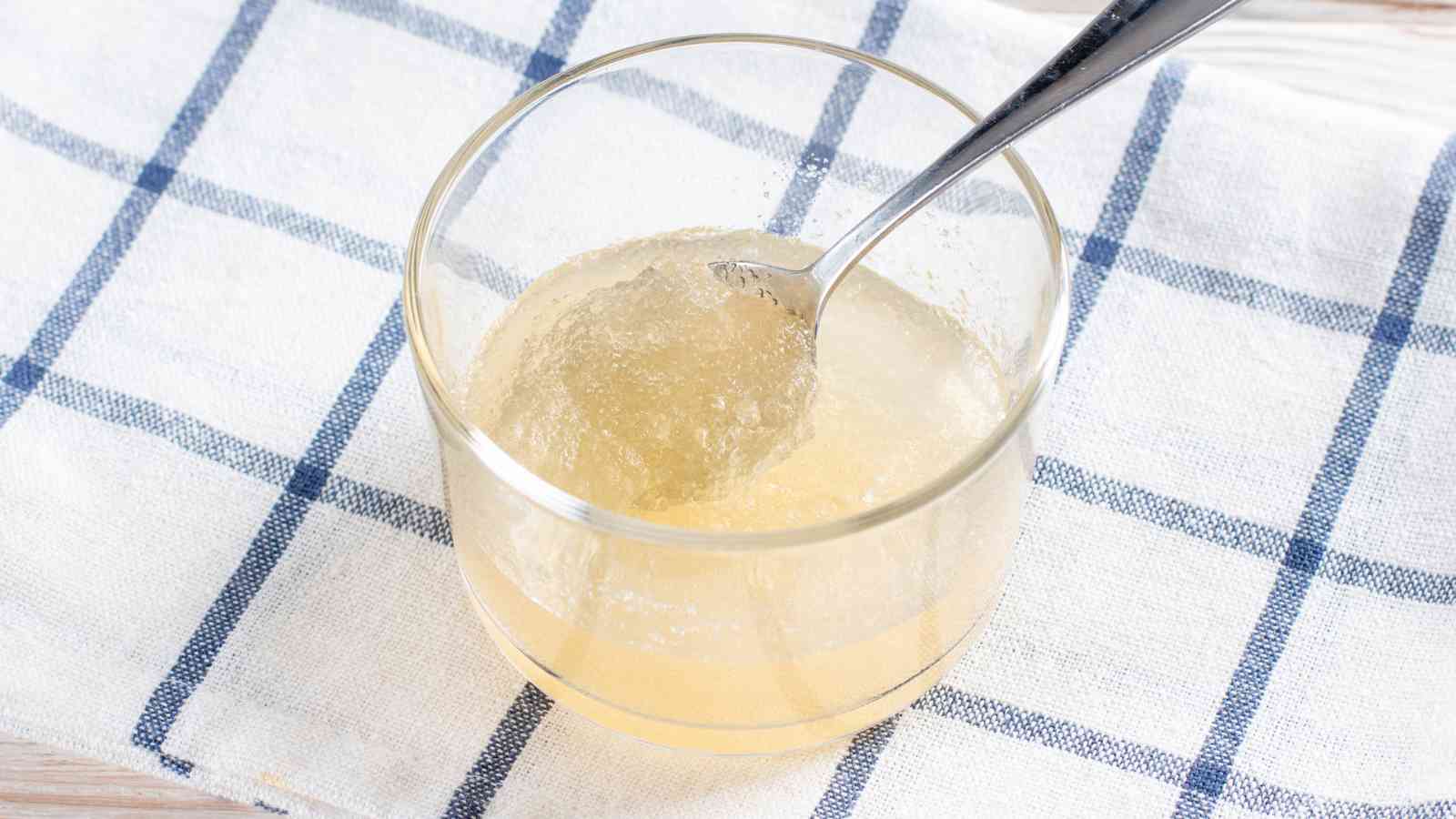
Often used in molded salads and desserts, unflavored gelatin is a protein derived from animal collagen. It was once popular in savory dishes like aspics and in sweet treats like Jell-O molds. Beyond texture, it provides amino acids and is known to support joint and gut health. Your grandma probably used it for everything from marshmallows to cold entrees. You might find it worth exploring again, especially for homemade gummy snacks or protein-rich desserts.
Suet
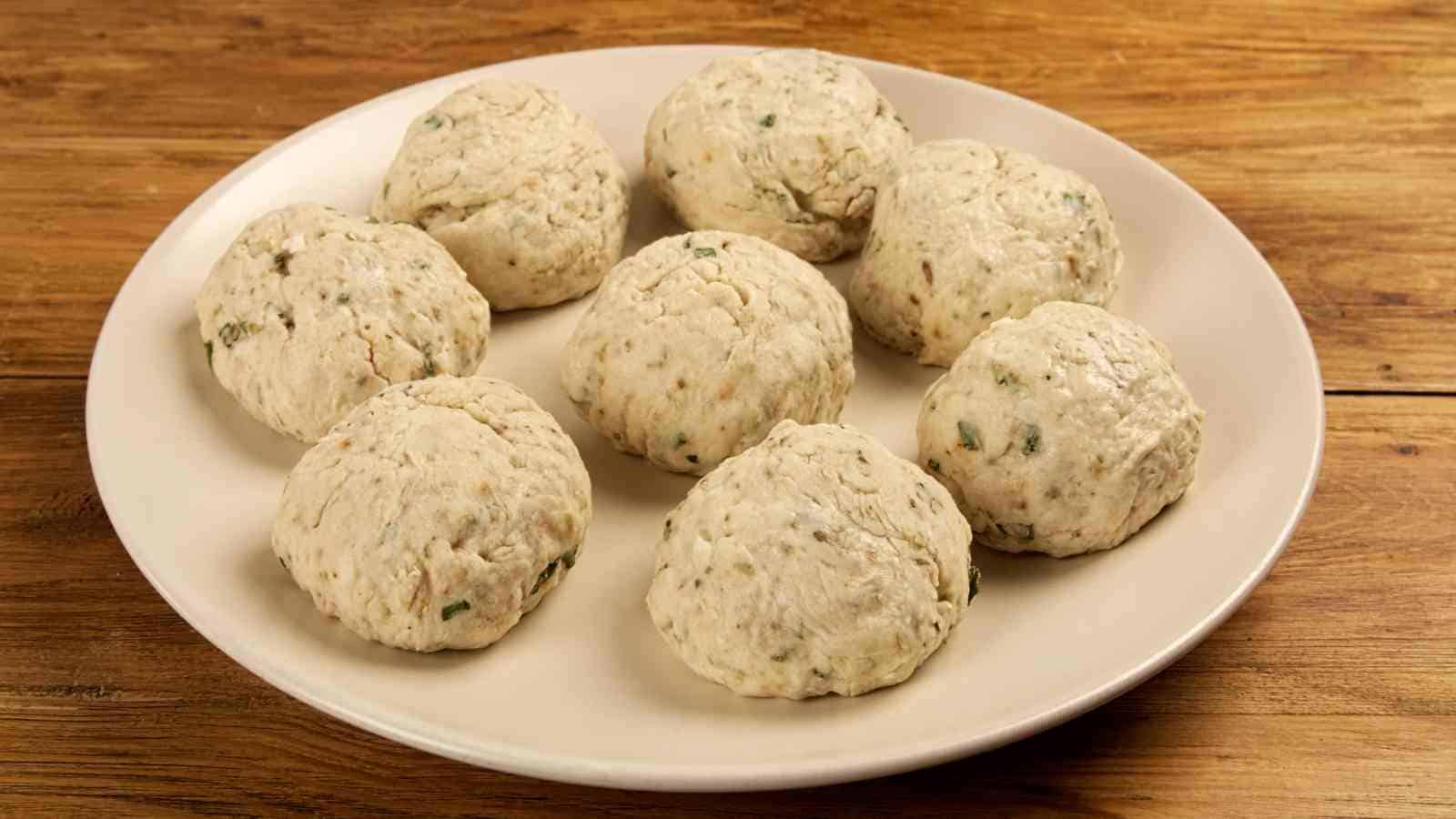
Suet is raw beef or mutton fat found around the kidneys and loins, traditionally used in British steamed puddings and savory pies. It’s prized for its high melting point and ability to create a rich, crumbly texture. Your grandma may have used it for mincemeat pies or dumplings, especially in winter. Today, it’s largely forgotten, but it remains a powerful tool for hearty, old-fashioned dishes. You can still find it in specialty butchers or the freezer section if you’re ready to explore authentic vintage recipes.
Horseradish
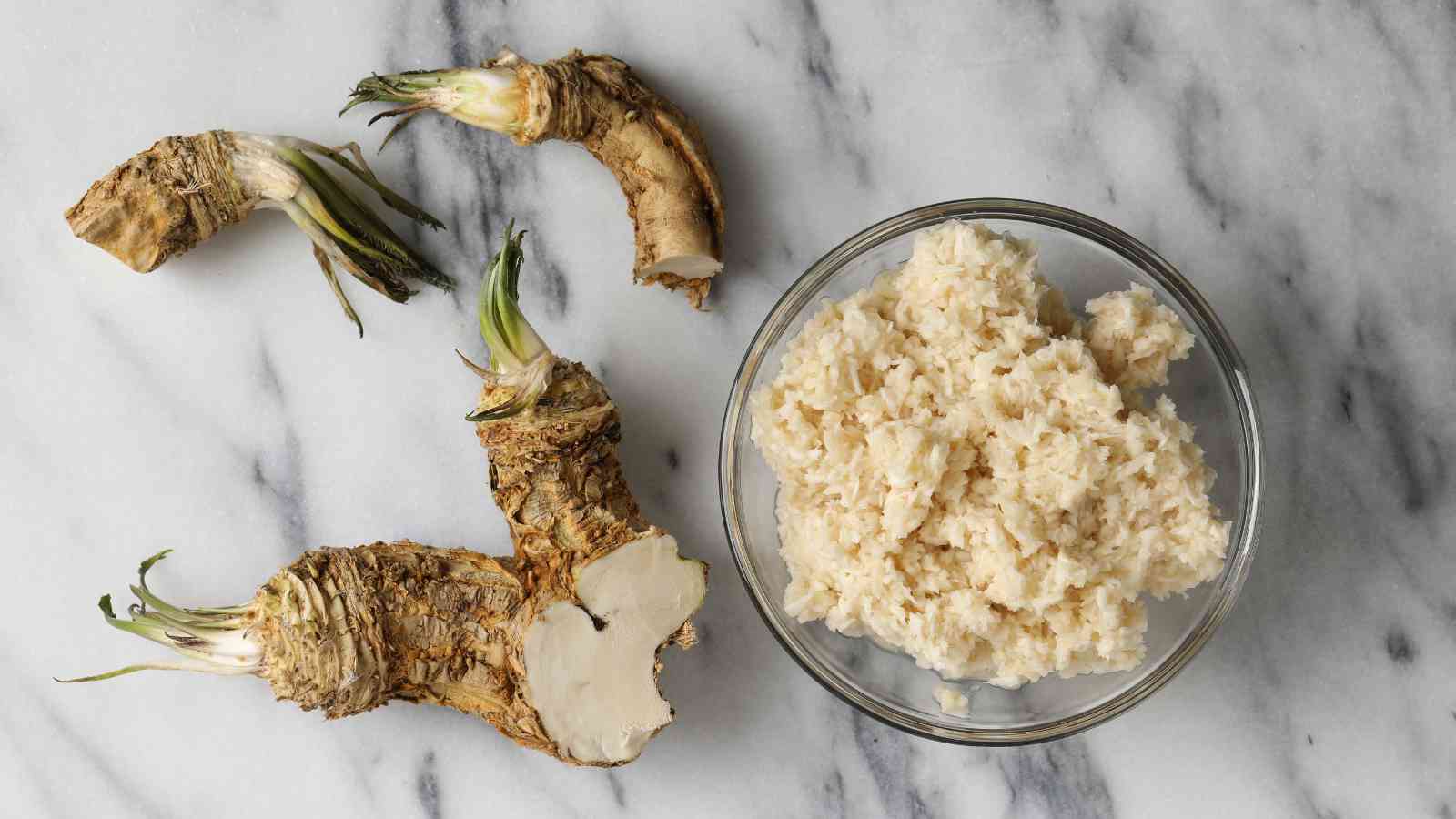
A pungent root vegetable, horseradish was a common condiment before hot sauces took over. It’s often grated or creamed and used with roasts, seafood, and in sandwich spreads. Rich in glucosinolates, it’s believed to have antimicrobial properties and was traditionally used to help with digestion. Your grandma may have kept a jar in the fridge to wake up bland leftovers or roast beef. You can still use it today to bring sharpness and heat without overpowering dishes.
Cod Liver Oil

Cod liver oil is a nutrient-dense supplement packed with omega-3 fatty acids and vitamins A and D. Your grandma might have given it to children by the spoonful, especially in colder months, to support immunity and bone health. It was widely used before multivitamins and fortified foods became the norm. Though now replaced by capsules or other oils, it remains one of the richest natural sources of essential nutrients. You can still find liquid or softgel forms if you’re looking to add an old-school boost to your wellness routine.
Cornmeal Mush
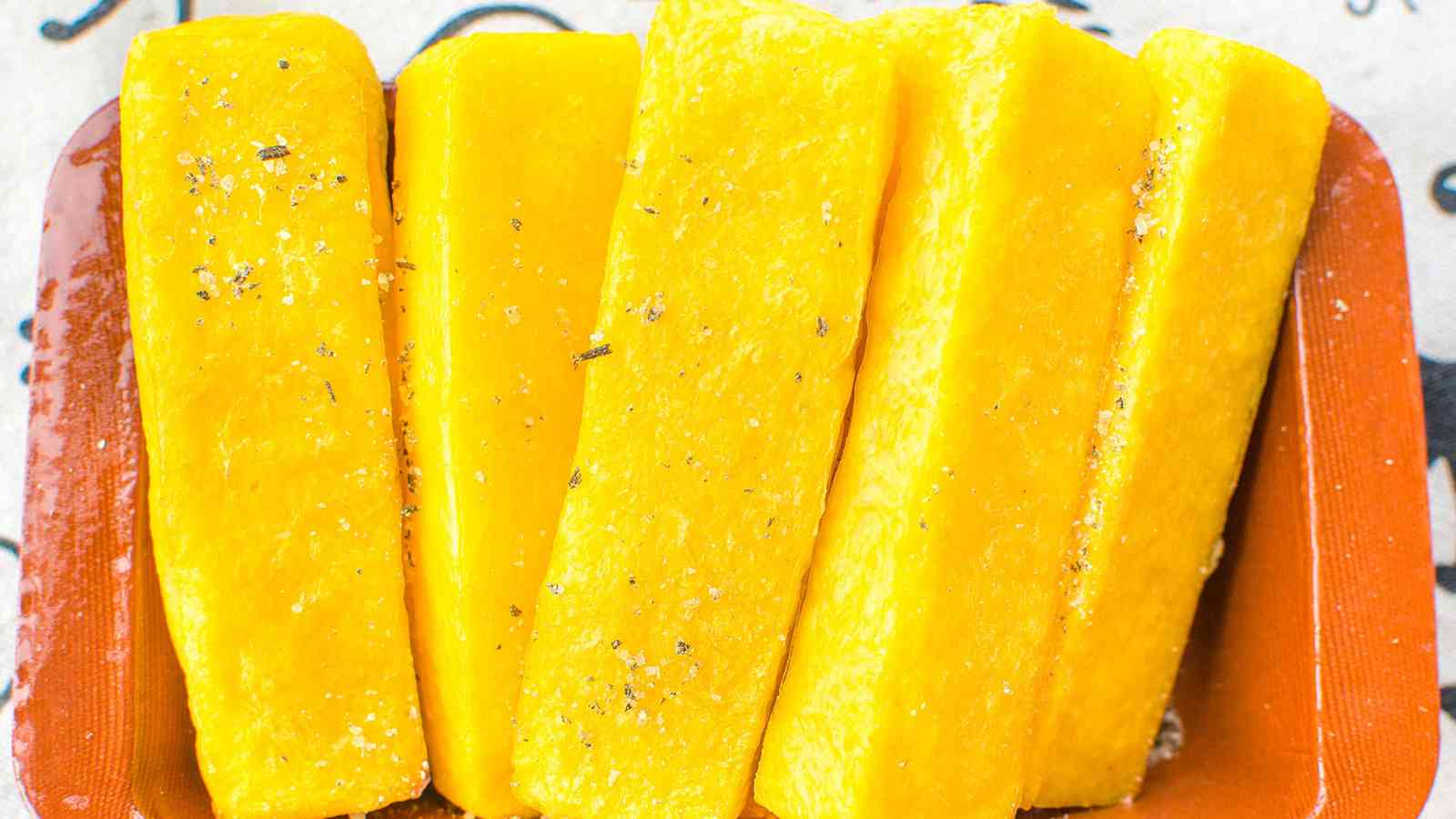
Cornmeal mush is a simple dish made by boiling cornmeal in water or milk until it thickens, often then sliced and fried. It was an affordable, filling breakfast or side dish across the South and Midwest. Rich in complex carbs and naturally gluten-free, it was a go-to for energy and budget-conscious cooking. Your grandma may have served it with butter, syrup, or even gravy. Reintroducing it could diversify your grains beyond just oats and rice.
Clabber
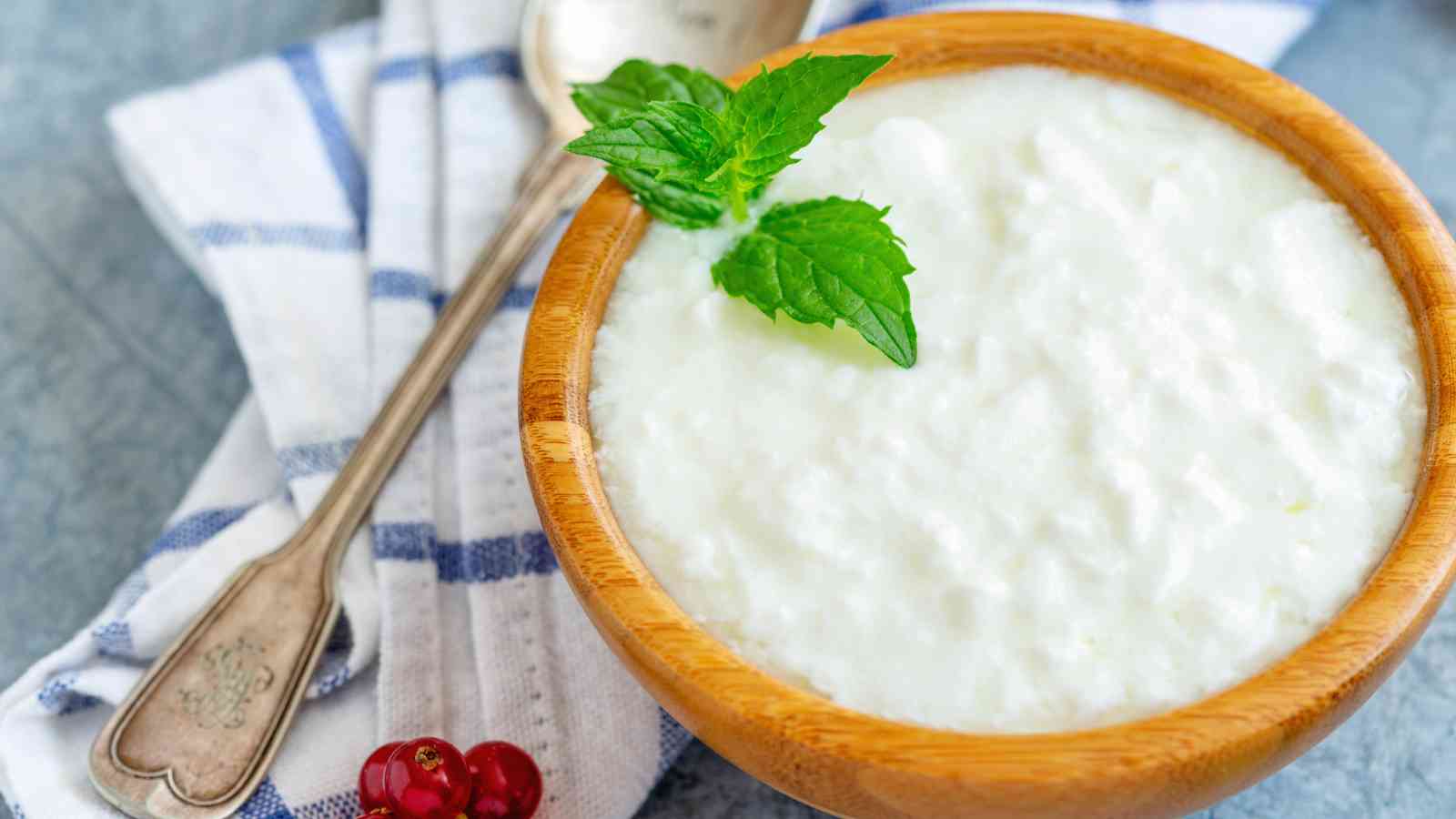
Clabber is naturally soured milk made by letting raw milk ferment until thick, used before refrigeration was common. It was often eaten with fruit or molasses or used in baking for leavening. The tangy flavor and thick texture are similar to yogurt but made without modern cultures. Your grandma likely used it for biscuits, cornbread, and cakes that needed a natural rise. Though less practical now due to pasteurized milk, the idea lives on in cultured buttermilk and sour cream—still worth incorporating for authentic flavor.
17 Meal Prep Mistakes That Make Healthy Eating Harder

It’s easy to get caught up in the excitement of planning your meals for the week and completely overlook things that could throw your goals off track. One small mistake can turn your fridge into a science experiment or leave you bored with your meals by midweek. Here are 17 common meal prep mistakes that could be making healthy eating harder, along with exactly what to do instead. If you want to make your meal prep actually work for you, it’s time to ditch these habits.
20 Foods That Are Healthy Even Straight Out of the Package

These aren’t your old-school vending machine picks—they’re smart, functional choices that fit into real life without forcing you to prep, chop, or cook a single thing. Here are 20 healthy, grab-and-go options that actually deserve a spot in your pantry or fridge. Sometimes you’re in a rush. Sometimes you’re on the road. These no-prep options will help you stay on track without skipping meals or grabbing fast food.

Tamara Tsaturyan is the owner and writer of Thriving In Parenting, a website focused on providing simple tips for busy parents — easy and healthy recipes, home decor and organization ideas and all things P A R E N T I N G.

Share Your Thoughts!
I love to know your thoughts, make sure to comment below to start a discussion! You can also follow me on your favorite social network below.