One of the biggest factors we consider in almost everything is convenience—especially when it comes to grocery shopping. You might think you’re making smart choices by grabbing items that save you time or seem “premium,” but in reality, you’re often just handing over extra money for packaging, marketing, and minor shortcuts. Many everyday grocery items come with hidden markups that aren’t always obvious at first glance. Whether it’s a small bag of trail mix or a bottle of salad dressing, these convenience-based purchases chip away at your budget over time. Here are 17 common grocery store items that people regularly overpay for without realizing it, and how you can avoid falling into the same trap. Understanding where you overspend can help you shop smarter without sacrificing quality or time.
Pre-Cut Fruits and Veggies

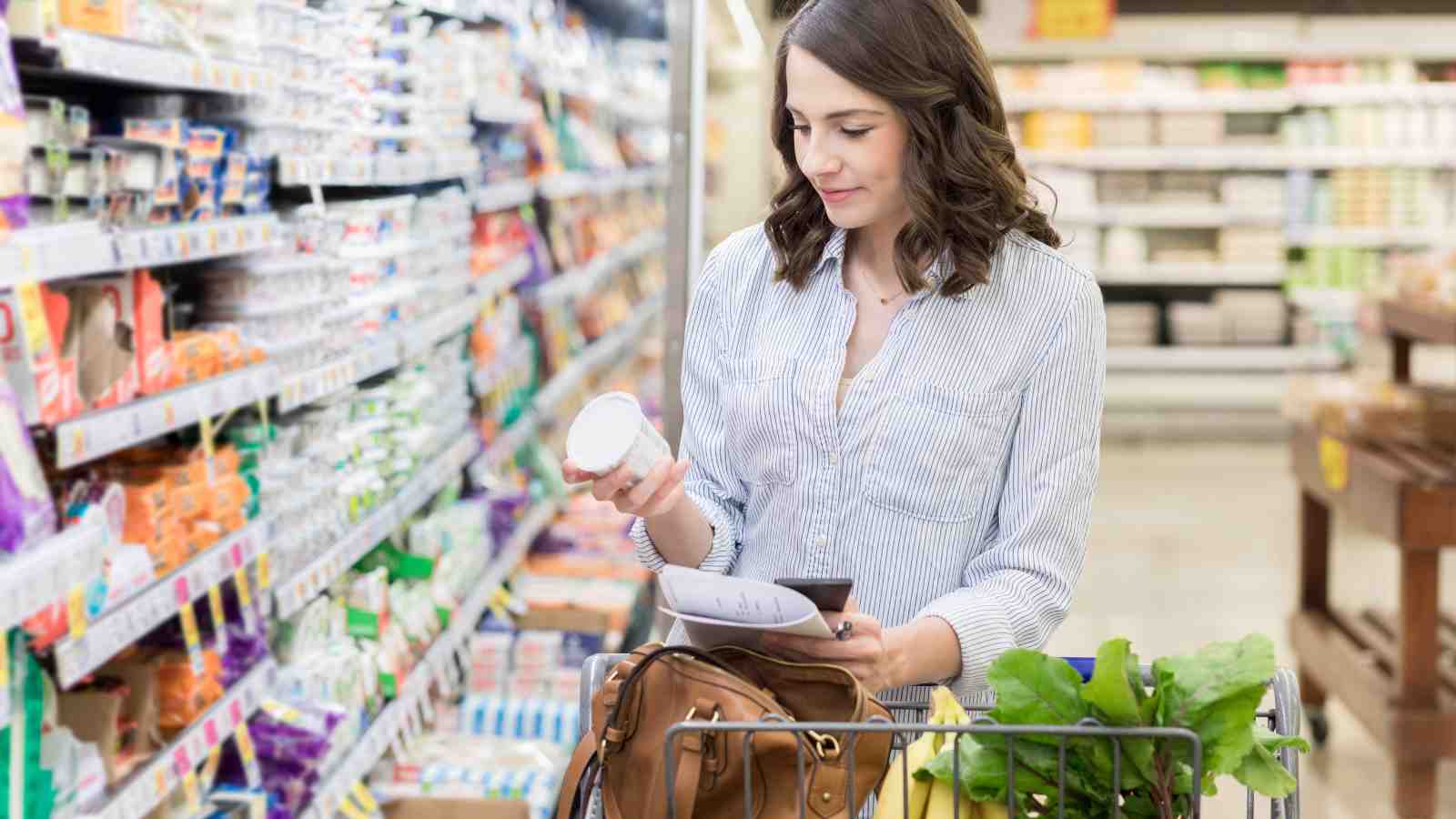
Retailers charge significantly more for pre-cut produce to cover labor, packaging, and refrigeration costs. A pre-chopped pineapple, for example, can cost twice as much as a whole one you slice yourself in just a few minutes. Beyond the higher price, pre-cut items spoil faster due to increased surface area and exposure to air. Many also come in excess plastic, which adds environmental cost on top of the financial one. Buying whole produce and prepping it at home offers better value, longer shelf life, and less waste.
Brand-Name Spices
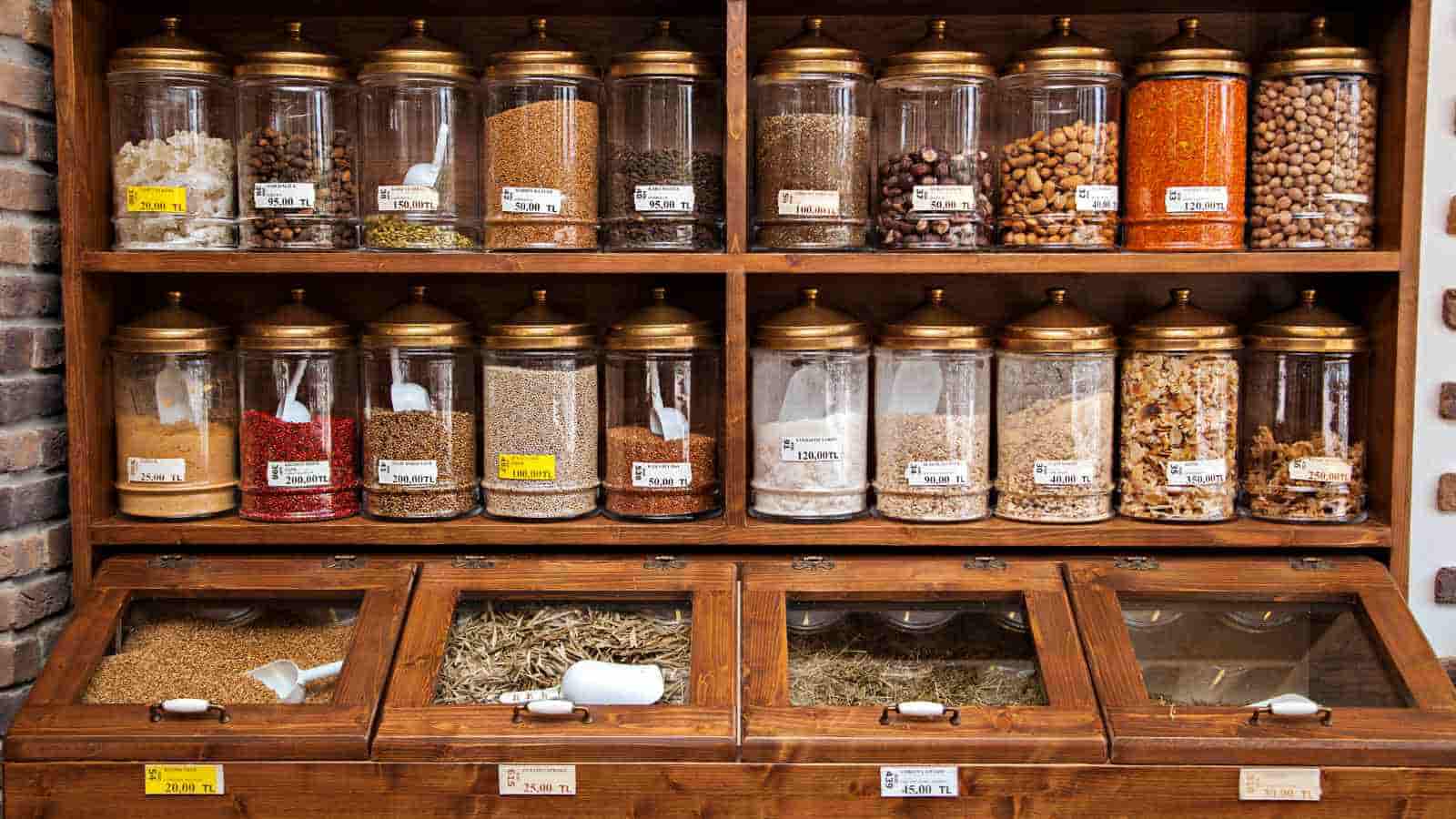
Major spice brands often charge a premium for attractive packaging and name recognition, not necessarily superior quality. Spices like cinnamon, paprika, or oregano can cost up to three times more under a brand label than their bulk-bin or store-brand equivalents. In blind tests, consumers typically can’t tell the difference once spices are cooked into dishes. What you’re really paying for is shelf appeal, not flavor. Buying in bulk or from less flashy brands gives you the same ingredients for a fraction of the cost.
Bagged Salad Mixes

Pre-washed salad blends often come with a hefty markup due to processing, packaging, and handling. These mixes are also more prone to spoilage, sometimes wilting within days despite the convenience. In contrast, a fresh head of romaine or spinach not only lasts longer but also costs less per serving. You can also customize your mix and avoid paying for fillers like cheap cabbage. While convenient, bagged salads rarely deliver on freshness or value.
Bottled Water

Many bottled waters, especially premium or “enhanced” types, are priced based on branding rather than actual benefit. Most are filled with tap water that’s been filtered and repackaged with a fancy label. The cost of a case of bottled water can easily surpass your monthly water bill. In areas with safe tap water, using a reusable bottle and filter saves money and reduces plastic waste. Unless you’re in an emergency or traveling, bottled water is one of the most marked-up grocery items around.
Shredded Cheese
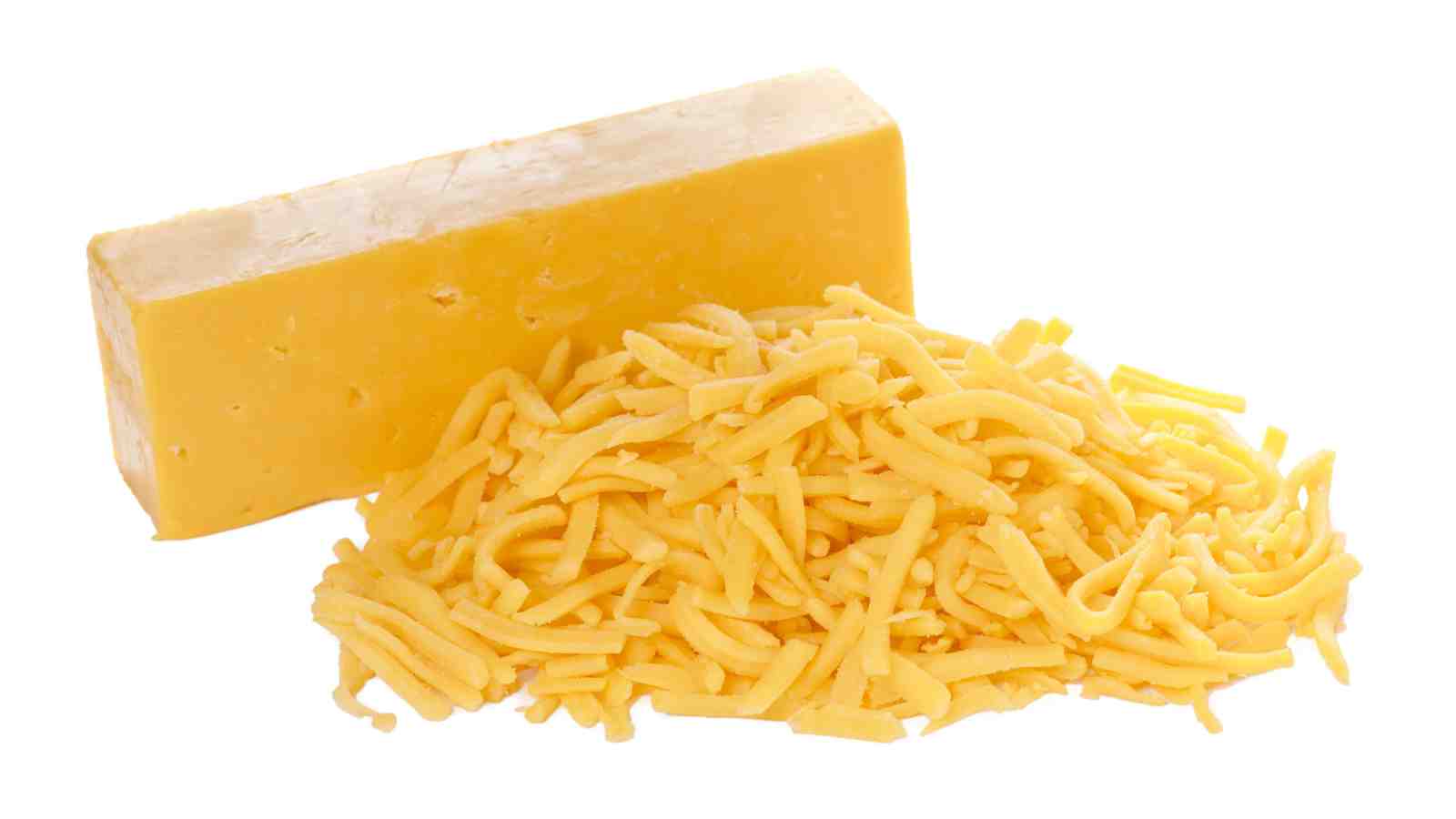
Pre-shredded cheese typically costs 30–50% more than a block of cheese due to added labor and packaging. It also contains anti-caking agents like cellulose to prevent clumping, which can impact how it melts and tastes. A block of cheese takes just a few minutes to grate and offers better texture when cooking. You also get more cheese for your money by avoiding the fillers and air in pre-shredded packs. Buying whole and grating as needed is a smart switch.
Pre-Made Deli Sandwiches
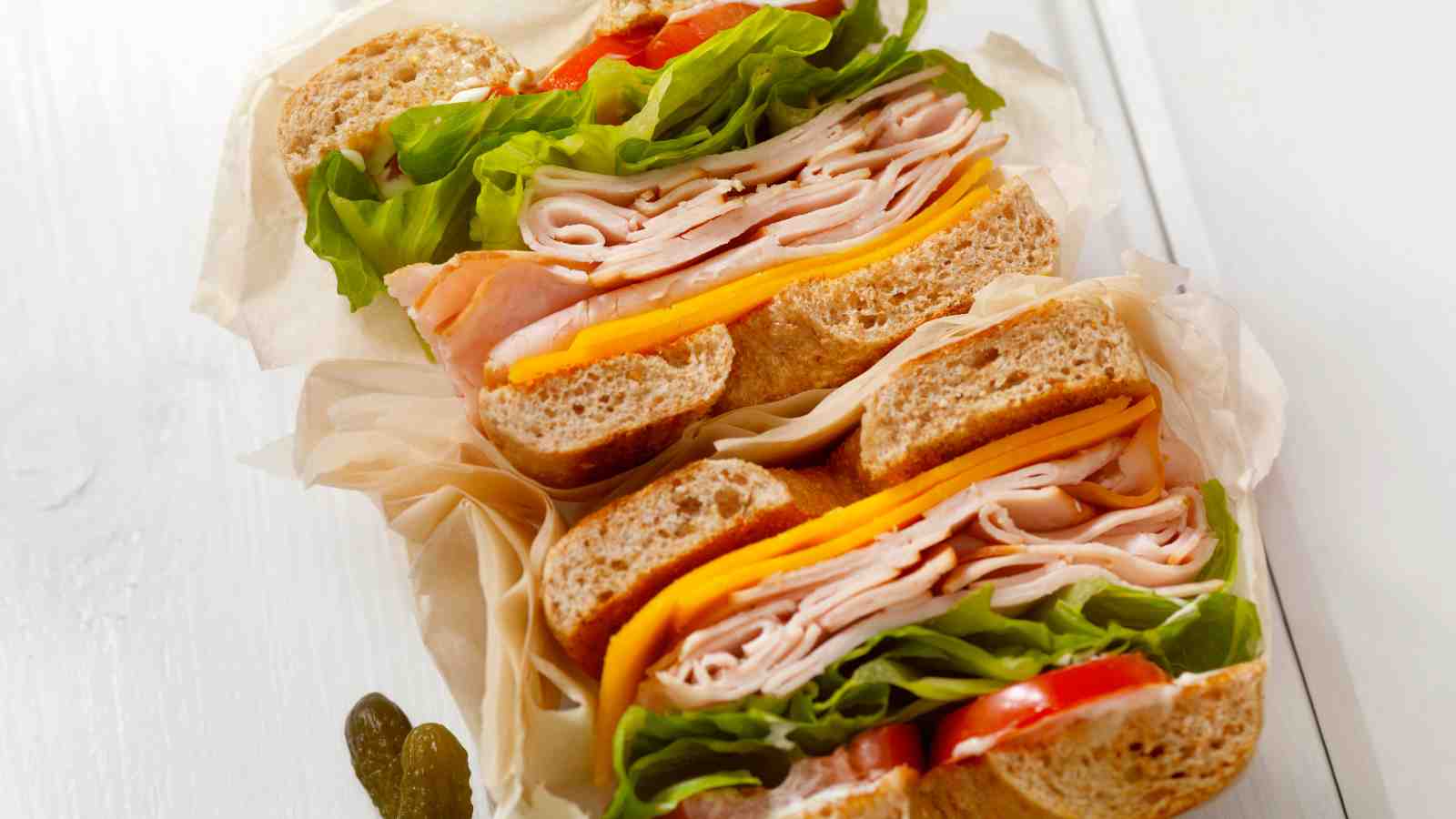
Deli sandwiches sold in grocery stores often have a high markup despite using basic ingredients. You might spend $8 on one sandwich when that same amount could buy a full loaf of bread and enough fillings for several. These ready-to-eat meals bank on impulse purchases and convenience. Nutritionally, they may not offer much value either, often packed with sodium and processed meats. Assembling your own sandwich saves both money and lets you control quality.
Single-Serve Snacks

Individually wrapped snacks like chips or cookies cost significantly more per ounce than family-sized versions. The packaging and portioning are what drive up the price—not the food itself. You also end up with more plastic waste and less flexibility in servings. Bulk snacks portioned at home into containers or reusable bags provide the same ease without the added cost. If you snack often, this small change can lead to big savings over time.
Name-Brand Pantry Staples
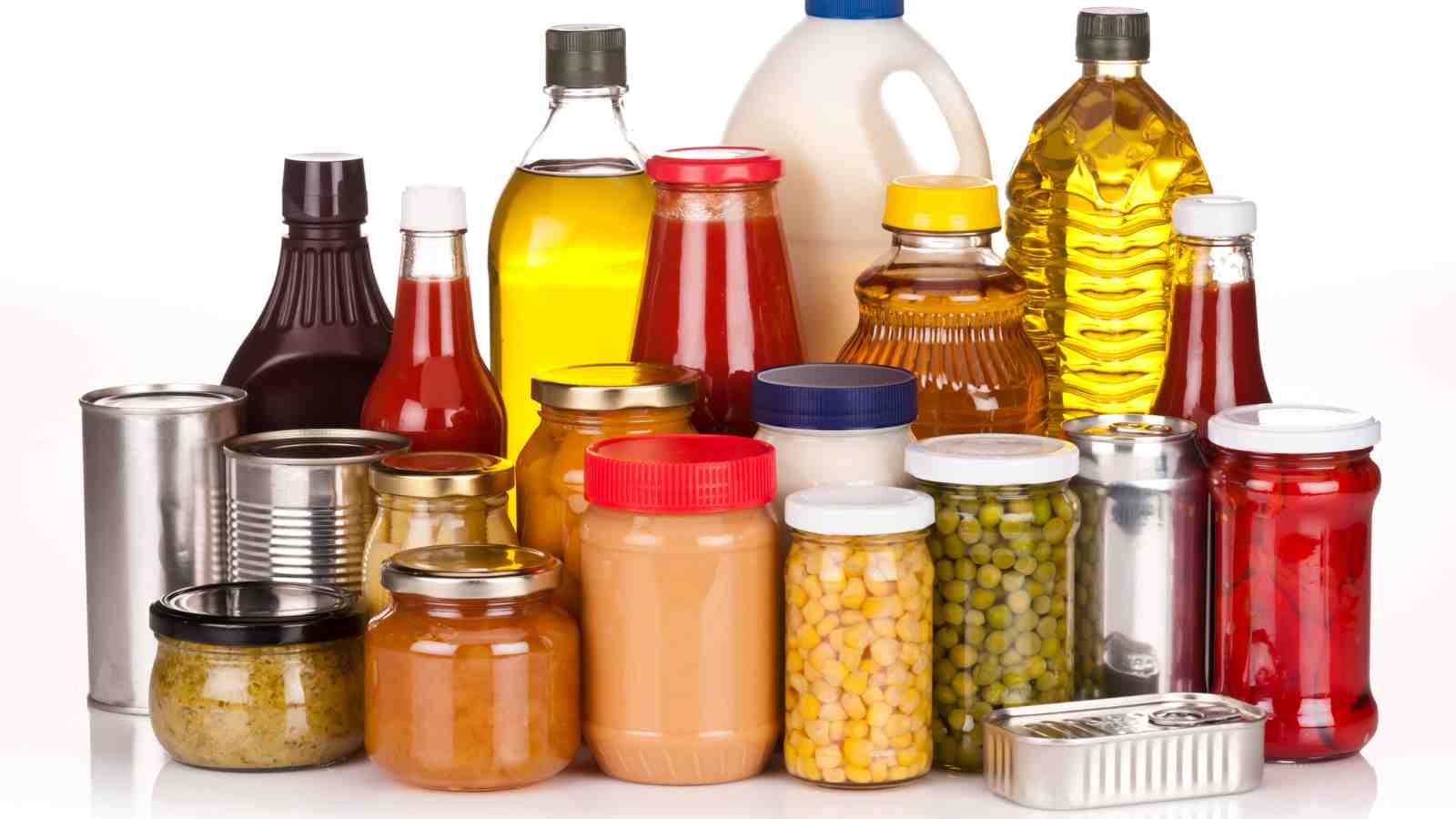
Staples like canned beans, peanut butter, and pasta are often identical in quality whether you buy brand-name or store-brand. What you’re paying extra for is usually marketing, not better ingredients. Blind taste tests frequently show minimal or no difference between the two. In some cases, store brands are produced in the same facilities as their name-brand counterparts. Switching to generics is a simple way to cut grocery costs without sacrifice.
Bottled Salad Dressings

Commercial dressings are often overpriced and packed with preservatives, thickeners, and sugars. A basic vinaigrette takes just a few pantry staples like oil, vinegar, and seasoning to mix at home in under a minute. When you make it yourself, you avoid paying extra for water-heavy formulas and additives. You also get fresher taste and control over ingredients. Homemade dressings are not only cheaper but also healthier.
Packaged Bakery Items
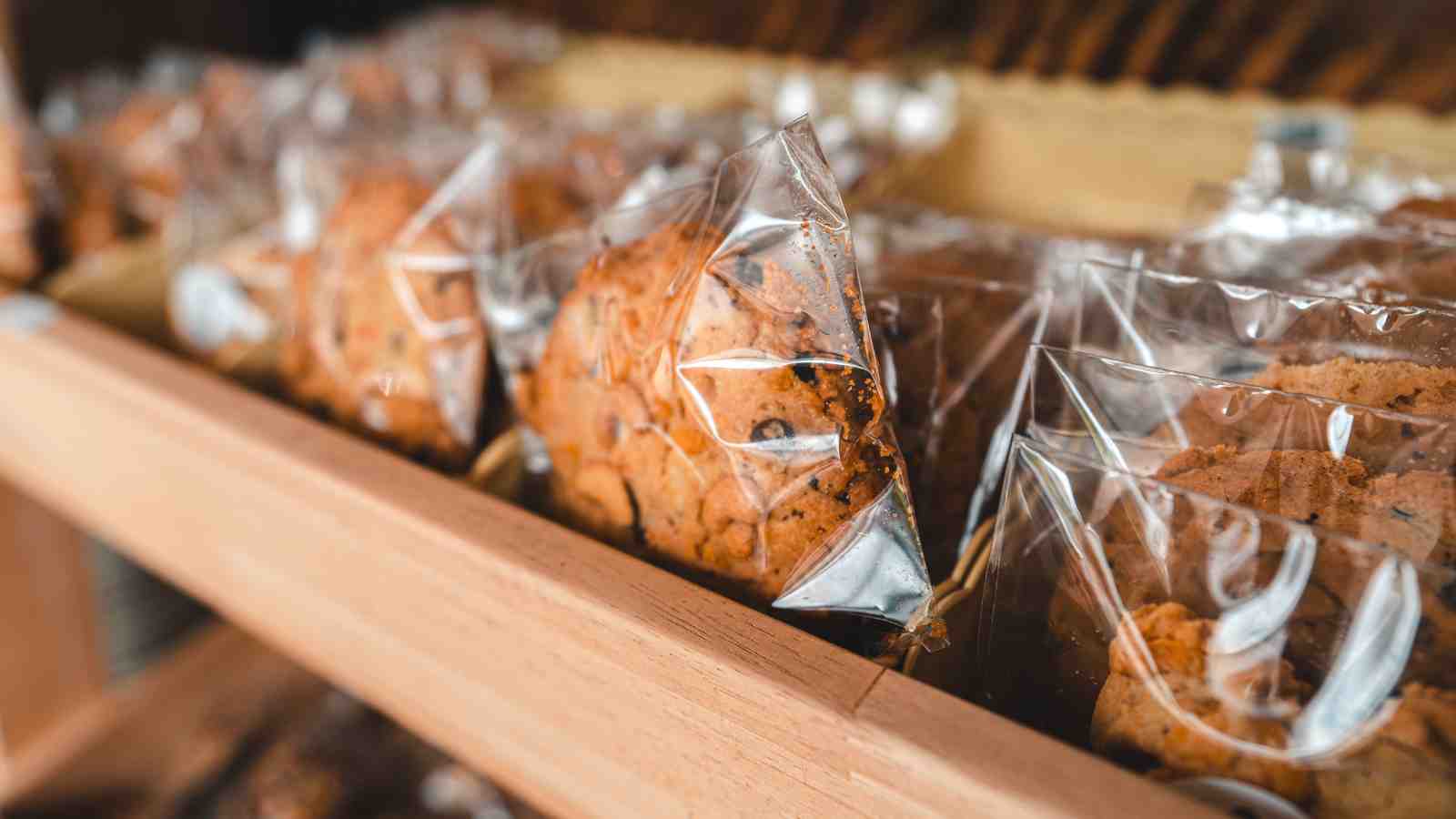
Cookies, cakes, and muffins from the grocery store bakery section often carry steep markups. Despite their high price, freshness can vary since many are baked off-site and shipped frozen. With basic ingredients like flour, sugar, and eggs, you can make larger batches at home for a fraction of the price. You also gain control over portion size and sweetness. Packaged bakery items offer convenience but little value for cost-conscious shoppers.
Trail Mixes and Snack Mixes

Small bags of trail mix often contain cheap fillers like pretzels or candy-coated pieces, yet are sold at premium prices. Buying nuts, dried fruits, and extras separately allows you to make a custom mix that’s often cheaper and healthier. Packaged mixes also tend to be high in sodium and sugar, diminishing their nutritional appeal. The markup is mostly for assembly and branding. DIY versions let you control both content and cost.
Breakfast Kits or Snack Packs

Lunchbox-friendly kits with crackers, meats, and cheese are among the most overpriced convenience foods. Individually, the ingredients are inexpensive and readily available in larger quantities. Assembling your own kits not only lowers cost but also lets you choose better-quality options. The price difference for a week’s worth of kits can be substantial. While the packaging is marketed for busy mornings, it comes at a high financial premium.
Marinated Meats
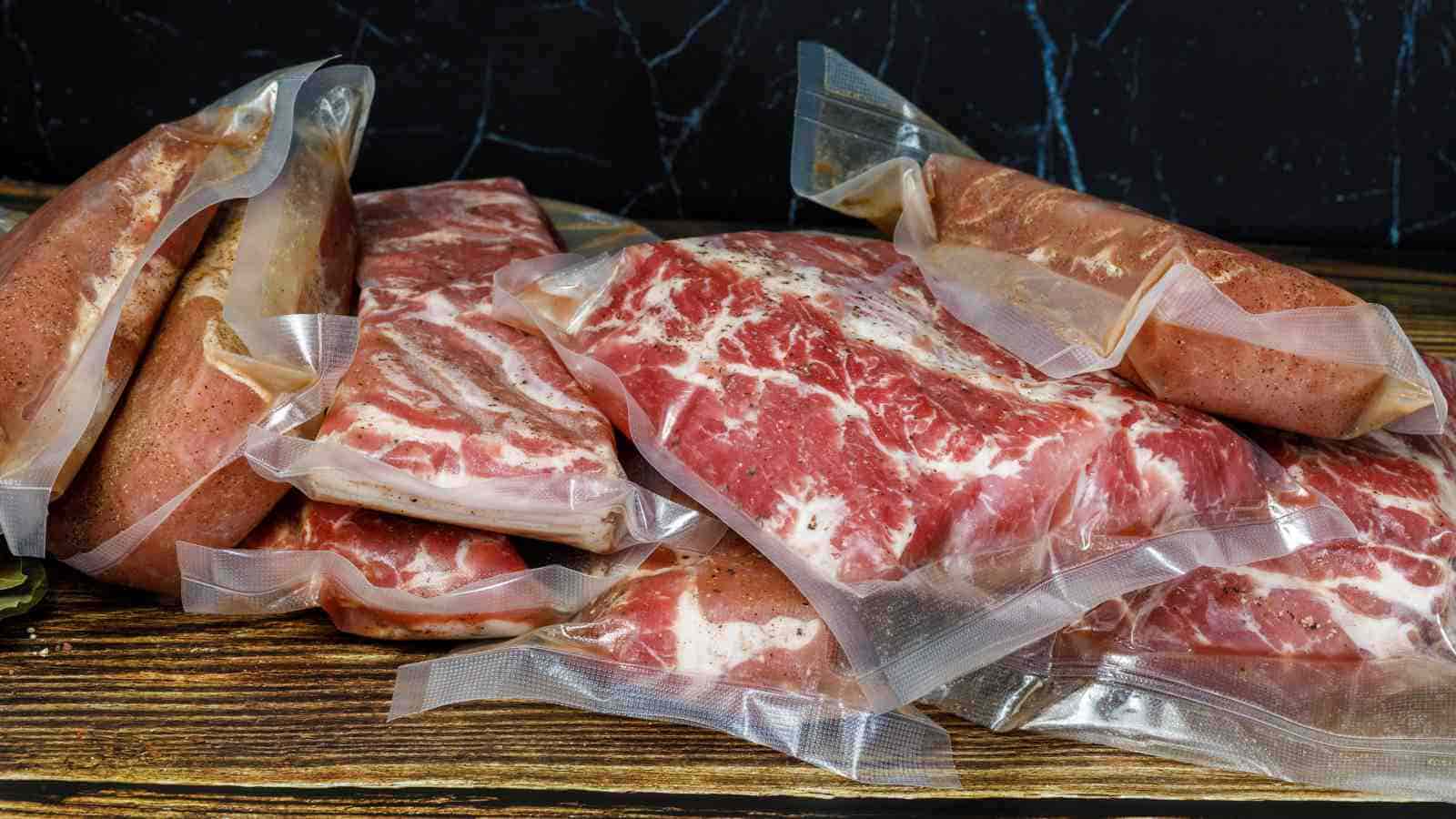
Stores often marinate lower-grade cuts and charge more than plain meat, banking on flavor and convenience. Making a marinade at home takes only a few minutes using basic pantry staples. You also avoid added preservatives and flavor enhancers that are common in store-prepared versions. When you buy plain cuts and season them yourself, you get more control and better value. Pre-marinated meat is an easy but costly shortcut.
Microwaveable Rice or Grains
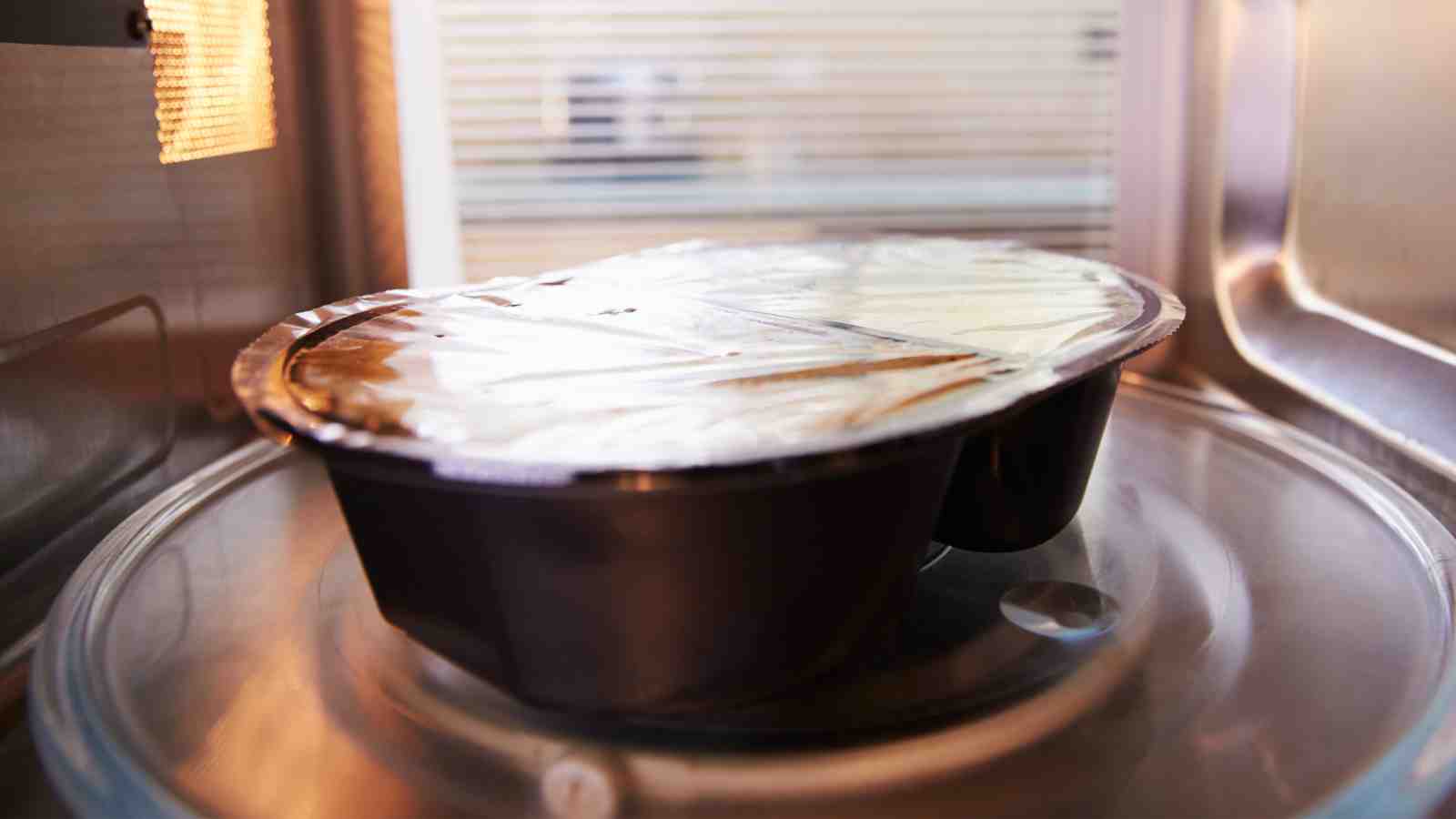
Pre-cooked rice or grains in microwave pouches cost far more per ounce than dry versions. For example, a serving of microwaveable rice can cost up to five times more than bulk rice cooked on the stove. Convenience is the main selling point, but the price difference is dramatic for such a basic staple. A rice cooker or even stovetop method takes minimal effort for better savings. Buying dry grains and cooking in batches is the smarter option.
Flavored or Pre-Seasoned Items
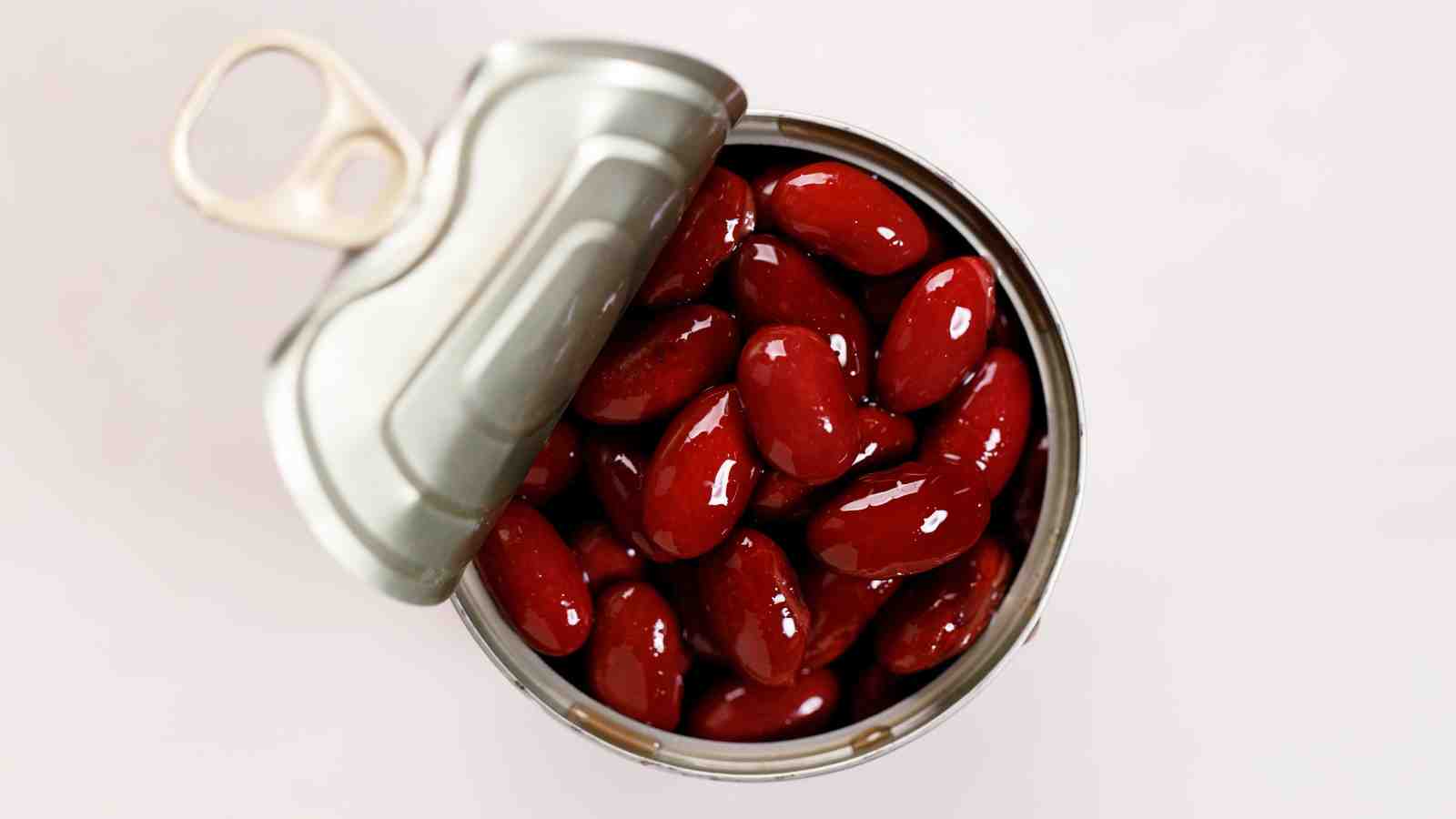
From canned beans with added spices to flavored instant noodles, these items often contain high levels of sodium and additives. You’re also paying more for seasonings you could easily add yourself at home. While they seem convenient, the long-term cost adds up quickly. Simple unseasoned versions are more versatile and budget-friendly. Making small flavor adjustments at home keeps your grocery bill in check and gives better control over taste.
17 Meal Prep Mistakes That Make Healthy Eating Harder

It’s easy to get caught up in the excitement of planning your meals for the week and completely overlook things that could throw your goals off track. One small mistake can turn your fridge into a science experiment or leave you bored with your meals by midweek. Here are 17 common meal prep mistakes that could be making healthy eating harder, along with exactly what to do instead. If you want to make your meal prep actually work for you, it’s time to ditch these habits.
20 Foods That Are Healthy Even Straight Out of the Package

These aren’t your old-school vending machine picks—they’re smart, functional choices that fit into real life without forcing you to prep, chop, or cook a single thing. Here are 20 healthy, grab-and-go options that actually deserve a spot in your pantry or fridge. Sometimes you’re in a rush. Sometimes you’re on the road. These no-prep options will help you stay on track without skipping meals or grabbing fast food.

Tamara Tsaturyan is the owner and writer of Thriving In Parenting, a website focused on providing simple tips for busy parents — easy and healthy recipes, home decor and organization ideas and all things P A R E N T I N G.

Share Your Thoughts!
I love to know your thoughts, make sure to comment below to start a discussion! You can also follow me on your favorite social network below.