Decision fatigue around dinner isn’t just a “first-world problem”—it’s real brain drain. After a full day of choices, the last thing anyone wants is to stare blankly at the fridge and ask, “What now?” Our minds get overloaded trying to juggle meals, preferences, and timing all at once. The good news is that small habits and simple systems can make dinners feel way easier. These strategies are about working smarter, not harder, so evenings can be calmer and more manageable—without losing variety or flavor.

Create a Short Rotation of Default Dinners
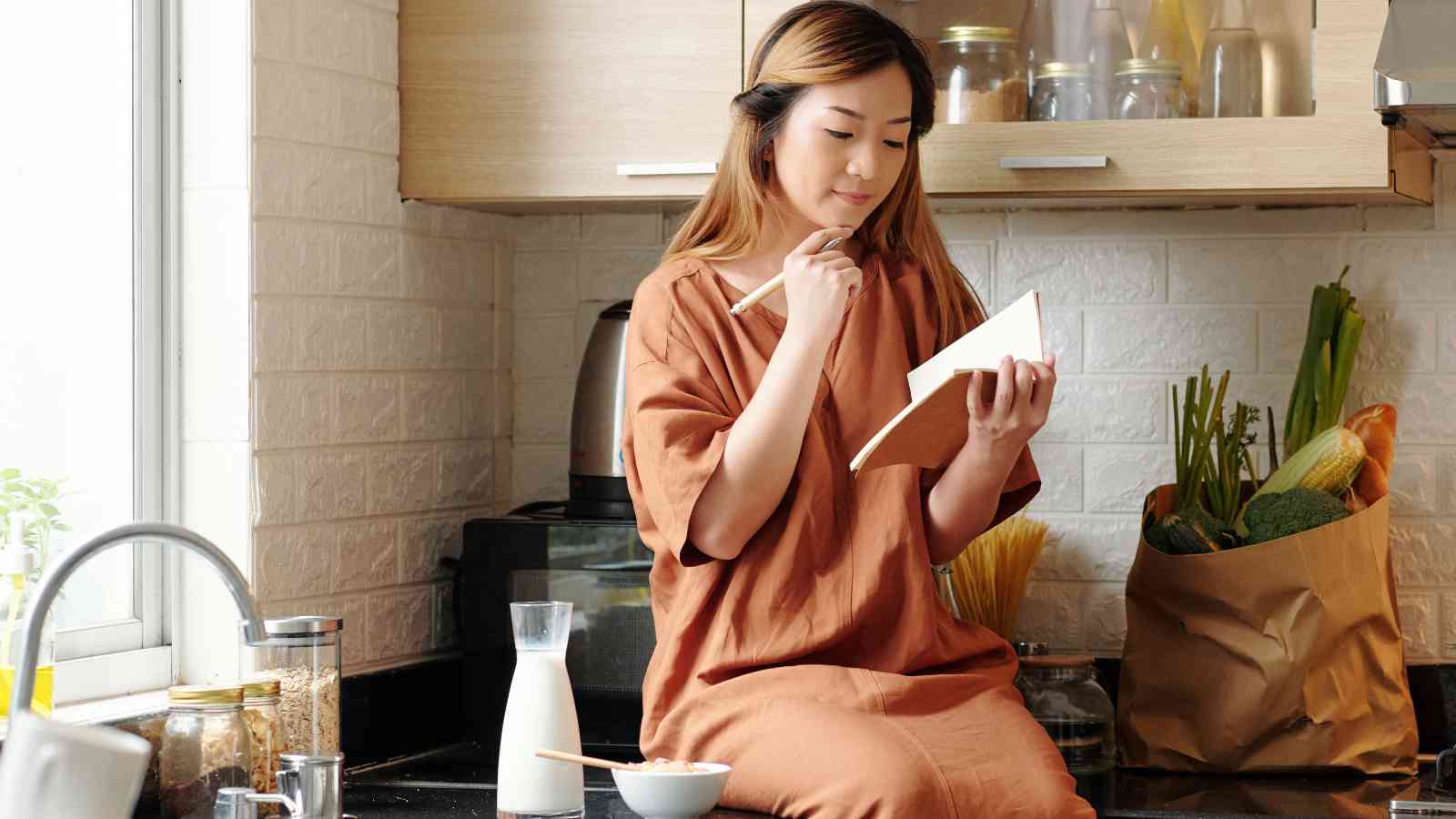
Having a few go-to meals feels like giving your brain a break. You already know the ingredients, the timing, and how it all comes together, so you aren’t reinventing the wheel every night. Shopping gets easier because the list stays mostly the same. Swapping one protein or adding a new spice keeps things interesting without extra effort. Dinner becomes something you actually look forward to instead of a mini stress test.
Assign Theme Nights

Theme nights quietly narrow choices but leave room for creativity. Pasta night doesn’t mean the same noodle every week, and taco night can feature anything from chicken to roasted veggies. It gives structure so you’re not staring blankly at ingredients, wondering what fits. Planning feels lighter because you’re working inside a box, not starting from scratch. Everyone knows what to expect, but no one’s bored.
Decide Meals Earlier in the Day

Picking dinner before the evening chaos hits is a game-changer. Your mind is fresher, and decisions feel easier. It also means you don’t get trapped in “hanger panic” at five o’clock. Prep can happen gradually instead of all at once, which is way less stressful. By evening, it’s just follow-through instead of a mental tug-of-war.
Keep a Visible Meal List
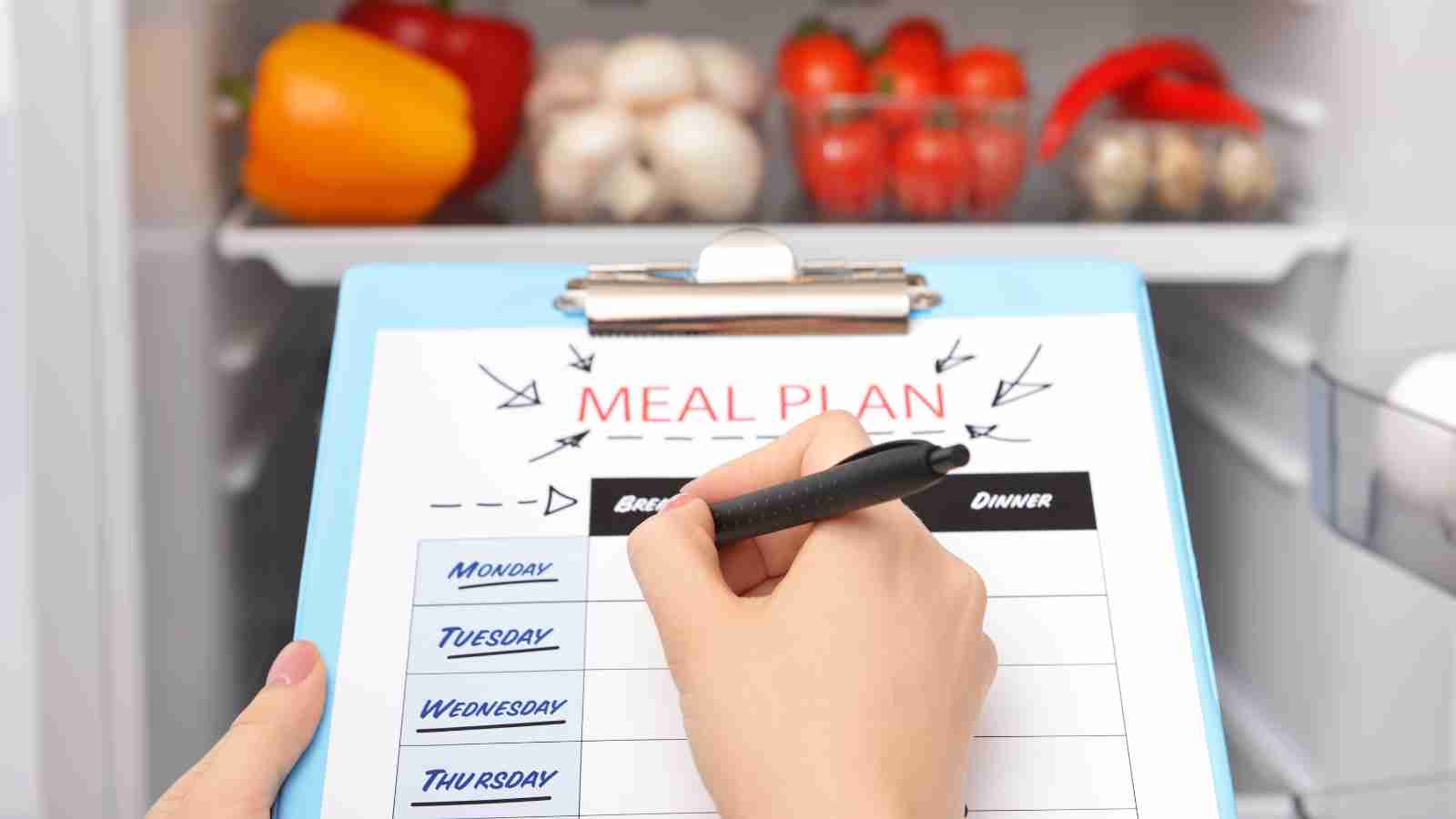
Writing meals down is like giving your brain a cheat sheet. A whiteboard, a sticky note, or a list on the fridge stops that endless “what should we eat?” loop. Everyone can see it, so no last-minute debates. Your memory gets a break, and the night moves faster. It’s small, but it really changes how smooth dinnertime feels.
Repeat Breakfasts and Lunches

Eating the same thing earlier in the day keeps your brain from burning out. Fewer choices in the morning save energy for the big decision later. You can still mix it up nutritionally without reinventing every meal. Morning routines get faster, and afternoons feel less frantic. By the time dinner rolls around, your head is actually ready to think about food again.
Limit Recipe Scrolling

Scrolling endlessly is exhausting, even if it looks fun. Too many options make your brain spiral instead of helping. Sticking to a small group of trusted recipes cuts stress and speeds up decision-making. Familiar meals build confidence—you know it will work. Cooking suddenly feels doable instead of a performance.
Batch-Cook Once or Twice a Week

Cooking in bulk is basically a mental lifehack. One big session gives you leftovers for nights when you just don’t want to think. You save time, reduce stress, and still eat well. Planning becomes more flexible because there’s always a ready-made option. It’s not cheating—it’s smart.
Stock Ingredients That Mix Easily
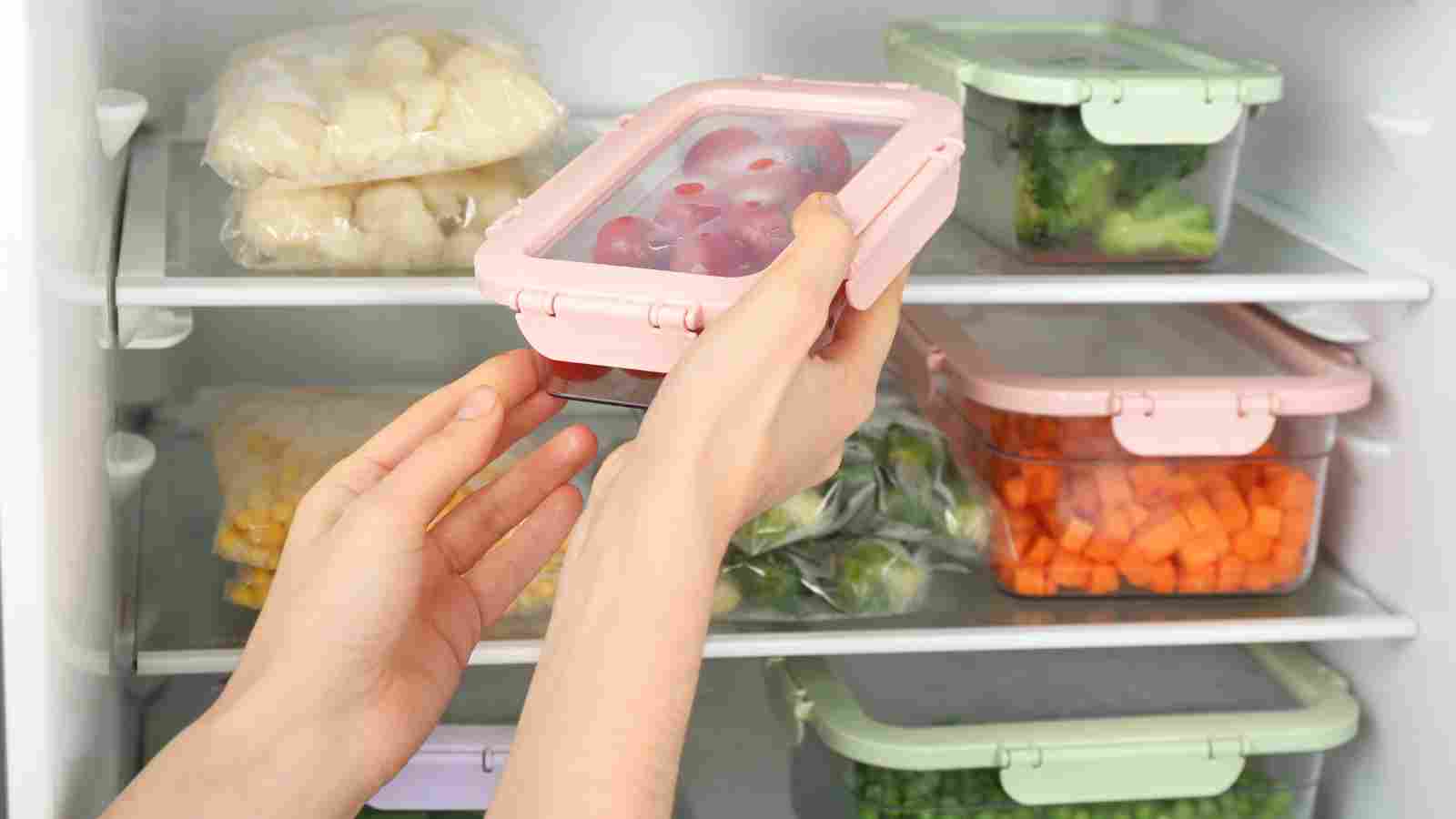
Ingredients that play well together are your best friends. A handful of veggies, proteins, and grains can create countless meals without the extra brainwork. Shopping becomes simpler because you know everything works together. Even small improvisations feel effortless. You stay flexible without adding decision pressure.
Lower the Expectation of Variety
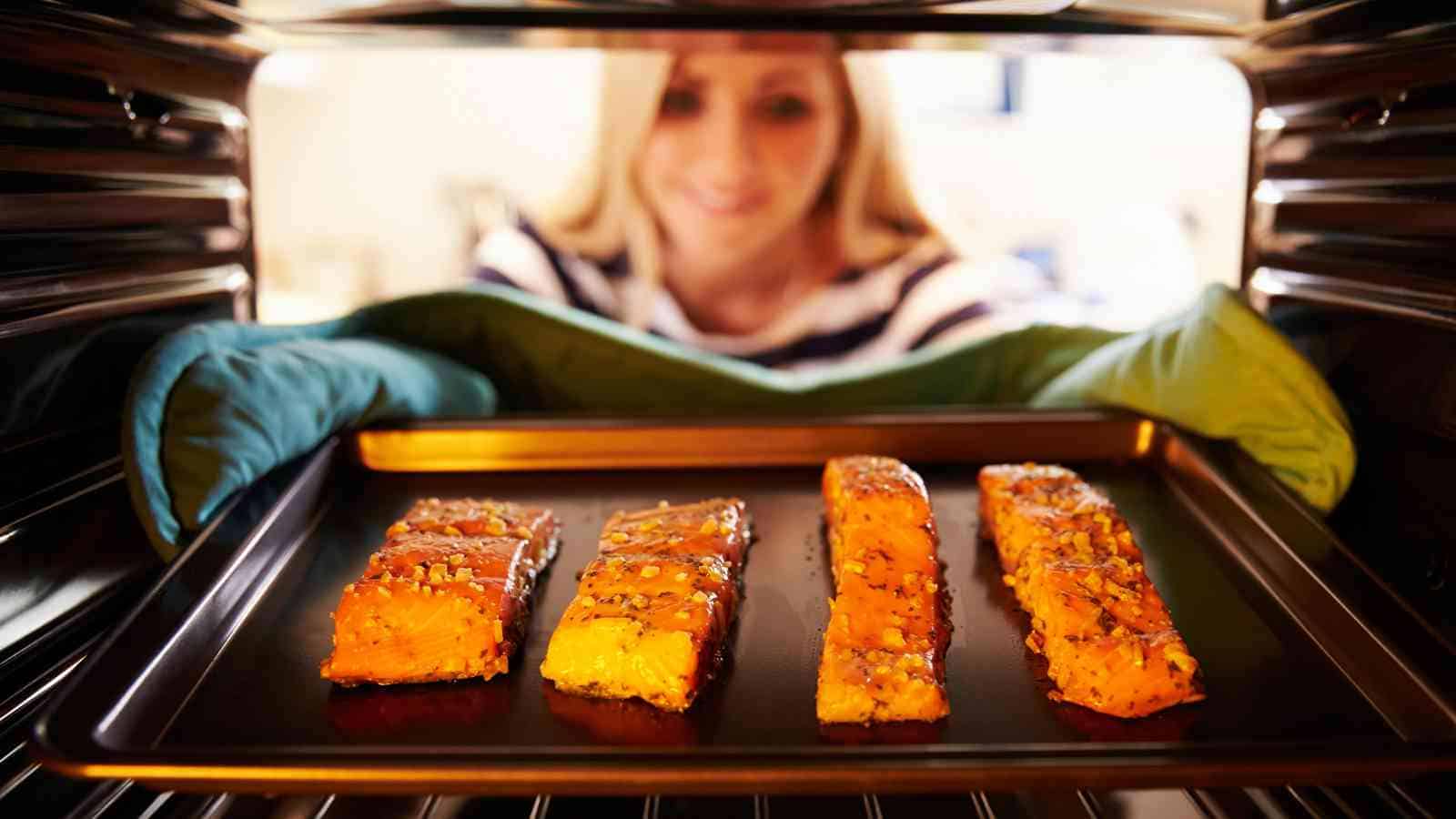
Not every meal needs to feel exciting or Instagram-worthy. Reliable, simple dinners still provide all the nutrition you need. Comfort often beats novelty when mental energy is low. Giving up the constant quest for something new frees up time and patience. Dinner becomes functional, enjoyable, and stress-free.
Use the Same Grocery List Weekly

Repeating your grocery list is like giving your future self a gift. Familiar ingredients automatically guide meal decisions. Shopping is faster, budgeting gets easier, and you stop overthinking every aisle. Your week falls into a rhythm without forcing variety. Fewer surprises mean fewer choices, and that’s a win.
Let One Person Decide—or Take Turns

Having a clear dinner decision-maker stops group debates in their tracks. Rotating responsibility keeps it fair, but removes the back-and-forth every single night. Mental load drops because someone owns the choice. Execution is faster, everyone knows the plan, and fights over what to eat disappear. Peace at the table? Yes, please.
Accept “Good Enough” Dinners

Perfection is exhausting, and dinner doesn’t need to be perfect. Meals that hit the basics—protein, veggies, and carbs—do the job. Letting go of ideal standards reduces stress and keeps things consistent. Quick, solid dinners are better than late, overthought ones. Eating regularly matters more than tweaking every dish.
Plan for One No-Cook Night

A no-cook night is a mental breather you schedule in advance. Knowing it’s coming makes the rest of the week feel manageable. It still fills bellies, but without the pressure of cooking. Sandwiches, salads, or ready-made options are perfectly fine. Your brain gets a little reset, which is huge when energy is low.
Save Meals Everyone Agrees On

Having a short list of crowd-pleasers is like holding a safety net. Everyone already likes these meals, so no arguments pop up. Planning gets easier, stress drops, and dinner happens faster. Emotional energy gets saved for other things. Even busy nights feel smoother with these “safe bets.”
Stop Reevaluating Once You’ve Chosen

Second-guessing is the sneaky energy drainer you don’t always notice. Once a decision is made, stick to it. Confidence grows, stress drops, and prep moves faster. Re-thinking only adds unnecessary mental work. Dinner becomes something you do instead of something that stresses you out.
15 Eating Habits That Quietly Signal Burnout

Mental fatigue interferes with appetite signals, routine planning, and the brain’s ability to prioritize basic self-care. Paying attention to how meals are approached can quietly reveal how deeply prolonged stress has settled into daily life.
17 Food Habits of People Who Rarely Get Sick

The people who rarely get sick usually have a set of quiet, consistent food habits that keep their immune system responsive and less prone to burnout. They eat in ways that support the body’s natural defense mechanisms without triggering unnecessary stress or imbalance. Here are 17 food habits they live by—and why each one works. These aren’t one-time fixes, but long-term habits that strengthen the body’s internal balance.

Tamara Tsaturyan is the owner and writer of Thriving In Parenting, a website focused on providing simple tips for busy parents — easy and healthy recipes, home decor and organization ideas and all things P A R E N T I N G.

Share Your Thoughts!
I love to know your thoughts, make sure to comment below to start a discussion! You can also follow me on your favorite social network below.