Nutrition advice has changed dramatically over the last few decades, and some beliefs once treated as fact have now been reexamined under new evidence. Many ideas that shaped how Boomers ate were rooted in the health trends, advertising, and limited research of their time. Some of those habits may still work for certain people, but nutritionists today often recommend a more nuanced, individualized approach. Food science has advanced, and researchers now understand how nutrients interact with metabolism, chronic disease risk, and overall health far better than before. While some long-held tips were well-meaning, they can oversimplify complex topics such as fats, carbohydrates, and micronutrients. Looking at these outdated food beliefs side by side with modern knowledge offers a clearer picture of how nutrition evolves. By understanding these shifts, readers can make more informed decisions about what really belongs on their plates.

Fat Makes You Fat

Low-fat diets became a cornerstone of Boomer-era nutrition, leading to widespread avoidance of butter, eggs, and cheese. Current science distinguishes between unhealthy trans fats and beneficial fats such as omega-3s and monounsaturated fats, which play key roles in heart health, hormone production, and nutrient absorption. Excess calories from any macronutrient can contribute to weight gain, not just fat. Healthy fats also improve satiety, which can reduce overeating. Nutritionists now emphasize the type and source of fat rather than eliminating it altogether.
Margarine Is Healthier Than Butter

Margarine was marketed for decades as a heart-friendly alternative to butter, but many versions contained partially hydrogenated oils rich in trans fats. Trans fats raise LDL cholesterol and lower HDL cholesterol, increasing cardiovascular risk. Newer margarines may use plant-based oils with improved profiles, yet they still vary in quality. Butter, while high in saturated fat, is now considered acceptable in moderation within balanced diets. Nutritionists encourage checking labels rather than assuming one spread is universally better.
Breakfast Is the Most Important Meal of the Day

Generations were taught that skipping breakfast harmed metabolism, prompting heavy morning meals. More recent evidence suggests metabolic health depends more on total dietary pattern and quality than on meal timing alone. Intermittent fasting approaches show that delaying or skipping breakfast can work for some people without negative effects. However, nutrient-rich breakfasts can benefit children, athletes, and those needing steady energy early in the day. The decision to eat or skip breakfast is now seen as personal rather than a blanket rule.
All Cholesterol Is Bad
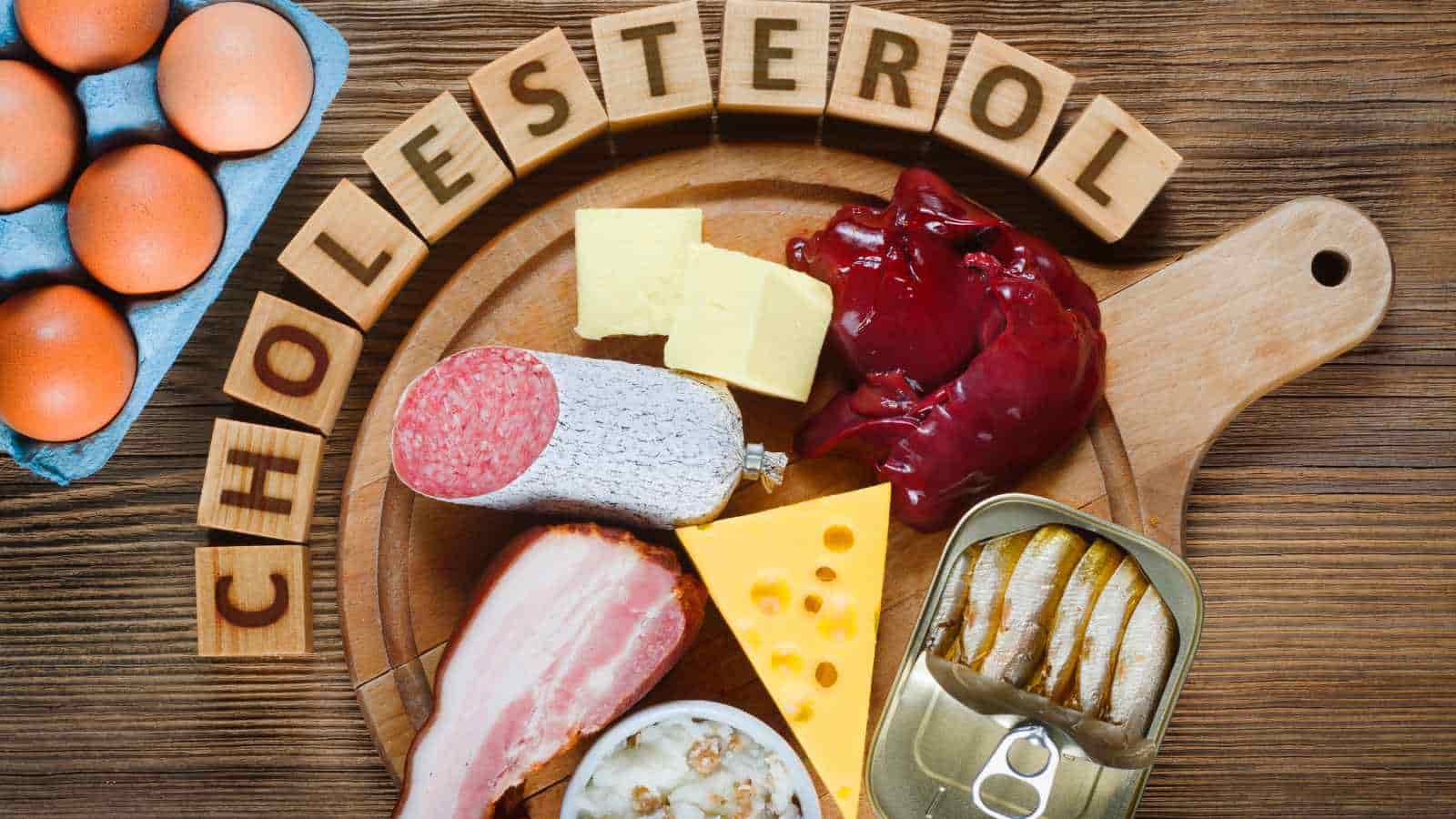
Cholesterol-rich foods like eggs were heavily discouraged in the past out of concern for heart health. It’s now recognized that dietary cholesterol has a limited effect on blood cholesterol levels for most people compared to saturated and trans fats. HDL (“good”) cholesterol helps remove LDL (“bad”) cholesterol from arteries, illustrating why total cholesterol numbers alone don’t tell the whole story. Some individuals are still sensitive to dietary cholesterol and need tailored advice. Modern nutrition approaches differentiate between cholesterol types rather than banning all sources.
Salt Is Always Dangerous

Salt was once painted as universally harmful, prompting strict low-sodium diets. While excessive intake raises blood pressure in some people, sodium also plays a critical role in nerve function, fluid balance, and muscle contraction. Athletes, people in hot climates, or those losing fluids may require higher sodium intake. Individual sensitivity varies, meaning not everyone benefits from the same restriction level. Nutritionists now favor moderation and context over sweeping limits.
Calories Are All That Matter

Counting calories dominated dieting advice for decades, suggesting that quantity alone determined health outcomes. Current thinking stresses that calorie quality—nutrient density, fiber, and protein content—matters more than just the number. For example, 200 calories of vegetables and lean protein support metabolism differently than 200 calories of sugary snacks. Hormonal responses, gut health, and satiety all influence weight management beyond raw calorie counts. Balanced, whole-food diets take priority over strict calorie counting for many nutritionists.
Carbs Are Essential in Every Meal

Bread, pasta, and potatoes were once viewed as automatic staples for balanced eating. Today’s nutritionists focus on carbohydrate quality, recommending whole grains, fruits, and legumes instead of refined options. Excess refined carbs can spike blood sugar and contribute to insulin resistance over time. Some people thrive on lower-carb patterns depending on health goals or medical conditions. Carbohydrates remain valuable, but not all meals require them in large portions.
Low-Fat Labels Mean Healthier Choices

Boomers often bought low-fat yogurts, cookies, and snacks, believing they were better for weight control. Manufacturers frequently replaced fat with added sugars or refined starches to maintain flavor, undermining health benefits. Such products can trigger blood sugar spikes and leave people feeling hungrier later. Whole-food options with balanced macronutrients tend to perform better for satiety and long-term health. Reading ingredient lists now outweighs relying on marketing claims.
Dairy Is the Only Way to Get Calcium

Milk campaigns shaped the belief that dairy was essential for strong bones. In reality, calcium appears in fortified plant milks, tofu processed with calcium sulfate, beans, almonds, and leafy greens like kale and bok choy. Vitamin D status, exercise, and overall diet also influence bone health. Some individuals with lactose intolerance or ethical preferences thrive without dairy by using these alternatives. Nutritionists now encourage diverse calcium sources rather than one dominant food group.
Protein Only Comes from Meat
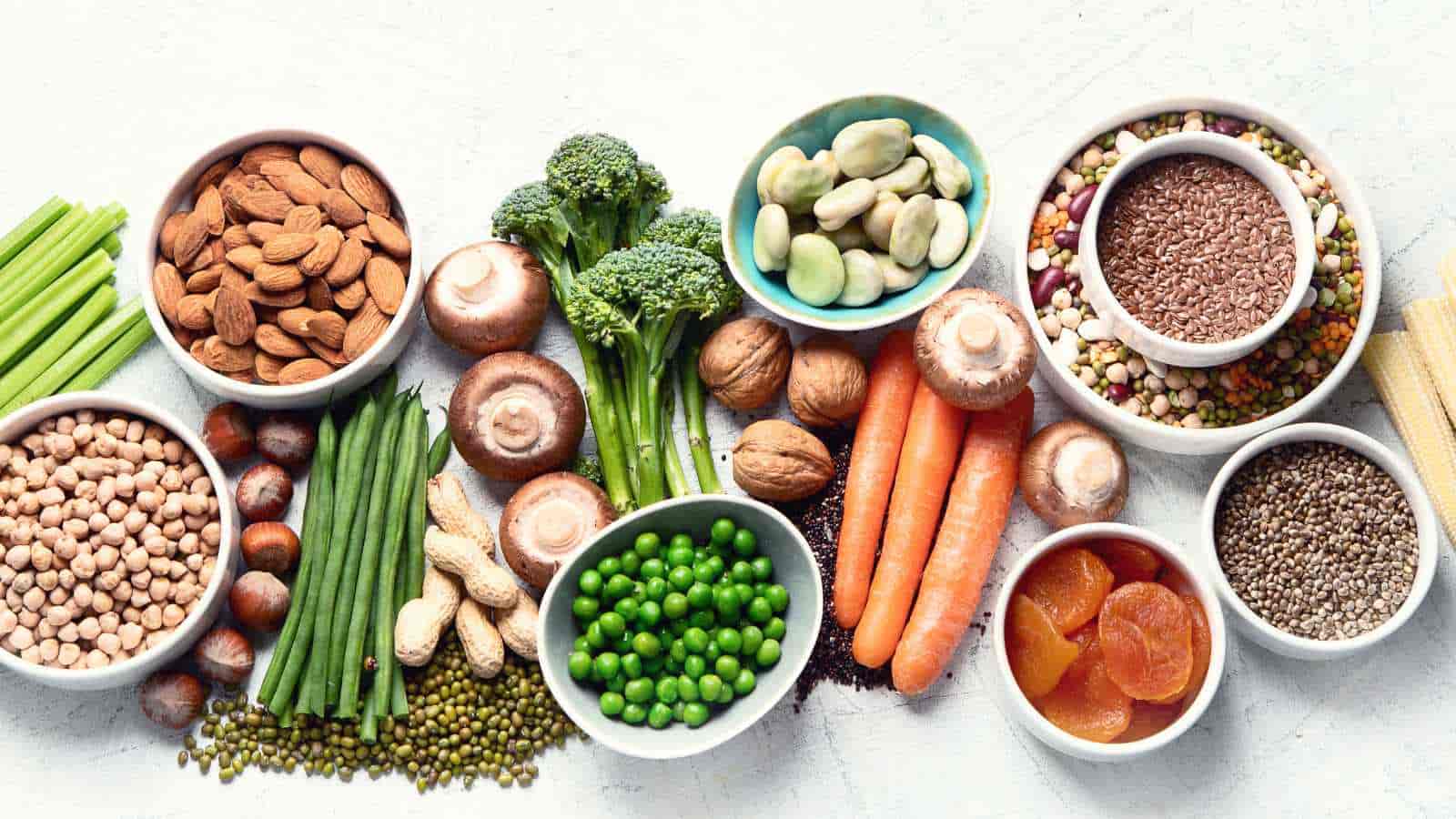
For decades, meat was equated with strength and vitality, overshadowing plant-based proteins. Beans, lentils, chickpeas, nuts, seeds, and soy products offer high-quality protein and beneficial fiber. Combining different plant proteins throughout the day provides all essential amino acids. Even athletes can meet protein needs without animal products when diets are planned well. Modern nutrition sees protein diversity as a strength rather than a compromise.
Frozen Foods Aren’t Healthy

Frozen produce carried a stigma of being inferior or “processed.” However, fruits and vegetables frozen shortly after harvest often retain more vitamins than fresh items stored for days during transport. Freezing slows nutrient loss and extends shelf life without added preservatives. For many households, frozen foods improve access to produce year-round at a lower cost. Nutritionists view frozen options as practical and sometimes nutritionally advantageous.
Fresh Juice Is Always Good For You

Orange juice at breakfast was once considered the hallmark of a healthy start. Whole fruits, however, contain fiber that slows sugar absorption, which juices largely lack. Frequent consumption of large juice portions can lead to blood sugar spikes and excess calorie intake. Small servings can still supply vitamin C and antioxidants, but should not replace whole fruit. Nutritionists advise moderation and awareness of portion sizes rather than assuming all juice is beneficial.
Multivitamins Replace Real Food

Boomers often took multivitamins as an “insurance policy” for gaps in their diets. Supplements can help address deficiencies, but do not replicate the complex mix of fiber, phytonutrients, and other compounds in whole foods. Excessive supplementation may even cause harm for certain nutrients in high doses. Balanced meals remain the primary recommendation for meeting nutrient needs. Nutritionists see multivitamins as a backup, not a substitute.
Requiring Bread At Every Meal

Bread was long considered a default side for breakfast, lunch, and dinner. White and highly processed breads can cause rapid blood sugar increases and provide little fiber. Overreliance on such products may displace more nutrient-rich foods like vegetables and whole grains. Switching to whole-grain or reducing bread portions can improve diet quality. Modern nutrition encourages flexibility with starches rather than automatic inclusion.
All Processed Foods Are Unhealthy

Anything labeled “processed” was often dismissed as harmful. Yet minimal processing—such as freezing, canning, or chopping—can preserve nutrients and improve food safety. Some highly processed foods with added sugars, salt, and artificial ingredients can be problematic, but not all processing is equal. Whole-grain breads, canned beans, and frozen vegetables are examples of nutritious processed items. A nuanced view of processing helps consumers make better choices.
Drinking Eight Glasses of Water a Day Is Mandatory

Boomers frequently repeated the “8×8 rule” for water intake without question. Actual hydration needs vary by body size, activity level, climate, and diet. Foods like fruits, vegetables, and soups contribute to fluid intake, reducing the need for a fixed number of glasses. Overhydration can even be risky for some individuals. Nutritionists recommend paying attention to thirst, urine color, and individual conditions rather than following a universal quota.
Fruit Should Always Be Peeled

Older generations often peel fruit out of habit, but much of the fiber, antioxidants, and vitamins are in the skins. Apples, pears, and many other fruits offer higher nutrient density when eaten whole. Washing fruit thoroughly removes most surface residues without discarding the peel. Keeping the skin also adds texture and reduces food waste. Eating fruit as nature intended can give you more nutrition with no extra cost.
17 Cooking Mistakes That Strip Your Food of Nutrients

Here are 17 common cooking mistakes that drain your food of nutrients and how you can avoid them. By knowing what slips away during cooking, you can change your approach and maximize what you get from every bite.
25 Quick Food Tips That Make a Big Difference for Your Health

These tips aren’t just clever—they’re rooted in how food chemistry works with your digestion and metabolism. The fun part? Many of them are ridiculously easy, and once you know them, you’ll never look at your pantry or fridge the same way again. Once you learn these simple yet fascinating tricks, you’ll realize your kitchen already holds a science lab for better health.

Tamara Tsaturyan is the owner and writer of Thriving In Parenting, a website focused on providing simple tips for busy parents — easy and healthy recipes, home decor and organization ideas and all things P A R E N T I N G.

Share Your Thoughts!
I love to know your thoughts, make sure to comment below to start a discussion! You can also follow me on your favorite social network below.