There’s always been a back-and-forth over whether fresh or frozen food is healthier. Fresh sounds ideal—picked at its peak, vibrant, untouched—but there’s a catch: it starts losing nutrients the moment it’s harvested. From transport time to sitting in your fridge for a few days, those “fresh” foods might not be as nutritious by the time they hit your plate. Meanwhile, frozen foods often get tossed aside as inferior, even though they’re flash-frozen within hours of harvest or production—locking in nutrients that fresh sometimes leaves behind. Below are 10 grocery items that are healthier when bought frozen. You’ll avoid spoilage, skip unnecessary additives, and have ingredients that stay ready when you need them.

Meat
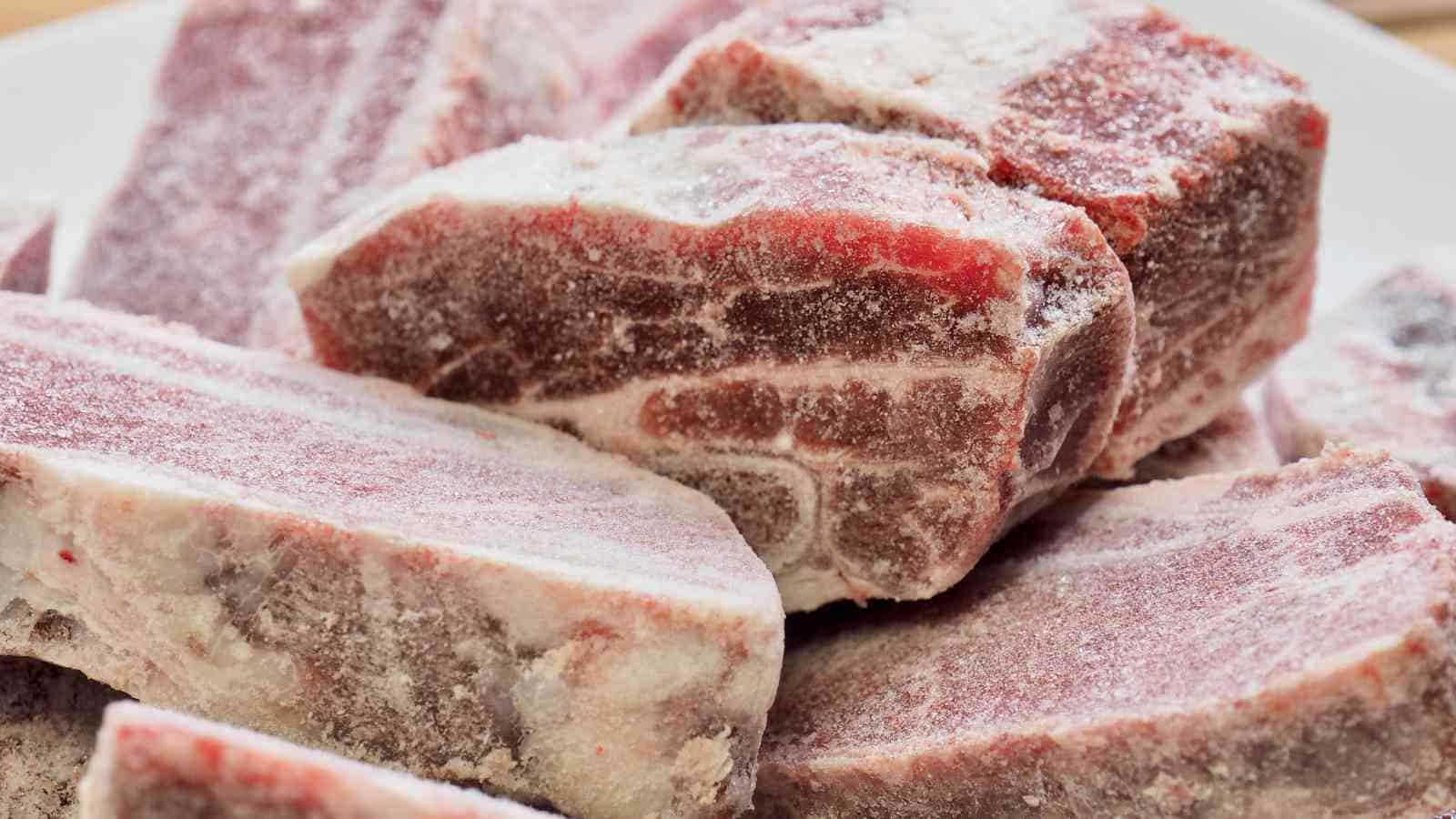
Frozen meat actually helps preserve the nutrients that degrade over time in the fresh cuts sitting at the store. Vitamins like B12 and minerals such as iron are better maintained when meat is frozen quickly after processing. You also avoid the preservatives or sodium sometimes added to prolong the shelf life of “fresh” meats. Frozen chicken or beef often cooks up with more flavor too, since it’s been locked in during freezing. So not only are you getting a cleaner cut, but you’re also keeping more nutrition intact.
Fish
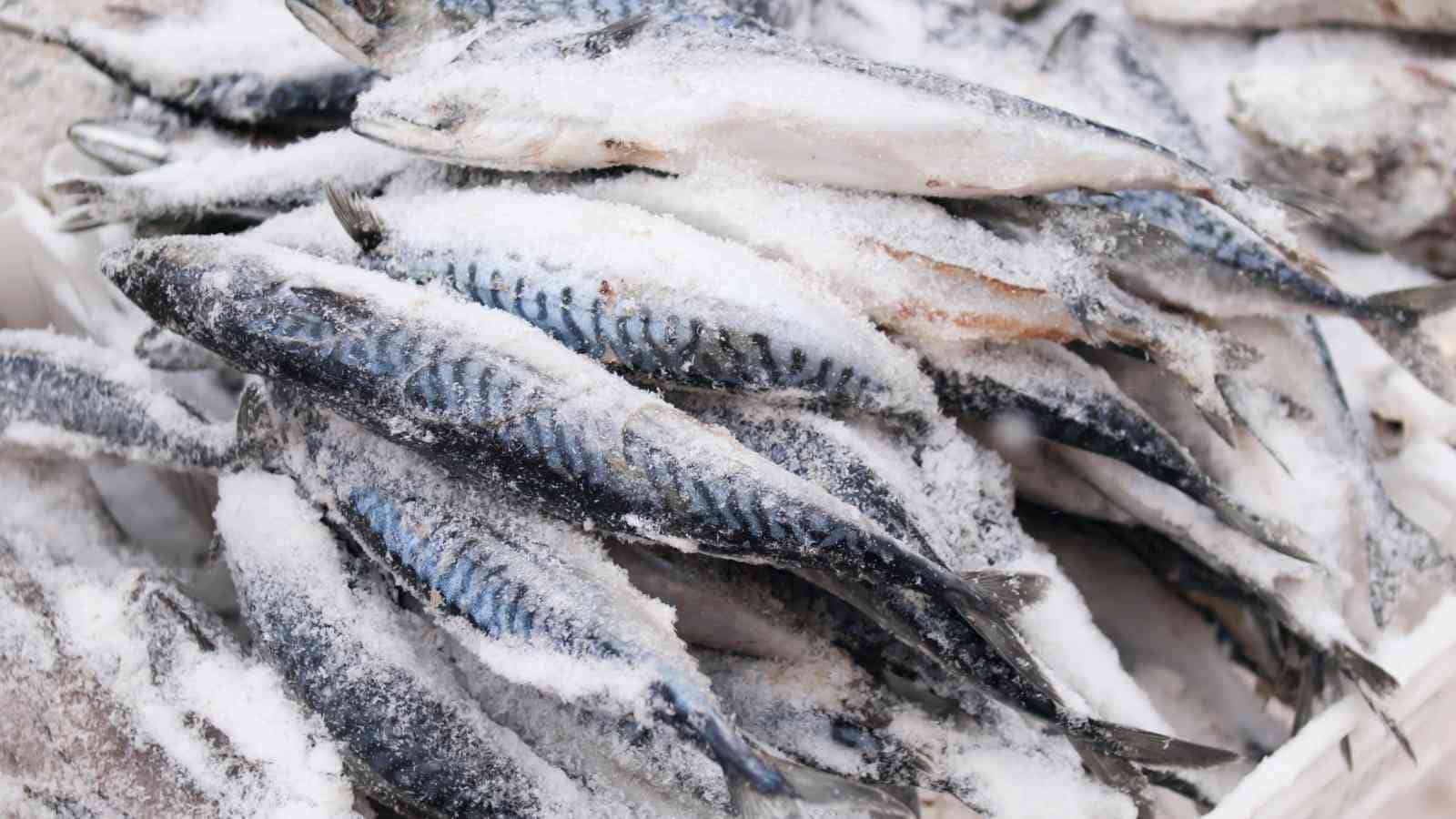
Omega-3s in fish are fragile and start breaking down soon after the fish is caught unless it’s frozen right away. That’s why flash-frozen fish can often offer a better nutritional profile than fresh fillets that have been sitting on ice for days. Plus, frozen fish reduces the risk of parasites, especially in varieties like wild-caught cod or tuna. You’re also saving money without sacrificing the benefits of a fish-rich diet.
Broccoli
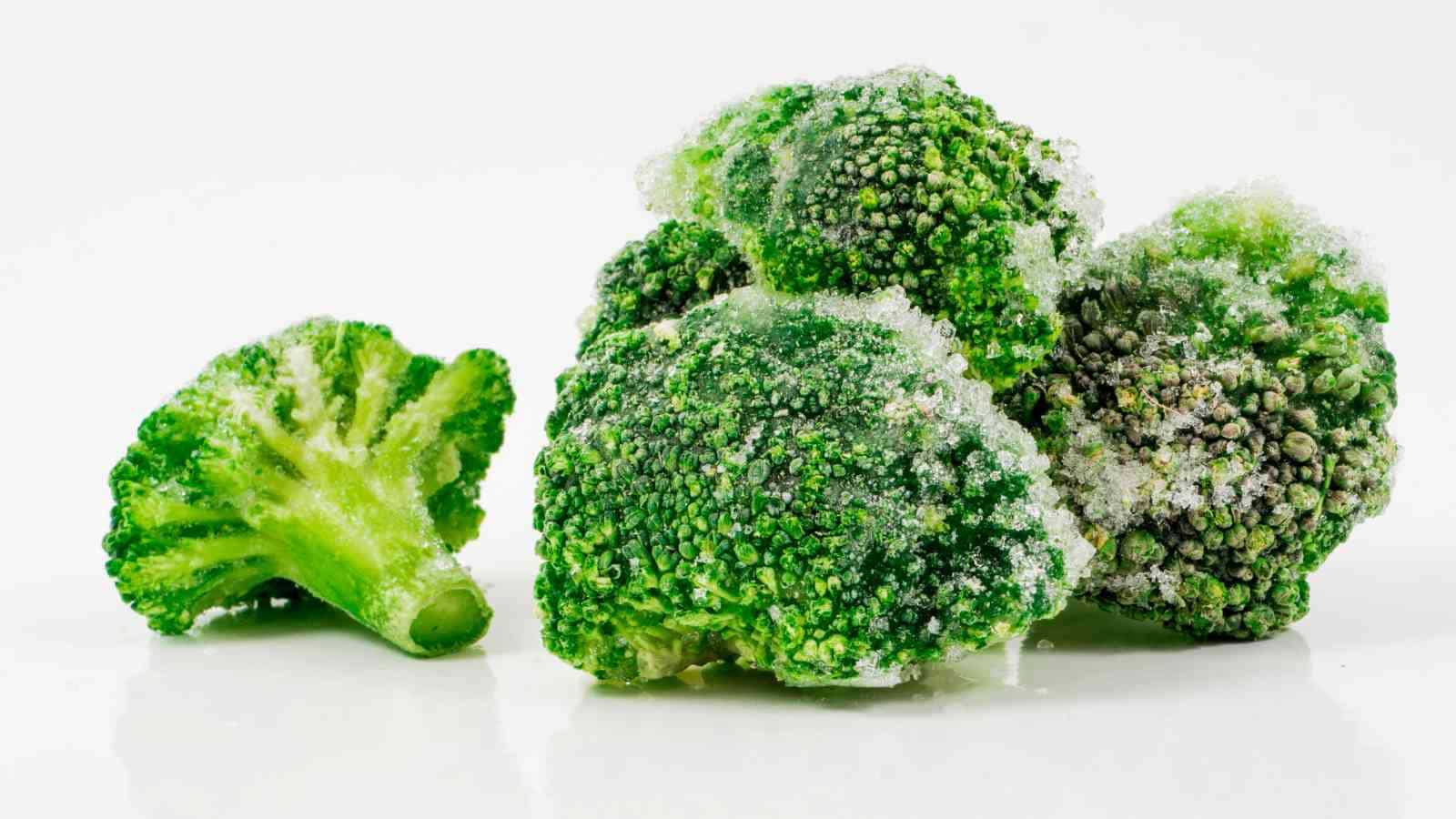
Frozen broccoli is picked at peak ripeness and then frozen immediately, which helps preserve more vitamin C and antioxidants compared to what’s in the produce aisle. Fresh broccoli might look good, but it starts losing nutrients within hours of harvest. Toss frozen florets into soups, stir-fries, and even in your morning egg scramble—they cook fast and hold their texture. You’re also less likely to waste it, since you only use what you need. Frozen gives you a consistent, nutrient-rich option every time.
Edamame
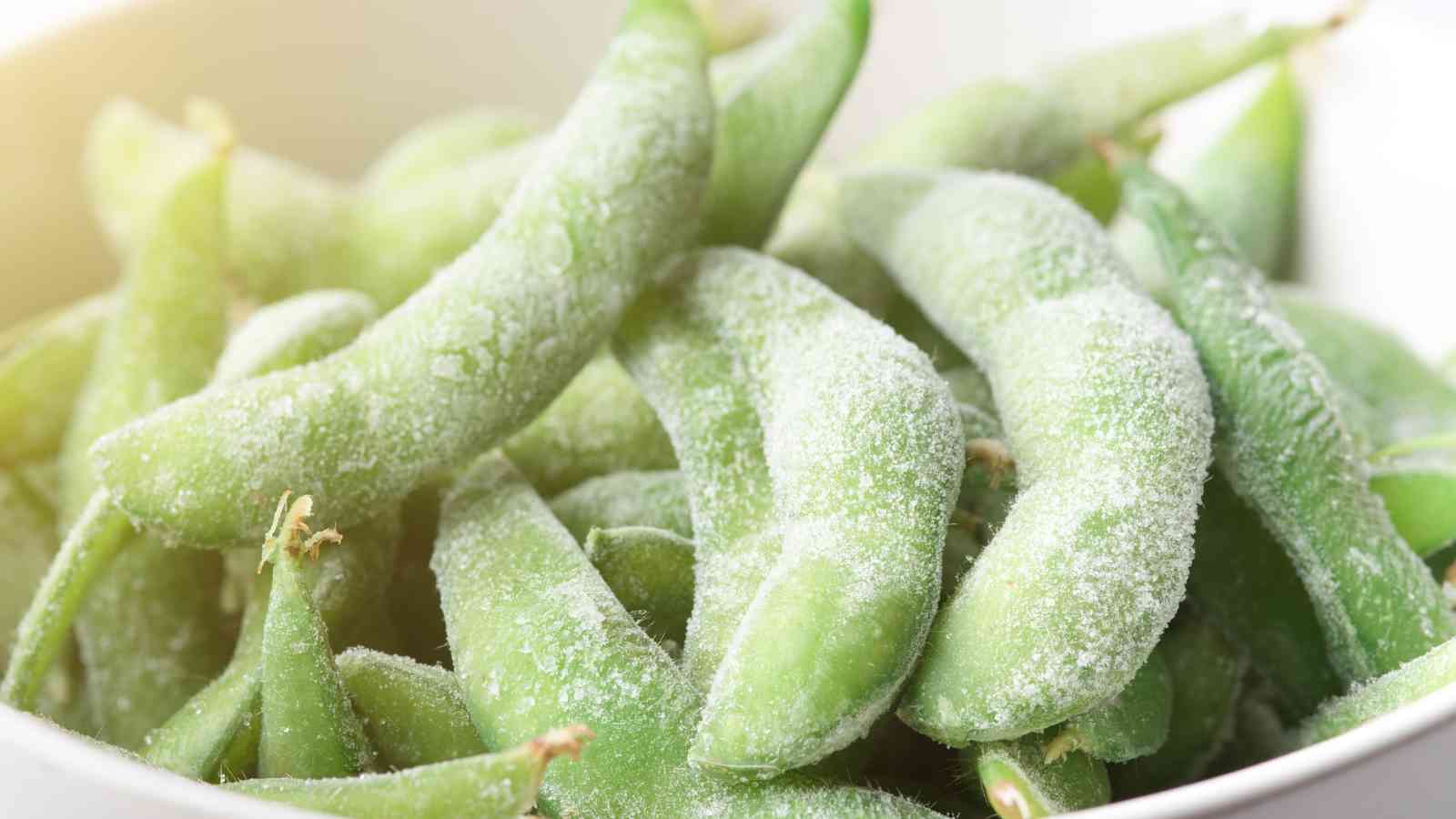
Frozen edamame is such a freezer essential—not just for the taste but because soy’s beneficial compounds stick around better in the frozen version. Isoflavones, which are linked to brain and heart health, hold up through freezing better than they do sitting fresh on a shelf. You also get plant-based protein and fiber with zero prep—just steam or microwave. It’s a smarter choice than frozen peas if you’re looking for extra nutritional perks. And unlike peas, edamame brings in the power of soy in one easy handful.
Spinach
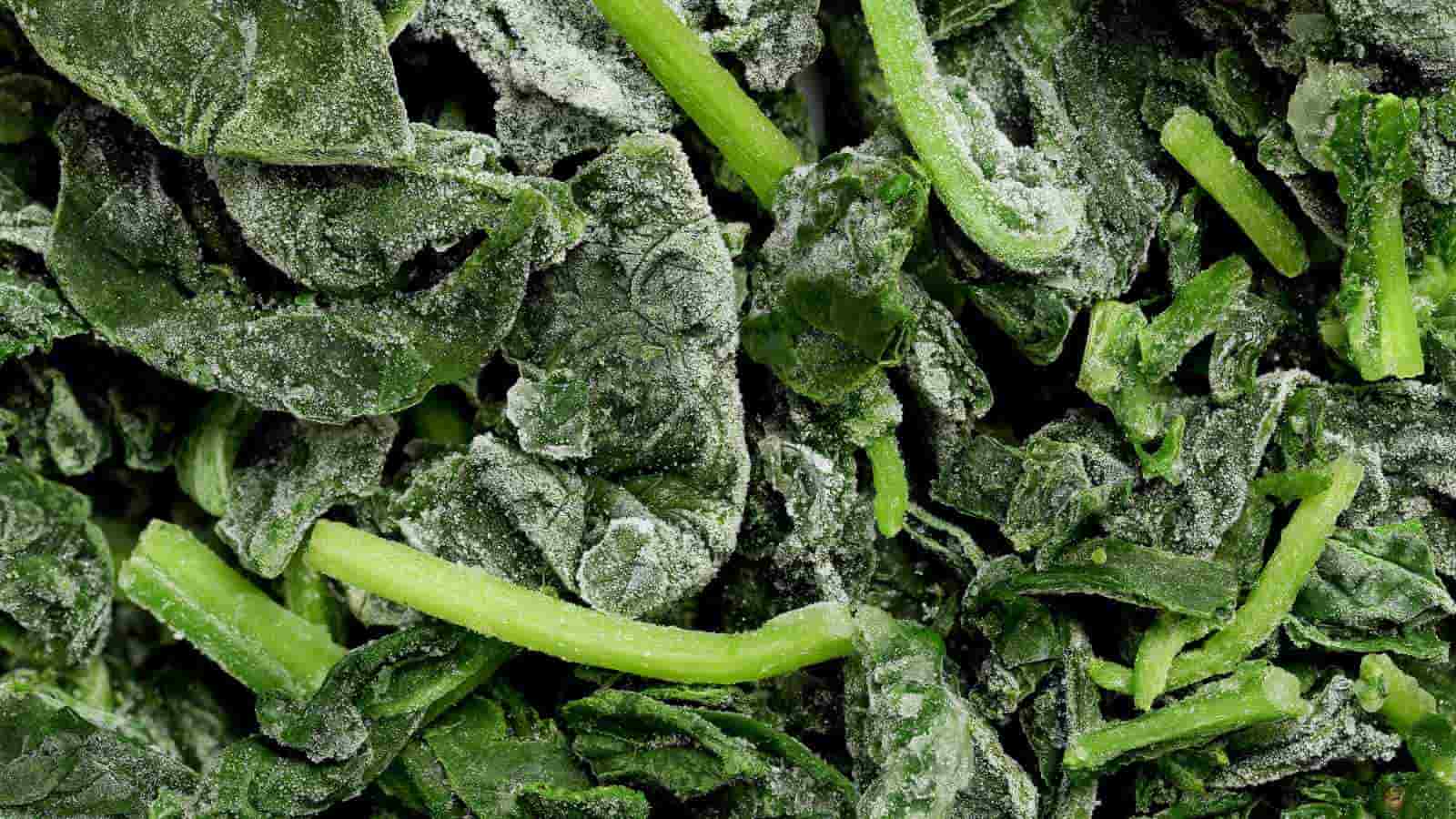
Fresh spinach is notorious for going limp and soggy just days after purchase, and it loses nutrients just as fast. Freezing it right after harvest preserves important nutrients like vitamin C and folate, which are critical for immune support and cell health. You can keep bags of frozen spinach on hand to stir into sauces, soups, and casseroles without worrying about spoilage. You don’t even need to thaw it—just toss it right into whatever you’re cooking. It’s a simple swap that keeps more of the good stuff intact.
Sweet Corn

Frozen corn holds onto its vitamin C content far better than fresh ears, which start degrading within hours after harvest. Not only does freezing preserve the nutrients, but it also locks in the natural sweetness before it fades. Plus, frozen sweetcorn tastes brighter and cooks up faster, whether you’re adding it to chili or mixing it into a quick salad. You’re getting both better flavor and a higher nutritional return with the frozen kind. It won’t go starchy or bland in your crisper drawer.
Berries
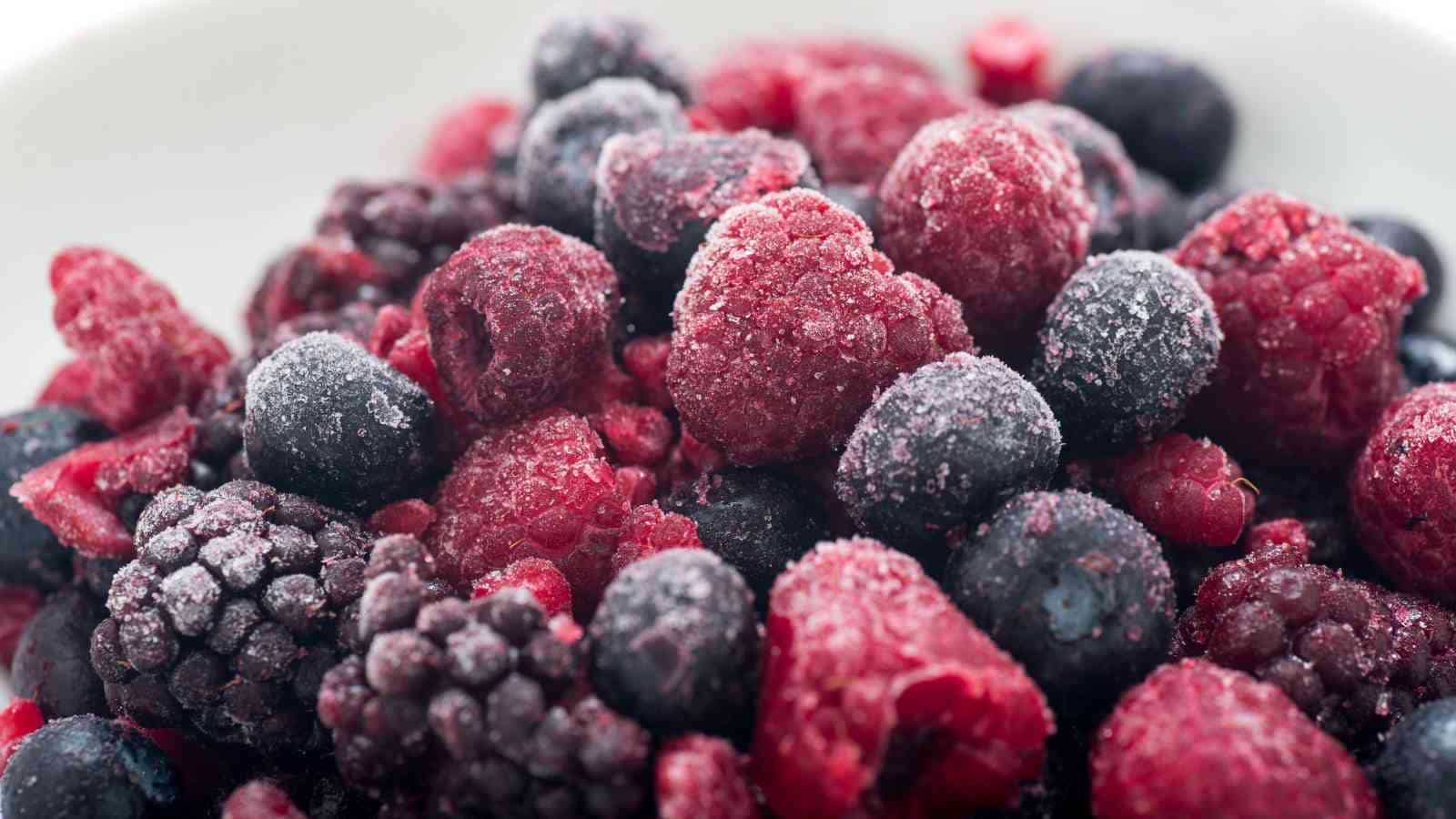
Frozen berries are picked when they’re perfectly ripe, meaning you’re getting peak levels of antioxidants like anthocyanins and vitamin C. Fresh berries often travel far before reaching your local store, which can reduce their nutritional value. They thaw quickly and retain their bold flavor without needing any added sugar. You’re essentially getting a longer-lasting, nutrient-rich version of your favorite summer fruit.
Carrots
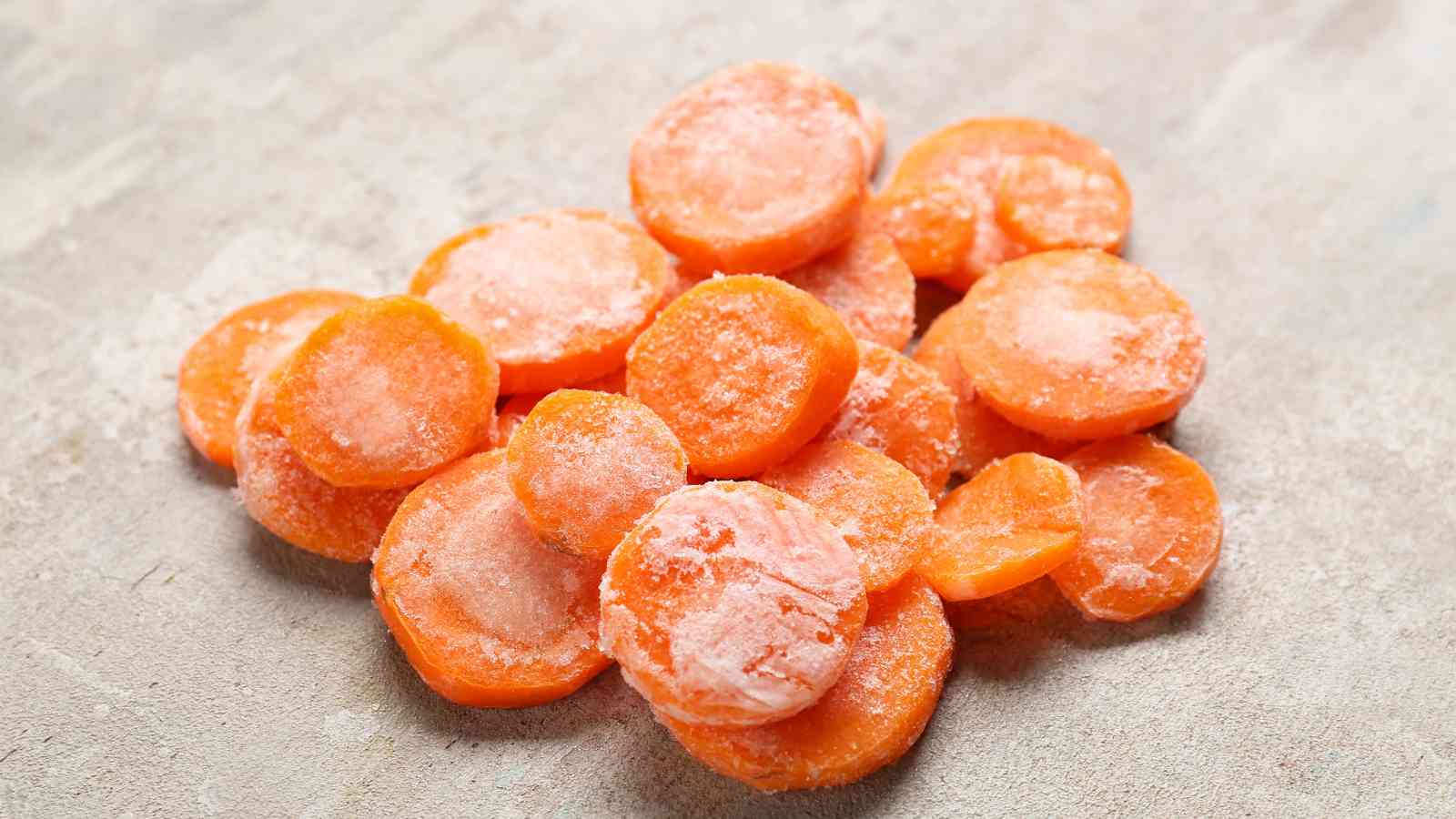
Freezing carrots shortly after harvest boosts the concentration of beta carotene, which your body turns into vitamin A to support eye health and immunity. Fresh carrots lose some of that potency while sitting in transport and on shelves. They soften up nicely without turning mushy, which makes cooking easier. More importantly, you’re still getting that nutritional kick with less prep.
Peas
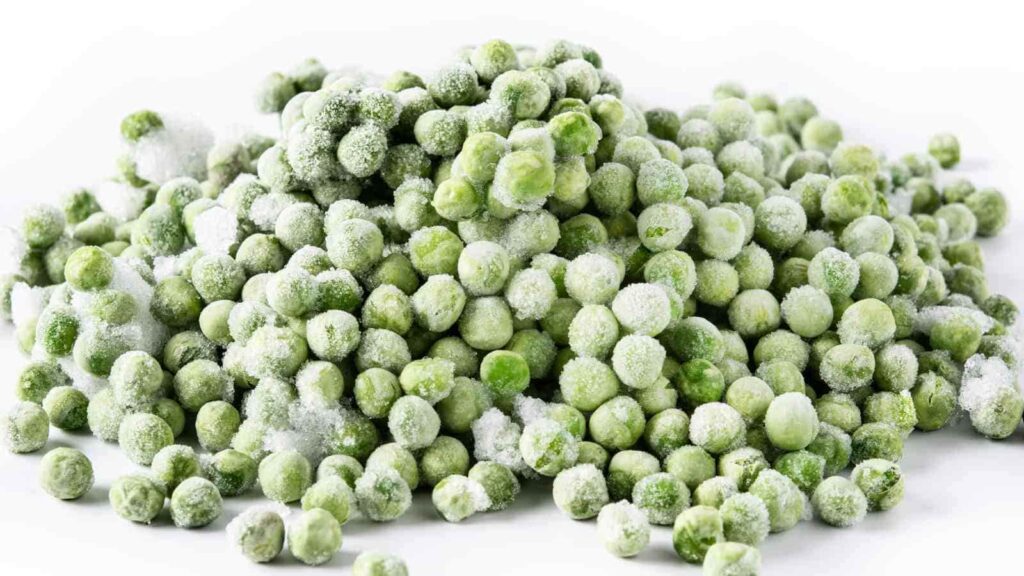
Frozen peas are picked and frozen within hours, keeping their natural sweetness, fiber, and vitamin K intact. Fresh peas don’t just spoil quickly—they also lose nutrients during transport and storage. Keep some frozen peas ready to toss into pasta, fried rice, or just steam as a quick side. They’re also a surprisingly good source of plant-based protein. If you’ve got kids or picky eaters, frozen peas are an easy, nutritious way to add green to any meal.
Seafood
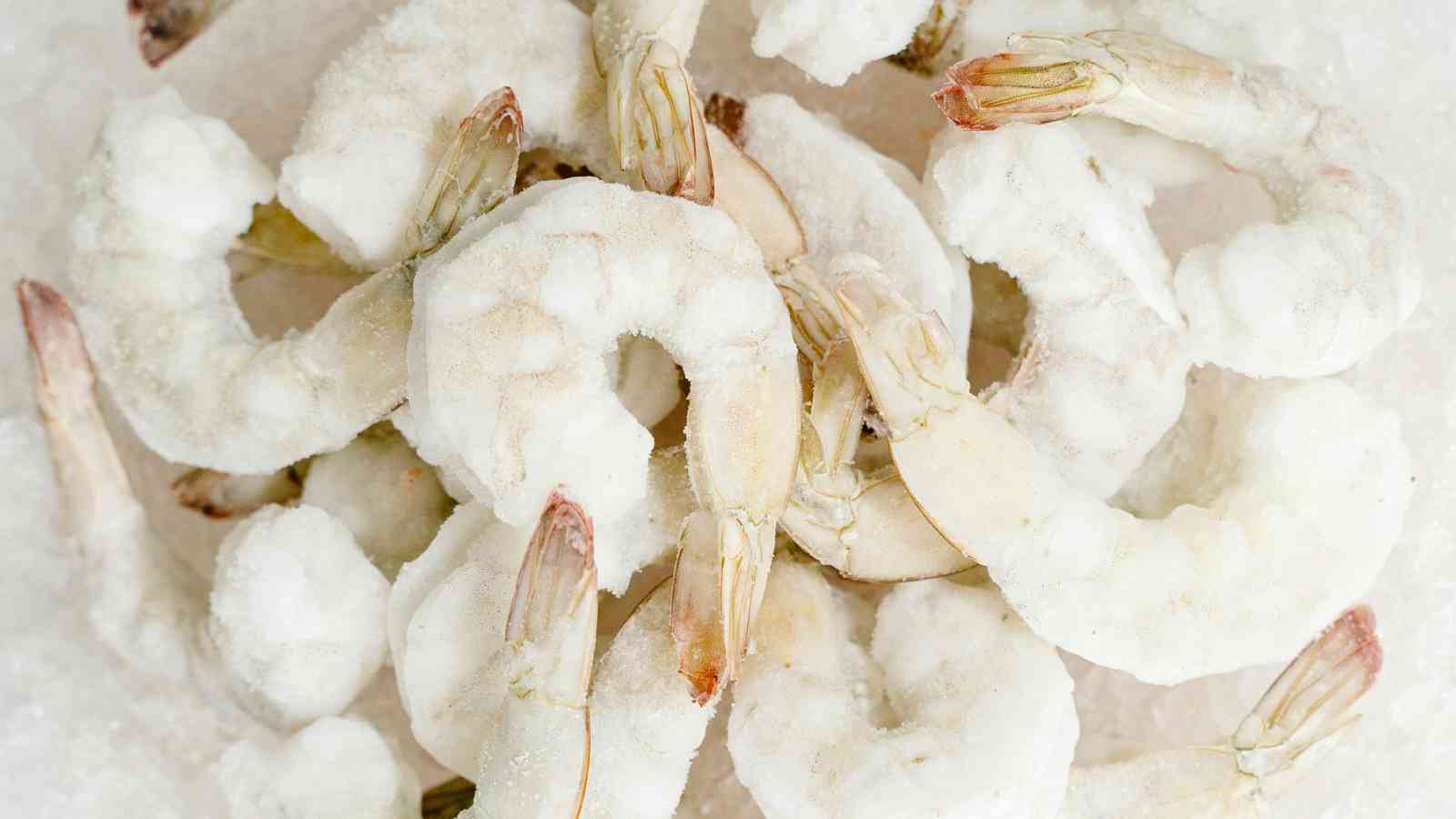
Unless you’re buying it straight off a boat, most “fresh” seafood has been frozen and thawed already, losing some of its integrity in the process. Properly frozen seafood maintains its texture, flavor, and most importantly, its nutritional value—especially iodine and omega-3s. You’re also avoiding the spoilage risks that come with fresh seafood. It’s a safer, smarter option unless you’re sourcing local catch. You’ll avoid spoilage, skip unnecessary additives, and have ingredients that stay ready when you need them.
20 Foods That Help Support a Healthy Lymphatic System

A clogged or slow-moving lymphatic system can lead to swelling (especially in the legs or under eyes), frequent colds, and a general sense of heaviness or fatigue. But you can help your lymphatic system work better without relying on complicated treatments or supplements. Whether you’re dealing with sluggishness, chronic inflammation, or just want to feel lighter and healthier, here are foods that help support a healthy lymphatic system—and how each one contributes to its function.
20 Things to Eat on Days You’re Sitting More Than Usual

If you’re spending more time in your chair lately, here’s exactly what to eat to support digestion, circulation, and steady energy levels throughout the day. These foods that support your body when you’re moving less but still want to feel your best.

Tamara Tsaturyan is the owner and writer of Thriving In Parenting, a website focused on providing simple tips for busy parents — easy and healthy recipes, home decor and organization ideas and all things P A R E N T I N G.

Share Your Thoughts!
I love to know your thoughts, make sure to comment below to start a discussion! You can also follow me on your favorite social network below.