Finishing a meal and still thinking about food an hour later can feel oddly confusing, especially when what you ate looked substantial at the time. A toasted breakfast, a quick yogurt, a bowl of noodles, or even a salad can check the “I ate” box without really settling hunger. That gap usually comes down to how fast a food digests and what it’s missing — most often fiber, protein, fat, or simply the need to chew. Refined carbs and sweetened liquids move through the body quickly, so fullness fades sooner than expected, even when calories were technically there. Once you start noticing which everyday staples do this, the pattern becomes hard to unsee — and much easier to fix without just eating more.
White Bread And Refined Toast

Soft slices and quick chewability make white bread and refined toast feel comforting but short-lived in terms of fullness. Refining removes much of the grain’s fiber, so digestion happens rapidly. Blood sugar rises quickly, then drops, which often reawakens hunger sooner than expected. Toast on its own also lacks the protein and fat that help meals linger. Whole-grain, avocado toast, or sourdough bread topped with eggs or nut butter provides far better staying power.
Sugary Breakfast Cereals

Colorful bowls of sugary breakfast cereals can feel like a real breakfast, yet they rarely hold you for long. Most are made from refined grains with added sugars and minimal fiber. Energy spikes quickly after eating, but the dip that follows can bring on mid-morning cravings. Protein is usually low unless milk or yogurt is added thoughtfully. Oatmeal, high-fiber cereal, or cereal paired with nuts and Greek yogurt works better for sustained fullness.
Fruit Juice
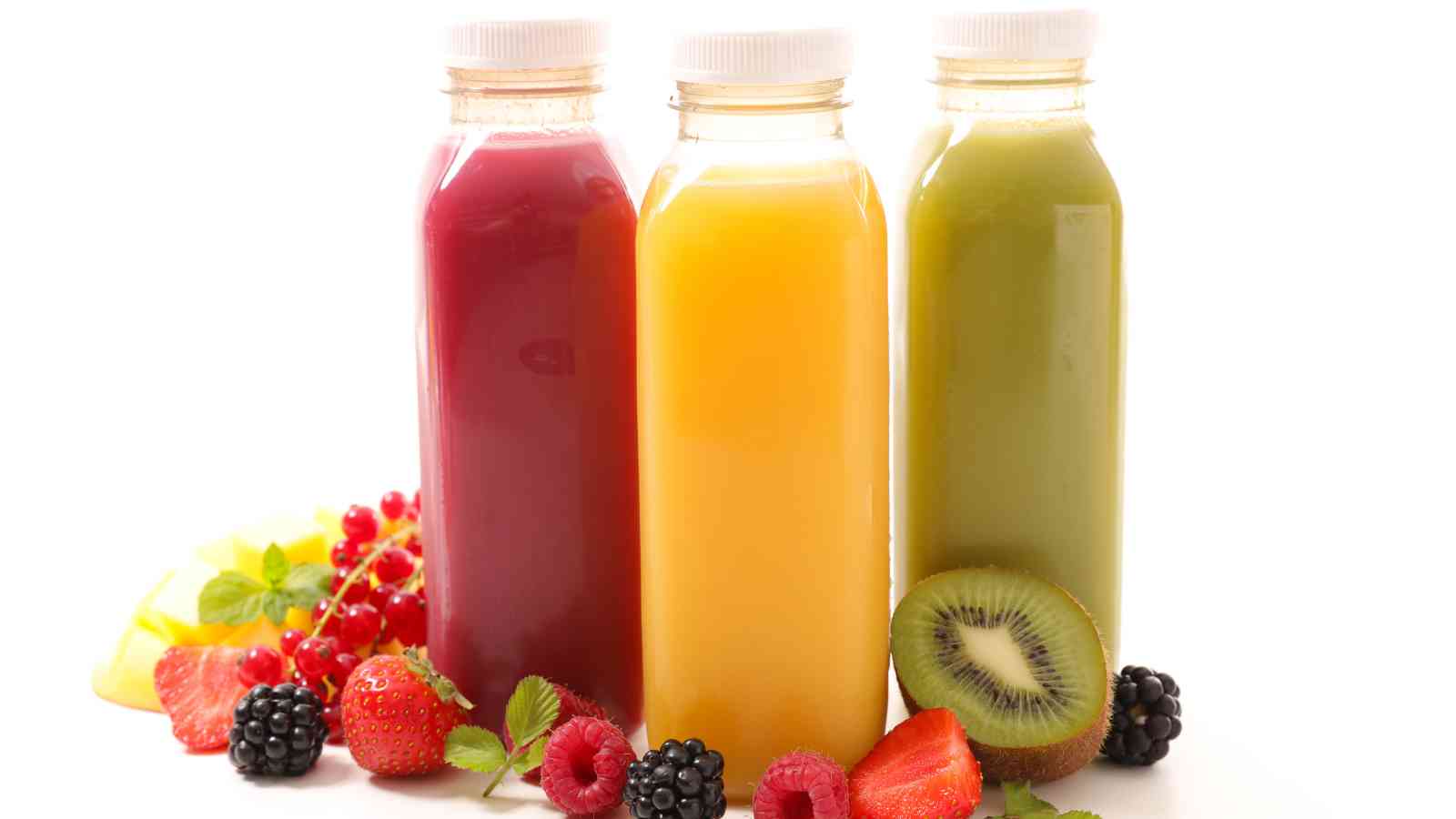
Refreshing and easy to drink, fruit juice delivers vitamins but skips the fiber that whole fruit provides. Without fiber, sugars absorb faster and fullness fades sooner. Liquid calories also move through the stomach more quickly than solid food. It’s possible to drink several servings’ worth without feeling satisfied. Whole fruit or smoothies blended with protein and healthy fats are more filling choices.
Granola Bars

Neatly wrapped and portable, granola bars give the impression of being meal replacements. In reality, many rely heavily on syrups, refined oats, and chocolate coatings. Fiber and protein levels are often modest. Hunger tends to resurface not long after eating one. Bars built around nuts and whole grains — or simple trail mix — offer more lasting fuel.
White Pasta
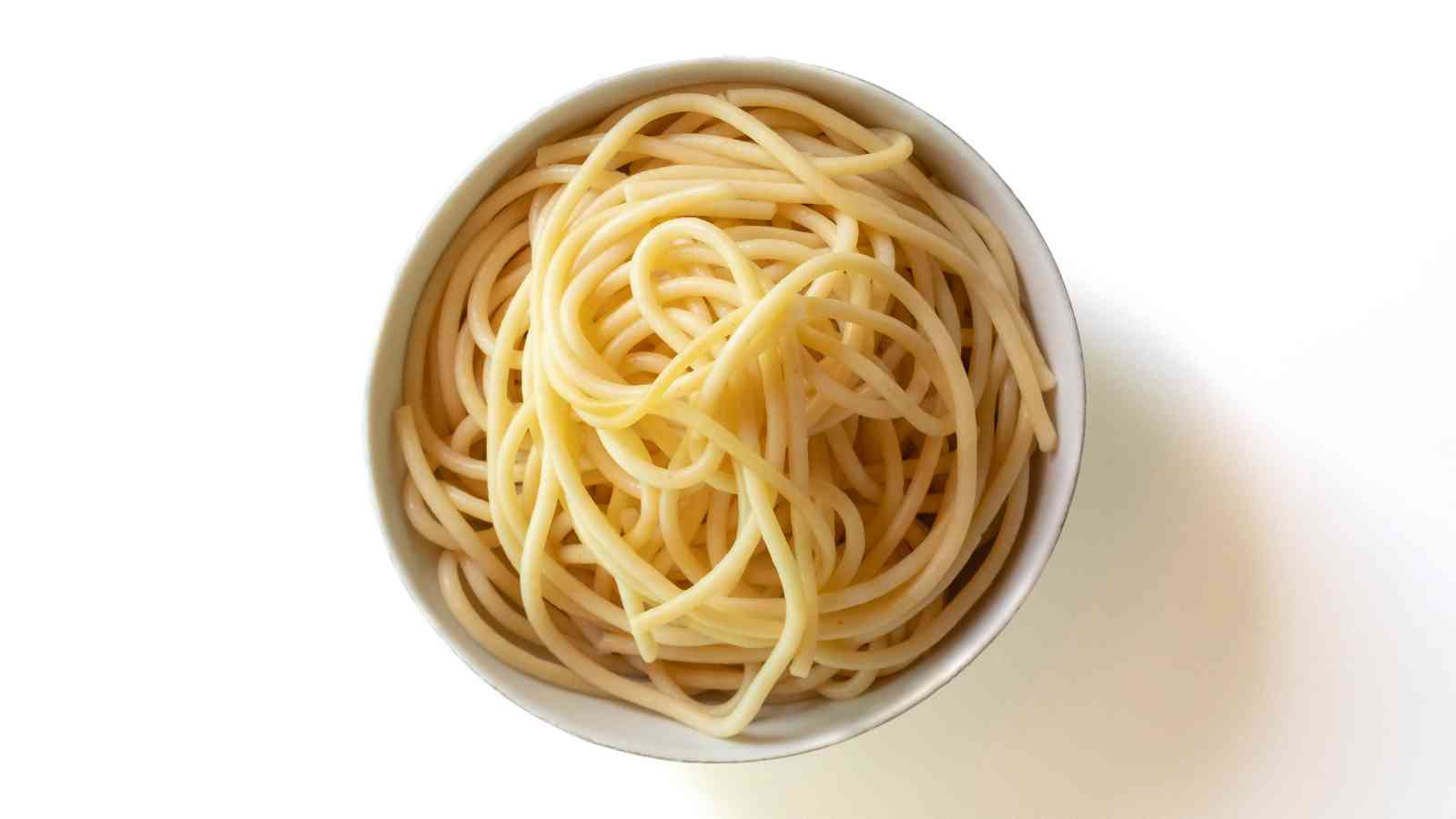
Heaping plates of white pasta look substantial but don’t always translate to lasting fullness. Refining strips away fiber that slows digestion. Meals centered mostly on pasta can lack protein and fat balance. As a result, hunger can creep back surprisingly fast. Whole-wheat pasta or adding beans, seafood, or olive oil improves satiety.
Pastries And Muffins

Bakery cases filled with pastries and muffins showcase foods that feel dense yet fleeting in fullness. Refined flour and sugar dominate their structure. Fiber is minimal, and protein is usually low. Energy rises quickly, then tapers off. Whole-grain bakes or egg-based breakfasts hold you over far better.
Pancakes Or Waffles (Refined Flour)
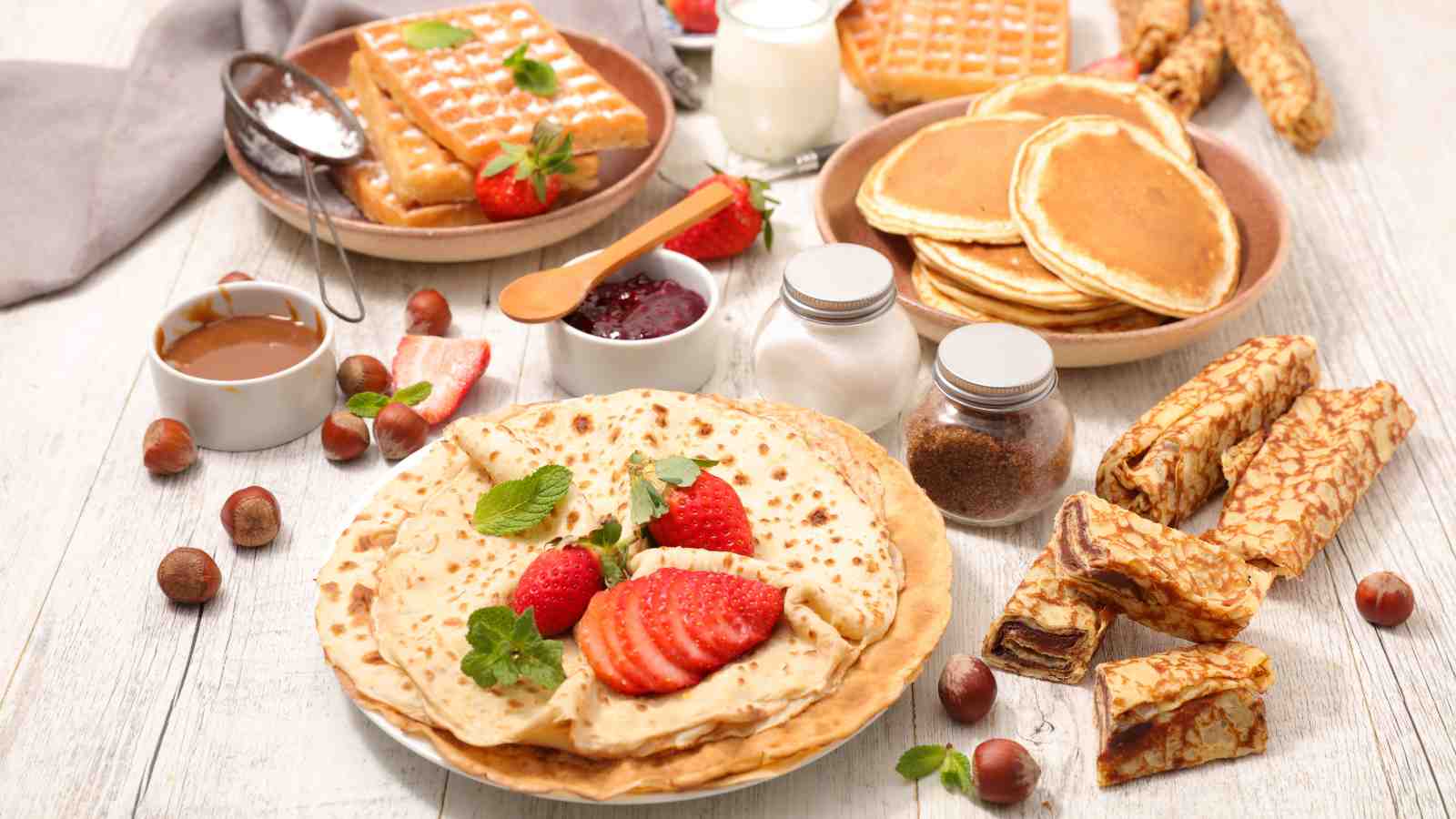
Stacked breakfast plates featuring pancakes or waffles made from refined flour often look hearty but digest quickly. Syrup adds sweetness without improving fullness. Fiber and protein remain low unless additions are made. The result is a short window before hunger returns. Whole-grain batter, yogurt toppings, or eggs on the side make meals more sustaining.
Chips And Crackers
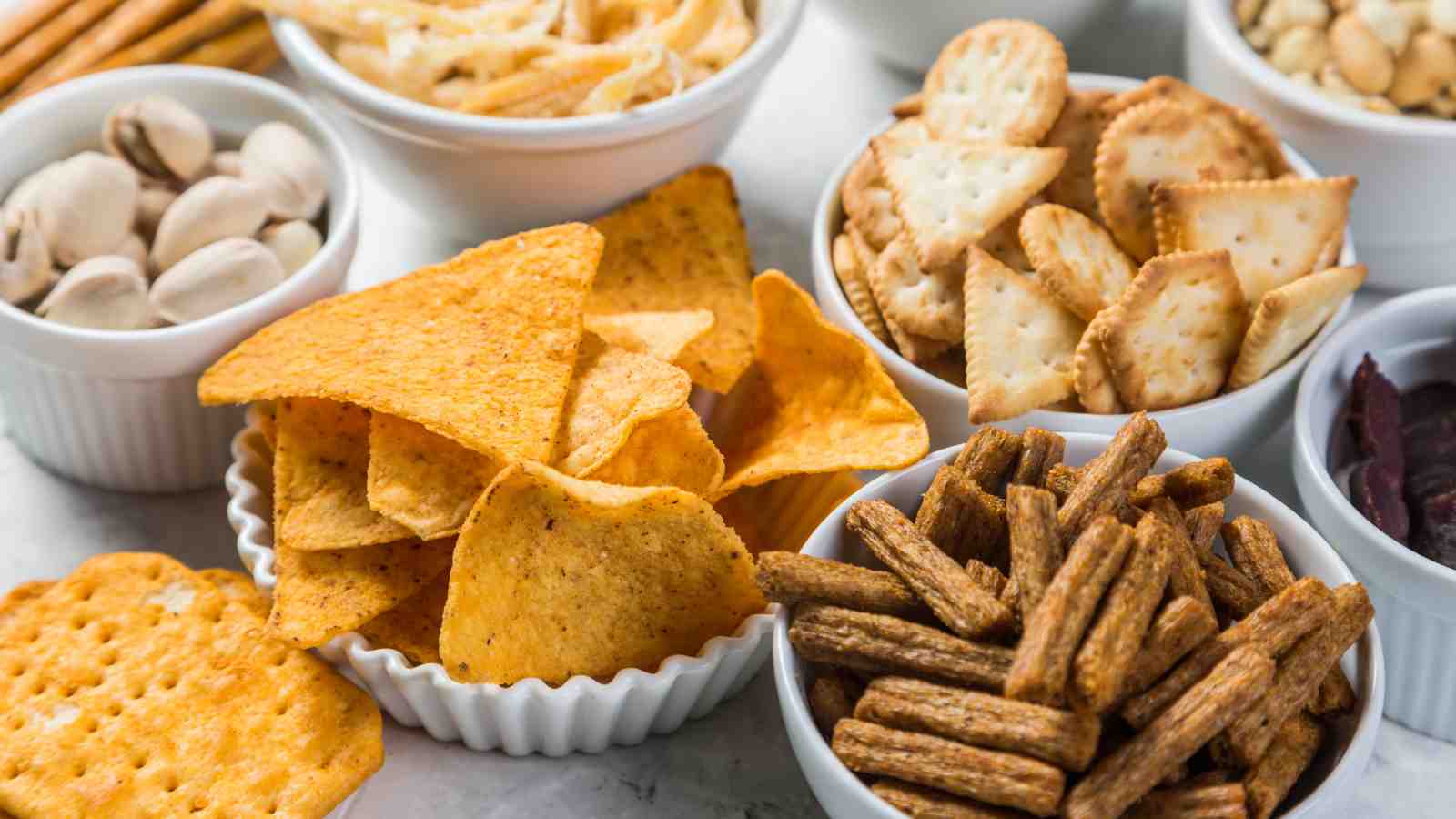
Crisp handfuls of chips and crackers are engineered for continuous snacking rather than fullness. Refined starches digest fast and provide little fiber. It’s easy to eat large portions before satiety signals catch up. Saltiness may even encourage more eating. Nuts, popcorn, or whole-grain crackers with hummus are more filling alternatives.
Sweetened Coffee Drinks

Morning routines often include sweetened coffee drinks that feel substantial but function more like desserts. Syrups and whipped toppings add calories without satiety. Because they’re liquid, they leave the stomach quickly. Hunger can still show up soon after finishing one. Simpler lattes or pairing coffee with protein works better.
Sports Drinks / Electrolyte Drinks
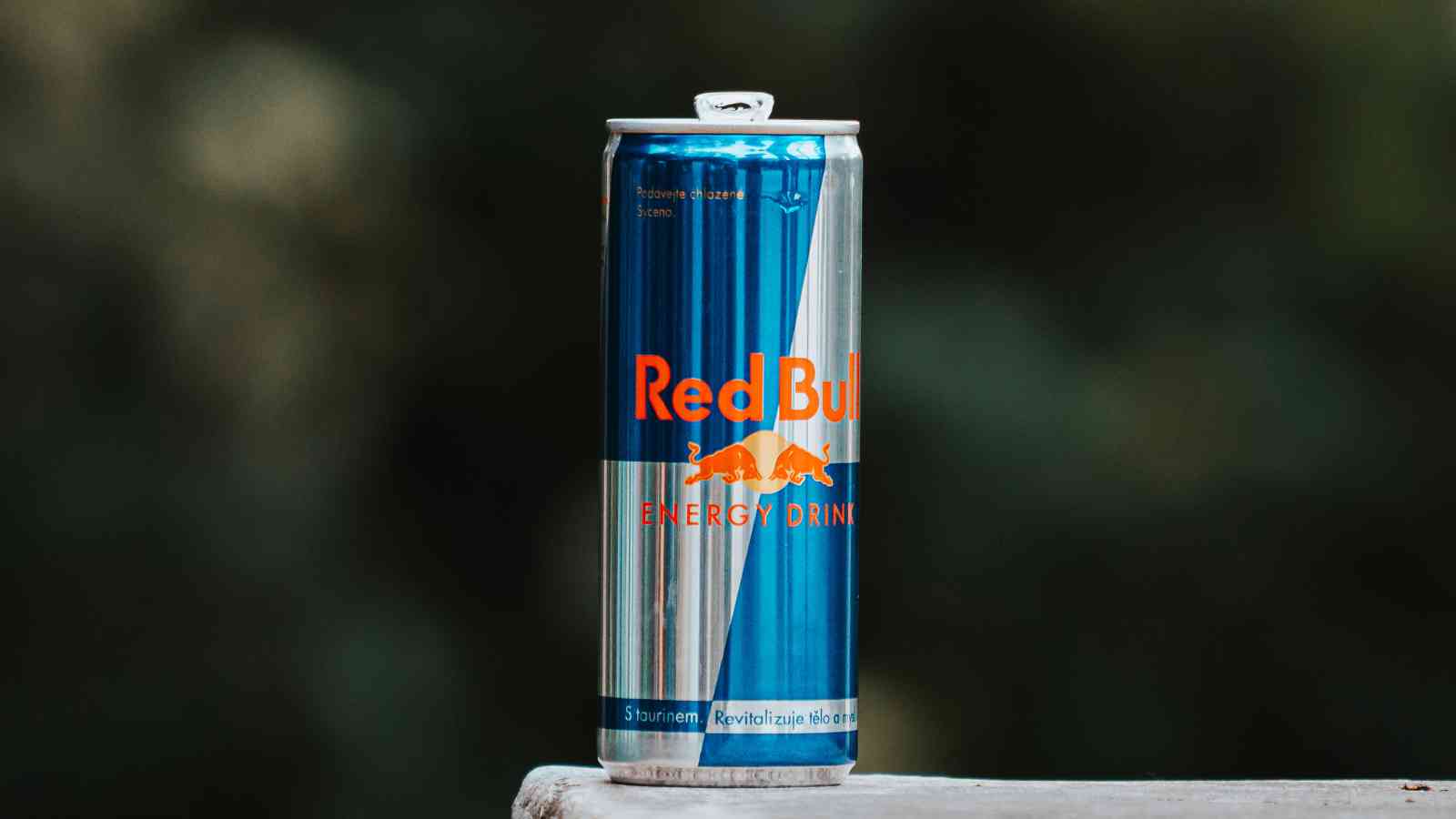
Bright bottles of sports drinks and electrolyte beverages are designed for rapid hydration, not fullness. Carbohydrates absorb quickly to replenish energy. Fiber, fat, and protein are absent. Outside intense workouts, they do little to curb hunger. Water, coconut water, or smoothies with protein offer more staying power.
White Rice On Its Own
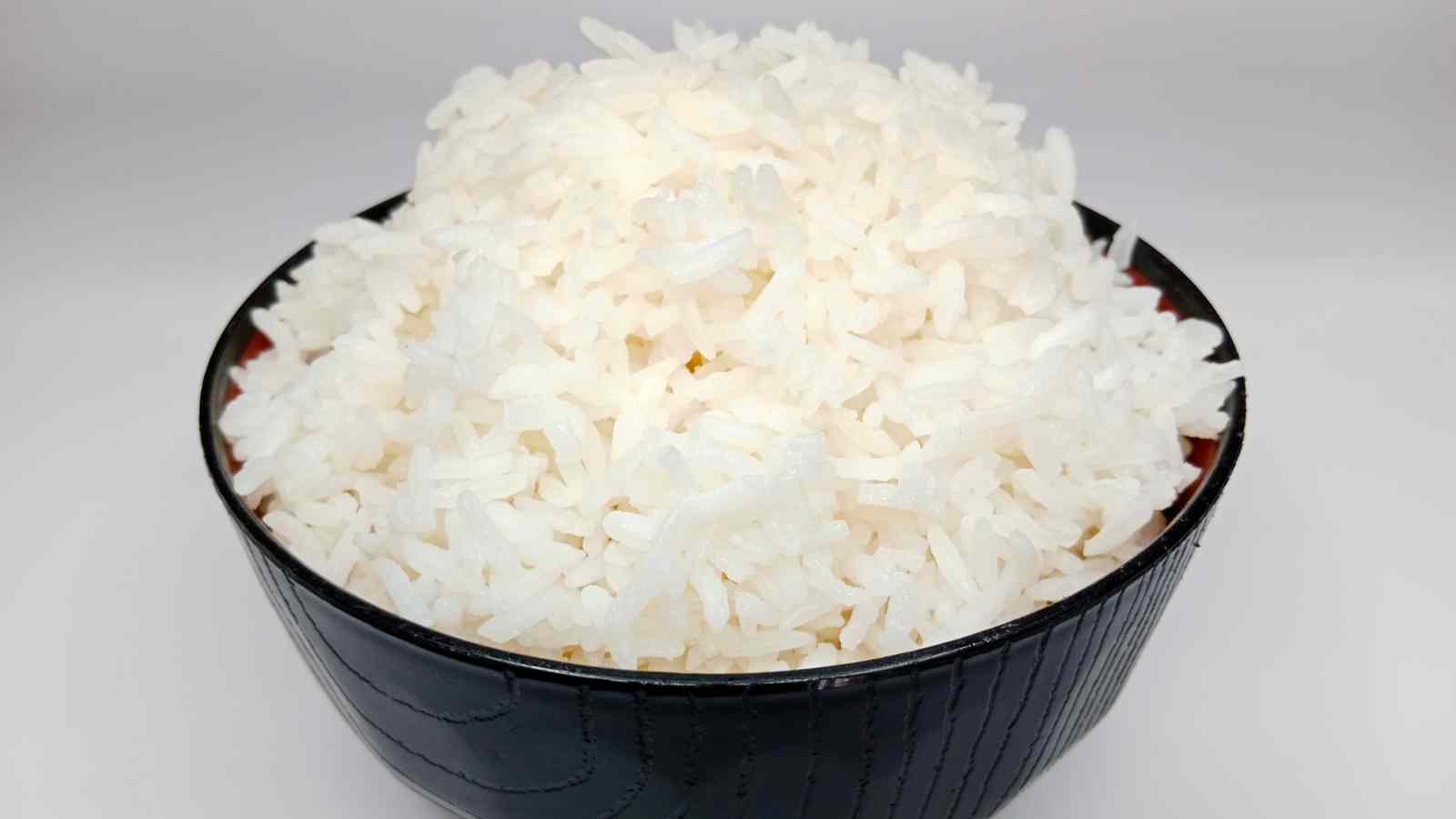
Bowls centered on white rice on its own can feel comforting but not especially lasting. Refining lowers fiber content compared with brown or wild rice. Without added protein or fat, digestion moves quickly. Hunger often rebounds sooner than expected. Pairing rice with beans, eggs, tofu, or meats makes meals more complete.
Low-Fat Flavored Yogurt

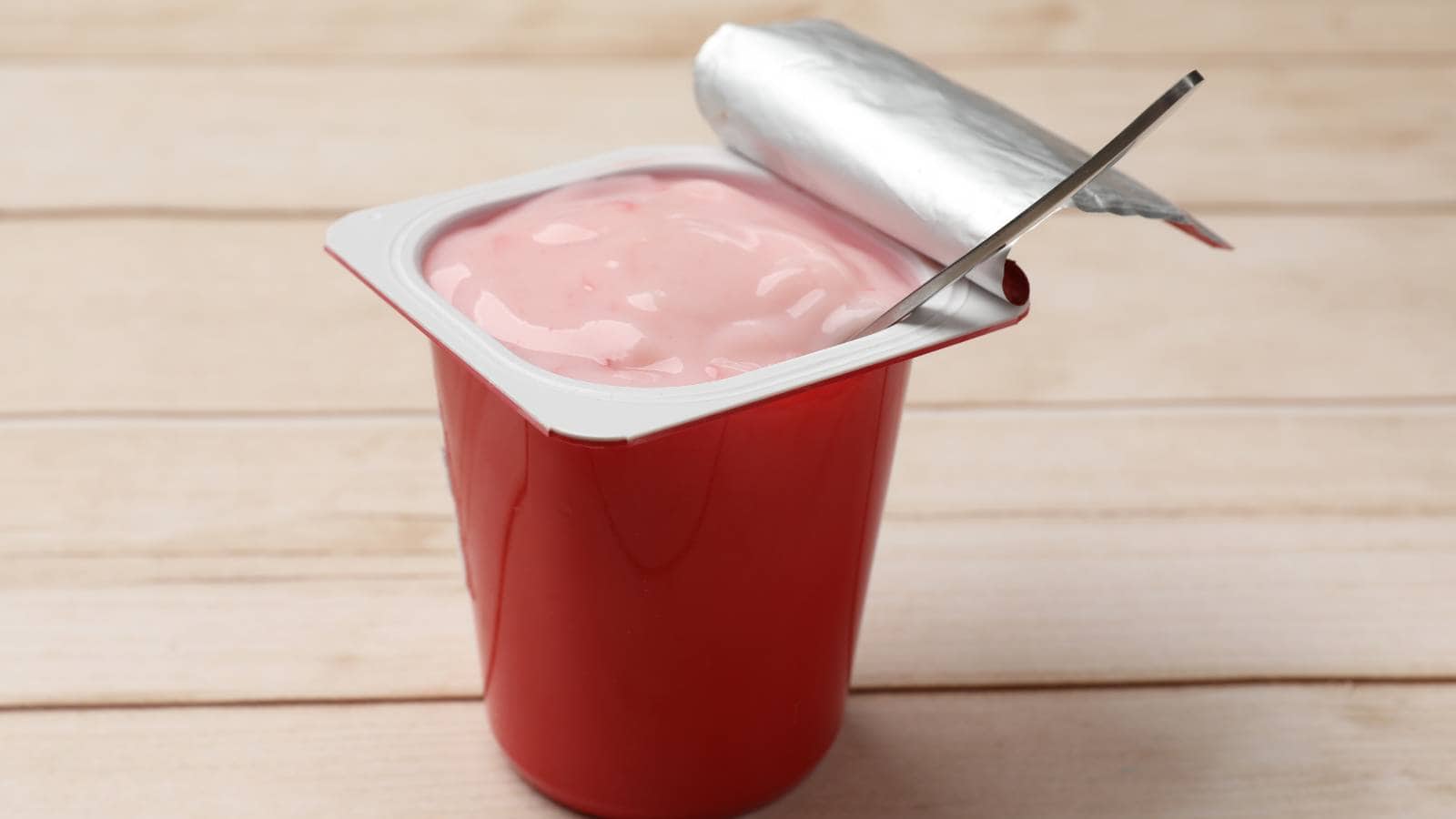
Creamy cups of low-fat flavored yogurt often seem like a smart, filling snack. Removing fat, however, reduces one of the key nutrients that slows digestion. Many flavored versions compensate with added sugars. Protein content can also be lower than expected. Plain Greek yogurt with fruit, nuts, or seeds keeps hunger away longer.
Candy And Gummy Snacks
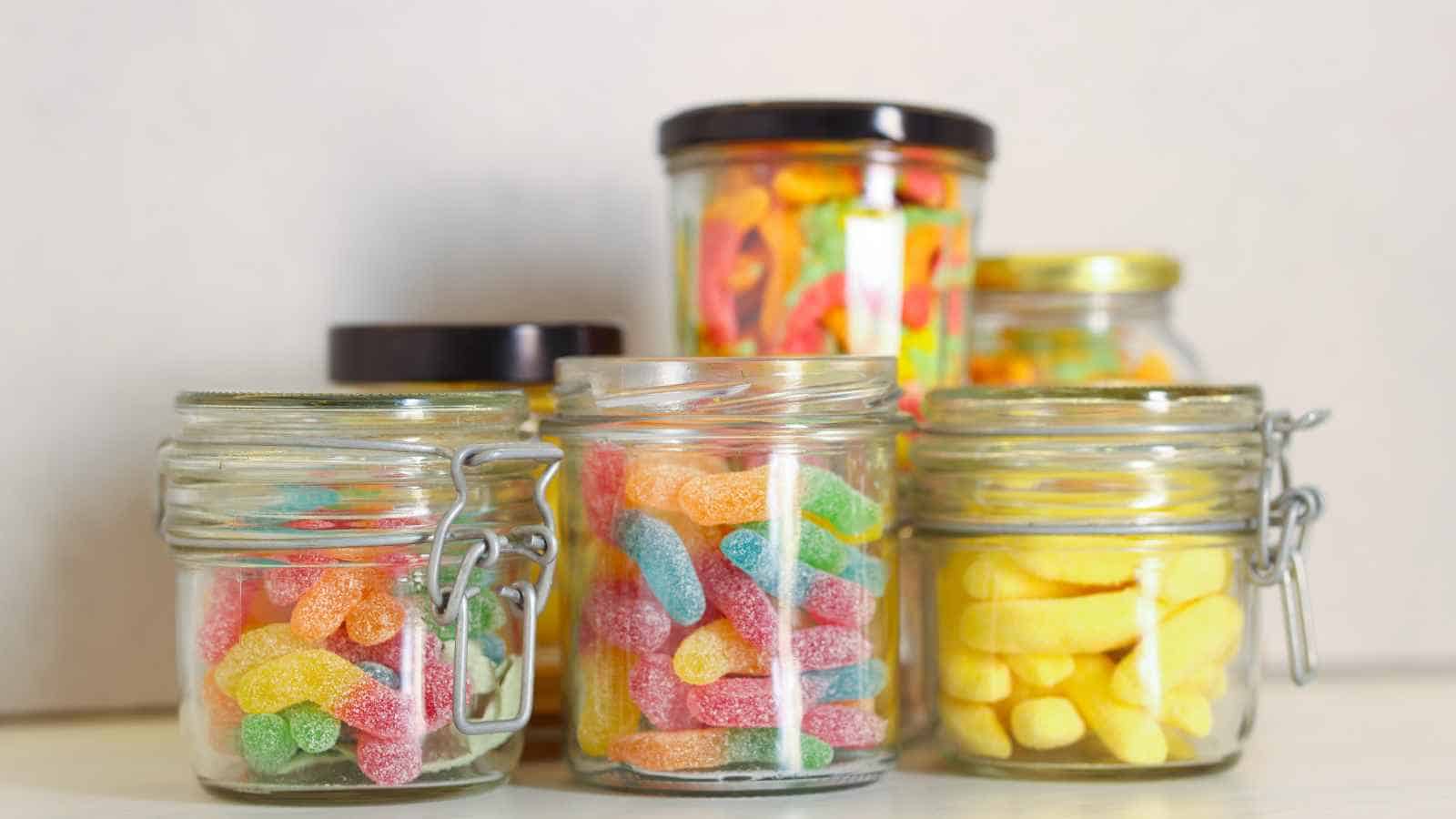
Colorful handfuls of candy and gummy snacks deliver quick bursts of energy. Sugars absorb rapidly into the bloodstream. That surge is usually followed by a noticeable drop. Cravings often follow the dip. Dark chocolate with nuts or fruit with nut butter keeps hunger steadier.
Fat-Free Salad Dressings

Light pours of fat-free salad dressings may lower calories but also reduce fullness. Fat helps slow digestion and enhances satiety signals. Salads dressed this way can feel less complete. That missing satisfaction may lead to extra snacking later. Olive oil-based dressings or avocado additions improve staying power.
Flavored Pudding Cups

Silky textures make flavored pudding cups easy to finish quickly. Minimal chewing reduces fullness signaling. Sugar content is often high while protein remains low. Satisfaction fades faster than expected. Chia pudding or Greek yogurt parfaits are more filling swaps.
Snack Packs Labeled “100 Calories”
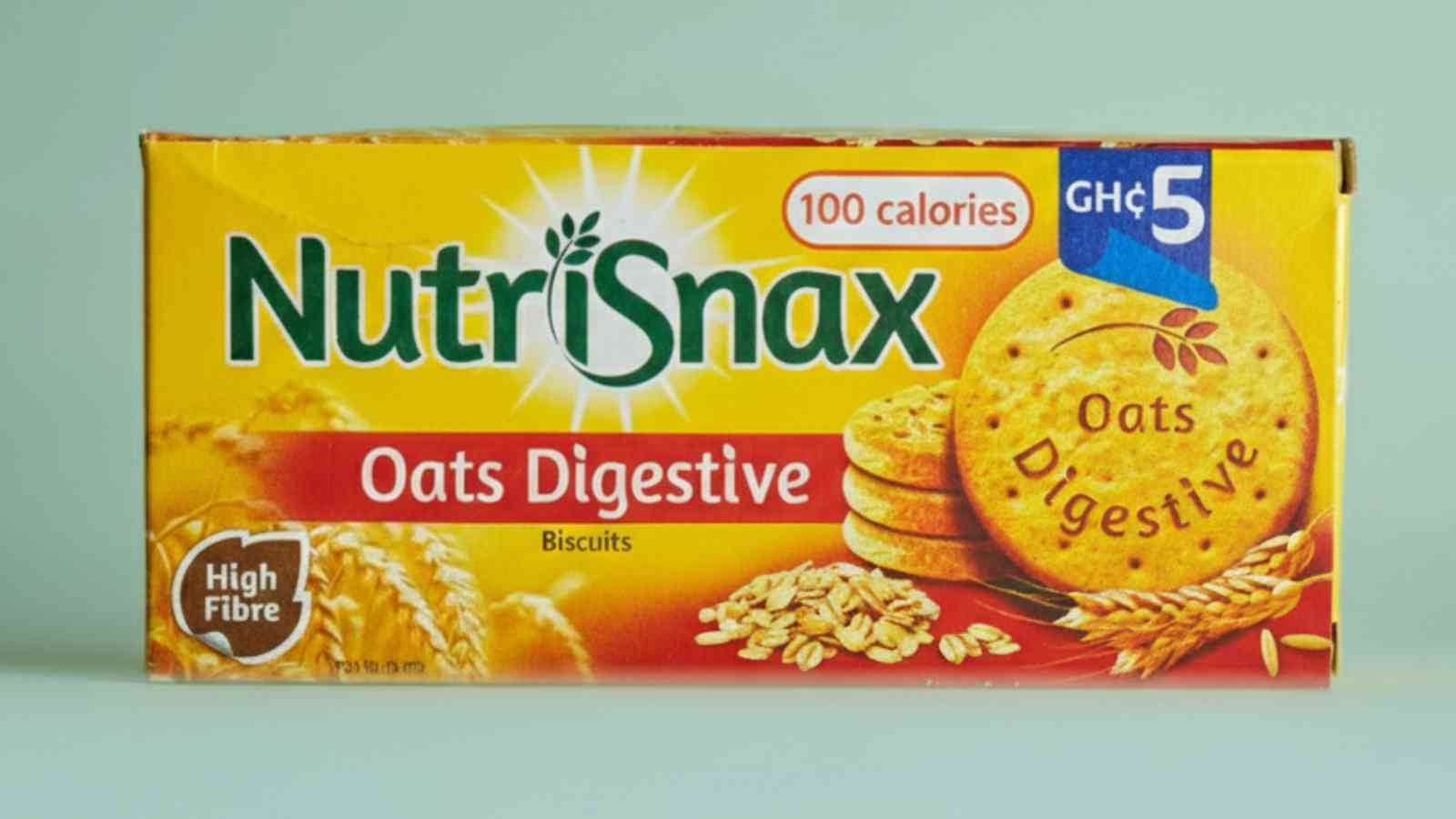
Neatly portioned “100-calorie” snack packs are built for control, not satiety. Small servings rarely quiet real hunger. Refined carbs are common in these packs. Finishing one often leads to wanting another. Nuts, cheese, or boiled eggs hold you longer.
Egg Whites
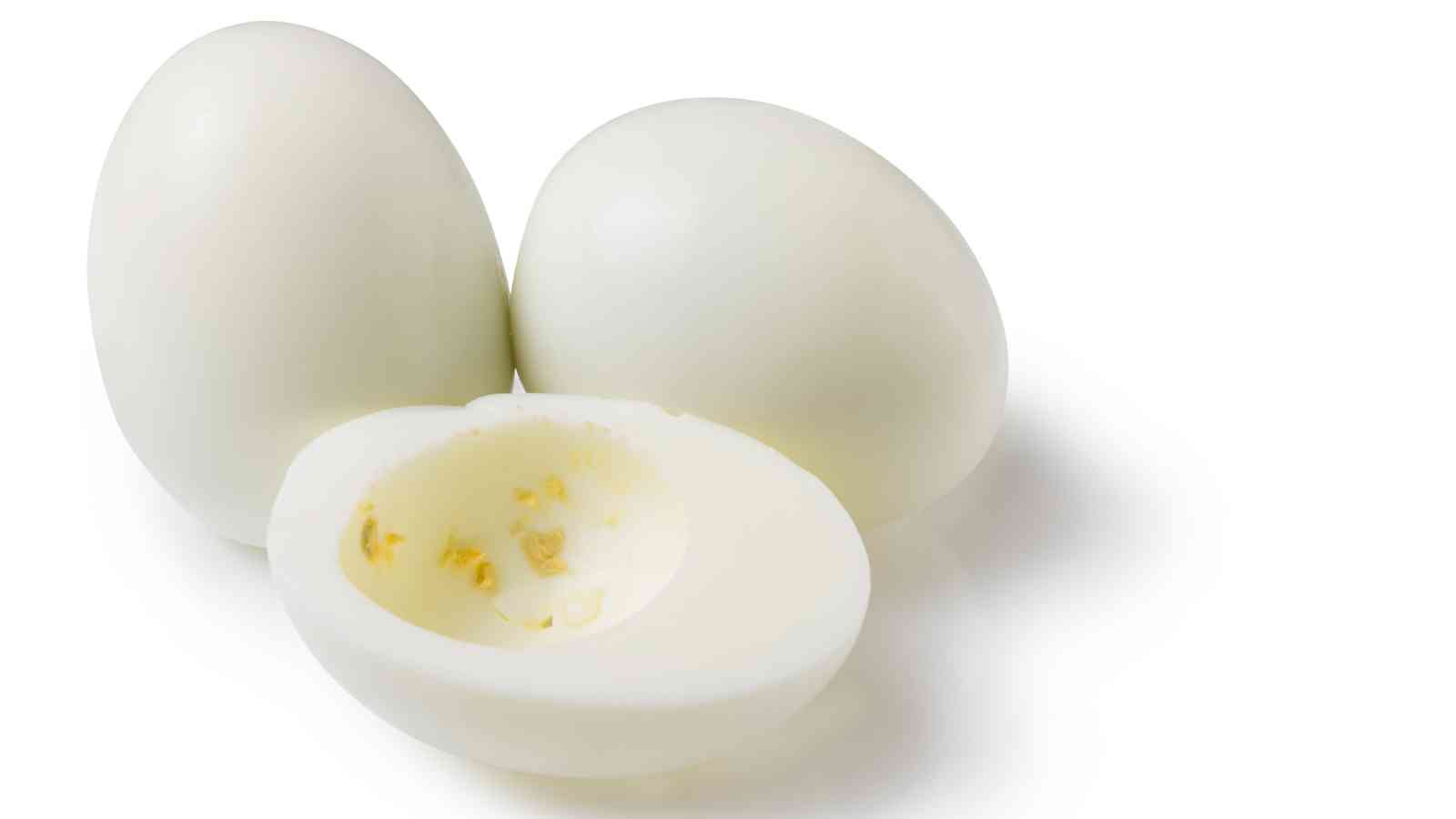
Calorie-cutting plates sometimes rely heavily on egg whites while skipping the yolk. Protein remains, but fats and micronutrients drop. Yolks contain compounds that contribute to fullness. Meals made only with whites can feel incomplete. Whole eggs or adding avocado or cheese improves satisfaction.
French Fries
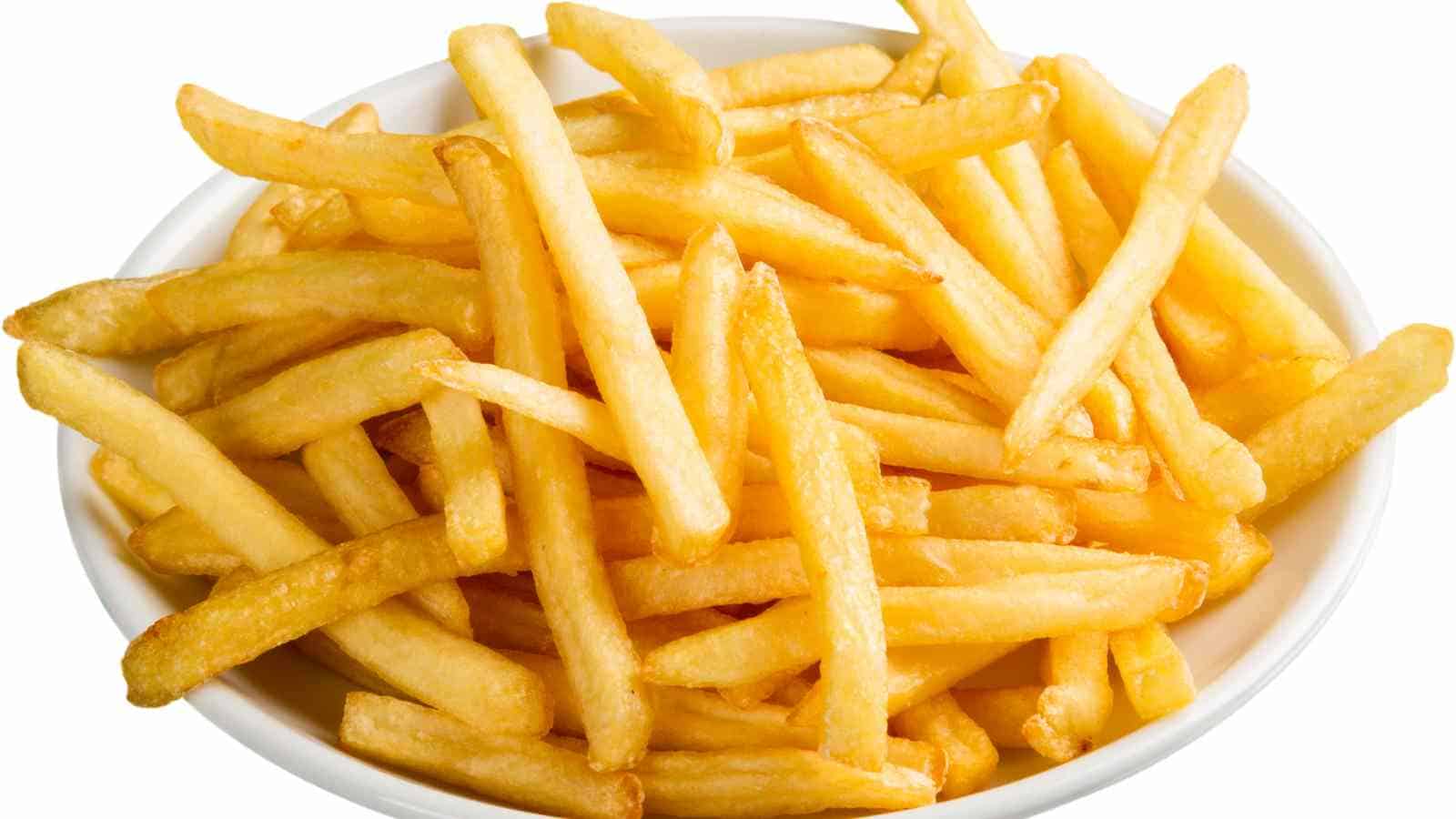
Crispy servings of French fries transform naturally filling potatoes into something less satiating. Frying increases fat density while altering starch structure. Salt encourages continued eating. Portion sizes are easy to exceed. Baked or roasted potatoes retain far more hunger-curbing power.
Flavored Instant Oatmeal Packets
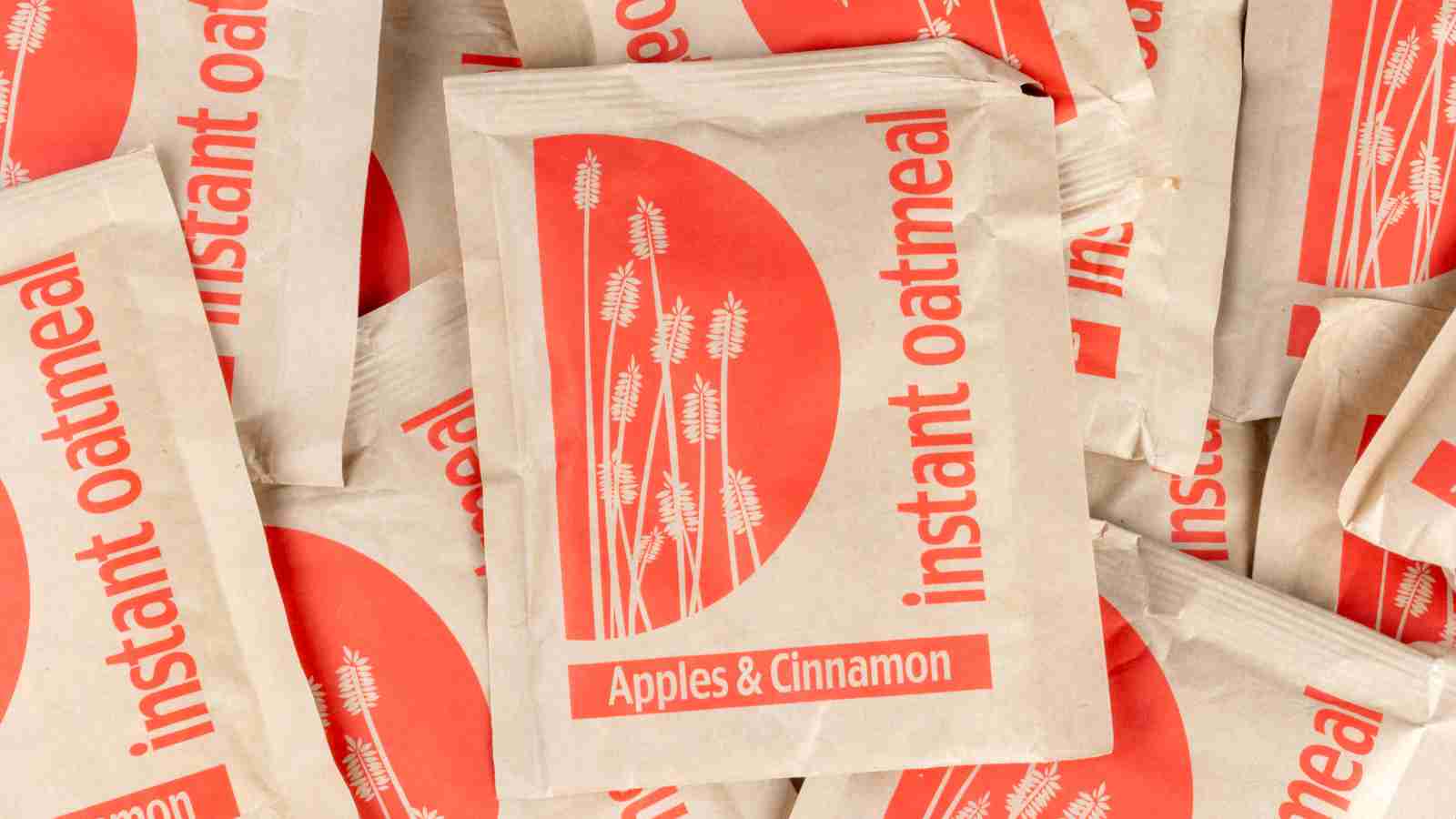
Convenient bowls of flavored instant oatmeal packets cook quickly but digest just as fast. Processing breaks down the oat structure. Added sugars further speed absorption. Fullness doesn’t last as long as less processed oats. Steel-cut or rolled oats with nuts or yogurt are more sustaining.
Instant Noodles (Ramen Cups/Packets)
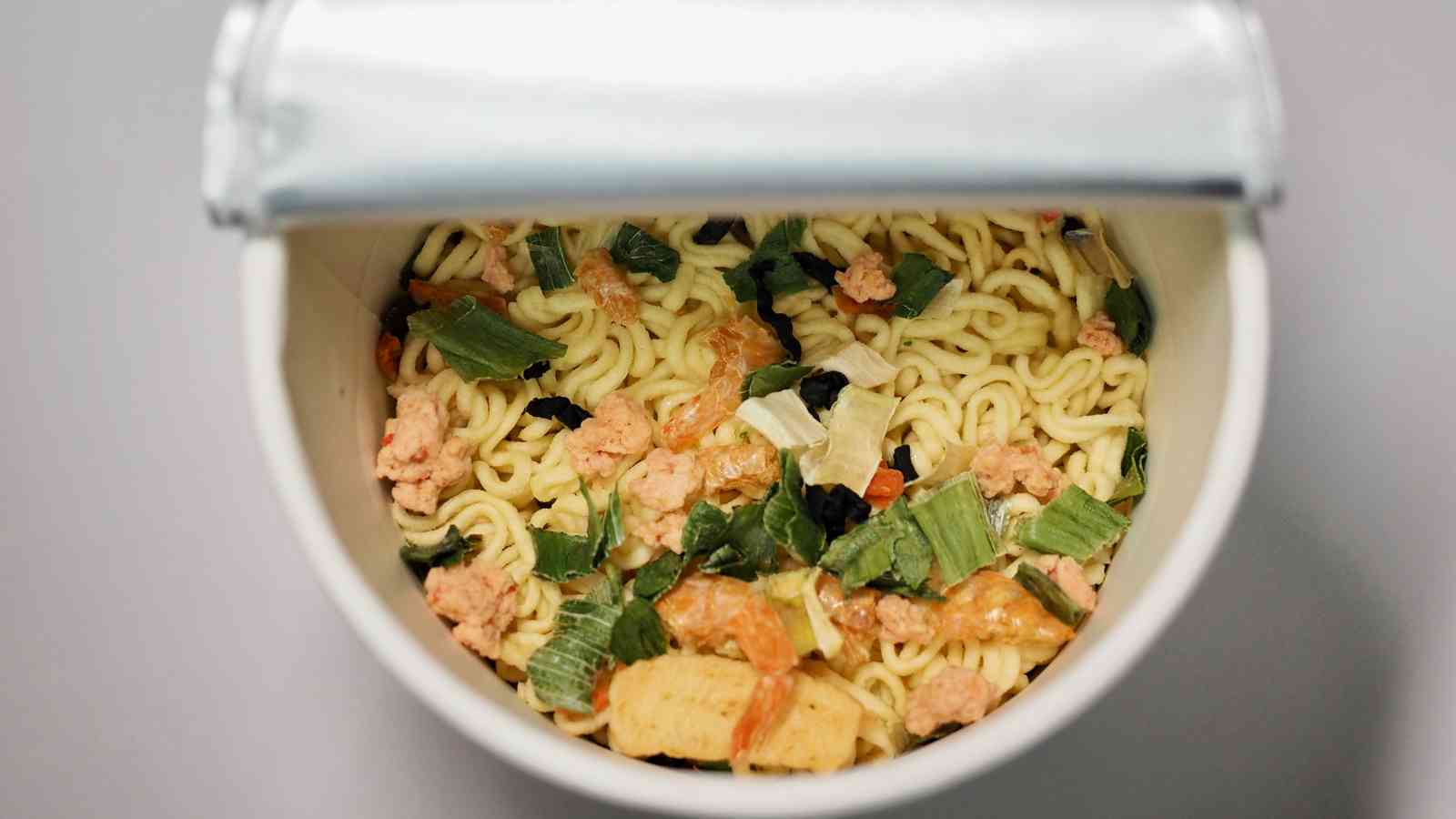
Steaming cups of instant noodles like ramen packets feel comforting yet light on satiety. Refined noodles provide quick carbohydrates. Fiber is minimal, and protein is often lacking. High sodium doesn’t translate to fullness. Adding eggs, tofu, chicken, or vegetables makes them far more filling.
15 Foods That Keep You Full Longer and Help with Weight Management

Instead of constantly reaching for snacks, loading up on foods that actually satisfy your appetite can make a big difference. These 15 powerhouse foods not only keep hunger at bay but also support weight management by naturally helping you eat less without feeling deprived.
20 Foods to Help You Bounce Back After a Poor Night’s Sleep
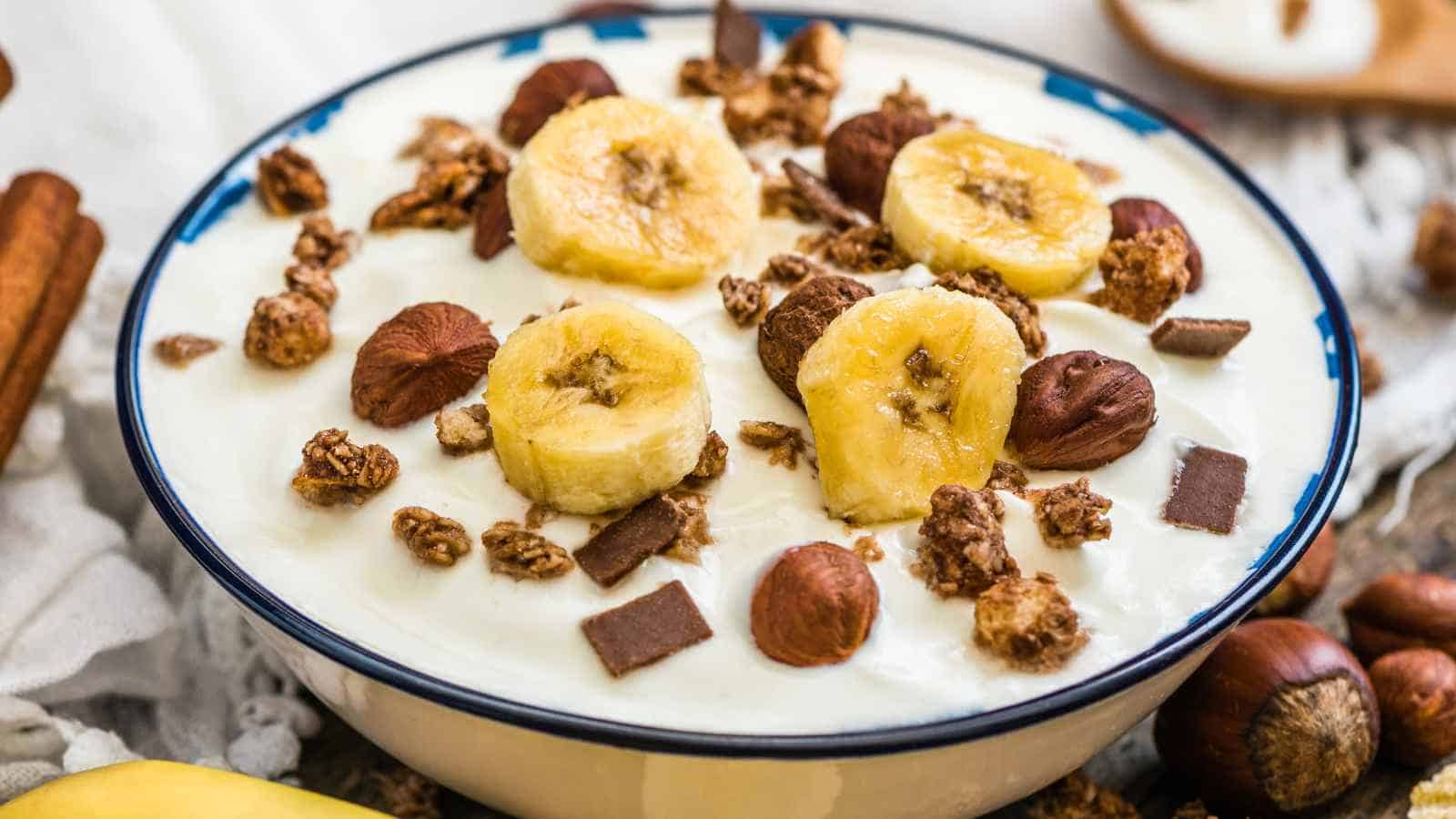
Here are 20 foods to help you bounce back after a poor night’s sleep. Choosing the right nutrients won’t replace rest, but it can help stabilize your system, reduce the impact of a rough night, and support better recovery until your sleep schedule is back on track

Tamara Tsaturyan is the owner and writer of Thriving In Parenting, a website focused on providing simple tips for busy parents — easy and healthy recipes, home decor and organization ideas and all things P A R E N T I N G.

Share Your Thoughts!
I love to know your thoughts, make sure to comment below to start a discussion! You can also follow me on your favorite social network below.