School may feel like a second home for kids, but what happens inside the classroom connects deeply to what happens in your living room. Teachers see how much smoother the day goes when kids show up rested, responsible, and ready to learn—and that foundation almost always starts at home. Parents aren’t expected to be tutors or drill sergeants; what kids need most are everyday habits that guide them toward independence. Sometimes it’s as simple as reading a silly story together, asking them to help with dinner, or turning bedtime into a routine that actually sticks. Teachers may not always say it out loud, but these are the things they quietly hope every parent does to make the school journey a whole lot brighter. None of it requires perfection, just small, steady efforts that shape how kids show up for themselves and others. Think of these not as “extra tasks” but as little investments in your child’s confidence, focus, and joy in learning.

Talk About School Positively
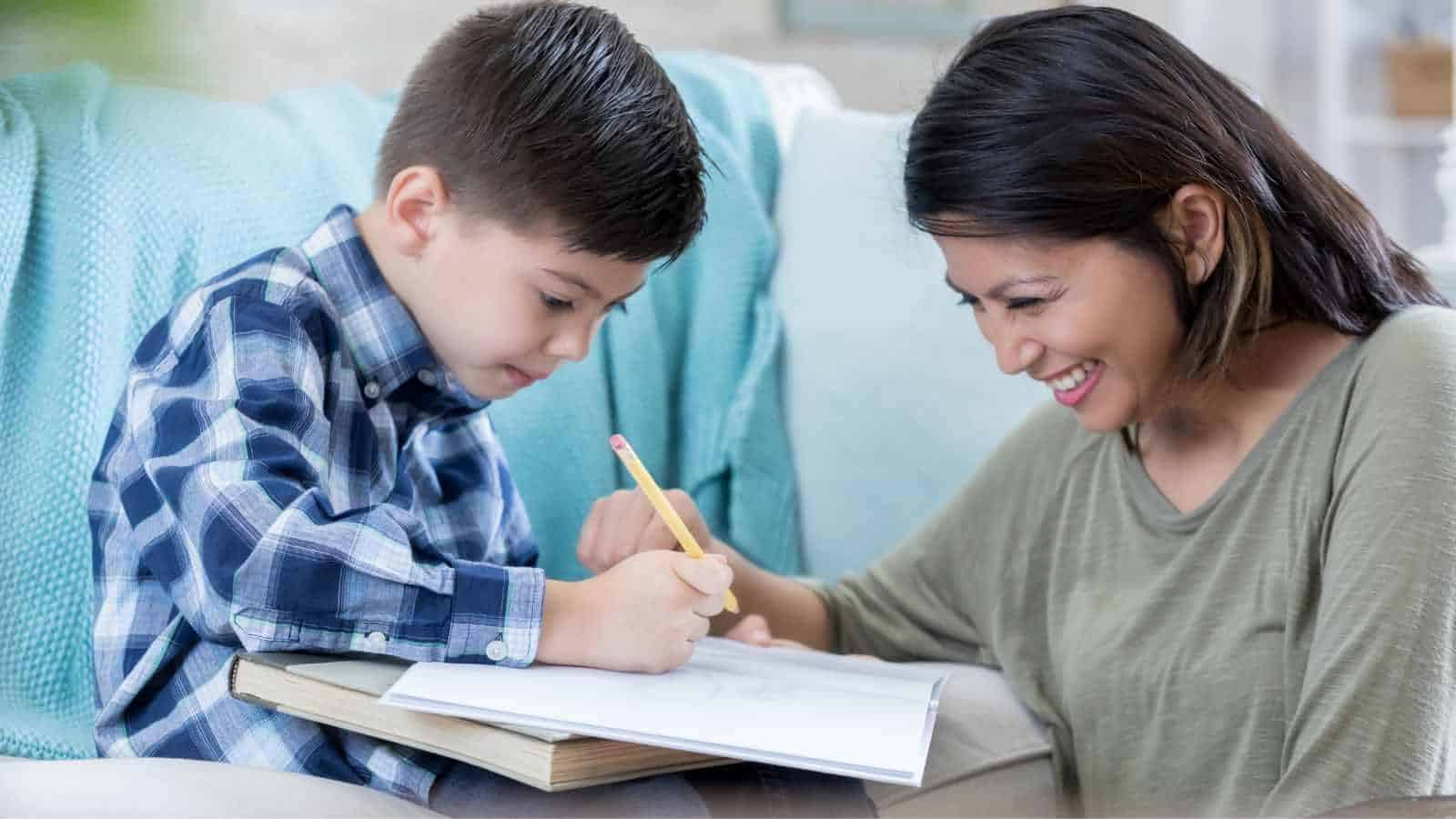
Children often mirror the attitude they hear at home. Speaking with excitement about learning helps them see school as a place worth engaging in. Even small comments about teachers or subjects shape how they approach their day. Parents don’t have to sugarcoat everything, just show genuine interest. Encouragement at home can completely shift how a child feels about walking into class.
Read With Your Child Daily
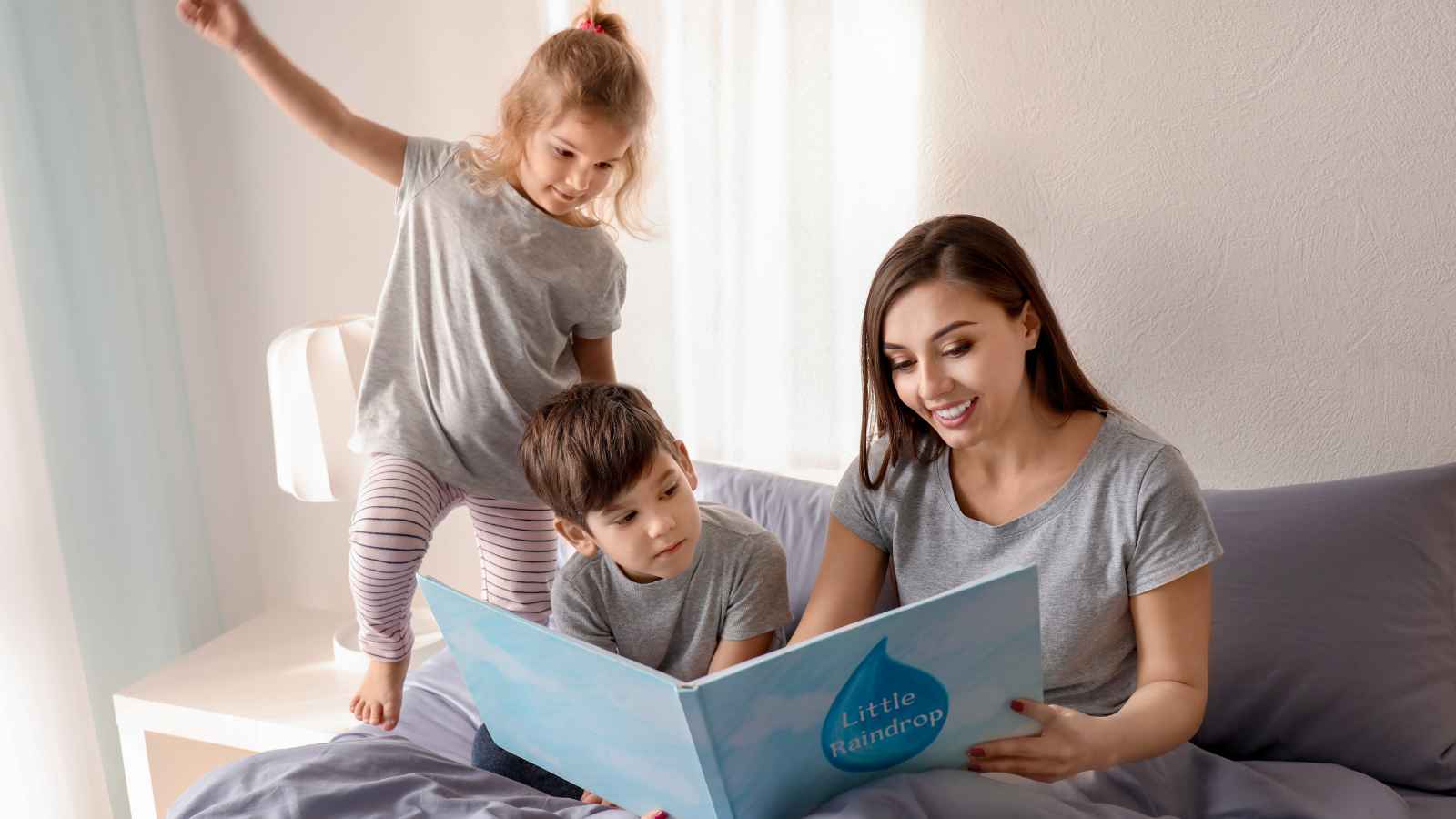
Bedtime stories, short passages, or even flipping through a picture book together build connections that last a lifetime. Reading aloud makes words less intimidating and sparks imagination in ways screens never could. You also end up giving kids a stronger vocabulary without them even realizing it. The habit may feel small, but over time, it fuels confidence that shows in their schoolwork. Books at home really are one of the most powerful gifts you can pass on.
Set Consistent Bedtimes

Routines around sleep may feel like a battle, but kids thrive on that structure more than we realize. A consistent bedtime means they wake up more focused and able to absorb what’s taught the next day. Tired kids struggle not just academically but emotionally, too. When the body is rested, patience, energy, and memory all work better. It’s one of those simple things that creates huge payoffs in school and at home.
Teach Basic Responsibility

Handing kids small chores like clearing their dishes or folding socks shows them their effort matters. Responsibility isn’t about burdening them but about giving them ownership. Children feel proud when they realize they contribute to the household. Accountability learned at home often carries into school assignments and group work. Little by little, those habits shape kids into dependable individuals.
Limit Screen Time on School Nights

Constant scrolling or endless cartoons eat into attention spans without parents even noticing. Cutting back on screens during the week gives room for conversations, play, and creativity. Kids learn to focus better and have more energy for school the next day. It’s not about banning screens completely, just setting healthy boundaries. Balance makes a huge difference in how ready they are to learn.
Encourage Independent Problem-Solving
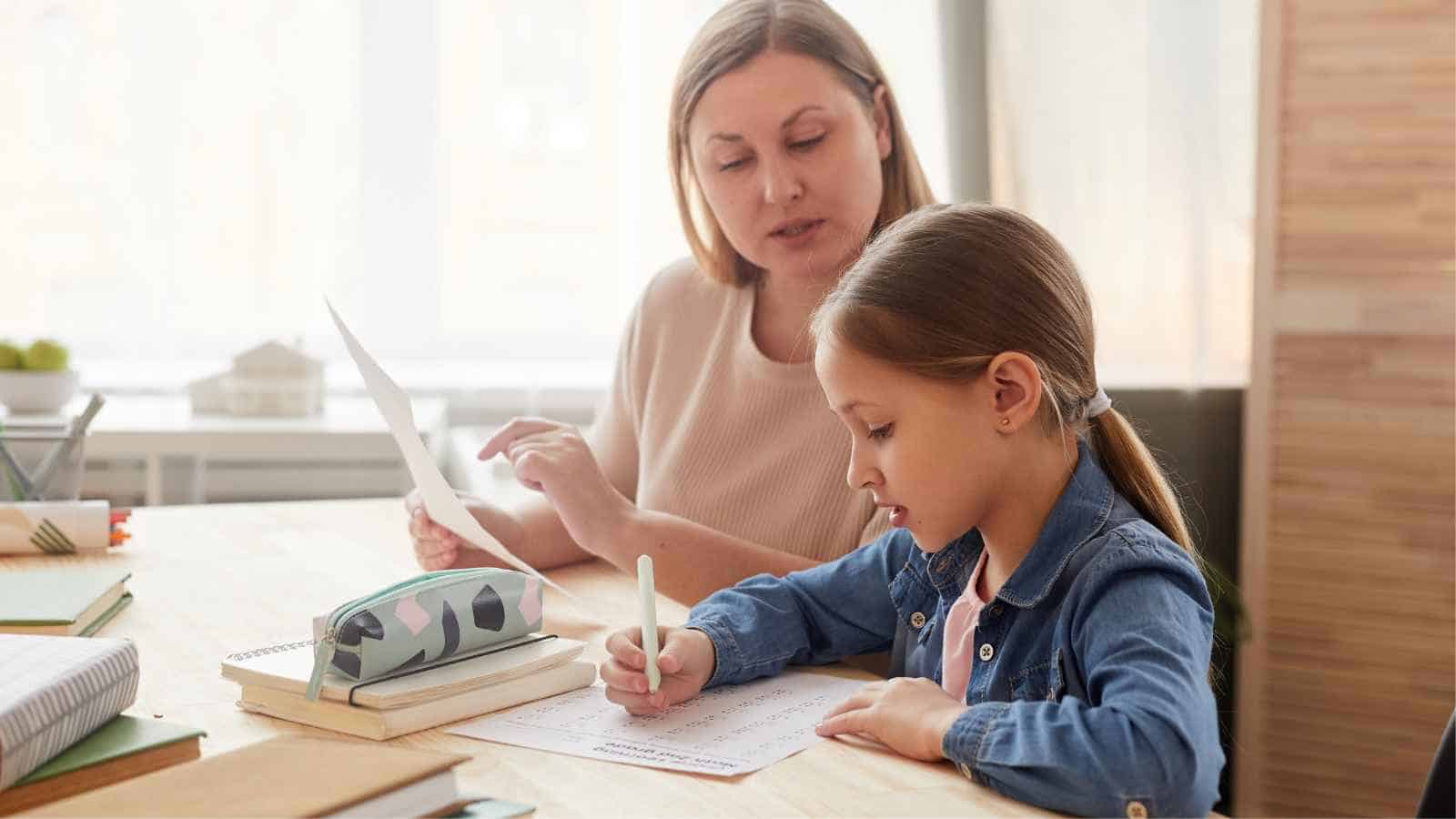
Watching kids struggle with puzzles or questions can tug at a parent’s patience, but stepping back is powerful. When kids figure things out on their own, they gain resilience and confidence. It teaches them to trust their abilities rather than expecting someone else to fix everything. That kind of mindset carries over into school challenges. The more chances they get to try first, the more resourceful they become.
Check Homework (Without Doing It for Them)
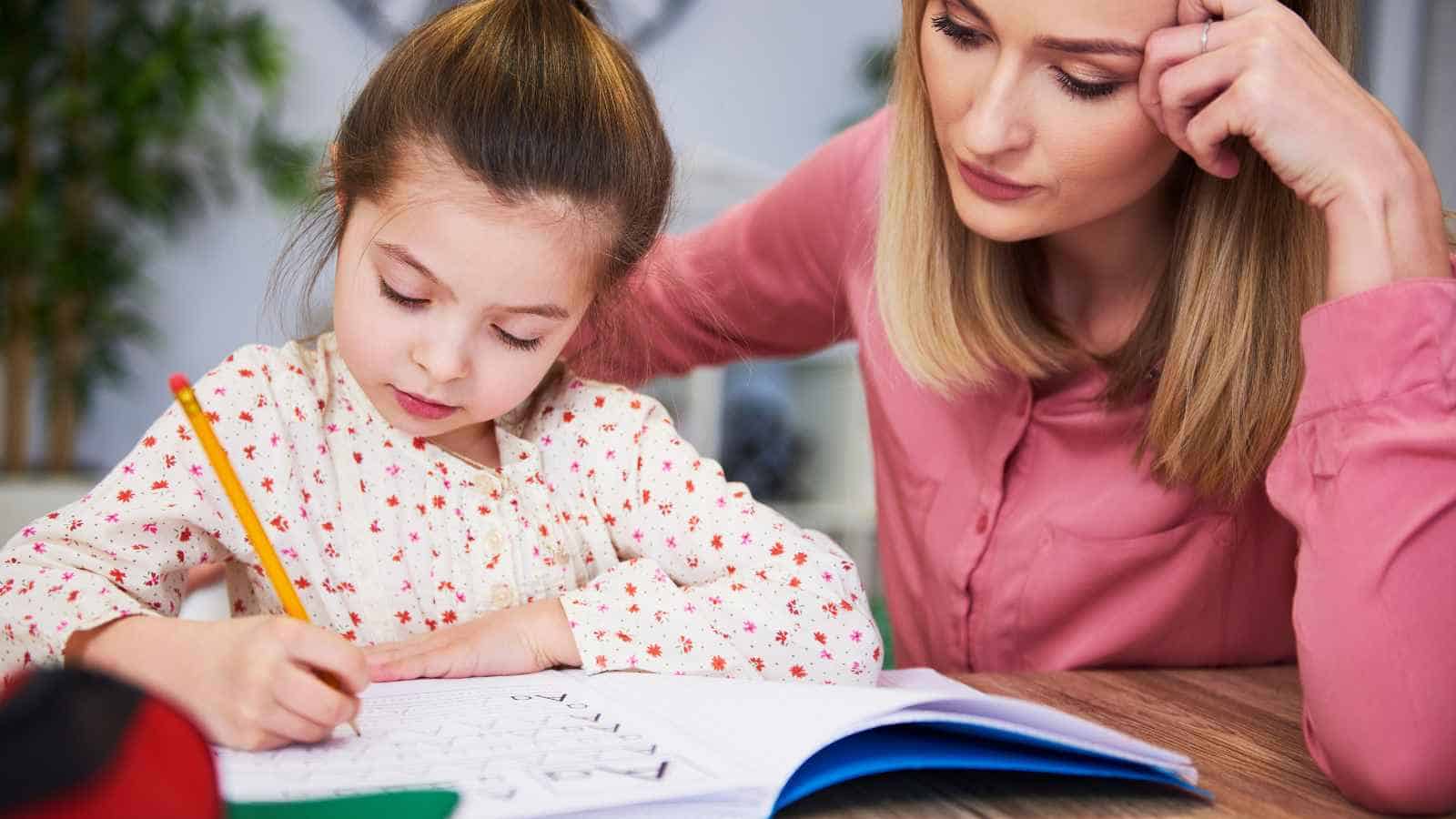
A quick look at homework tells kids their effort matters to you. Hovering too much or correcting everything takes away their ownership of the work. Teachers can spot the difference between parent-done and kid-done assignments anyway. Offering guidance when needed while letting them handle the work builds independence. Kids actually feel more accomplished when they know the final product is truly theirs.
Practice Basic Math in Everyday Life
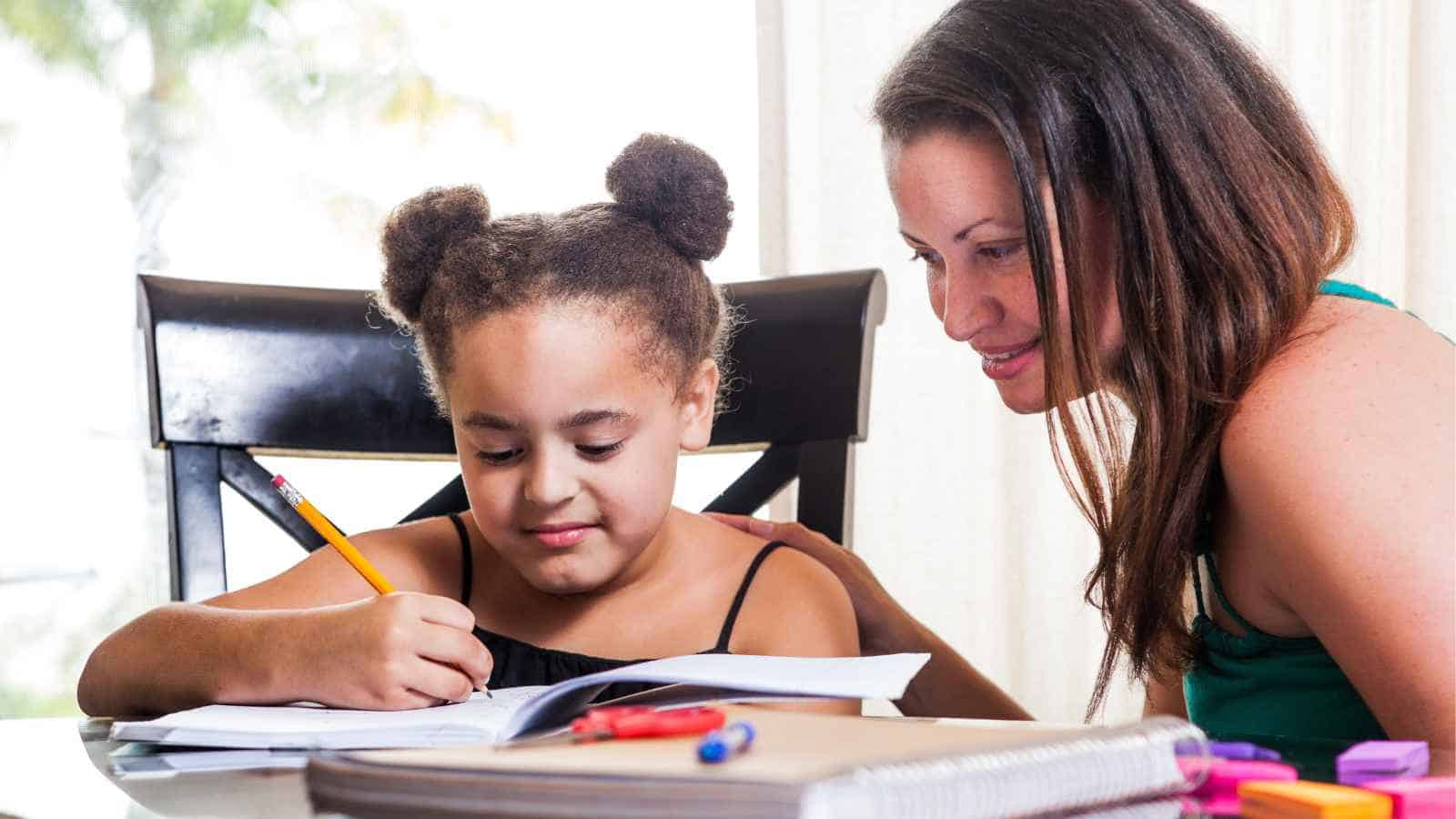
Measuring ingredients, counting change, or comparing prices during shopping turns math into something real. Kids grasp numbers better when they see how they connect to daily life. It becomes less about solving problems on paper and more about useful skills. Parents don’t need fancy lessons—simple moments add up. Math confidence grows strongest when it feels natural instead of forced.
Encourage Curiosity and Questions
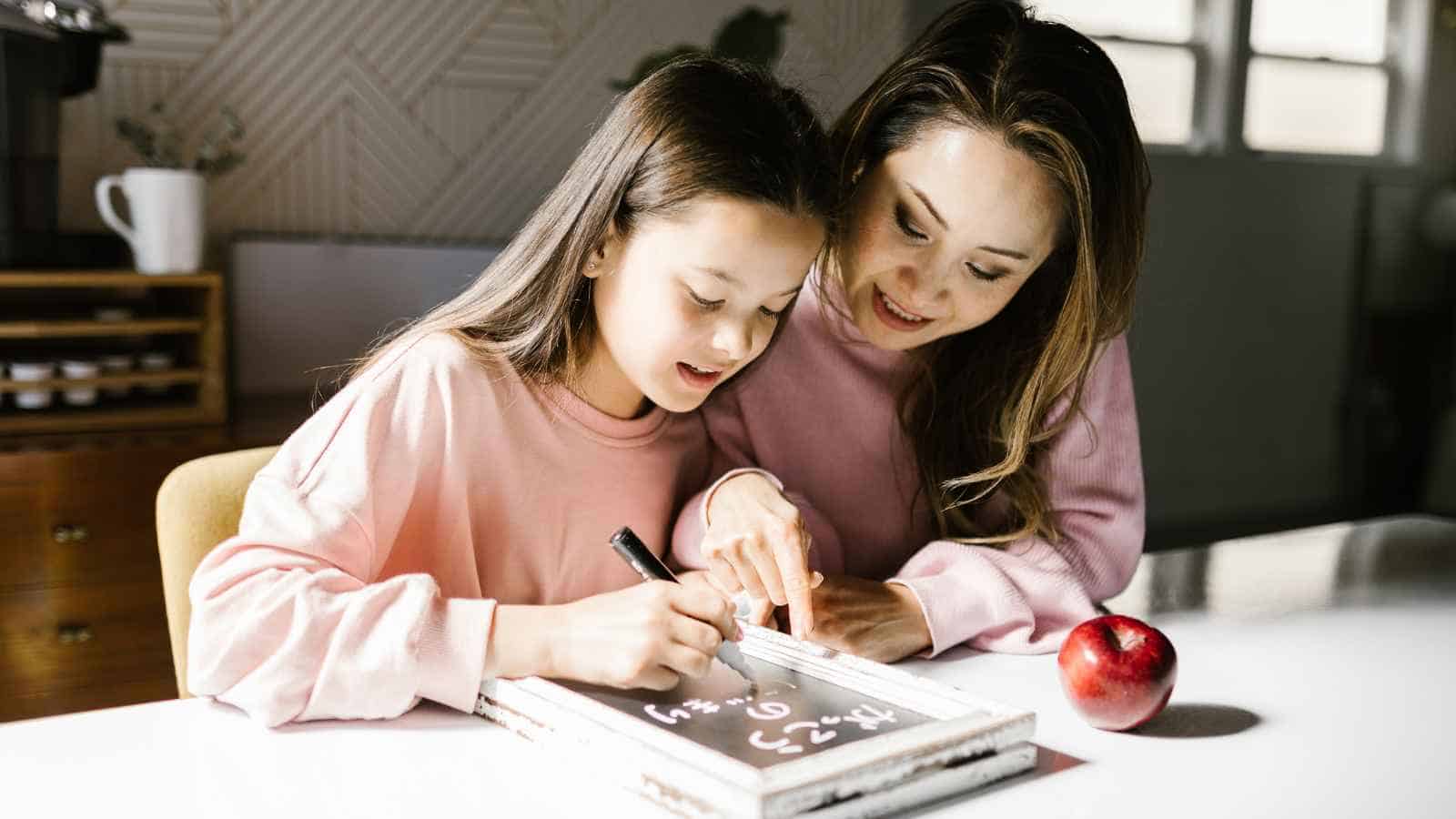
When kids ask “why” for the tenth time, it’s actually their way of making sense of the world. Meeting those questions with interest instead of brushing them off fuels their curiosity. Critical thinking often starts in the living room, not the classroom. Encouraging their wonder shows that learning never stops. Kids who feel safe to ask end up braver about exploring new ideas.
Reinforce Good Manners

Simple words like “please” and “thank you” may feel small, but they ripple far beyond the home. Teachers notice when kids bring respect into the classroom—it sets the tone for how they interact with peers. Manners teach empathy as much as they do politeness. When parents reinforce those habits, kids carry them everywhere. Respectful behavior becomes second nature with steady reminders.
Teach Time Management Skills

Helping kids plan their afternoons with a list or alarm clock gives them tools that last for years. It’s not about strict schedules but about learning balance. When children see that tasks can be broken down and prioritized, they feel less overwhelmed. Time management takes practice, but the earlier it’s introduced, the stronger the habit becomes. Teachers appreciate when students arrive prepared and less rushed.
Create a Quiet Homework Space

A consistent spot free from distractions signals that learning time matters. Kids focus better when the environment feels calm and predictable. It doesn’t need to be a full office—just a small space set aside for work. Having a designated area also helps them mentally switch into “school mode.” That consistency makes studying feel less like a chore.
Stay Involved Without Micromanaging
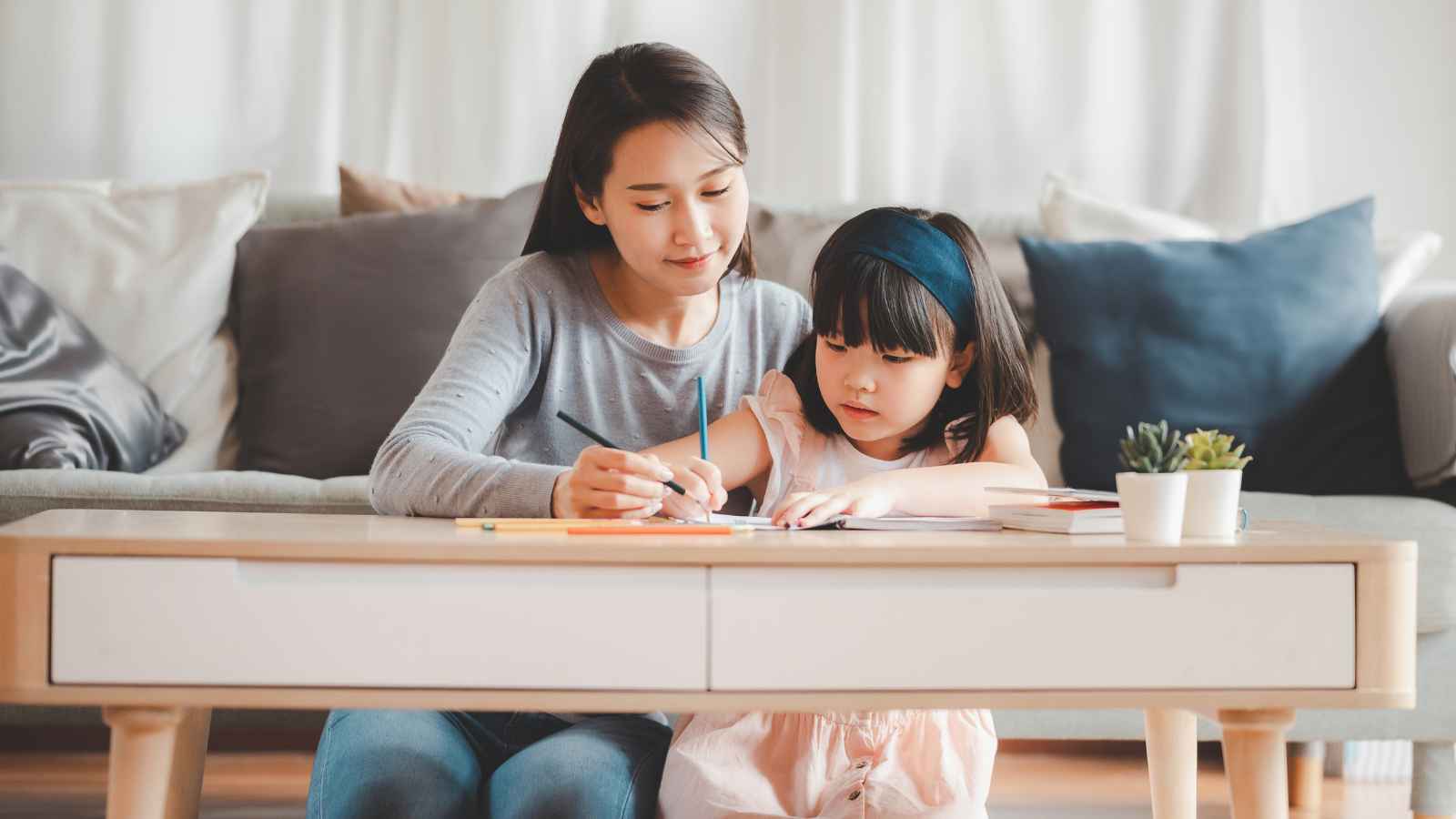
Being present in a child’s education doesn’t mean hovering over every detail. Knowing what’s going on while still giving space shows trust. Teachers appreciate when parents support without trying to run the classroom from home. Kids benefit from parents who are engaged yet respectful of their independence. It strikes the balance between guidance and freedom that helps them grow.
Teach Conflict Resolution at Home

Arguments among siblings may feel endless, but they provide practice for bigger challenges. Teaching kids how to talk through disagreements without yelling or shutting down builds lifelong skills. Schools run smoothly when kids know how to handle differences respectfully. Parents set the tone by modeling calm conversations. Learning resolution at home gives kids tools they’ll use everywhere.
Expose Kids to Reading Beyond Textbooks

Comics, magazines, or even simple articles can hook kids in ways textbooks often don’t. Expanding reading options shows them that words can be fun and varied. Fluency develops faster when kids enjoy what they read. Parents don’t need to push heavy novels—just keep a variety available. Exploring different formats keeps reading from feeling like a chore.
Model Lifelong Learning

When parents read, try new skills, or show curiosity, kids naturally follow. It proves learning doesn’t stop after school ends. Children pick up on enthusiasm for growth when they see it firsthand. Even small habits like reading a recipe or fixing something at home count. Kids raised around constant learning often grow into adults who embrace it, too.
Encourage Outdoor Play
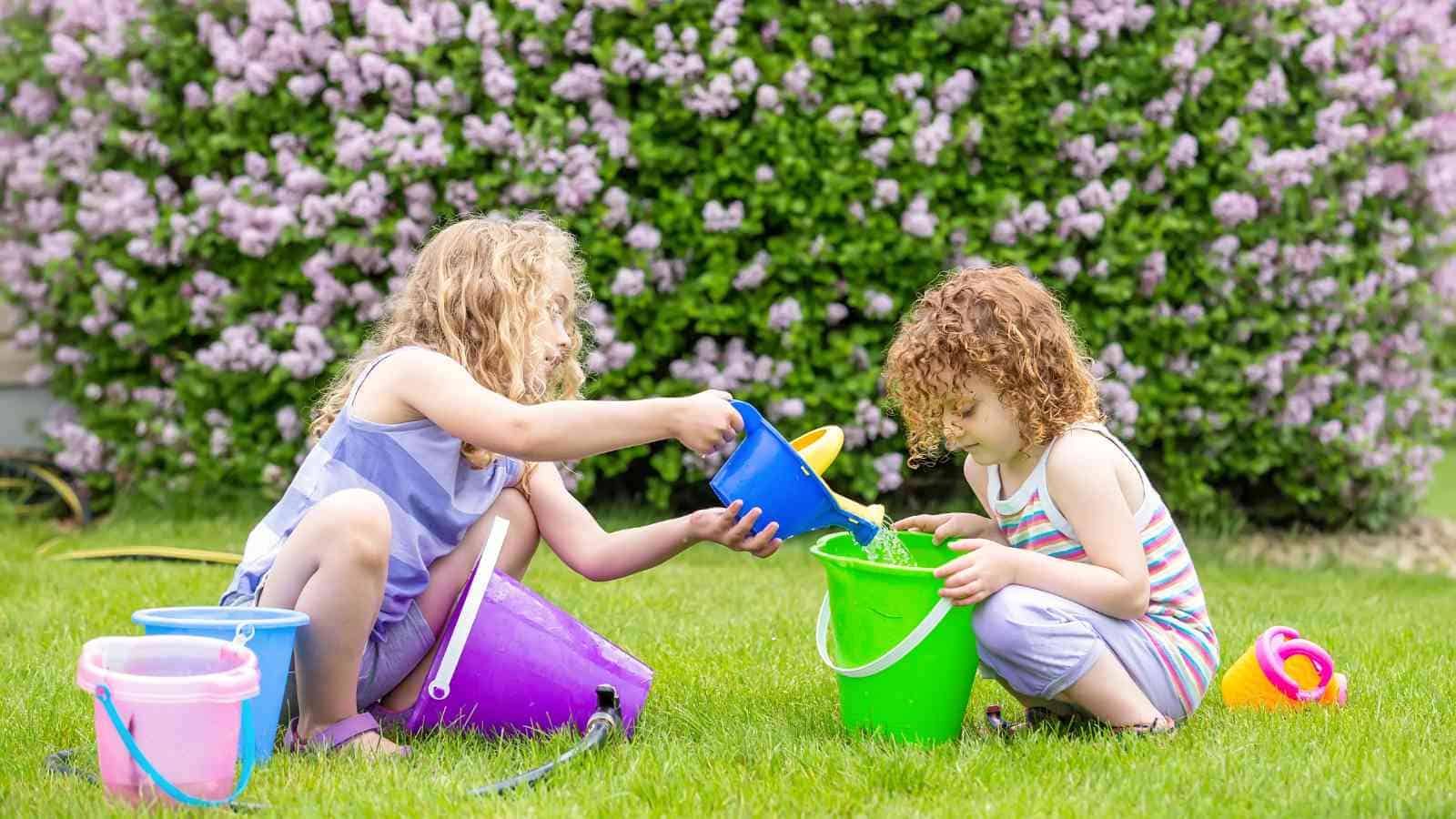
Fresh air and movement boost moods in ways that directly affect focus and behavior. Play outside builds not just muscles but also problem-solving and creativity. Children return indoors calmer and better able to pay attention. Unstructured outdoor play also helps them release stress they can’t always express in words. Schools notice the difference when kids come with energy well-spent.
Keep Communication Open With Teachers
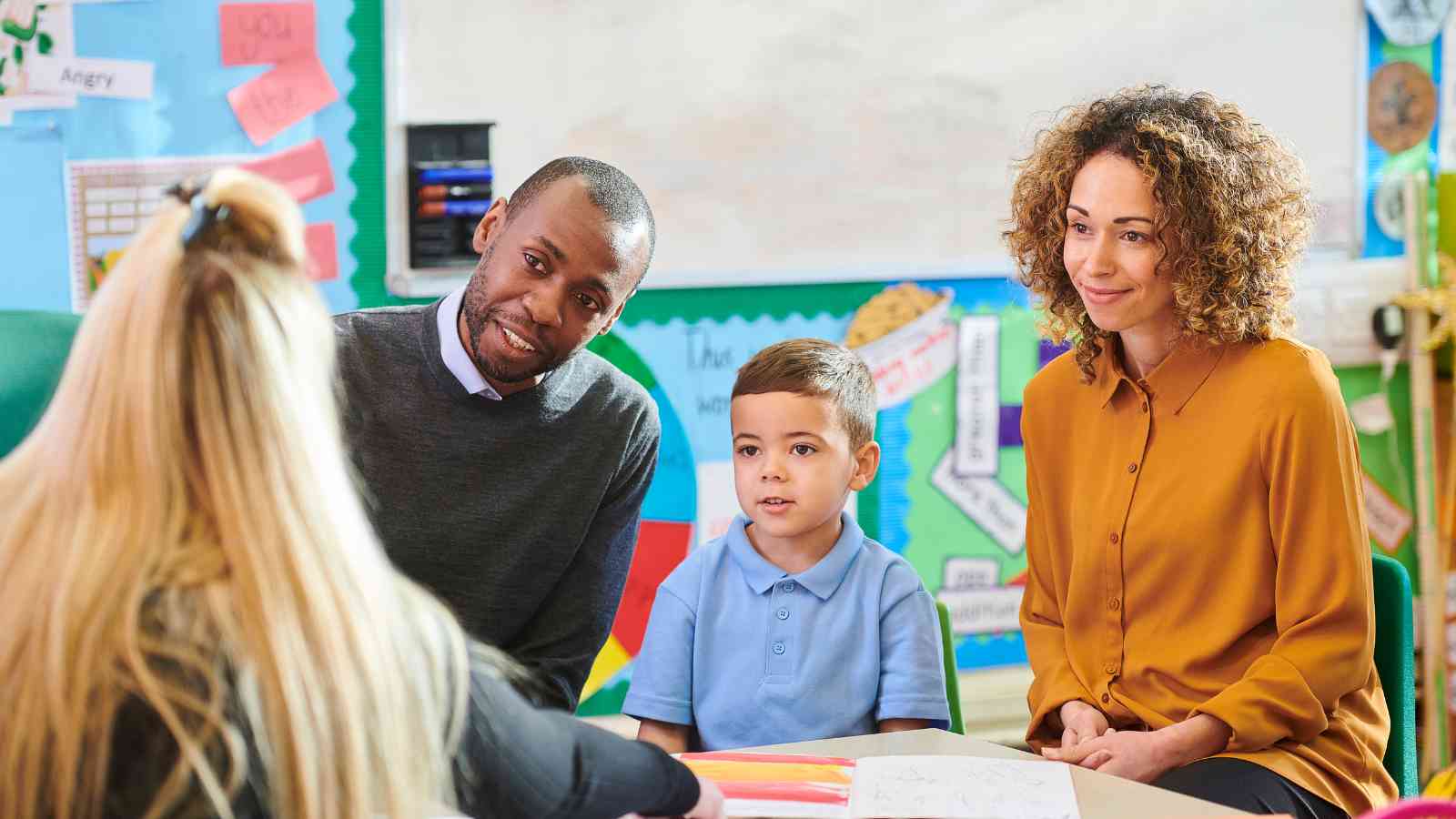
Responding to notes or showing up to conferences signals partnership. Teachers feel supported when parents stay approachable and willing to listen. It prevents small issues from becoming bigger problems. Collaboration ensures kids don’t feel pulled in opposite directions. When parents and teachers work together, children benefit most.
Reinforce Consistency Between Home and School Rules

Kids do best when rules don’t change drastically from place to place. Clear, predictable expectations reduce confusion and misbehavior. Parents supporting school rules at home helps kids understand boundaries more clearly. It creates less tension for teachers and smoother days for students. Consistency feels like stability to a child, and that security builds confidence.
Celebrate Effort, Not Just Grades

Praising hard work teaches kids that growth matters more than perfection. Grades don’t always reflect persistence or creativity. Parents who highlight effort show children that progress deserves recognition. Confidence builds when kids feel valued for how much they try. Focusing on effort plants the mindset that learning is a journey, not a scoreboard.
20 Study Habits That Help Kids Stay Focused
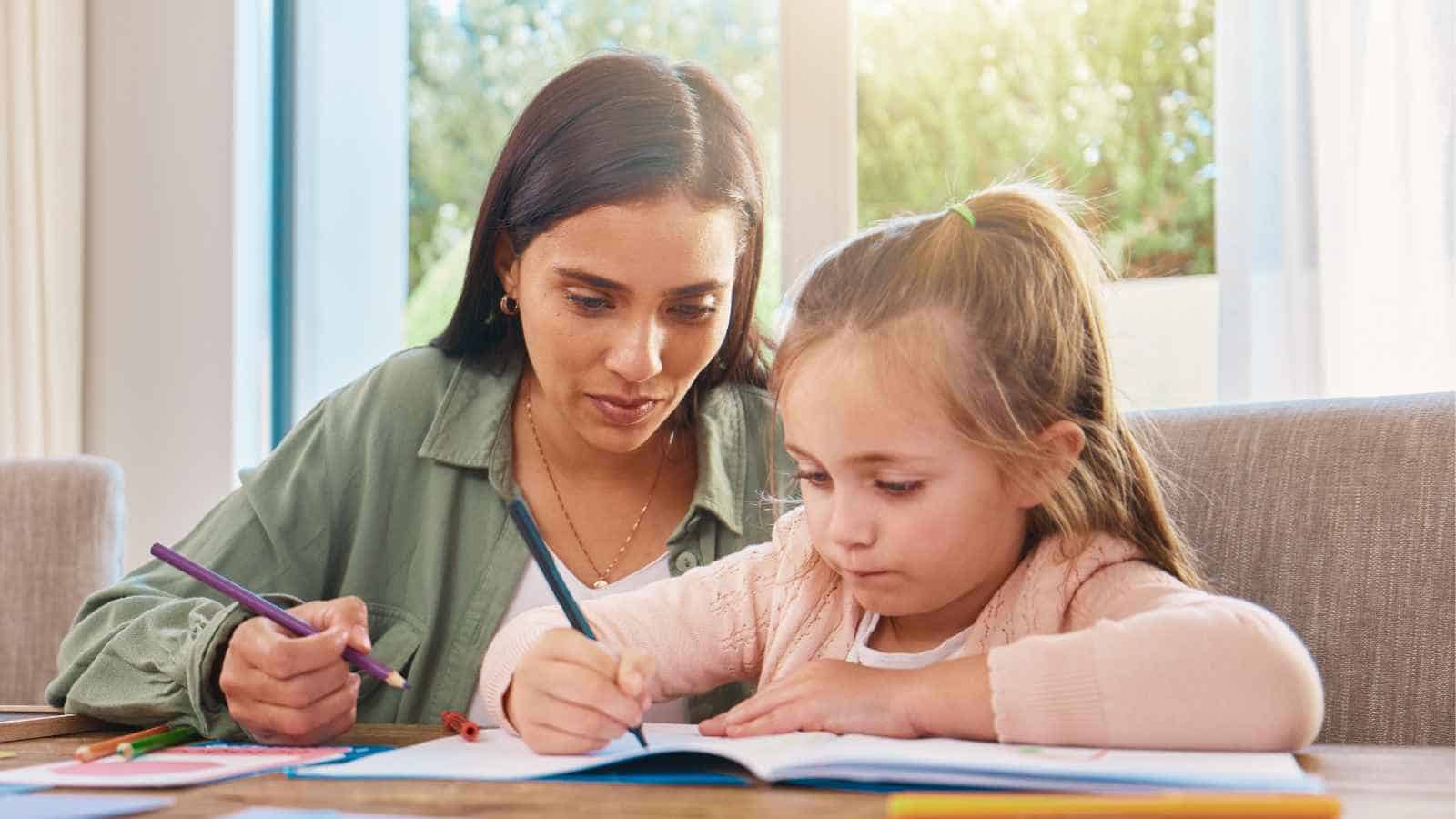
You don’t need expensive tools or complicated systems—just thoughtful adjustments that make sense for your family. When focus and study time feel more natural, kids gain confidence in their ability to handle schoolwork. And let’s be honest, that little bit of peace at homework time is something every parent deserves.
15 Signs Your Kid Is Stressed (That Most Parents Miss)

Recognizing these signs early is crucial so you can guide them toward managing their emotions. With patience, understanding, and the right support, you can help them navigate it in a healthy way. The key to helping them isn’t just about telling them to relax—it’s about identifying their struggles and providing the right support. You don’t have to have all the answers—just being there, listening, and offering a safe space makes all the difference.

Tamara Tsaturyan is the owner and writer of Thriving In Parenting, a website focused on providing simple tips for busy parents — easy and healthy recipes, home decor and organization ideas and all things P A R E N T I N G.

Share Your Thoughts!
I love to know your thoughts, make sure to comment below to start a discussion! You can also follow me on your favorite social network below.