If you love bold flavors, you might be surprised to learn you’re also doing something good for your health. Many ingredients known for their intense taste profiles are packed with compounds that support immunity, digestion, heart health, and more. Here are 25 boldly flavored foods that not only add a punch to your plate but also deliver real health benefits. These foods aren’t just about heat or tang—they’re rich in antioxidants, probiotics, anti-inflammatory agents, and essential nutrients. Spices and fermented staples that light up your palate can also calm inflammation, balance gut bacteria, and even improve brain function. Some have been used for centuries in traditional medicine, while others are backed by modern nutritional science for their health-boosting effects.

Cayenne
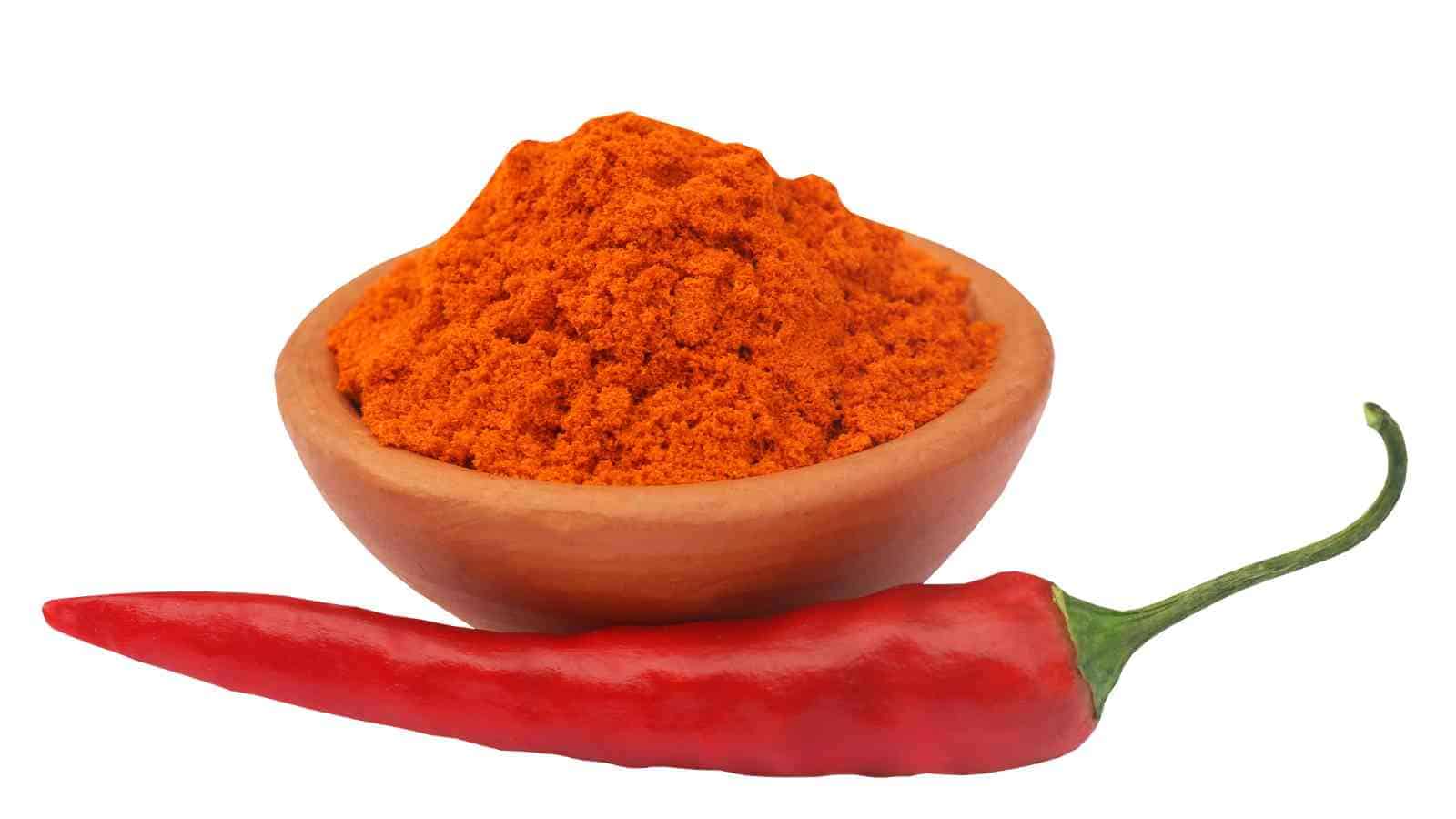
Packed with capsaicin, cayenne pepper may support metabolism by increasing thermogenesis and calorie burning. It’s known to help reduce appetite, making it useful in weight regulation strategies. The pepper’s anti-inflammatory and antioxidant compounds can also benefit cardiovascular health. Studies link cayenne’s active ingredients to improved blood flow and reduced plaque buildup in arteries. It can also support pain relief when consumed or applied topically in specific formulations.
Garlic

Rich in sulfur-containing compounds like allicin, garlic can help lower blood pressure and cholesterol levels. Its antimicrobial properties support immune health and protect against common infections. Garlic has long been associated with improved heart health and reduced risk of atherosclerosis. It also contributes to detoxification by boosting liver enzymes that clear toxins from the bloodstream. Regular consumption may help modulate inflammation throughout the body.
Ginger

Bioactive compounds in ginger, especially gingerol, provide strong anti-inflammatory and antioxidant benefits. It may ease nausea, including that caused by motion sickness and pregnancy. Some findings suggest it can reduce muscle soreness and joint pain due to its anti-inflammatory actions. Ginger can also assist with digestion by speeding up gastric emptying and reducing bloating. It’s been used in many traditional medicine systems for relieving colds and digestive discomfort.
Turmeric

Curcumin, the primary active component of turmeric, is known for its potent anti-inflammatory effects. It has been studied for its ability to reduce symptoms of arthritis and other chronic inflammatory diseases. Turmeric may also support brain health by increasing levels of brain-derived neurotrophic factor (BDNF). Its antioxidant capacity helps fight cellular damage and oxidative stress. The spice has also shown promise in improving metabolic conditions like insulin resistance.
Kimchi

A staple in Korean cuisine, kimchi is a fermented vegetable dish rich in probiotics that support a balanced gut microbiome. It’s also high in vitamins A, B, and C, contributing to immune function and energy metabolism. The fermentation process enhances the bioavailability of its nutrients. Regular consumption has been associated with improved digestion and reduced inflammation. Certain compounds in kimchi may also aid in controlling blood sugar levels.
Dark Chocolate

Flavonoids in dark chocolate help relax blood vessels and improve circulation, supporting cardiovascular health. It contains iron, magnesium, and copper, which contribute to energy production and red blood cell function. Antioxidants in cocoa have been linked to lower levels of inflammation and oxidative damage. Moderate consumption may also benefit brain function by increasing blood flow to key regions. The darker the chocolate (70% or more), the greater the concentration of beneficial compounds.
Sauerkraut

Fermented cabbage in sauerkraut provides beneficial bacteria that promote gut and immune health. It’s a good source of fiber, vitamin K, and vitamin C, all essential for overall wellness. The fermentation process enhances the bioactivity of glucosinolates, which may have cancer-protective properties. Its lactic acid bacteria support digestion and nutrient absorption. Regular intake may also help reduce inflammation in the digestive tract.
Habaneros
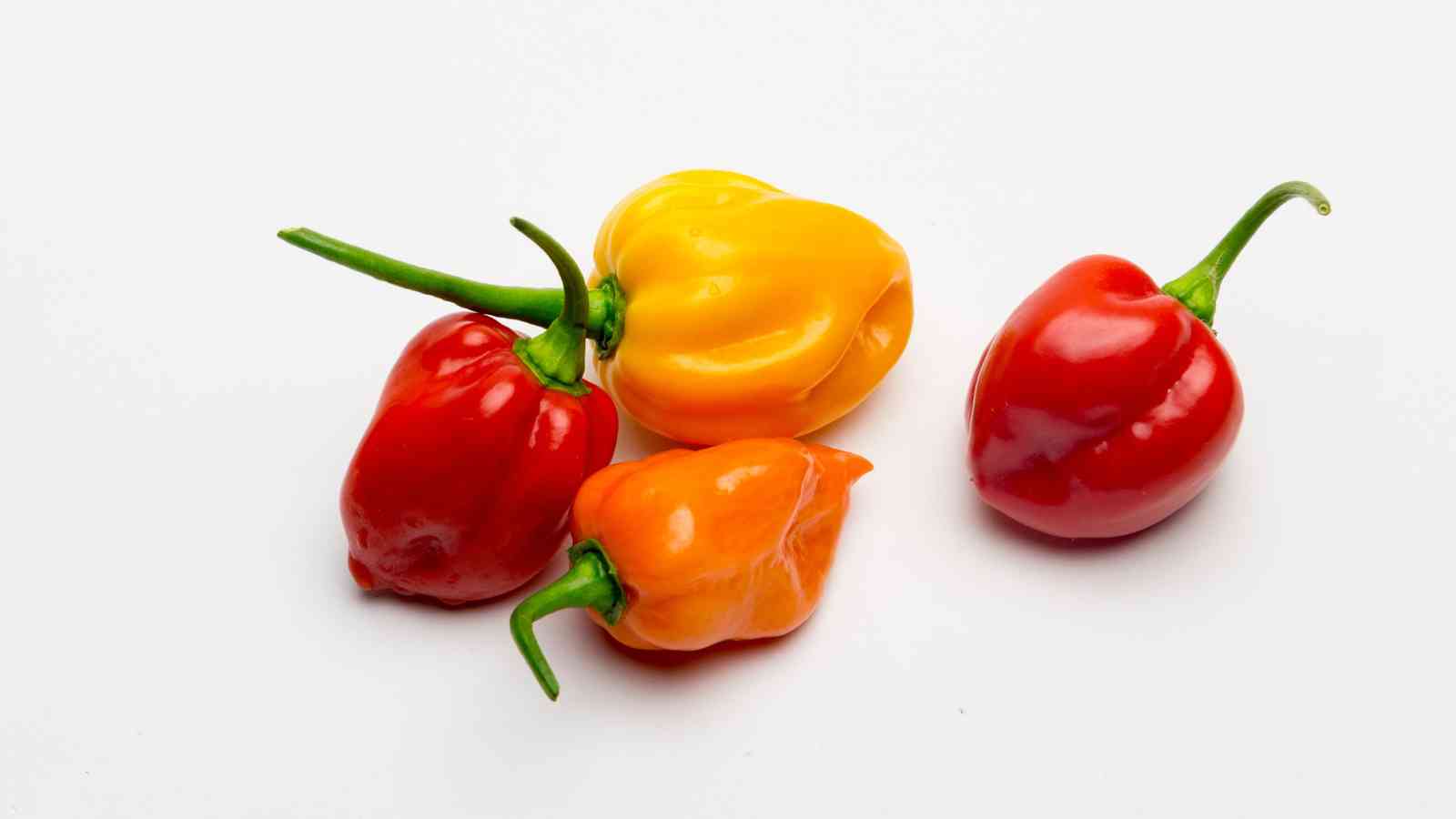
Containing more capsaicin than milder peppers, habaneros can increase metabolism and help in weight regulation. The heat-producing compound also offers anti-inflammatory and analgesic effects. Some research links capsaicin to reduced cancer cell growth in laboratory settings. Habaneros are rich in vitamin C, contributing to immune defense and collagen formation. They also contain carotenoids that support eye and skin health.
Mustard

Mustard seeds and prepared mustard are sources of glucosinolates, compounds with potential anticancer properties. They offer selenium and magnesium, which play roles in antioxidant defense and muscle function. Mustard may stimulate digestion by promoting bile flow. Its pungency comes from allyl isothiocyanate, a compound that also exhibits antimicrobial effects. When used in moderation, it can be a flavorful, health-enhancing condiment.
Red Onions

Anthocyanins give red onions their color and contribute to their antioxidant capacity. They contain quercetin, which may help lower blood pressure and support respiratory health. Onions also provide prebiotic fiber that supports beneficial gut bacteria. Their sulfur compounds may support detoxification and immune function. Raw consumption retains the most beneficial nutrients and compounds.
Cinnamon
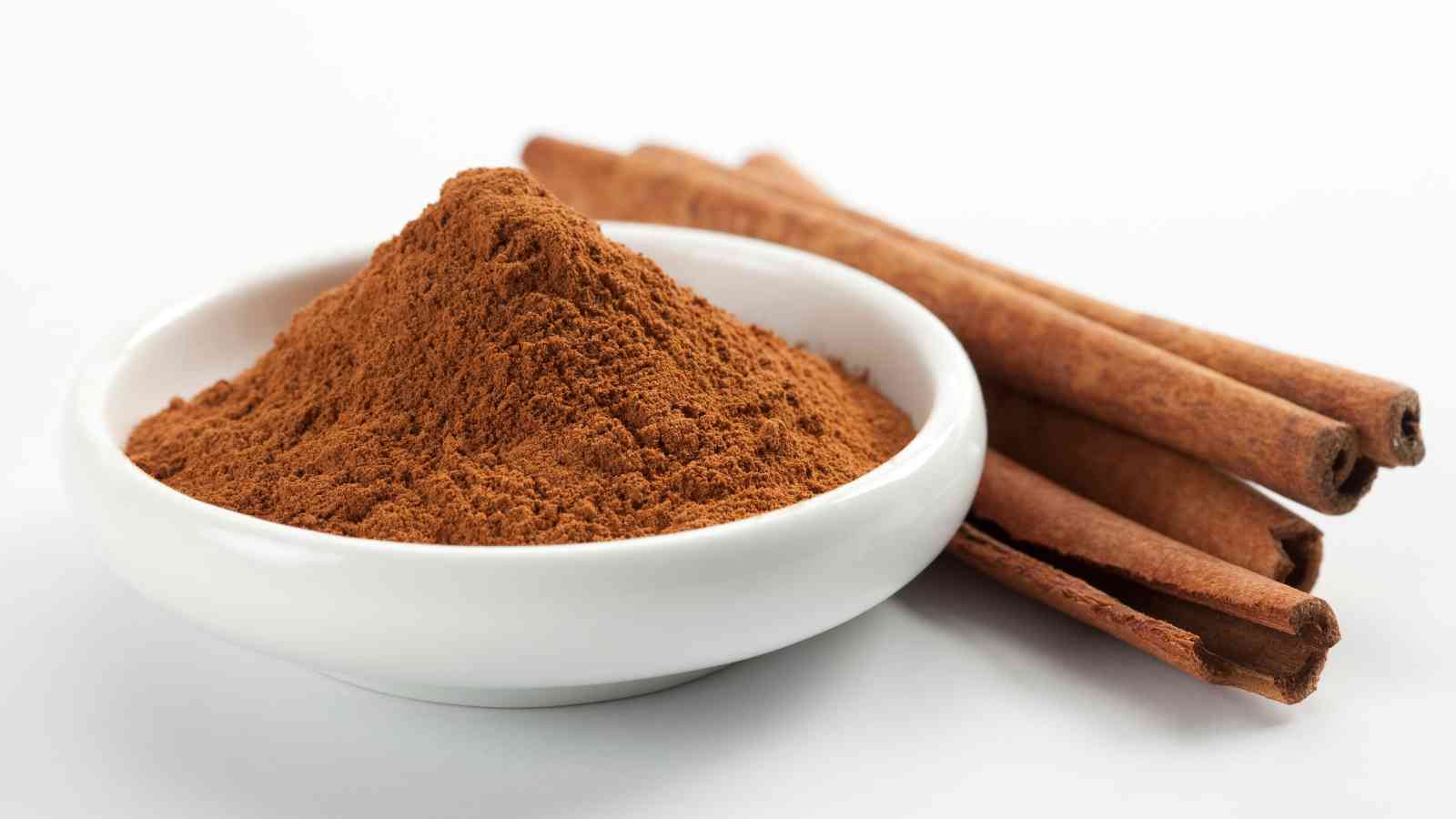
Cinnamaldehyde, the main active compound in cinnamon, has been shown to reduce inflammation and improve insulin sensitivity. It may help lower blood sugar levels by slowing carbohydrate breakdown in the digestive tract. The spice is also rich in polyphenols, which act as antioxidants in the body. Some evidence supports its use in reducing cholesterol and triglyceride levels. Cassia cinnamon is more common, but Ceylon cinnamon offers a lower coumarin content, making it a better long-term choice.
Cumin
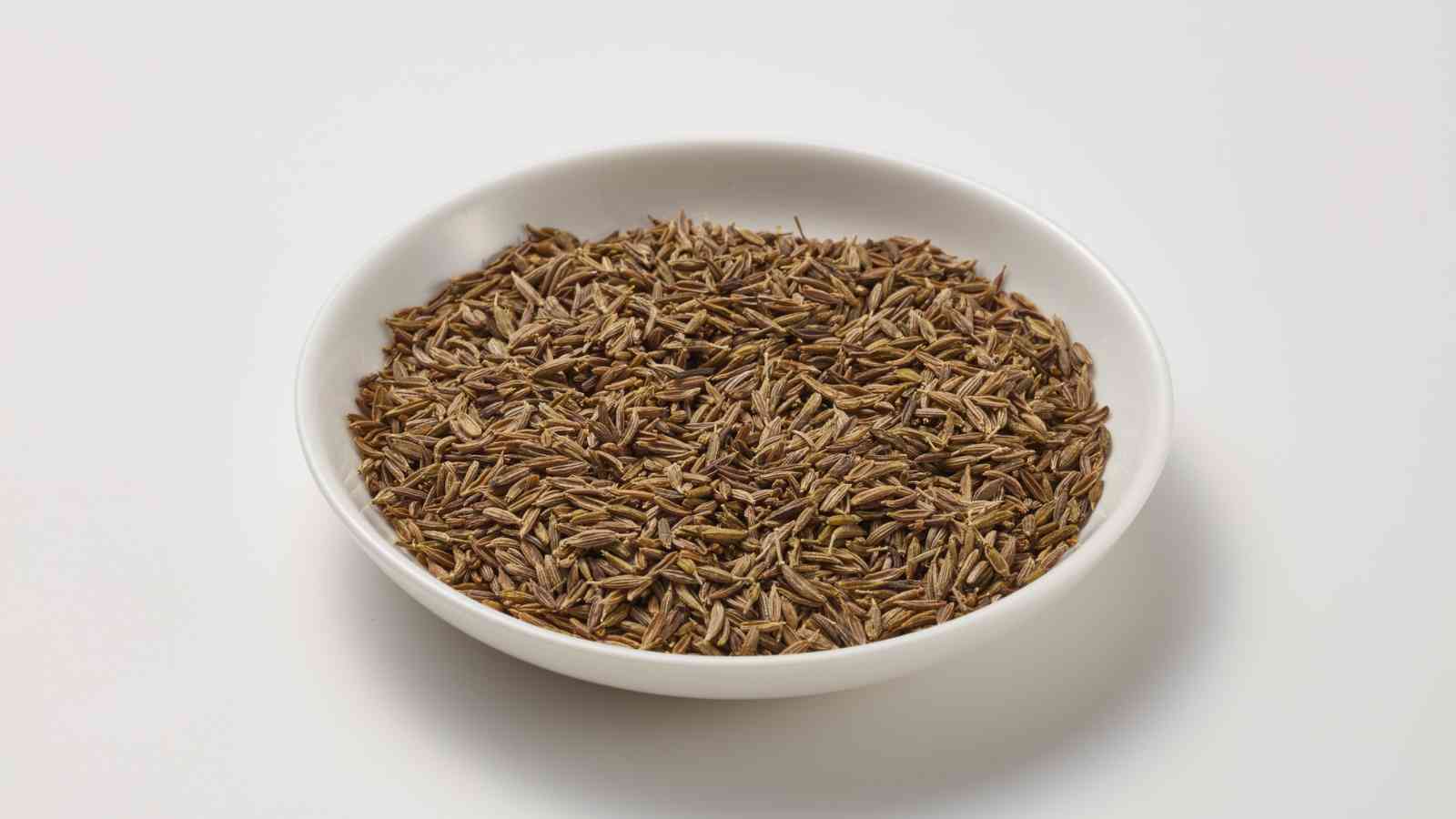
Cumin contains thymol and other essential oils that stimulate digestive enzymes and promote nutrient absorption. It offers iron and manganese, both important for energy metabolism and antioxidant defense. Studies suggest cumin may aid in weight loss and fat reduction when used regularly. It has also been associated with antimicrobial effects, especially in food preservation. The earthy, intense flavor masks its powerful health-promoting properties.
Jalapeños
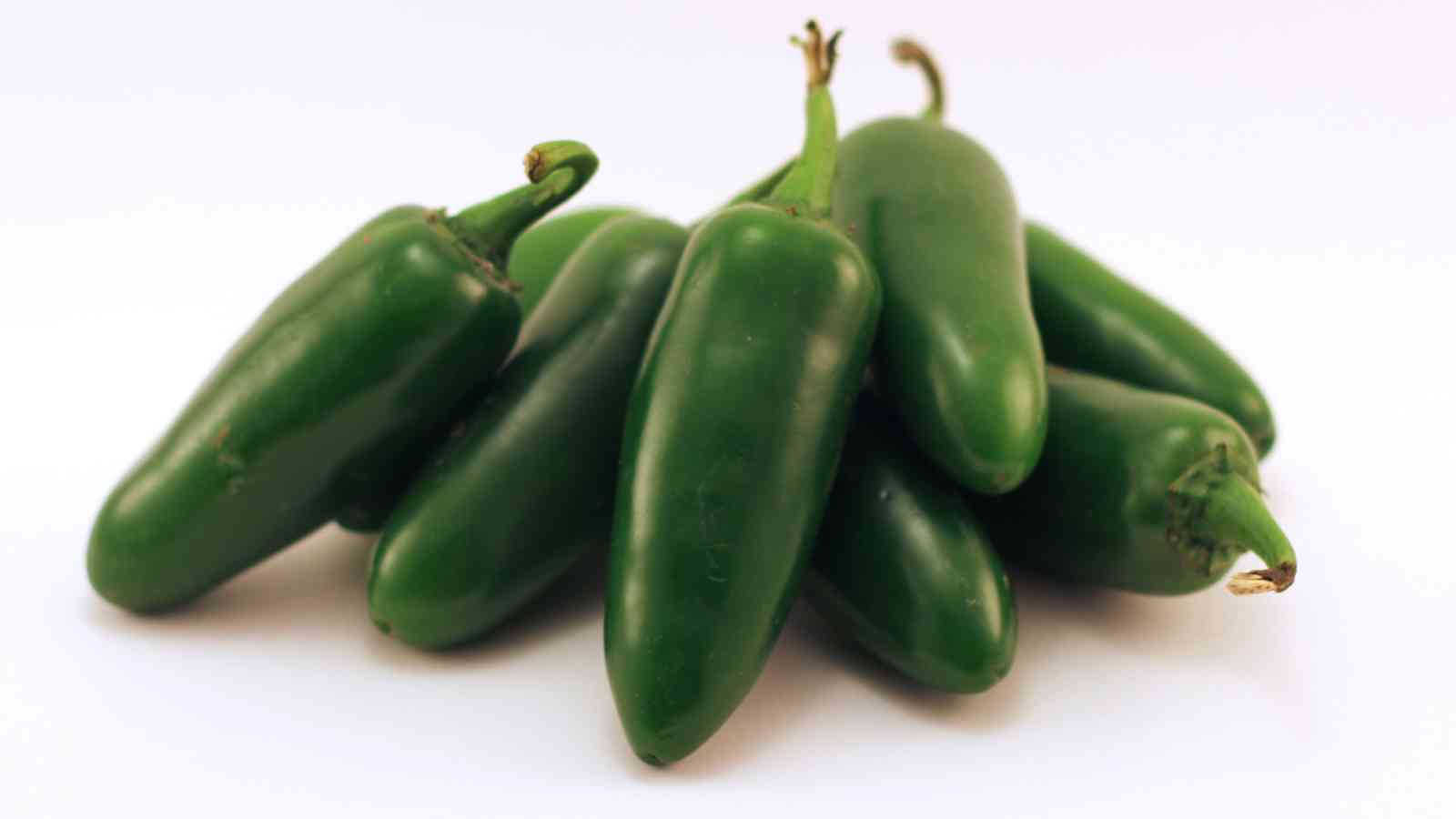
Capsaicin in jalapeños can promote thermogenesis and temporarily raise metabolic rate. They contain vitamin C, which aids in immune function and tissue repair. Jalapeños also offer vitamin A in the form of beta-carotene, beneficial for skin and eye health. Their anti-inflammatory effects may help reduce the risk of chronic diseases. The pungent heat makes it easier to eat less without sacrificing flavor.
Cilantro

Cilantro is rich in antioxidants and has been linked to detoxifying heavy metals like lead and mercury. It also contains vitamins A and K, which support vision and blood clotting, respectively. Its essential oils have antimicrobial properties against certain bacteria and fungi. Some animal studies suggest it may help regulate blood sugar and lipid levels. Fresh cilantro enhances meals while offering subtle but broad health benefits.
Kefir

Kefir is a fermented dairy drink full of diverse probiotic strains that support gut health and immune function. It contains calcium, phosphorus, and vitamin D, all crucial for bone health. The fermentation process breaks down lactose, making it easier to digest than regular milk. It may also reduce inflammation and improve allergy symptoms due to its immune-modulating properties. Regular consumption can support a healthy microbiome, which influences mood and metabolism.
Sardines

Sardines are one of the best sources of omega-3 fatty acids, known to support heart and brain health. They also provide vitamin D, calcium, and phosphorus, promoting strong bones and immune balance. Their low position on the food chain means they accumulate fewer toxins like mercury. Sardines are high in protein, making them a nutrient-dense option for muscle maintenance. The bold, salty flavor matches their dense nutritional content.
Radishes
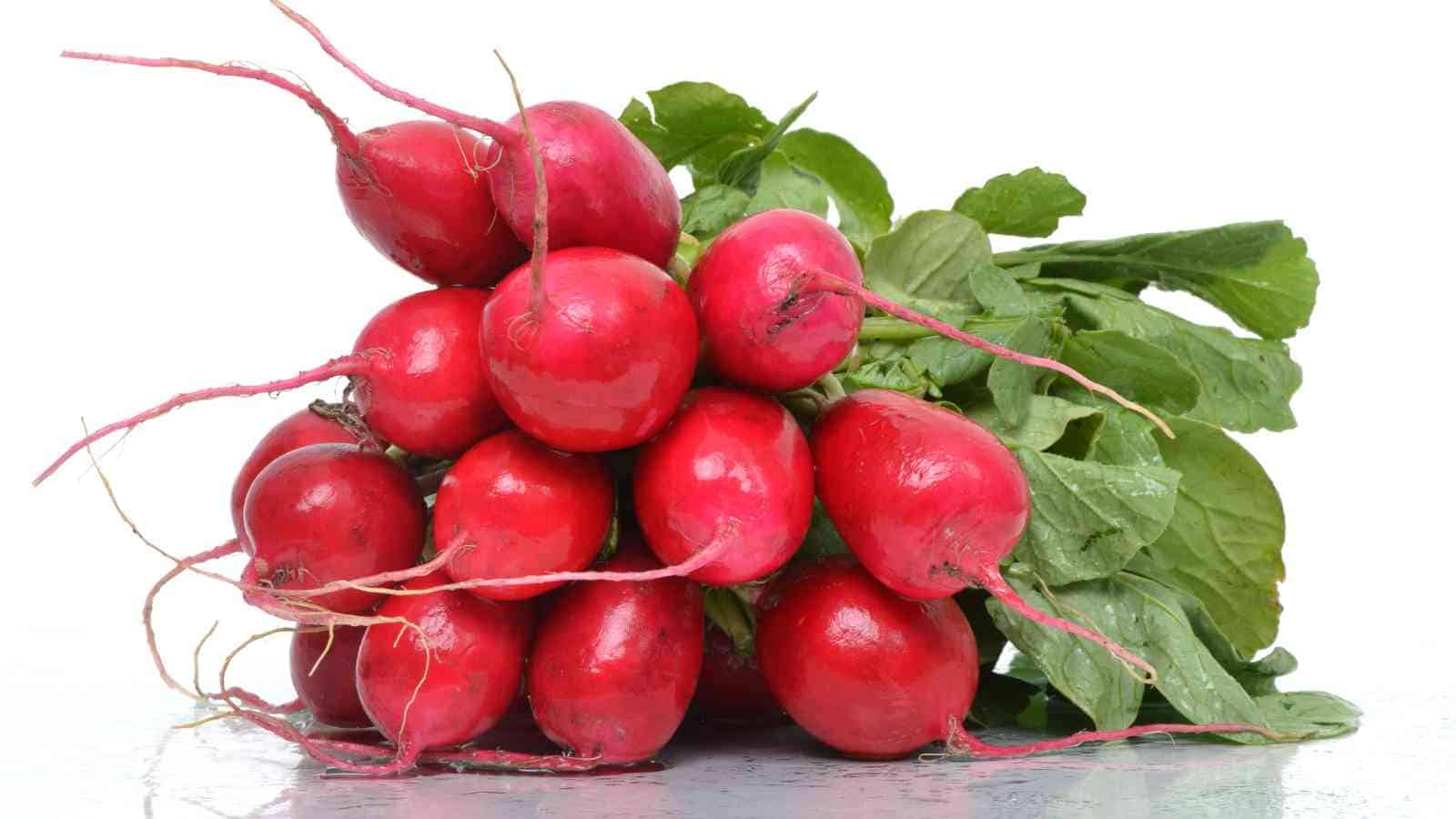
Radishes contain compounds like glucosinolates and anthocyanins that may help prevent oxidative stress and inflammation. They’re high in water and fiber, supporting digestion and hydration. The sharp, peppery flavor comes from isothiocyanates, which have detoxifying effects. Rich in vitamin C, radishes contribute to immune defense and skin health. Their crunchy texture also promotes satiety and healthy snacking.
Wasabi

Authentic wasabi contains isothiocyanates, which may provide antibacterial and anti-inflammatory benefits. These compounds have shown potential in protecting cells from oxidative damage. Wasabi can stimulate sinus drainage and support respiratory health due to its pungent volatile compounds. Some findings suggest it may inhibit platelet aggregation, supporting healthy blood flow. Its spiciness offers functional benefits beyond just flavor.
Miso
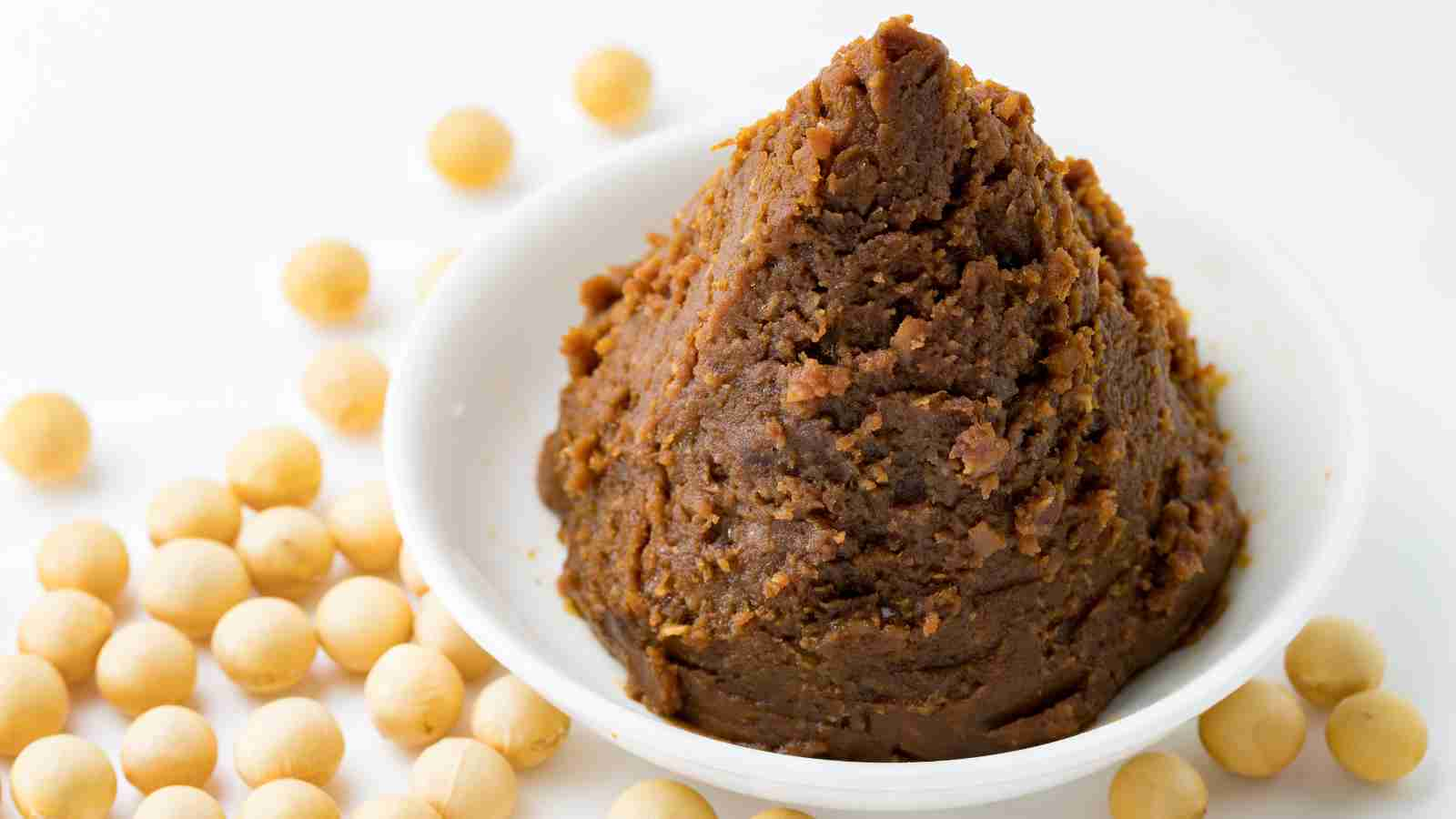
Fermented soybeans in miso offer probiotics that support digestion and gut flora balance. It also provides essential minerals like zinc, copper, and manganese. Miso is a complete protein source when combined with grains, supporting muscle and tissue repair. The fermentation process creates unique bioactive compounds that may have protective cardiovascular effects. It’s often consumed in small portions, yet contributes significantly to health through its nutrient density.
Curry Leaves

Curry leaves contain carbazole alkaloids, which show strong antioxidant and antimicrobial activity. They’re rich in iron, calcium, and vitamin A, all supporting major body functions like vision, blood production, and immunity. Traditionally used in Ayurveda to support liver health and digestion. Some findings suggest they may help regulate blood sugar levels. Their distinct flavor makes them a staple in South Indian cooking and functional meals.
Capers

Capers are rich in quercetin and rutin, two flavonoids known for their anti-inflammatory and blood vessel-protective properties. They are also a source of sodium, which can enhance electrolyte balance in small amounts. Pickled capers retain antioxidants despite processing. Their tangy, briny flavor can add depth without excess calories or fat. Capers also offer trace minerals like iron and copper.
Anchovies
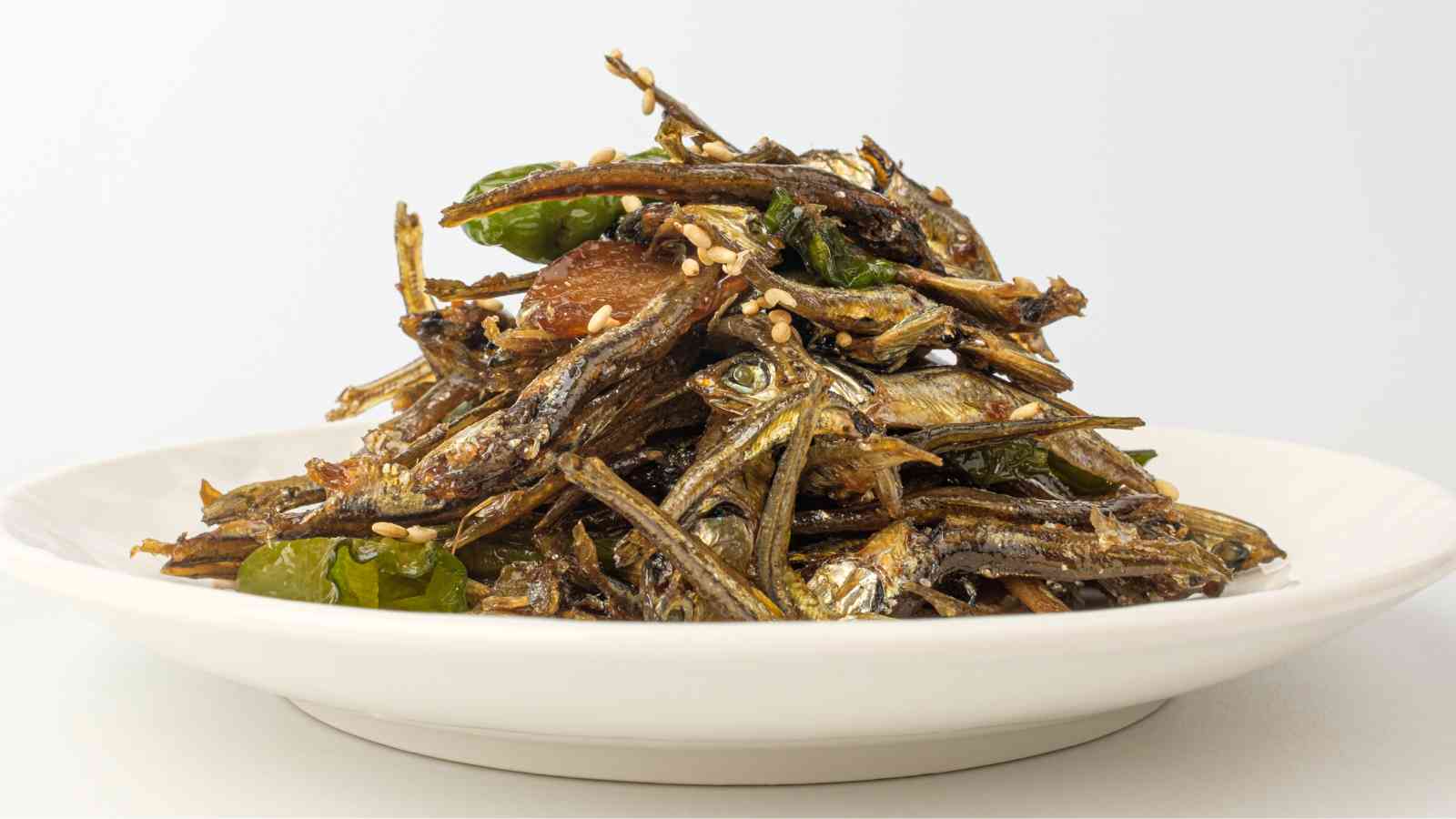
Anchovies are dense in omega-3 fatty acids and also provide selenium, supporting thyroid function and antioxidant protection. They’re an excellent source of B vitamins, especially niacin and B12, which help convert food into energy. Their high calcium and phosphorus content supports bone strength. Anchovies offer protein with minimal carbohydrates, ideal for muscle repair and metabolic support. Their strong taste reflects their high nutritional value.
Sambal Oelek
Made from ground chilies, vinegar, and salt, sambal oelek is rich in capsaicin, known for metabolism-boosting effects. Its acidity also supports digestion by stimulating stomach acid production. The minimal processing keeps its vitamin C and carotenoid content relatively intact. Capsaicin may help reduce appetite and inflammation in moderate amounts. Used in many Southeast Asian dishes, it adds more than just heat to a meal.
Seaweed

Seaweed is a natural source of iodine, necessary for proper thyroid hormone production. It’s also high in fiber and polysaccharides that support gut health and immune function. Seaweed varieties like nori and wakame contain antioxidants that may help protect cells from damage. They also provide magnesium, calcium, and omega-3 fats. Its umami flavor makes it a nutrient-rich seasoning and snack.
Natto

Natto contains nattokinase, an enzyme that supports healthy blood clotting and may improve circulation. It’s also one of the best plant-based sources of vitamin K2, which aids calcium absorption and bone strength. As a fermented food, it promotes a healthy microbiome. Rich in protein and fiber, natto helps with muscle repair and satiety. Its strong flavor and sticky texture are balanced by significant health-promoting qualities.
12 Foods That Can Help Reset Your Appetite After Overeating

Instead of skipping meals or going into “reset” panic mode, the smarter move is to reach for foods that naturally help your body find its rhythm again. Here are 12 foods that help reset your appetite and support your body after you’ve gone all in on a big meal. Certain ingredients can calm your system, steady your appetite, and get your energy back where it needs to be.
17 Things to Eat First Thing in the Morning (That Aren’t Toast or Cereal)

These 17 options are far from boring and way more nutritious than a slice of toast or a sugar-filled bowl of cereal. Some are grab-and-go, others take five minutes, but all give your body a boost. From high-protein picks to fiber-packed bites, here’s what to eat when you’re trying to actually start your day right.

Tamara Tsaturyan is the owner and writer of Thriving In Parenting, a website focused on providing simple tips for busy parents — easy and healthy recipes, home decor and organization ideas and all things P A R E N T I N G.

Share Your Thoughts!
I love to know your thoughts, make sure to comment below to start a discussion! You can also follow me on your favorite social network below.