As everyday expenses continue to climb, more people are rethinking how they spend their money and cutting out things that no longer offer real value. Instead of going without, many are finding cheaper, smarter alternatives that help stretch their budgets without sacrificing convenience or quality. From swapping bottled water for filtered tap to skipping flashy subscription boxes, small changes are adding up in meaningful ways. The shift isn’t just about saving money—it’s also tied to sustainability, practicality, and a growing awareness of how easy it is to overspend on things that seem essential but aren’t. Here are 15 things people are finally ditching to take back control of their spending. With rising costs of living and financial pressure becoming more common, households are choosing to prioritize long-term value over impulse or habit.

Bottled Water

Purchasing bottled water regularly adds up quickly, especially when tap water is often just as safe to drink. Many municipalities offer water that meets strict safety standards, and affordable filters can improve taste and purity at home. Reusable bottles made of stainless steel or BPA-free plastic reduce waste and lower long-term costs. Bottled water also contributes significantly to plastic pollution, with millions of bottles discarded daily. Switching to filtered tap water not only saves money but also benefits environmental sustainability.
Cable TV
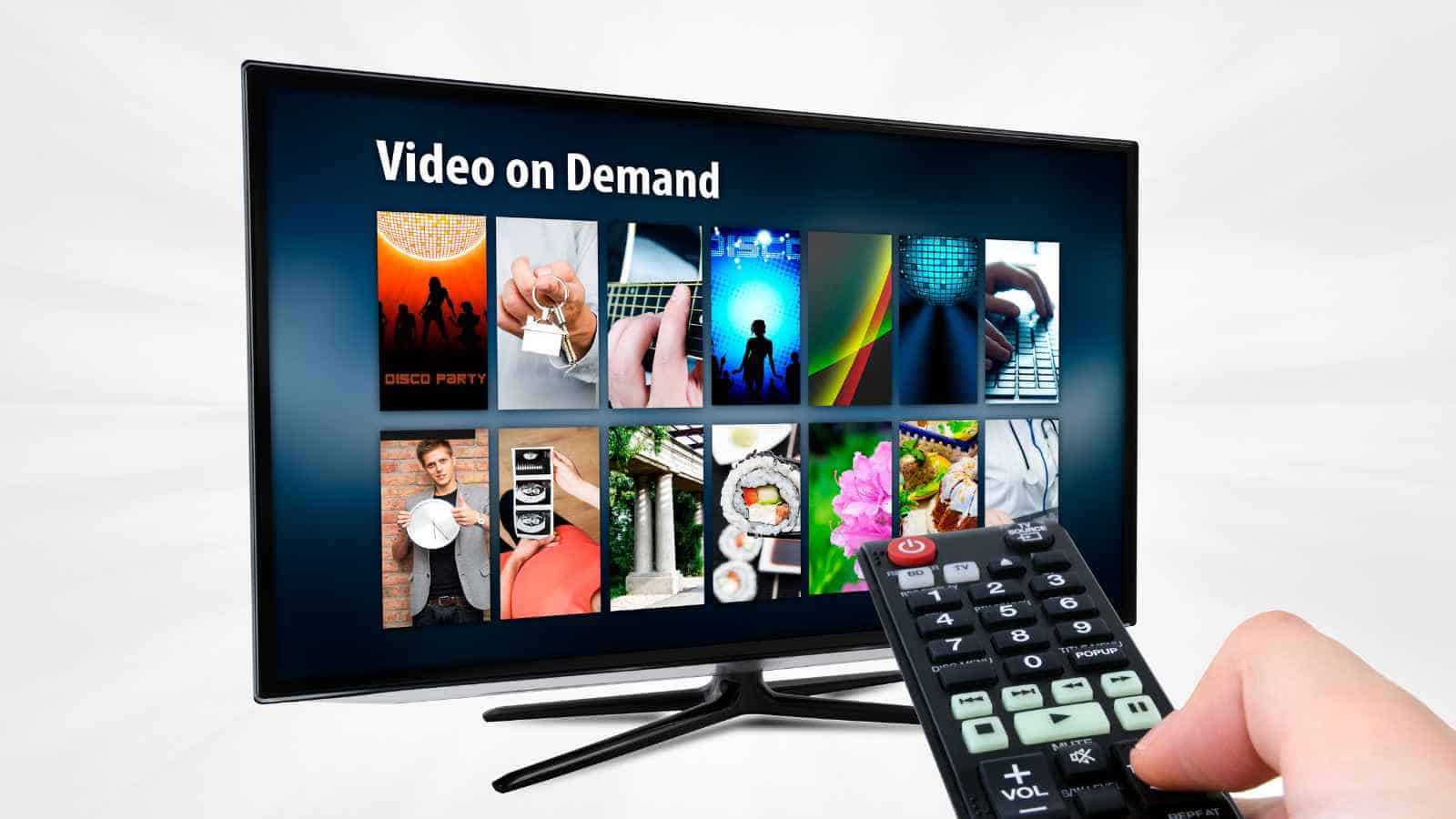
Traditional cable subscriptions can cost over $100 per month, while streaming platforms offer more flexible and cheaper options. Many viewers are replacing cable with services like Netflix, Hulu, and free content on YouTube. These alternatives often provide on-demand viewing without lengthy contracts or equipment rental fees. Some even use digital antennas for free access to local broadcast channels. Cutting cable helps households trim one of their most expensive monthly bills without sacrificing entertainment.
Daily Coffee Shop Runs
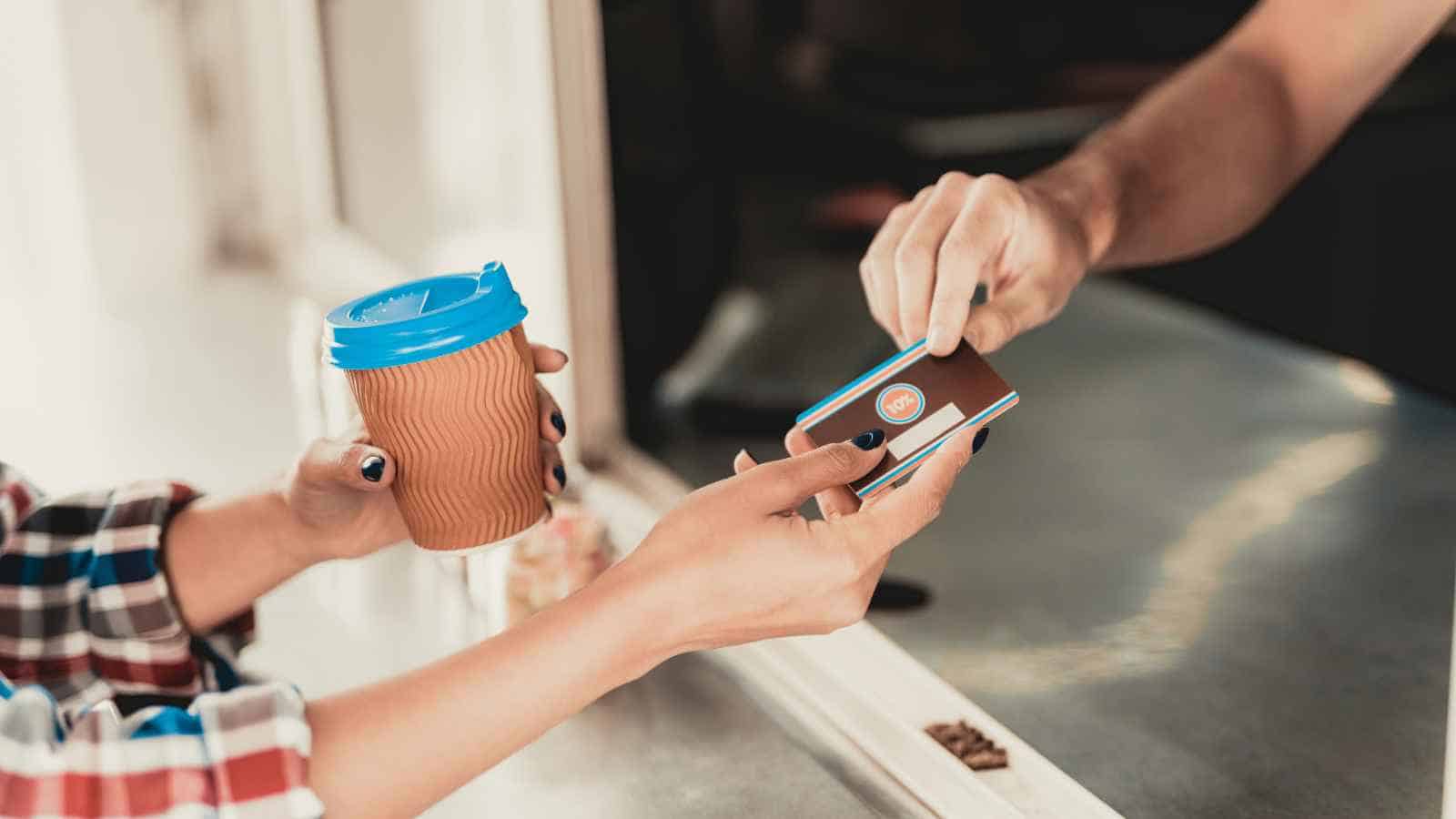
A daily coffee habit can exceed $1,500 annually if spent at coffee shops. More people are investing in at-home coffee setups like French presses, drip brewers, or espresso machines. Making coffee at home offers full control over ingredients and brew strength while cutting costs dramatically. Many quality machines pay for themselves in just a few months of use. For budget-conscious consumers, home brewing is becoming a practical replacement for frequent café visits.
Brand-Name Cleaning Products
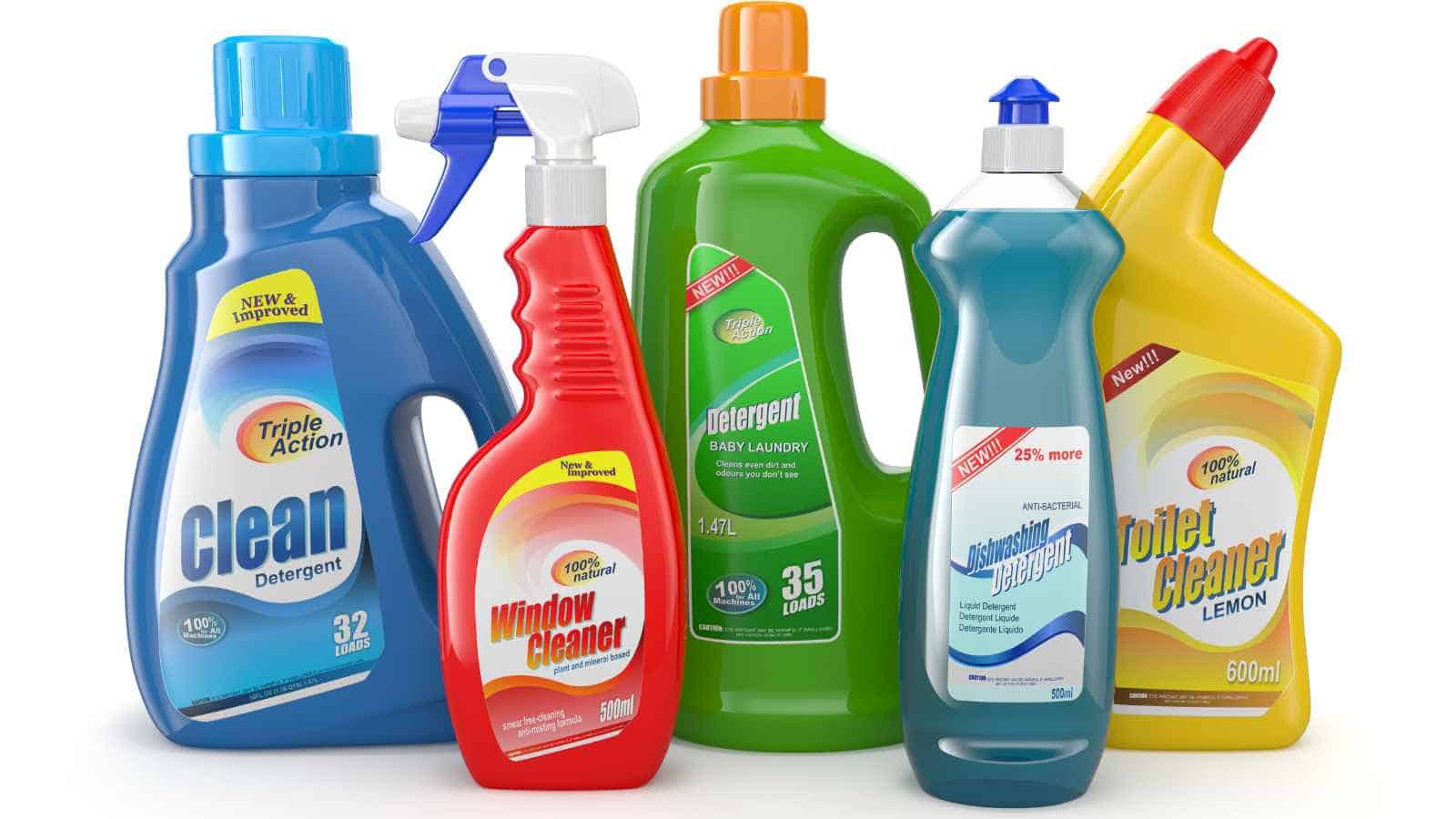
Generic cleaners and homemade mixtures are proving just as effective as their expensive brand-name counterparts. Common household items like vinegar, baking soda, and lemon juice can tackle many cleaning tasks for a fraction of the cost. Supermarkets and dollar stores offer no-name products that clean just as well at a lower price. Marketing often drives the perception that brand names are superior, but lab tests frequently show little difference in performance. Savvy consumers are opting for budget-friendly alternatives that still get the job done.
Gym Memberships

With monthly fees ranging from $30 to $100, gyms are one of the first cuts when tightening budgets. Free online workouts, fitness apps, and YouTube channels offer guided routines for all fitness levels. Some people are building low-cost home gyms with resistance bands, yoga mats, or secondhand weights. Walking, running, and community fitness groups also provide exercise options without recurring fees. The shift to at-home fitness allows people to stay active without straining their wallets.
Pre-Cut Produce

Buying pre-sliced fruits and vegetables can cost up to three times more than whole produce. Consumers are increasingly choosing to prep their own food at home, trading a bit of time for major savings. Pre-cut items also spoil faster due to exposure and packaging methods, leading to more food waste. Whole produce often lasts longer and provides more flexibility in meal planning. For those looking to save on groceries, skipping pre-cut options makes a noticeable difference.
Single-Use Kitchen Gadgets
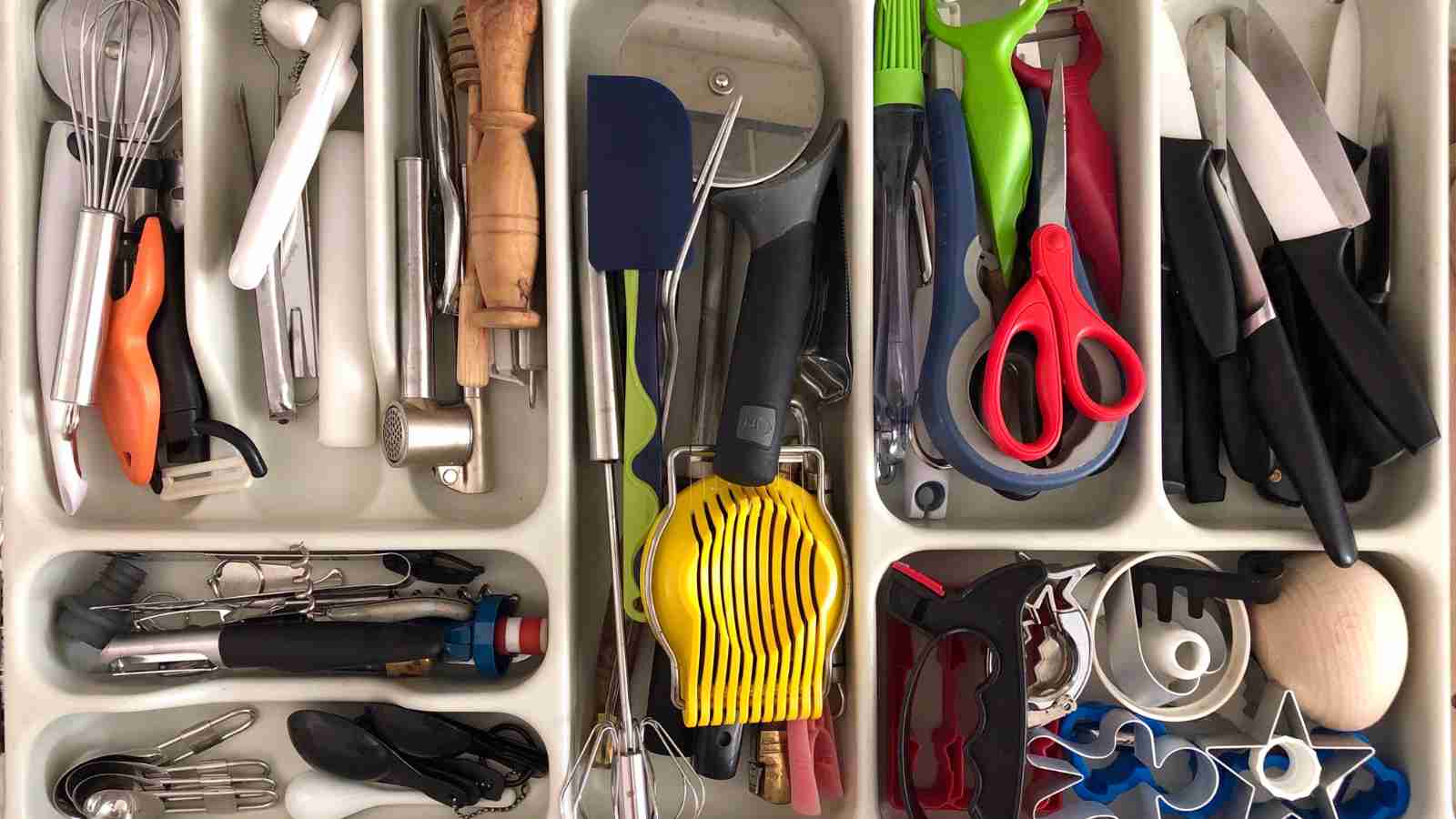
Items like banana slicers and avocado pitters often end up cluttering drawers and rarely justify their cost. Most kitchen tasks can be accomplished with a good-quality knife and basic utensils. These single-use gadgets are marketed for convenience but offer limited versatility. Over time, they take up space without delivering long-term value. More people are realizing that multipurpose tools serve their kitchens better and cost less overall.
Subscription Boxes

While subscription boxes offer convenience and novelty, many go unused or fail to match personal preferences. Monthly deliveries for beauty products, snacks, or books can quickly add up to hundreds annually. The surprise element often results in receiving items that are duplicated, unwanted, or low in value. As financial awareness grows, consumers are canceling these recurring expenses in favor of one-time, deliberate purchases. Opting out of subscription boxes frees up budget space without major lifestyle changes.
Trendy Home Decor

Seasonal or themed decor may look stylish temporarily, but it often becomes outdated within months. Consumers are shifting toward timeless designs and versatile pieces that work year-round. Constant redecorating is costly and creates waste when items fall out of fashion. Minimalist interiors and neutral palettes are now preferred for their longevity and flexibility. Reducing spending on fleeting trends helps households maintain a polished look without frequent purchases.
Fancy Pet Accessories

Designer collars, costumes, and plush beds are losing popularity among cost-conscious pet owners. Most pets are content with basic, functional supplies that meet their needs. High-end pet items often serve the owner’s aesthetic rather than improving the animal’s well-being. Durable, affordable options from local pet stores or online retailers are just as effective. Simplifying pet gear is one way families are cutting down on unnecessary spending.
Greeting Cards
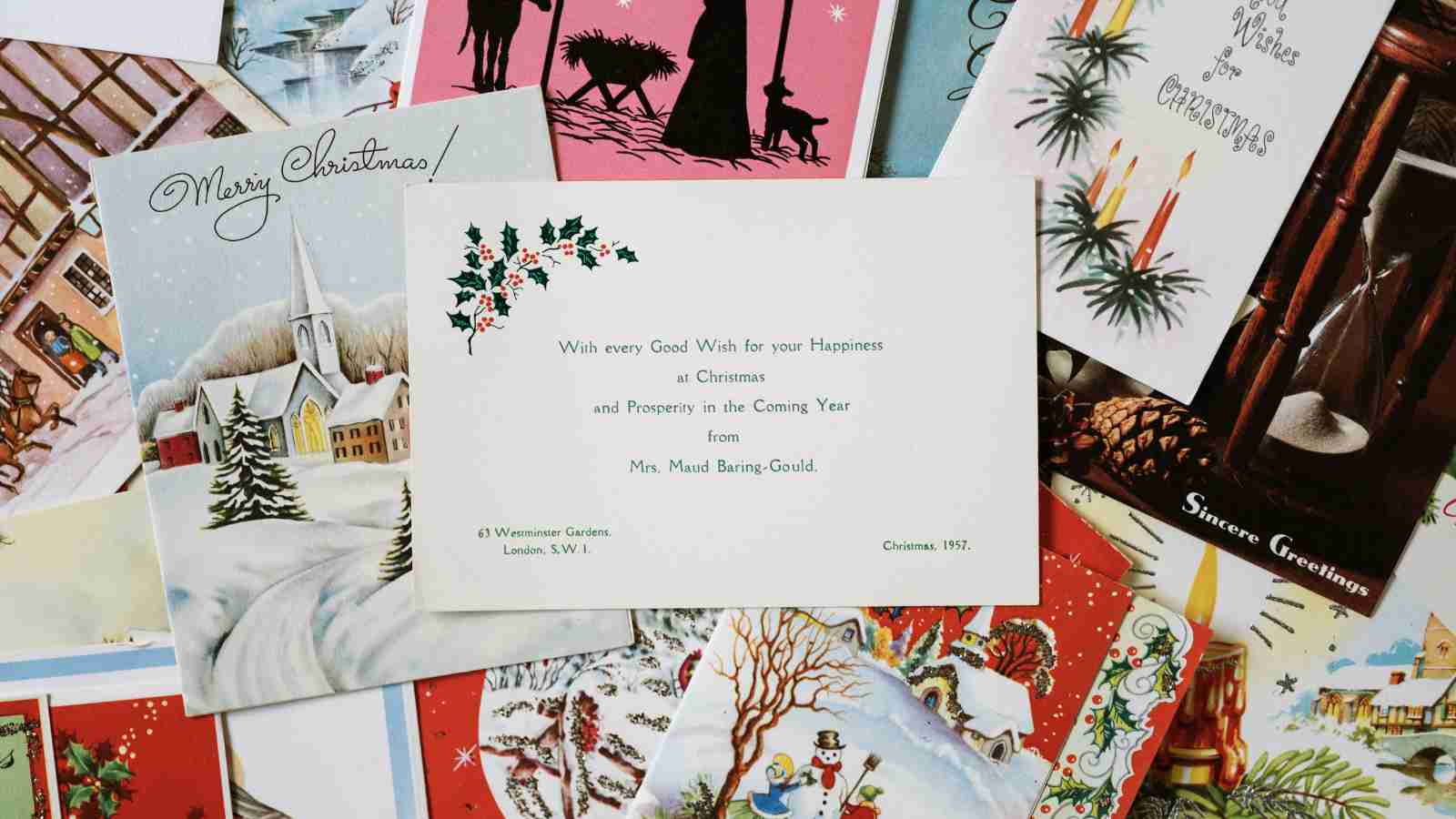
Physical greeting cards now cost between $5 and $10, making them an easy target for budget cuts. Many are turning to digital alternatives like e-cards, personalized messages, or homemade notes. These options carry the same sentiment without the added cost. Printing and postage expenses also contribute to the financial and environmental impact of traditional cards. As a result, personal but low-cost expressions are becoming the new norm.
Extended Warranties
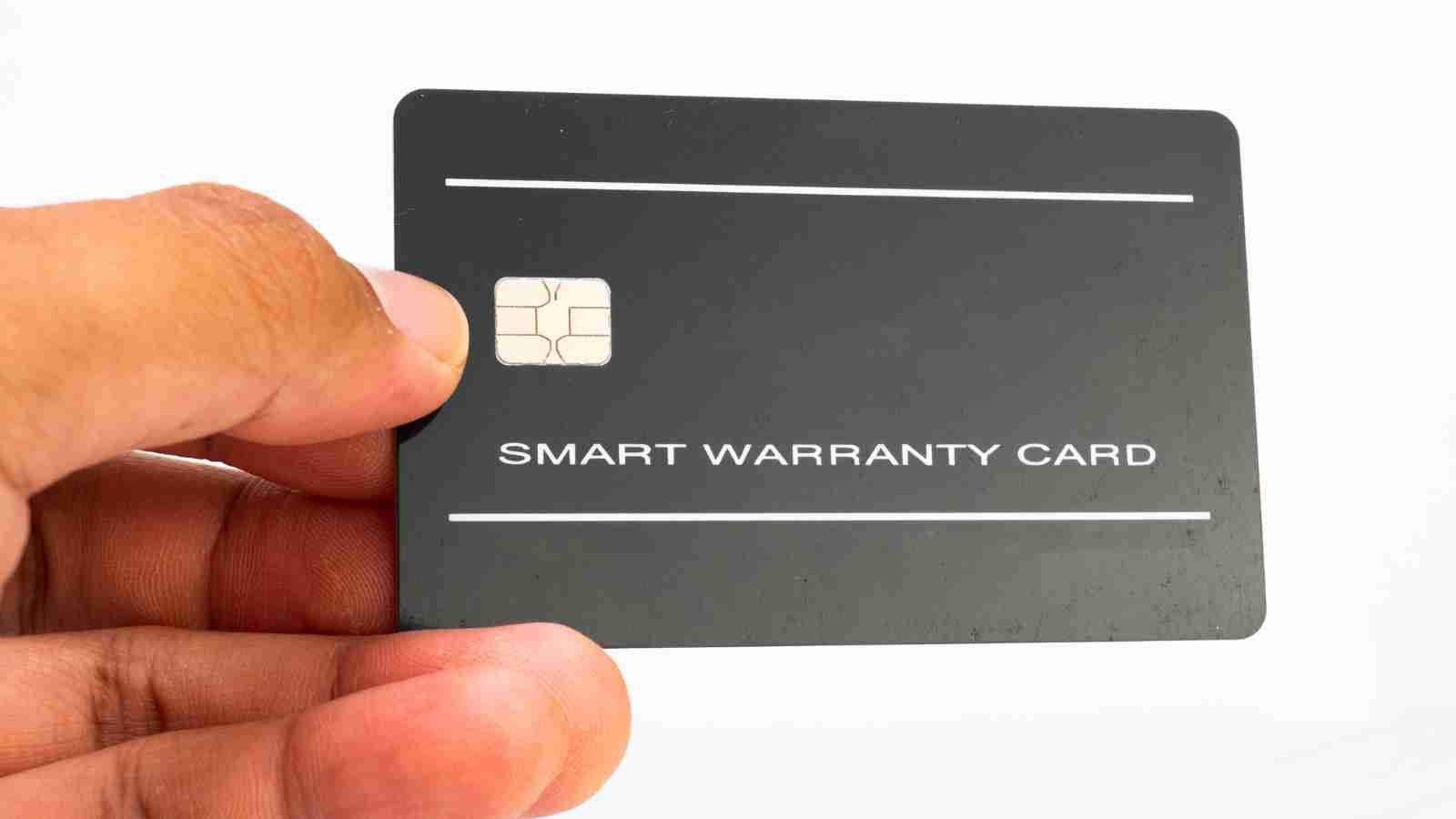
Retailers often push extended warranties as essential, but many consumers never use them. Basic manufacturer warranties already cover most defects within the first year. Additionally, credit cards frequently include purchase protection or extended warranty coverage at no extra charge. Paying upfront for redundant protection adds to the cost without added benefit. People are starting to skip these upsells, focusing on understanding their default consumer rights instead.
Magazine Subscriptions

Print magazines are losing appeal as free digital content becomes more accessible and abundant. Readers can now find articles, reviews, and how-tos instantly through websites and mobile apps. Digital formats also allow for more frequent updates and interactive media. Print versions require recurring payments and take up physical space. Shifting away from subscriptions helps reduce clutter while still keeping up with the latest trends and news.
New Tech Every Year

Annual upgrades to phones, tablets, or laptops are no longer the norm as devices become more durable and powerful. Holding onto older models for longer periods saves hundreds, if not thousands, over time. Software updates often extend the usability of electronics well beyond one year. Trade-in values for older devices are also decreasing, making frequent upgrades less cost-effective. Budget-minded users are now prioritizing function over having the latest model.
Store-Bought Baked Goods – Packaged Bakery Items
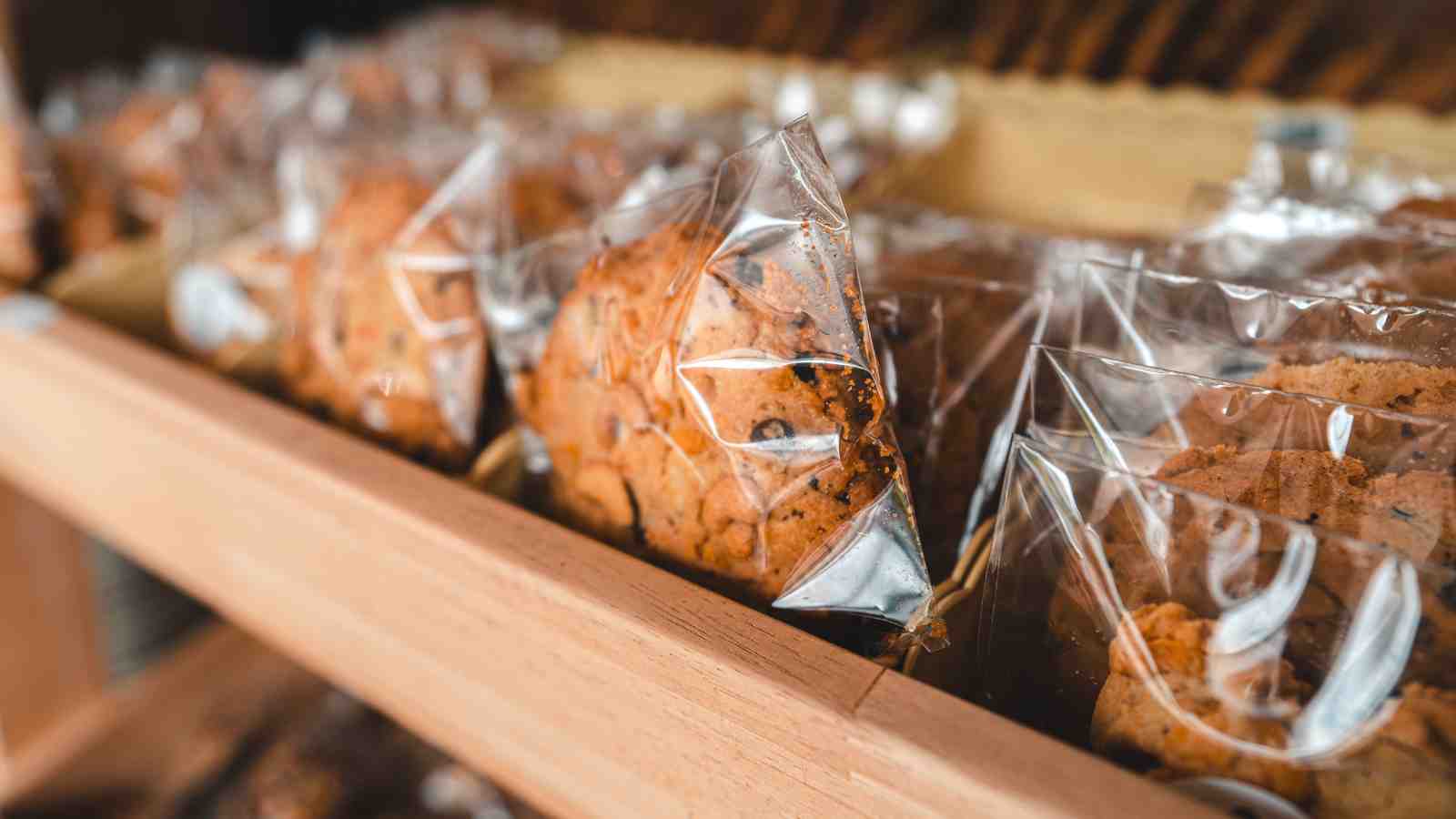
Pre-made cakes, cookies, and pastries are often priced much higher than their homemade counterparts. Baking at home allows full control over ingredients, sweetness levels, and portion sizes. The initial investment in pantry staples pays off over multiple uses. Home baking also reduces packaging waste and trips to the store. Families are rediscovering baking as a cost-effective and rewarding way to enjoy sweets.
Smart Grocery Store Hacks to Shop Healthier Without Spending More

Here are grocery hacks that aren’t just about saving a few bucks—they’re about developing habits that help you stay consistent with your health goals while being financially practical. Learn how you can shop healthier without spending more, one smart decision at a time.
10 Common Grocery Items That Are Healthier When Bought Frozen

Frozen foods often get tossed aside as inferior, even though they’re flash-frozen within hours of harvest or production—locking in nutrients that fresh sometimes leaves behind. Here are 10 grocery items that are healthier when bought frozen. You’ll avoid spoilage, skip unnecessary additives, and have ingredients that stay ready when you need them.

Tamara Tsaturyan is the owner and writer of Thriving In Parenting, a website focused on providing simple tips for busy parents — easy and healthy recipes, home decor and organization ideas and all things P A R E N T I N G.

Share Your Thoughts!
I love to know your thoughts, make sure to comment below to start a discussion! You can also follow me on your favorite social network below.