Asian food has a way of tasting like it’s been perfected over lifetimes, and in many cases, it has. Along with recipes passed from one generation to the next, the secret comes from a handful of ingredients that do a lot of heavy lifting in the flavor department. Some are fermented for months until they’re rich and complex, others are picked fresh to bring a burst of aroma, and a few have been part of everyday cooking for hundreds of years. Here are 20 of them and why they can make such a difference in your cooking. Once you have them in your kitchen, it’s hard to go back to cooking without them. Just a splash, pinch, or spoonful can turn something plain into something worth remembering. These aren’t just condiments — they’re the backbone of countless Asian dishes, each with its own story and purpose.
This post contains affiliate links. If you click the highlighted links and make a purchase, I may receive a commission at no additional cost to you.

Soy Sauce
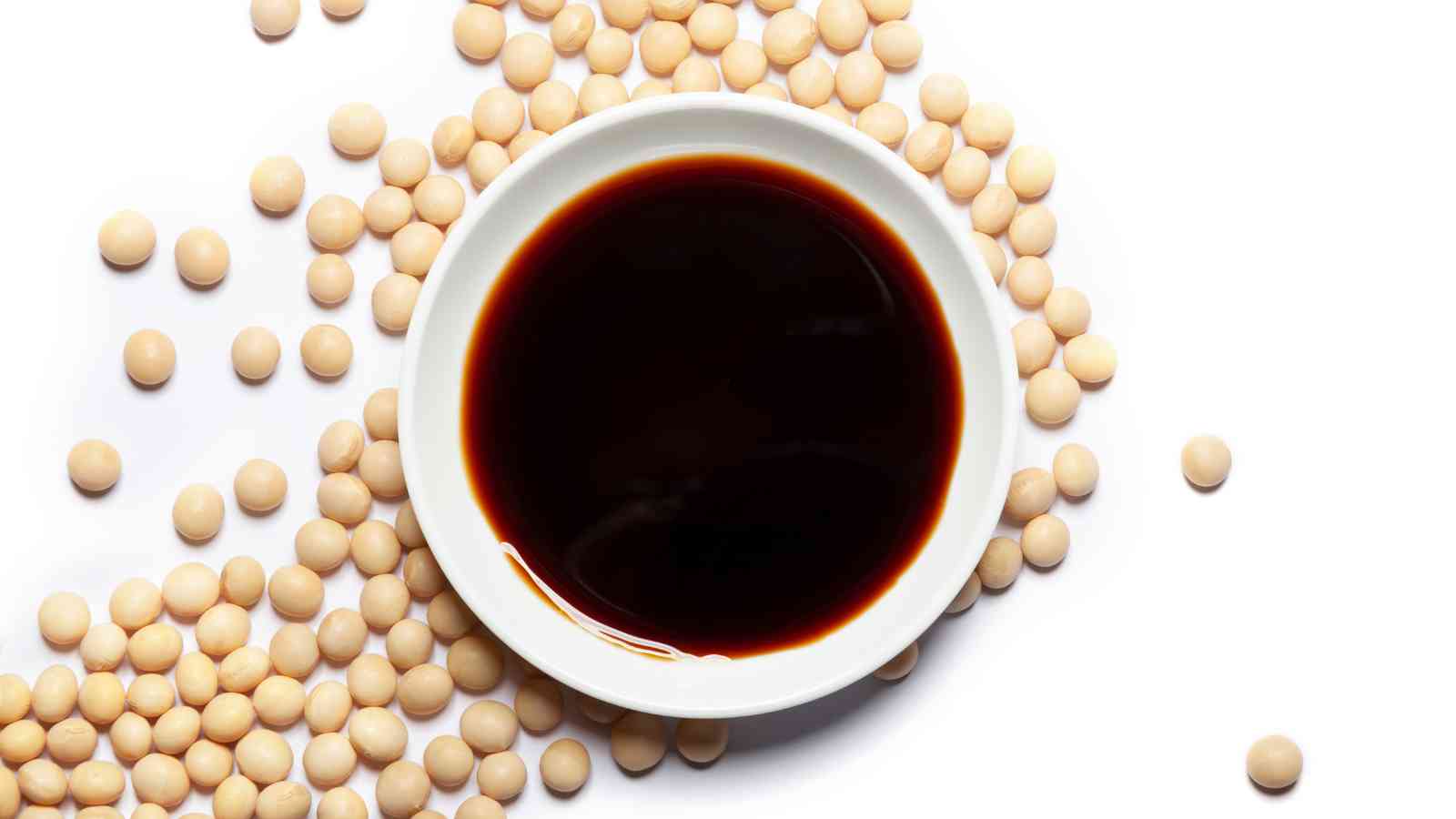
A cornerstone of Asian kitchens, soy sauce is brewed from soybeans, wheat, salt, and water, developing its savory umami depth through fermentation. Its complexity comes from natural glutamates, which enhance the flavors of meats, vegetables, and grains. Light soy sauce works best for seasoning, while dark soy sauce adds color and richness. It’s a staple in stir-fries, marinades, dipping sauces, and braising liquids. Even a small splash can balance sweetness, cut through richness, and unify all the elements of a dish.
Get This Product: Soy Sauce
Fish Sauce
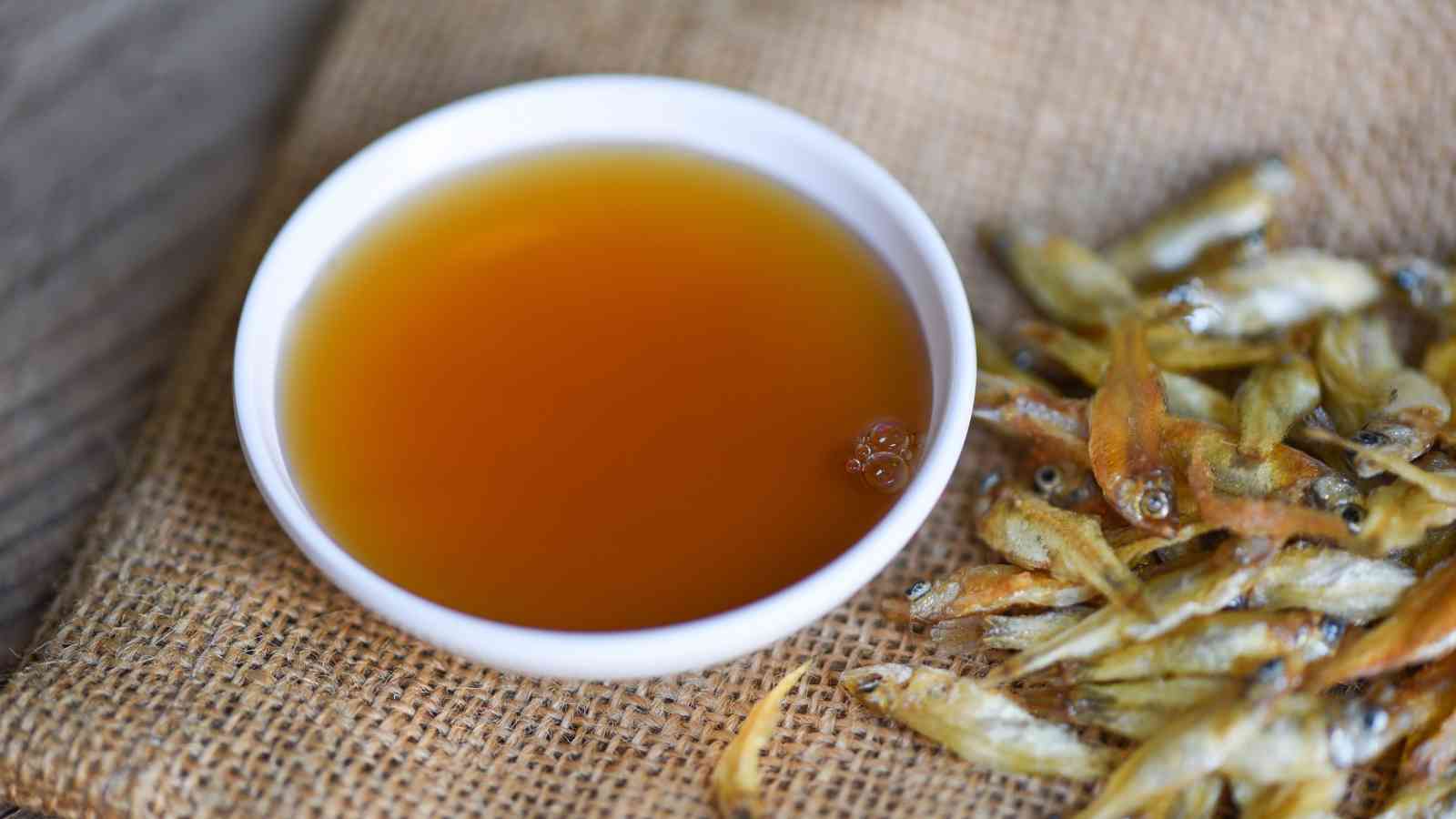
Made from fermented fish and salt, fish sauce delivers an intense umami punch and a distinct aroma that mellows when cooked. Its high nitrogen content is key to building savory depth in Southeast Asian cuisine. Just a teaspoon can amplify the flavors of soups, curries, grilled meats, and dressings. In dishes like Vietnamese pho or Thai papaya salad, it acts as a bridge between salty, sweet, sour, and spicy notes. The longer it ferments, the richer and more complex its taste becomes.
Get This Product: Fish Sauce
Miso Paste

Originating from Japan, miso paste is made by fermenting soybeans with salt and koji, sometimes blended with rice or barley. Its flavor ranges from mild and sweet (white miso) to bold and salty (red miso). Miso enriches soups, dressings, marinades, and even desserts like miso caramel. Its fermentation process produces probiotics that contribute to gut health while enhancing the dish’s overall depth. A spoonful stirred into broth can add a comforting, savory warmth in seconds.
Get This Product: Miso Paste
Oyster Sauce
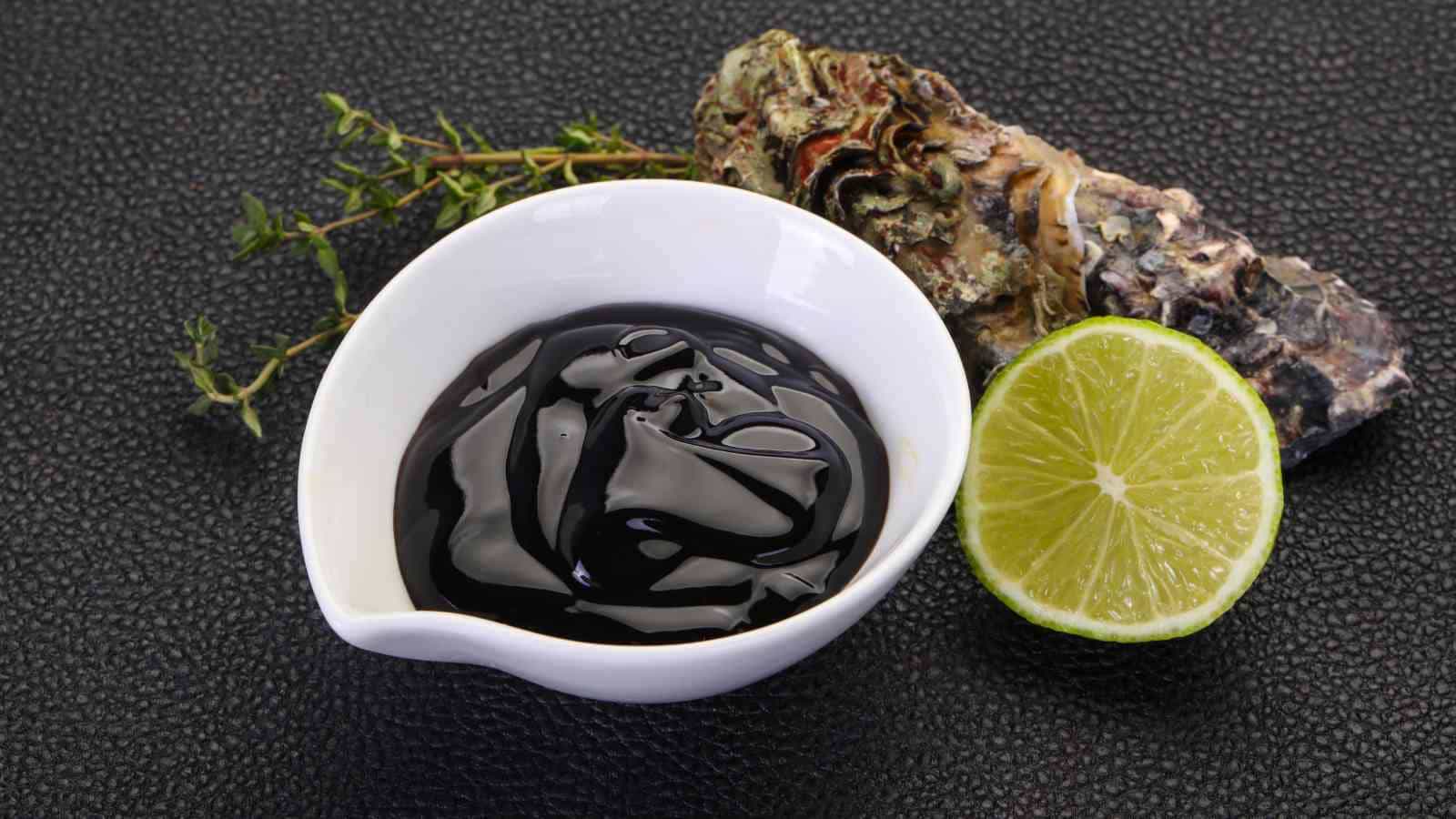
Born in 19th-century China, oyster sauce is created by reducing oyster extracts until they form a thick, glossy, caramel-brown condiment. It’s both savory and slightly sweet, making it perfect for quick vegetable stir-fries or drizzling over steamed greens. Its viscosity helps sauces cling beautifully to meats and noodles. The umami-rich base complements beef, chicken, seafood, and tofu alike. It also enhances braised dishes, lending a satisfying, layered flavor without overpowering the other ingredients.
Get This Product: Oyster Sauce
Rice Vinegar
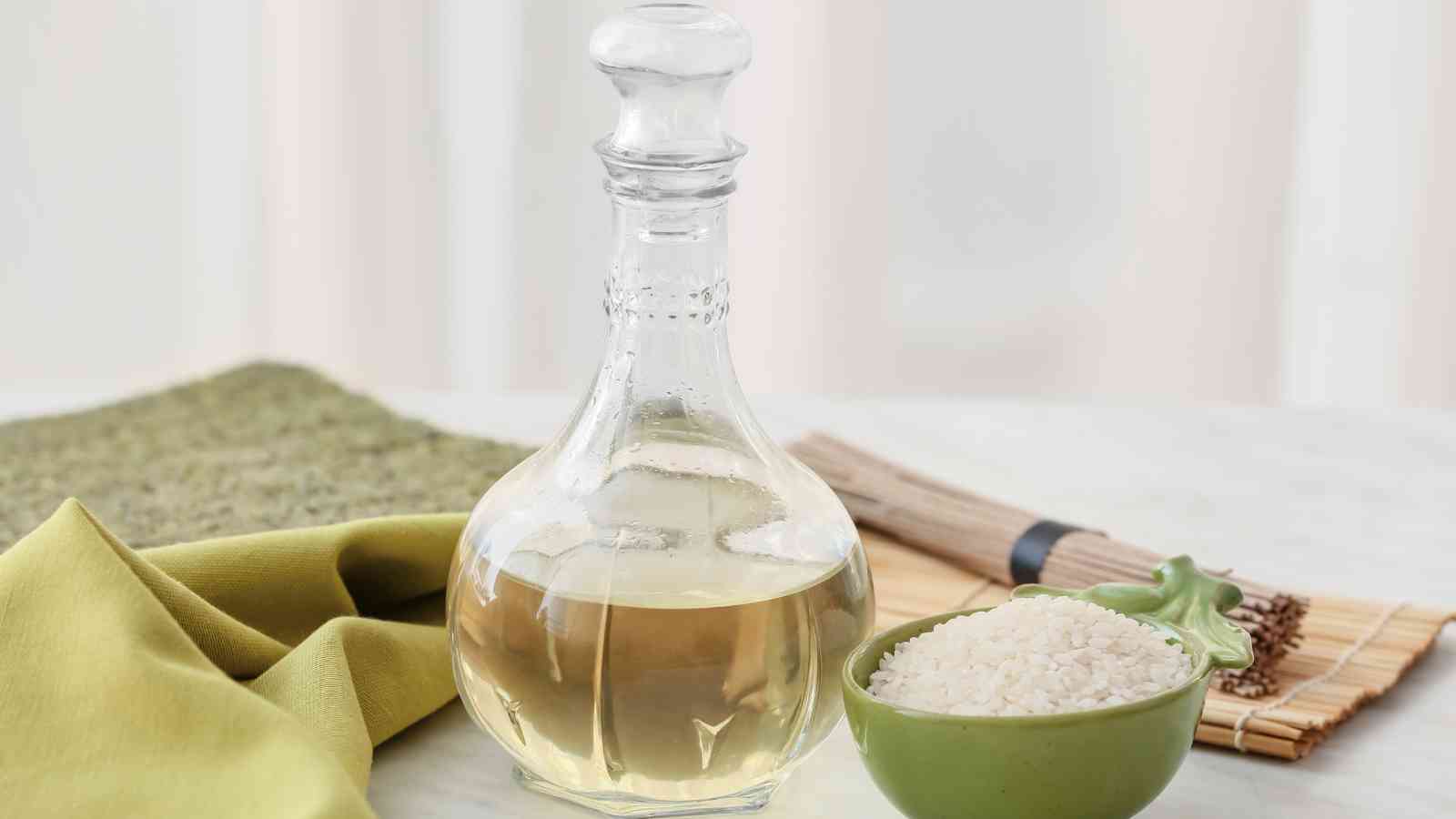
Brewed from fermented rice, rice vinegar offers a milder acidity than most Western vinegars, making it ideal for delicate dishes. Its subtle tang works perfectly in sushi rice, light salad dressings, and pickled vegetables. In Japanese cooking, seasoned rice vinegar blends sweetness with salt for balanced flavor. It also tempers richness in fried foods and creamy sauces. Because it’s gentle, it allows other ingredients to shine while still brightening the overall dish.
Get This Product: Rice Vinegar
Sriracha
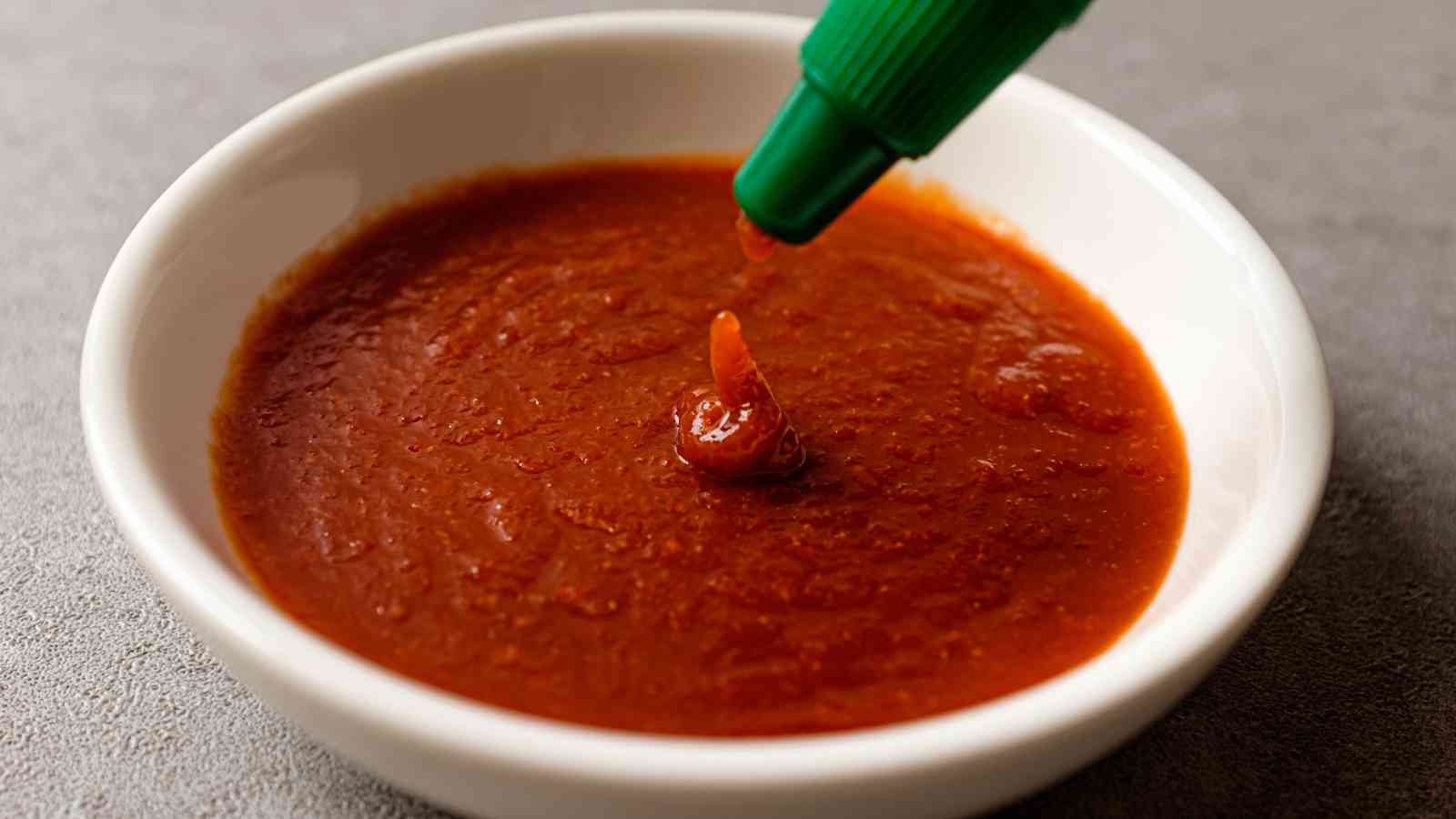
Crafted from chili peppers, vinegar, garlic, sugar, and salt, Sriracha has a balanced profile of heat, sweetness, and tang. Originally from Thailand, it’s now beloved worldwide for adding instant character to everything from noodle bowls to scrambled eggs. Its smooth consistency makes it easy to drizzle, mix, or stir into sauces. A squirt in marinades or soups can deepen the spice level without overpowering the dish. The chili-garlic combination also adds a lingering warmth that keeps flavors alive bite after bite.
Get This Product: Sriracha
Sesame Oil
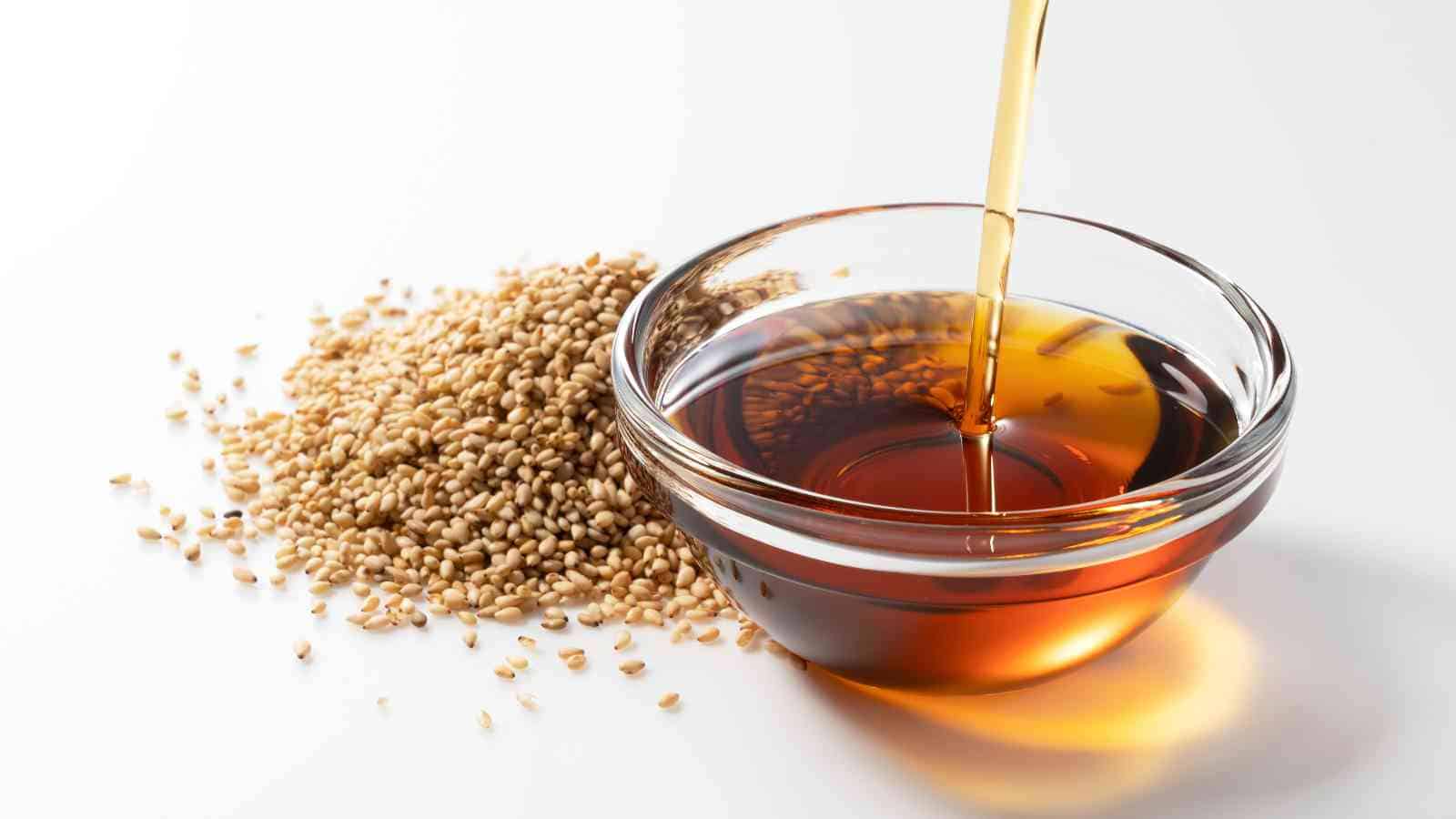
Cold-pressed from toasted sesame seeds, sesame oil is intensely aromatic and rich. Its nutty fragrance is so strong that just a few drops can transform a dish. Best used as a finishing oil rather than for cooking, it complements stir-fried vegetables, noodles, dumplings, and even salads. In Korean bibimbap or Chinese cold noodle dishes, it adds a signature earthiness. Heat dulls its aroma, so it’s usually drizzled in at the end for maximum impact.
Get This Product: Sesame Oil
Hoisin Sauce
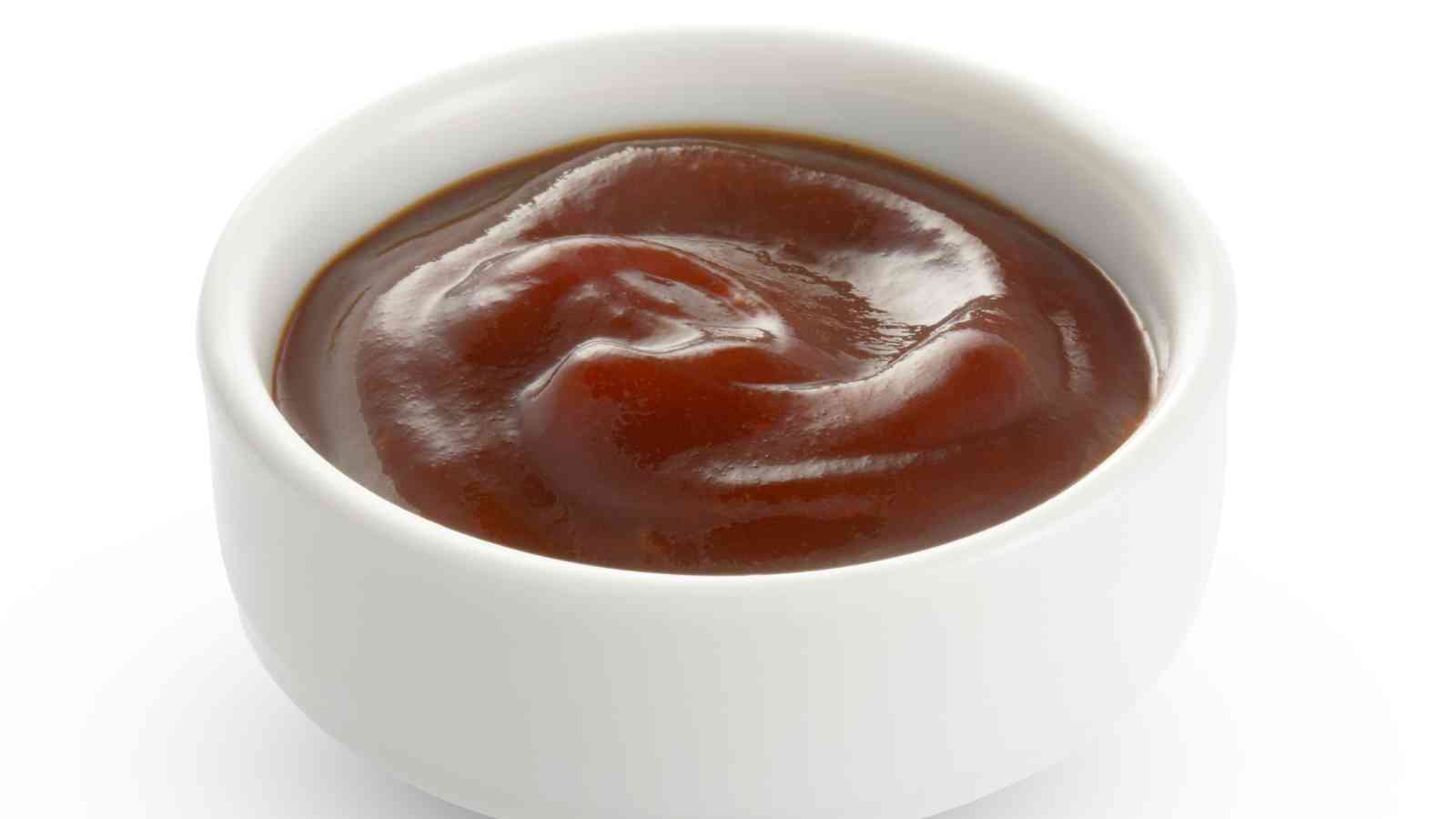
A Cantonese favorite, hoisin sauce blends fermented soybeans, sugar, garlic, vinegar, and spices into a thick, sweet-savory condiment. Its complex taste pairs beautifully with duck, pork, and chicken, as well as in stir-fried noodles and vegetable dishes. The sticky texture makes it ideal for glazing meats before roasting or grilling. Mixed with a bit of soy sauce or vinegar, it becomes a rich dipping sauce for spring rolls and dumplings. Its versatility allows it to swing between main dishes and snack pairings effortlessly.
Get This Product: Hoisin Sauce
Gochujang
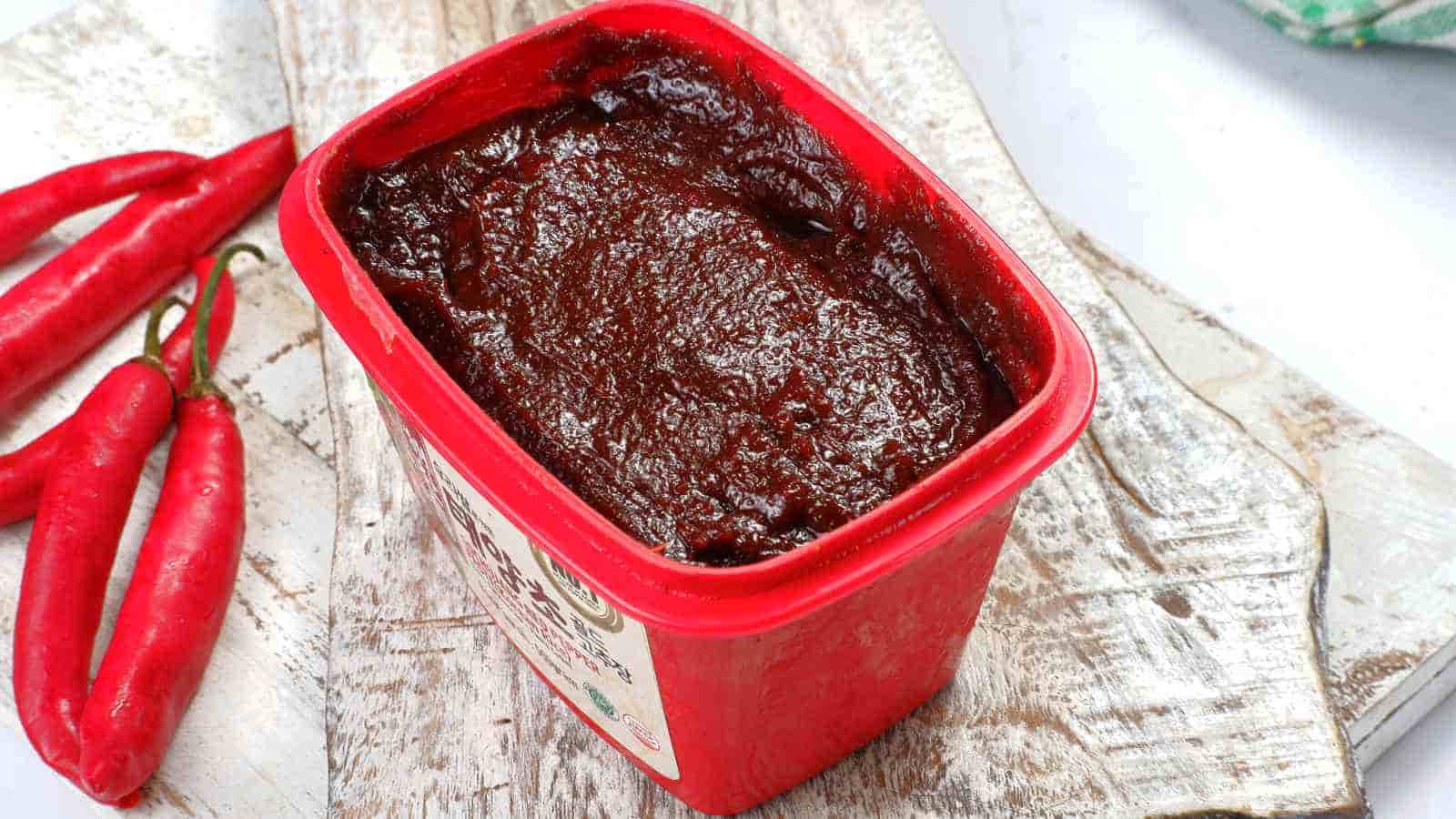
This Korean fermented chili paste combines red chili powder, glutinous rice, fermented soybeans, and salt for a deep, slow-building heat. The fermentation creates a rounded flavor with sweet, spicy, and umami notes all in one. It’s the star in dishes like bibimbap, tteokbokki, and spicy stews. When mixed into marinades, it tenderizes proteins while adding bold color and taste. A spoonful can also transform soups or dipping sauces into something far more dynamic.
Get This Product: Gochujang
Tamarind Paste

Derived from the pulp of tamarind pods, tamarind paste delivers a natural sweet-sour tang. It’s a key element in pad thai, Indian chutneys, and Filipino sinigang soup. The tartness helps cut through fatty meats and rich sauces, while its sweetness balances heat and salt. Tamarind also acts as a natural tenderizer for meats in marinades. Its unique flavor profile makes it irreplaceable in many South and Southeast Asian dishes.
Get This Product: Tamarind Paste
Dashi
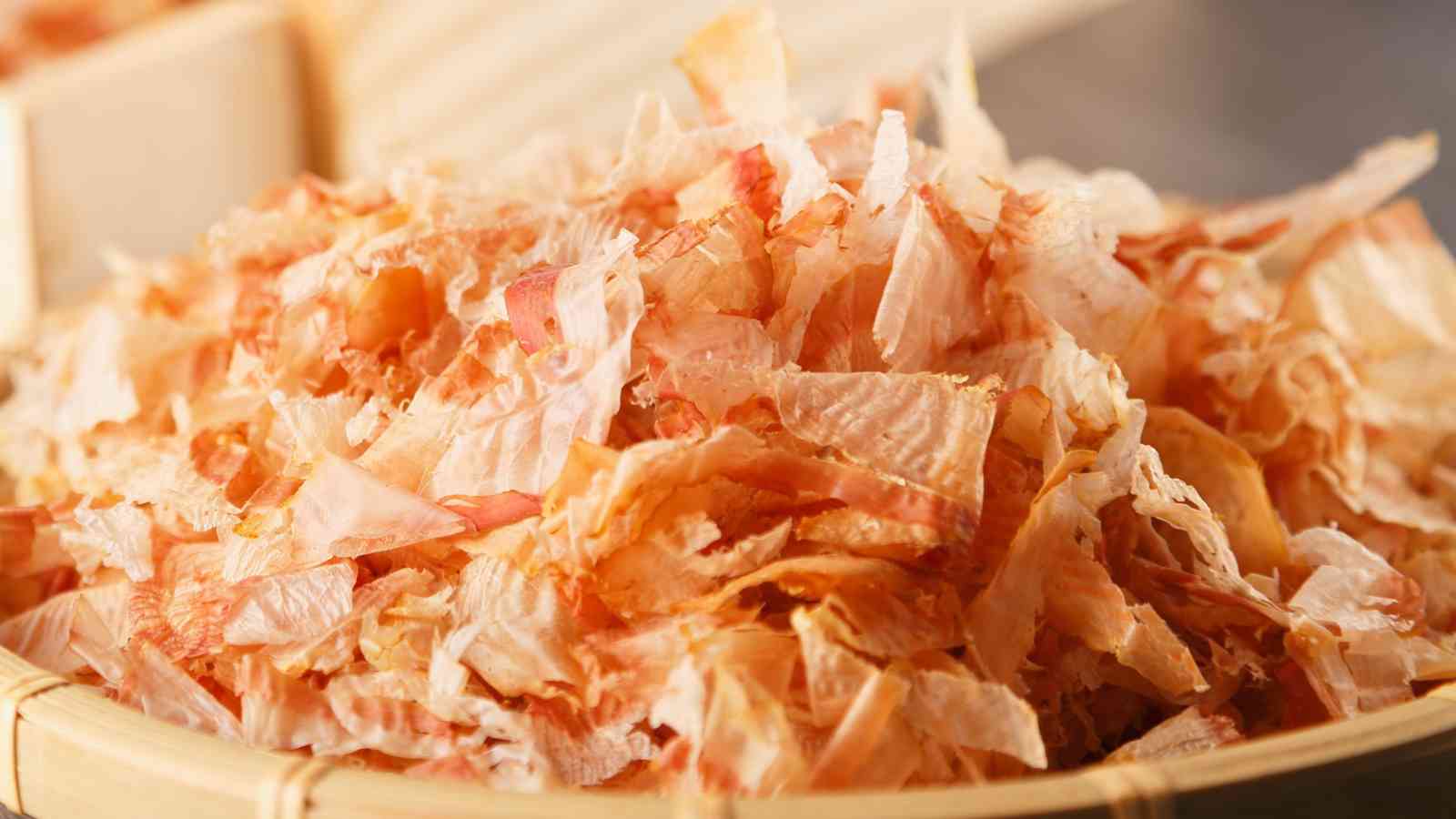
A cornerstone of Japanese cooking, dashi is a clear broth made from simmering kombu (kelp) and katsuobushi (dried bonito flakes). It’s rich in umami but light in texture, allowing it to enhance rather than overpower dishes. Miso soup, noodle soups, and simmered vegetables rely on dashi for their foundational taste. It also acts as a base for tempura dipping sauces and chawanmushi (savory egg custard). Because it’s so delicate, even small amounts can dramatically lift a recipe.
Get This Product: Dashi
Nori
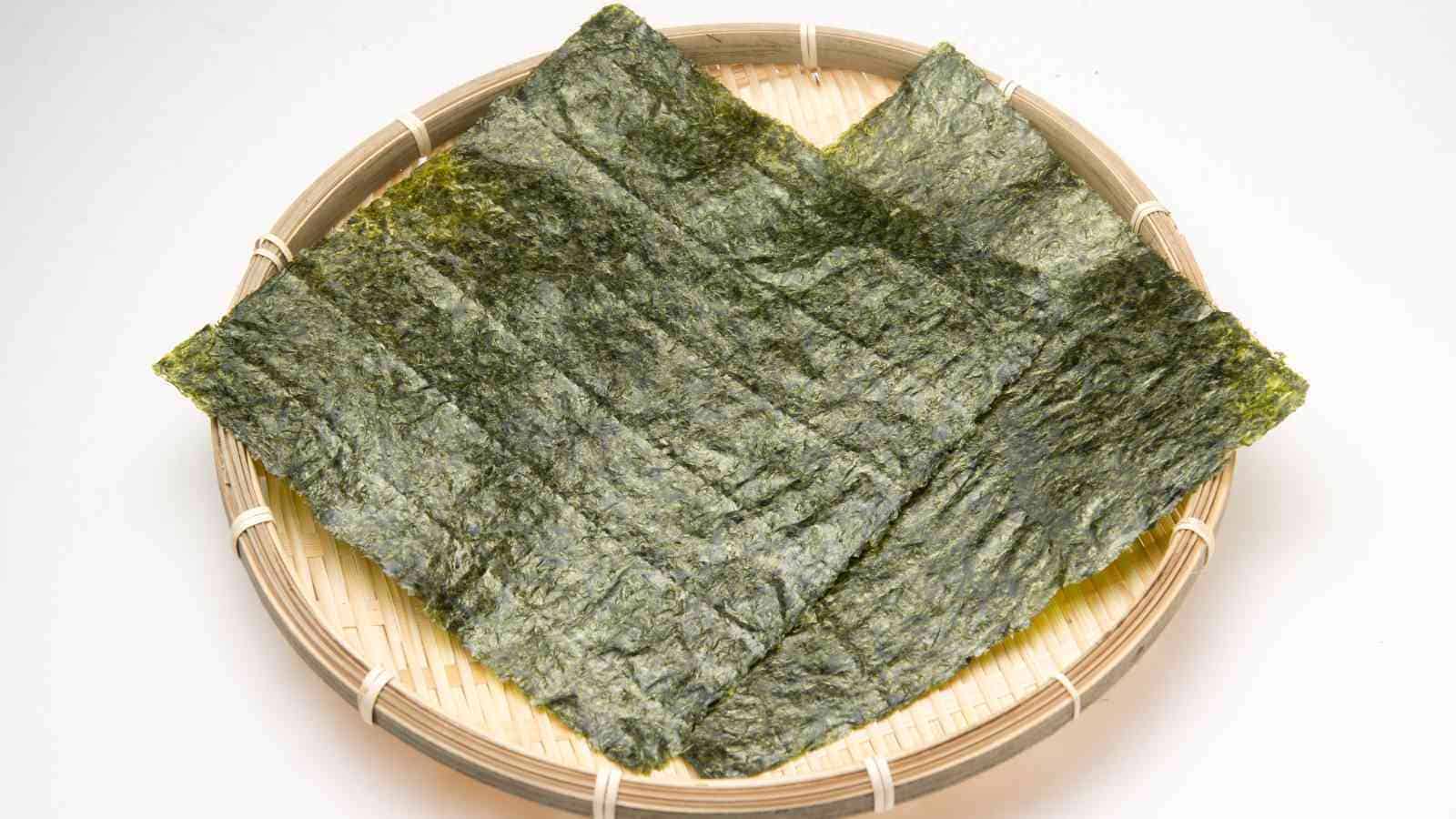
Thin sheets of dried seaweed, nori are rich in minerals, vitamins, and natural umami. They’re most famous for wrapping sushi rolls, but also crumble beautifully over rice bowls, soups, and snacks. The toasting process brings out a subtle nutty aroma that complements both savory and slightly sweet foods. Nori’s texture softens when exposed to moisture, blending seamlessly into warm dishes. It’s also low in calories but high in flavor, making it a smart way to add depth without heaviness.
Get This Product: Nori
Shaoxing Wine
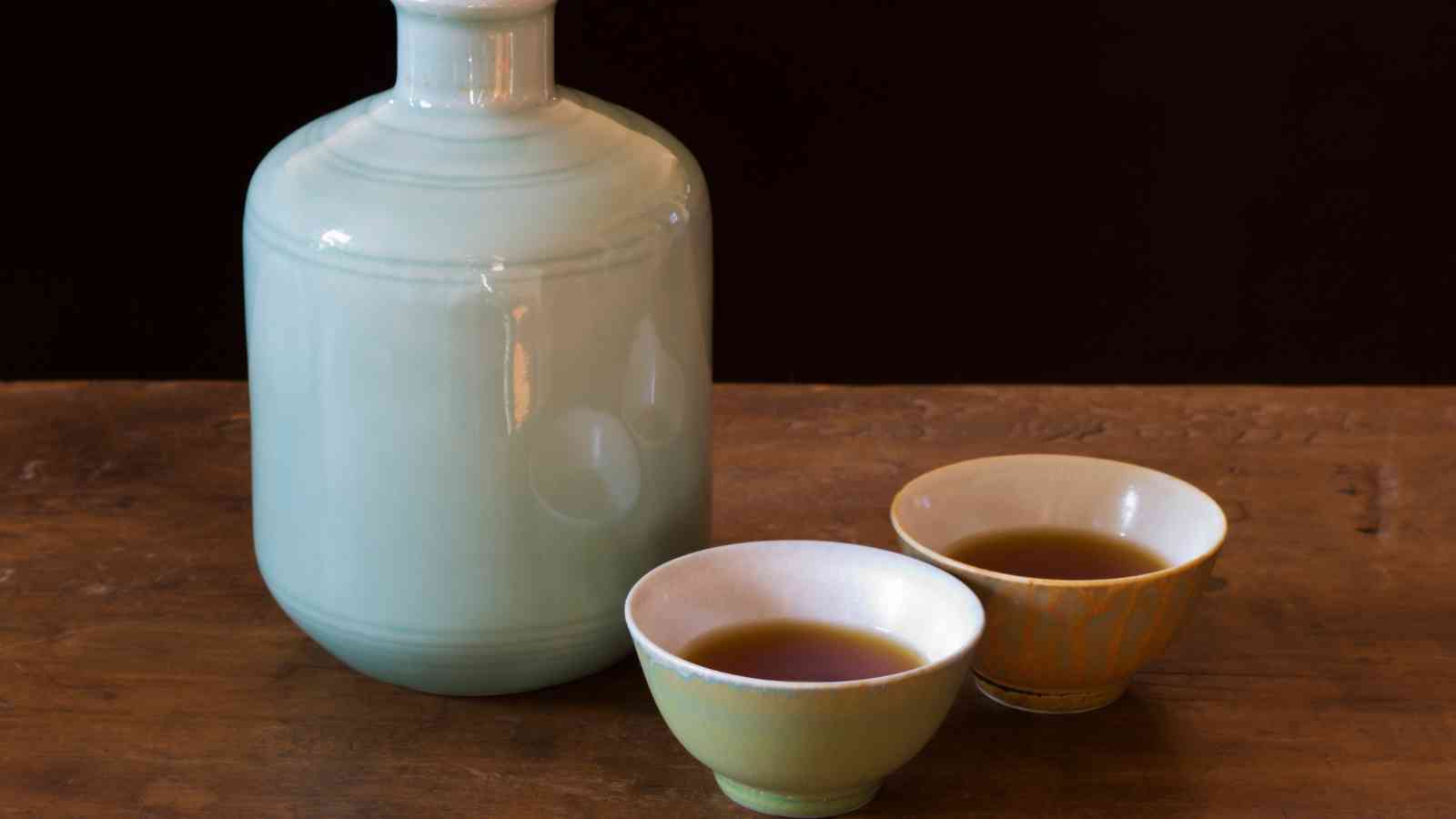
A traditional Chinese rice wine, Shaoxing wine brings a mellow sweetness and complexity to cooking. Often compared to dry sherry, it helps tenderize meat and eliminate strong odors from seafood. It’s essential in classic dishes like red-braised pork and drunken chicken. When used in stir-fries, it heightens aroma and adds depth to sauces. A splash at the right moment can transform a good dish into something truly restaurant-worthy.
Get This Product: Shaoxing Wine
Chili Crisp
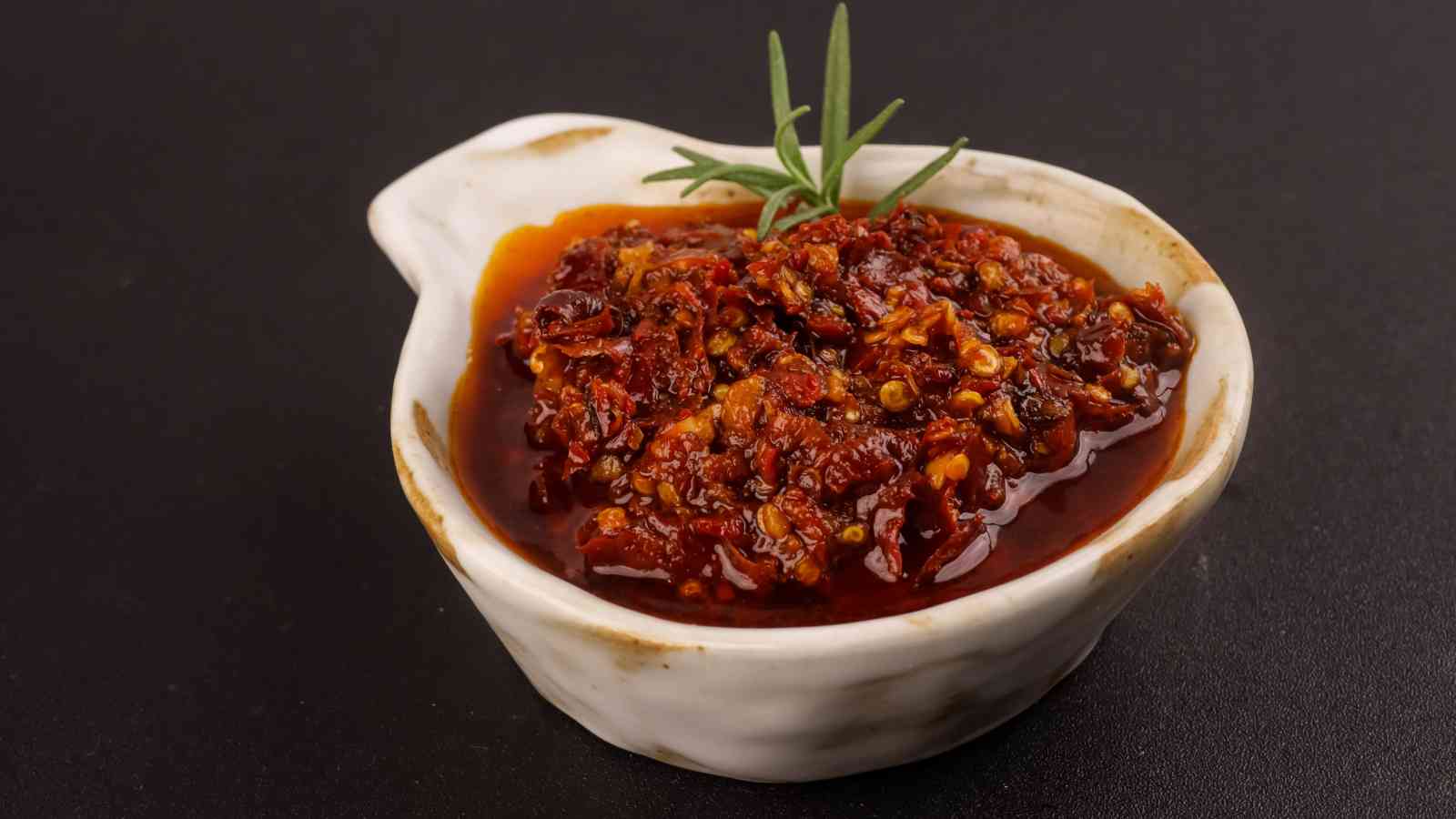
A modern pantry star, chili crisp blends crispy fried chili flakes with oil, garlic, and aromatics for a combination of heat, crunch, and fragrance. It adds instant texture and flavor to plain rice, noodles, eggs, and even pizza. The oil carries the heat evenly while the crisp bits provide satisfying contrast. Variations may include fermented beans, sesame seeds, or dried shrimp for extra dimension. It’s both a condiment and a garnish, making it endlessly adaptable.
Get This Product: Chili Crisp
Lemongrass
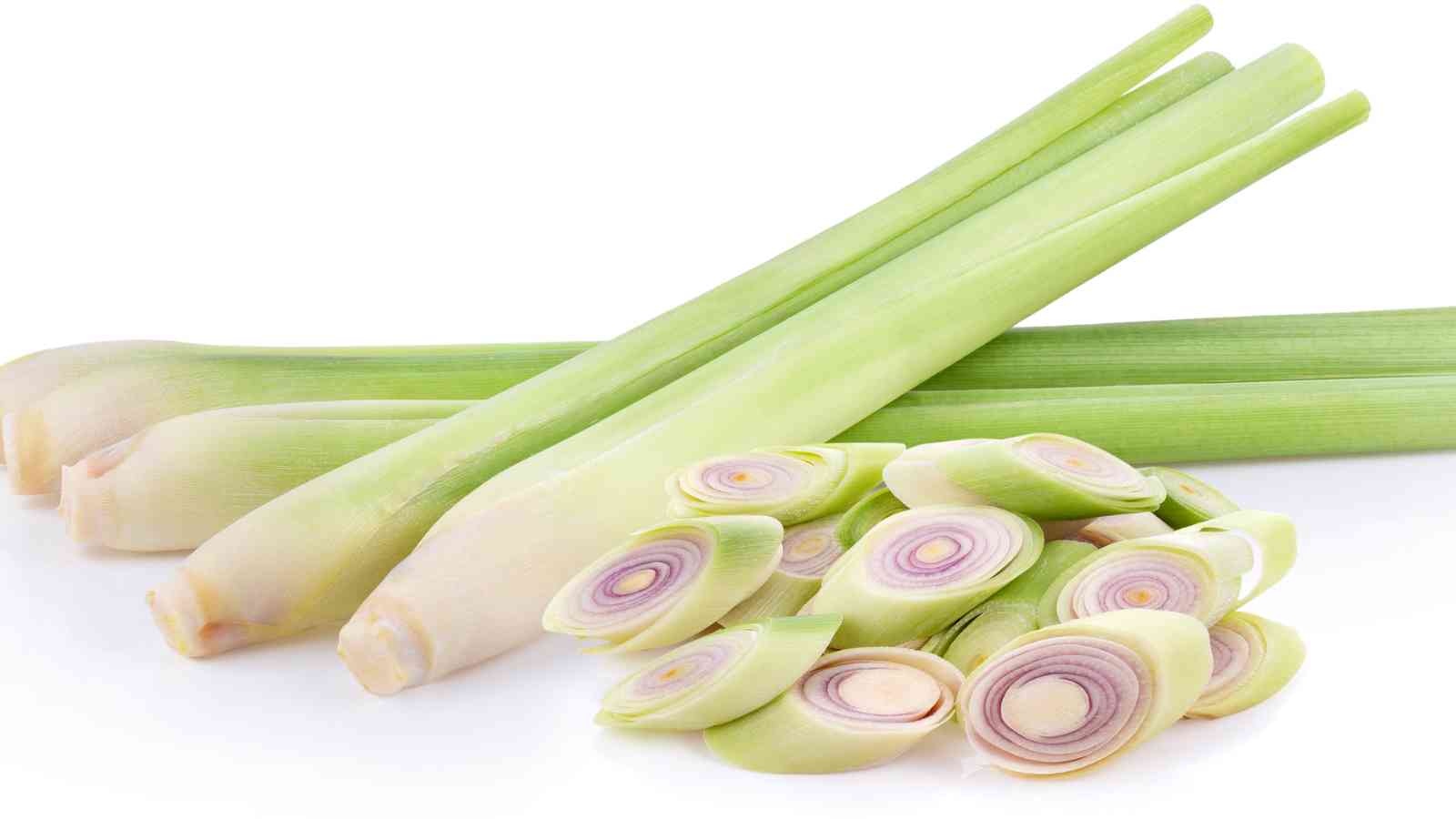
With its fresh citrus aroma and hint of ginger-like warmth, lemongrass is a Southeast Asian favorite. The fibrous stalk is bruised or sliced to release essential oils, infusing soups, curries, and marinades. It’s a defining note in Thai tom yum soup and Vietnamese grilled meats. Its natural acidity helps balance creamy coconut-based dishes. Even in teas, lemongrass offers a soothing, refreshing lift.
Galangal
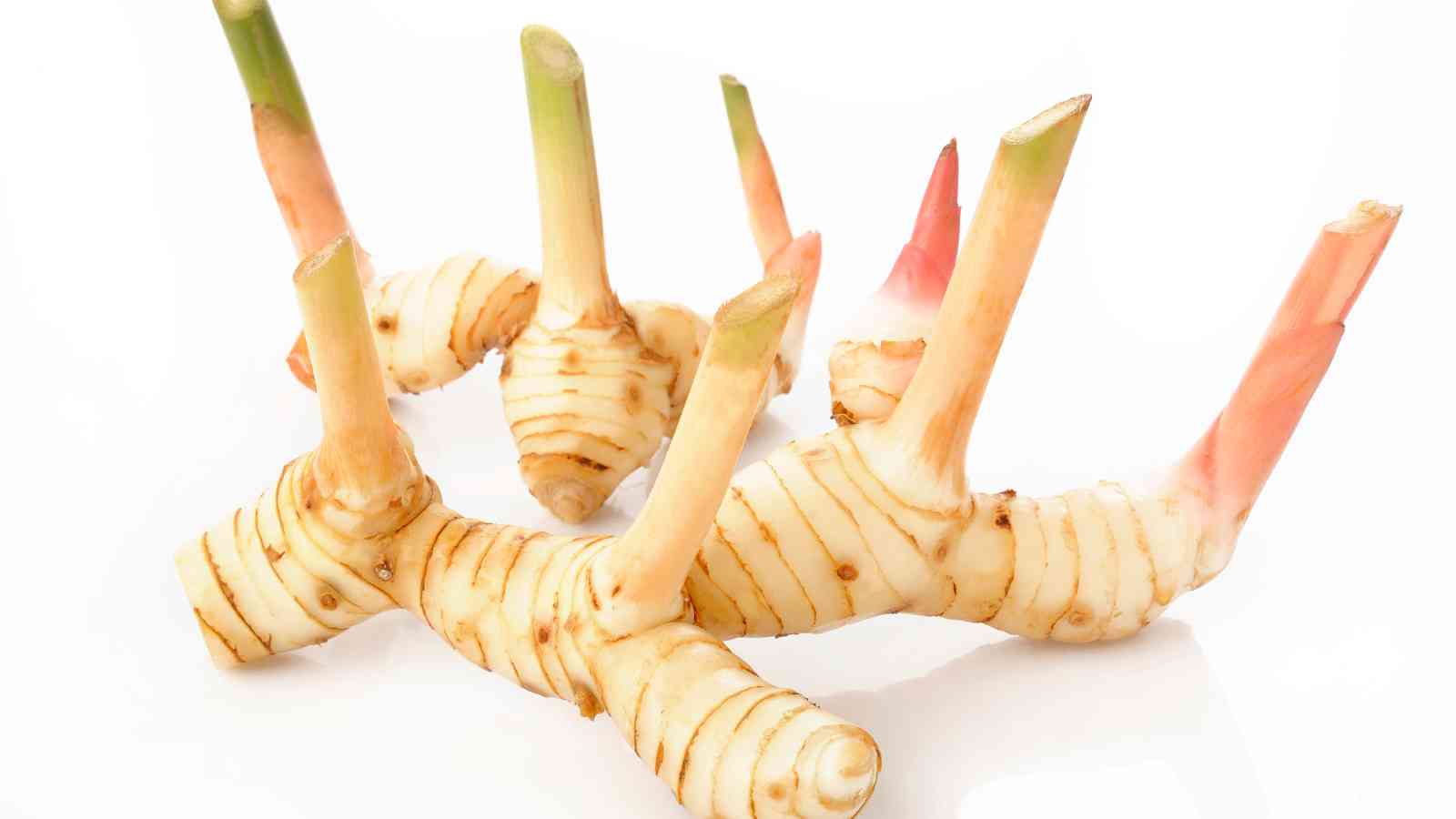
Often mistaken for ginger, galangal has a sharper, more peppery flavor with hints of citrus and pine. It’s essential in Thai, Indonesian, and Malaysian cooking, especially in curries and soups. Its firm texture means it’s usually sliced and simmered to infuse broths rather than eaten directly. Galangal’s volatile oils add brightness to rich, coconut-heavy dishes. In traditional medicine, it’s also valued for aiding digestion.
Black Vinegar
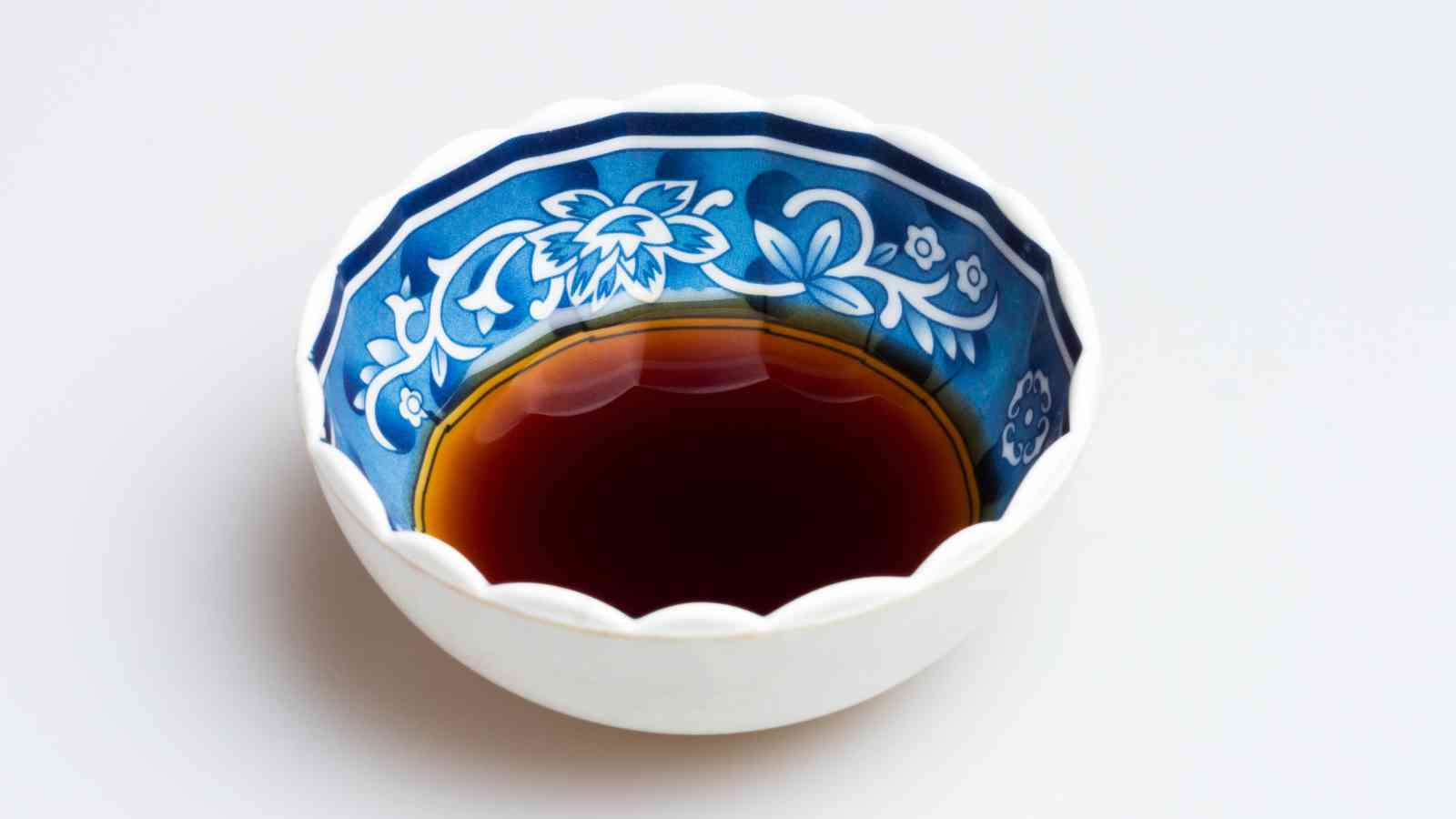
Originating in China, black vinegar is aged from rice, wheat, barley, or sorghum, resulting in a deep, malty, slightly smoky taste. It’s less acidic than regular vinegar, making it ideal for braises, dumpling dips, and noodle dishes. The aging process enriches its flavor, adding layers of complexity. In stir-fries, it cuts through oiliness without overpowering other seasonings. It’s a staple in dishes like sweet-and-sour pork and hot-and-sour soup.
Get This Product: Black Vinegar
Wasabi
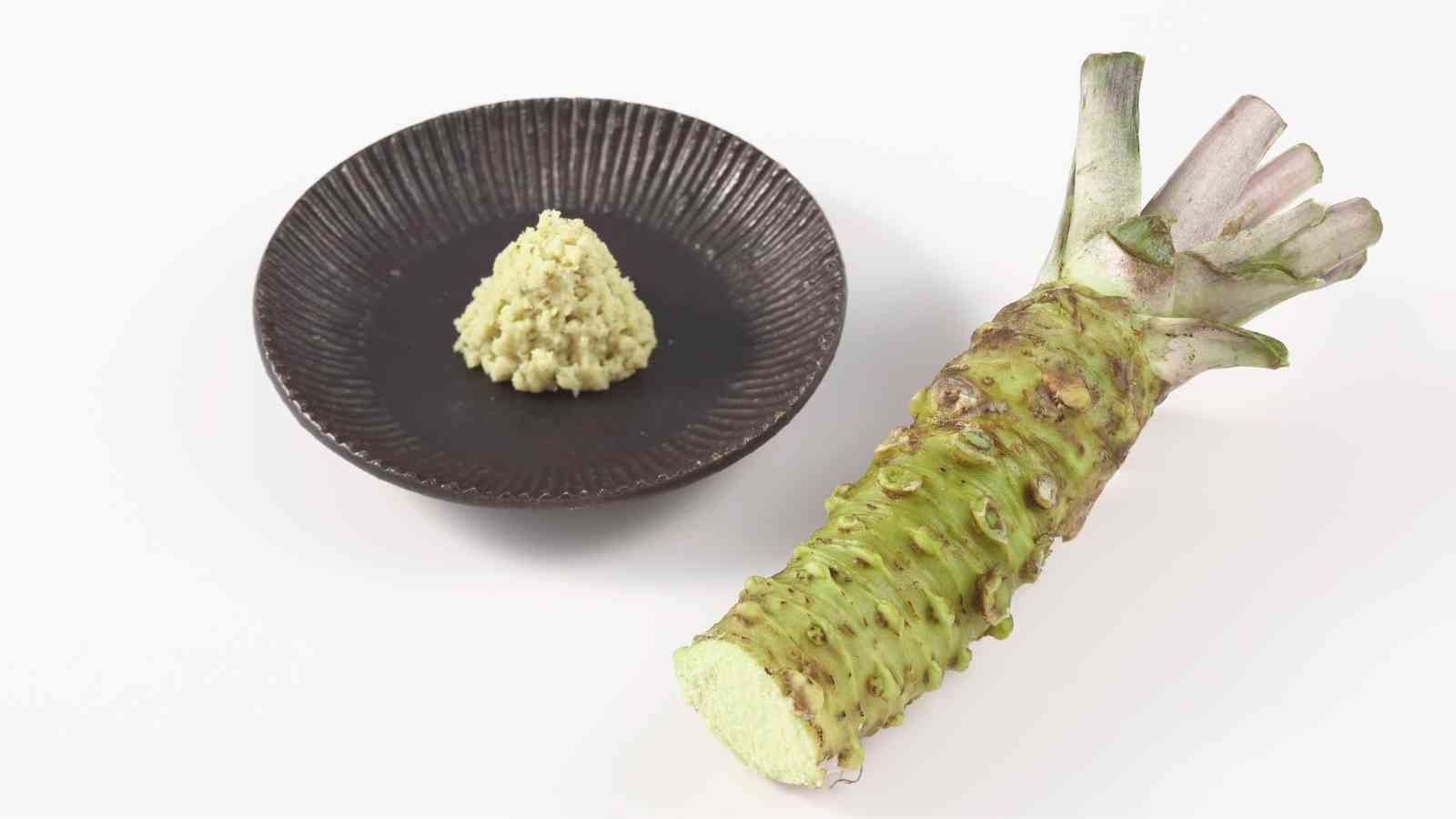
Derived from the grated rhizome of the wasabi plant, true wasabi has a clean, sharp heat that fades quickly, unlike chili-based spice. It’s traditionally served with sushi and sashimi, where its pungency balances raw fish’s richness. Fresh wasabi is rare and expensive, often replaced with horseradish-based pastes. Its flavor is more herbal than fiery, with a slightly sweet aftertaste. In modern cooking, it’s also used in dressings, mashed potatoes, and even mayonnaise for a quick punch of flavor.
Get This Product: Wasabi
Fermented Black Beans
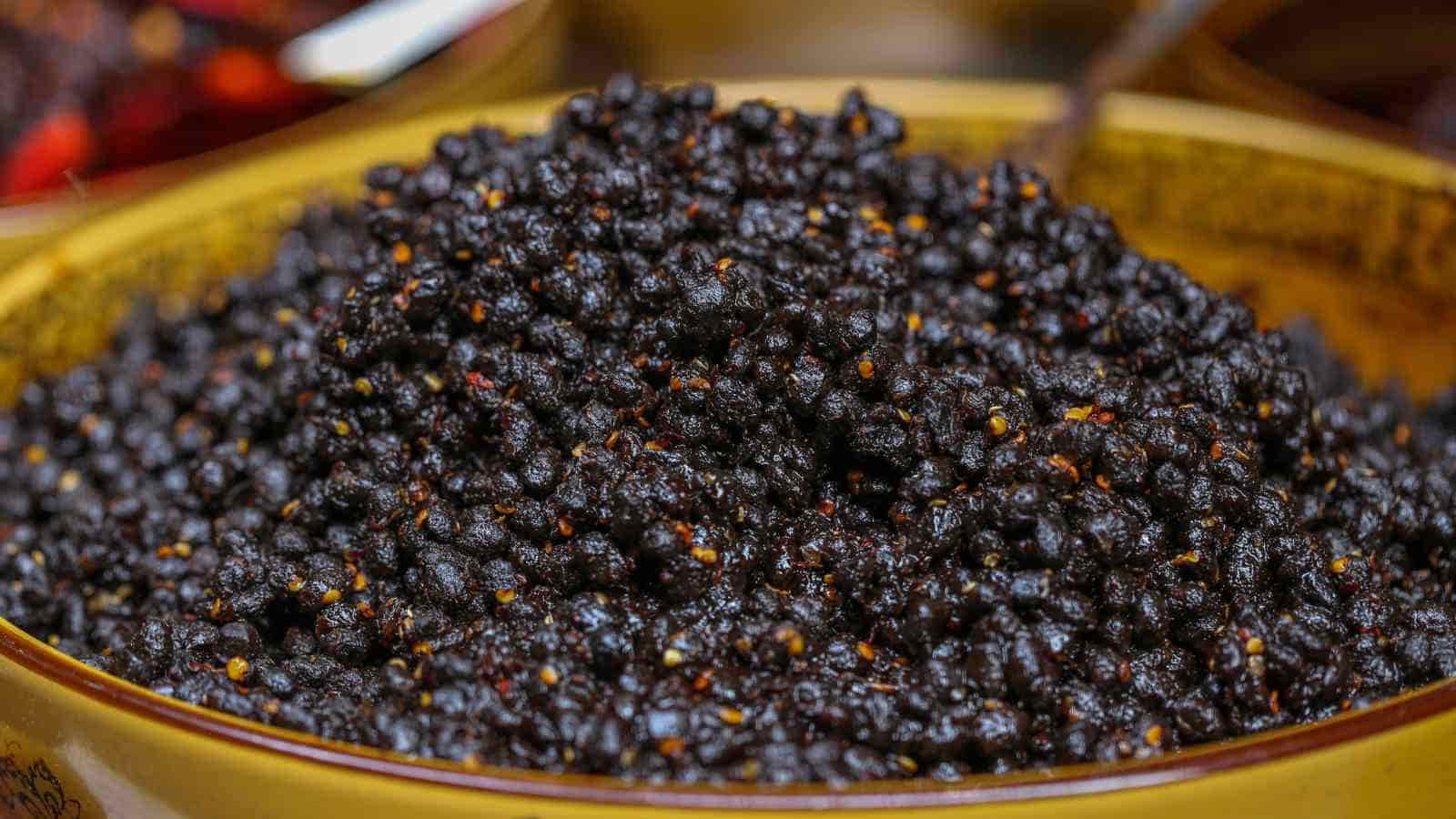
Known as douchi in Chinese cuisine, these are soybeans fermented with salt and sometimes wine. Their flavor is intensely salty, earthy, and umami-rich, with a hint of sweetness. They’re a key ingredient in black bean sauce, often used in seafood and beef stir-fries. Rinsing them before use helps control the saltiness while keeping the depth of flavor. A small amount can season an entire dish thanks to their potency.
Gochugaru
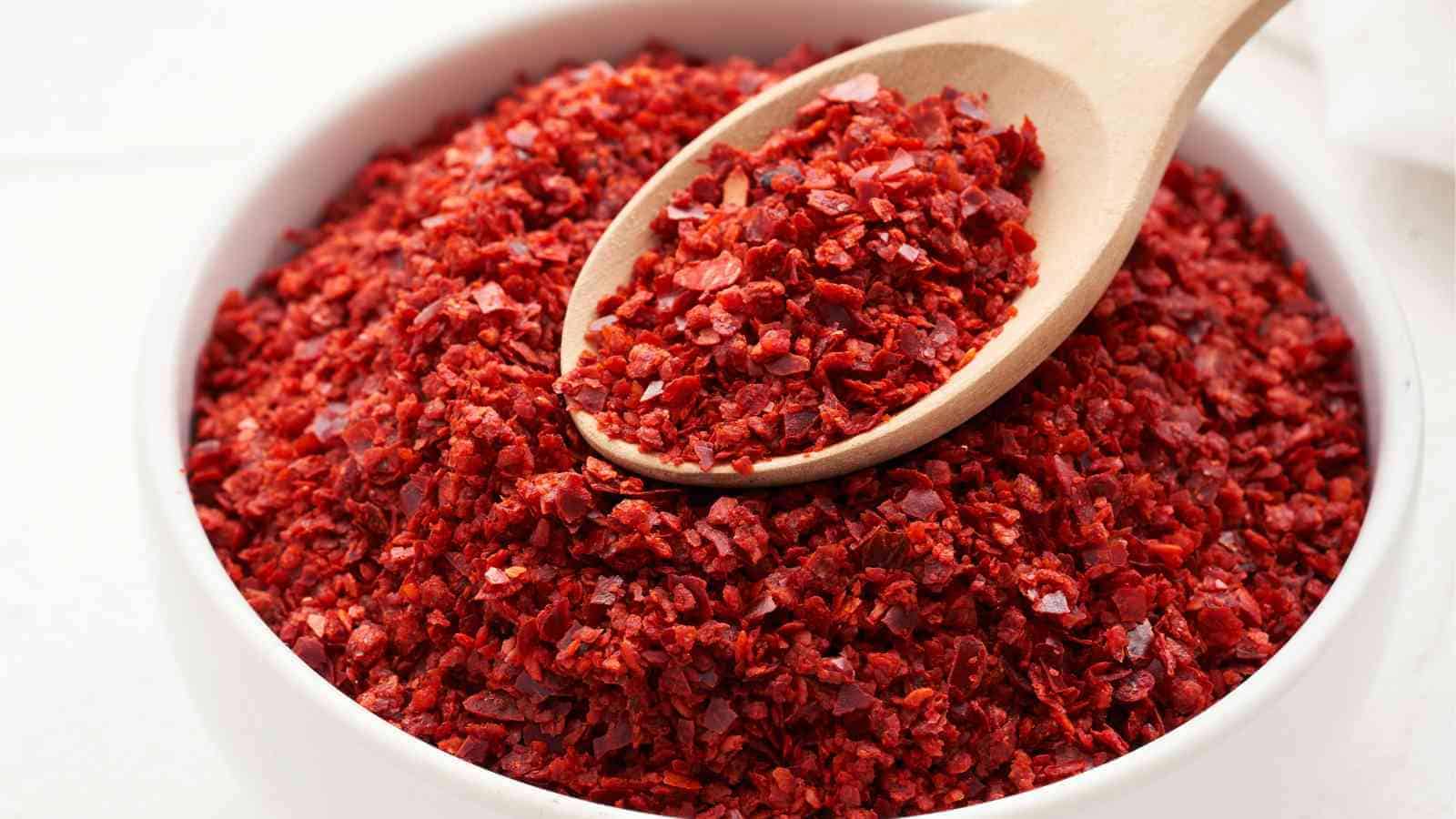
These Korean red chili flakes are made from sun-dried peppers and have a mild to medium heat with a sweet, smoky undertone. They’re essential for making kimchi, spicy stews, and dipping sauces. The coarse grind allows the chili’s fruity notes to come through without overwhelming spice. Gochugaru adds both flavor and color, giving dishes a vibrant red hue. Its balanced heat makes it versatile for both traditional and fusion cooking.
Get This Product: Gochugaru
Kaffir Lime Leaves
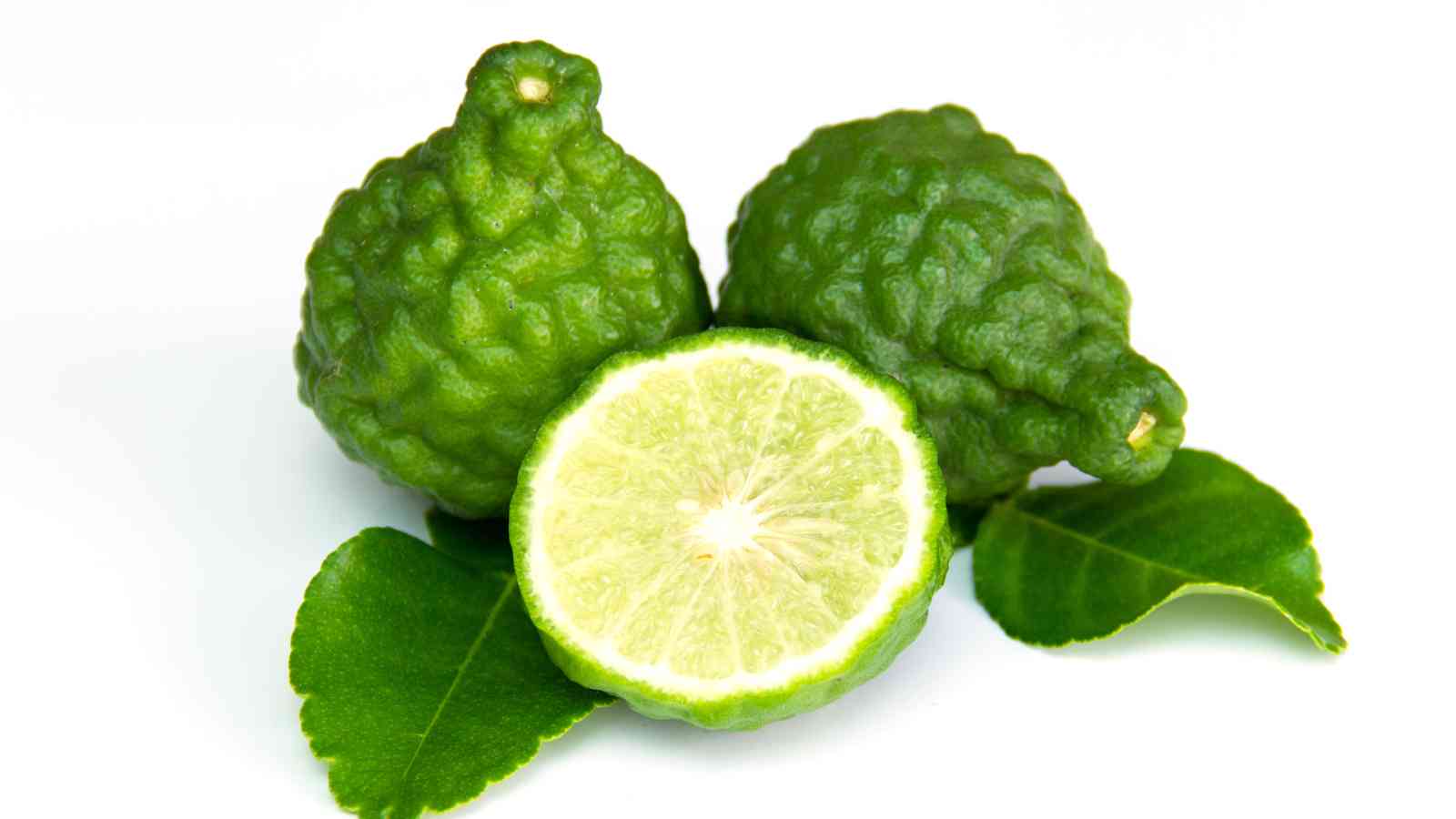
Known for their intensely fragrant citrus aroma, kaffir lime leaves are a staple in Southeast Asian cooking. They’re often torn, bruised, or thinly sliced to release essential oils into soups, curries, and stir-fries. The flavor is more floral and complex than regular lime, with a hint of spice in the aroma. They’re a defining element in Thai green curry and Indonesian rendang. Even a single leaf can brighten a rich, coconut-based dish without adding acidity.
Shiso Leaves
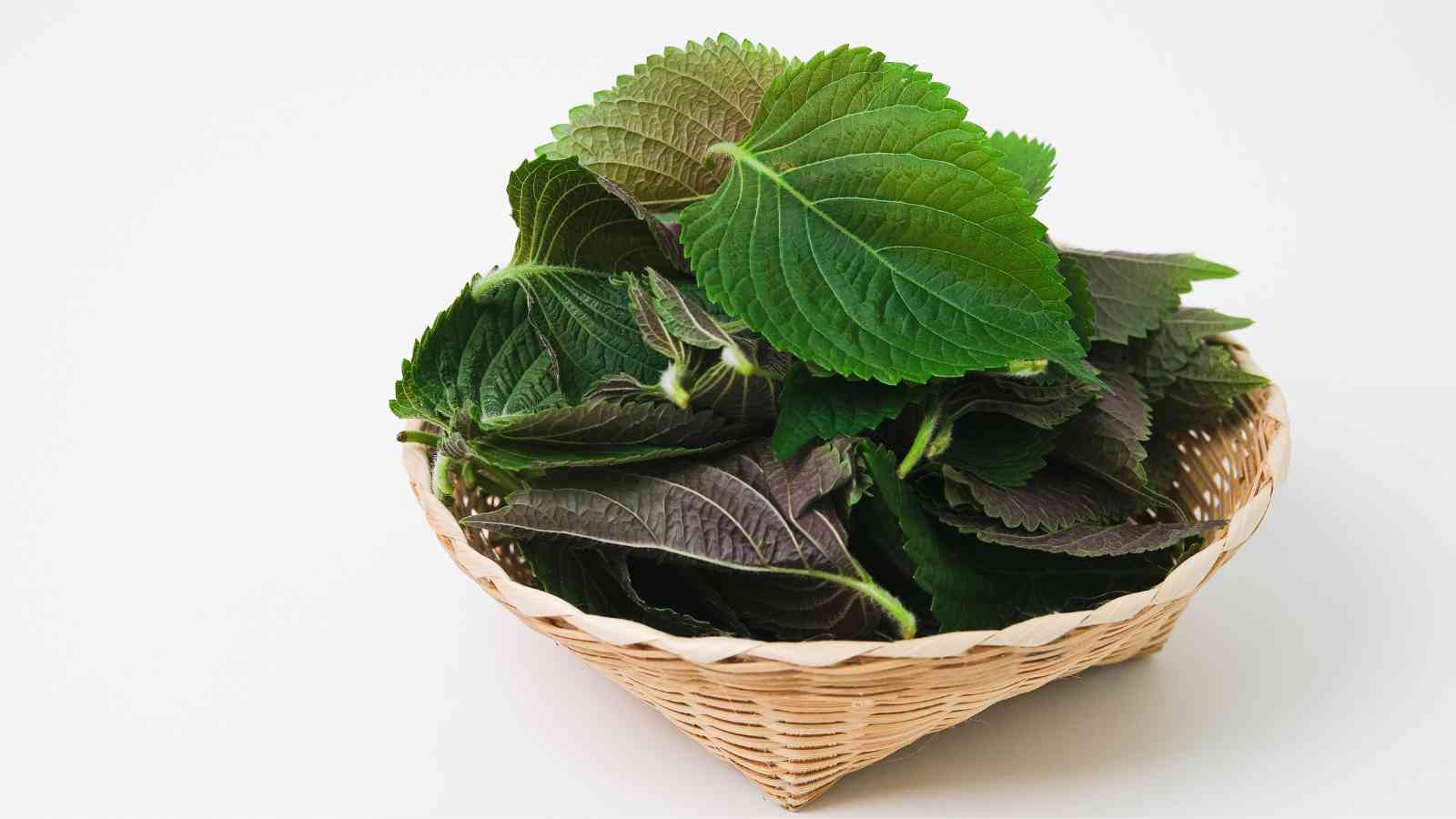
Shiso, also known as perilla, has a unique taste that blends mint, basil, and anise with a hint of citrus. Popular in Japanese and Korean cooking, it’s used fresh as a garnish, in sushi, or wrapped around grilled meats. Red shiso has a slightly more astringent note and is used to color and flavor pickled plums (umeboshi). Green shiso works beautifully in salads and tempura. Its refreshing flavor can cut through fried or fatty foods while adding a fragrant lift.
Umeboshi
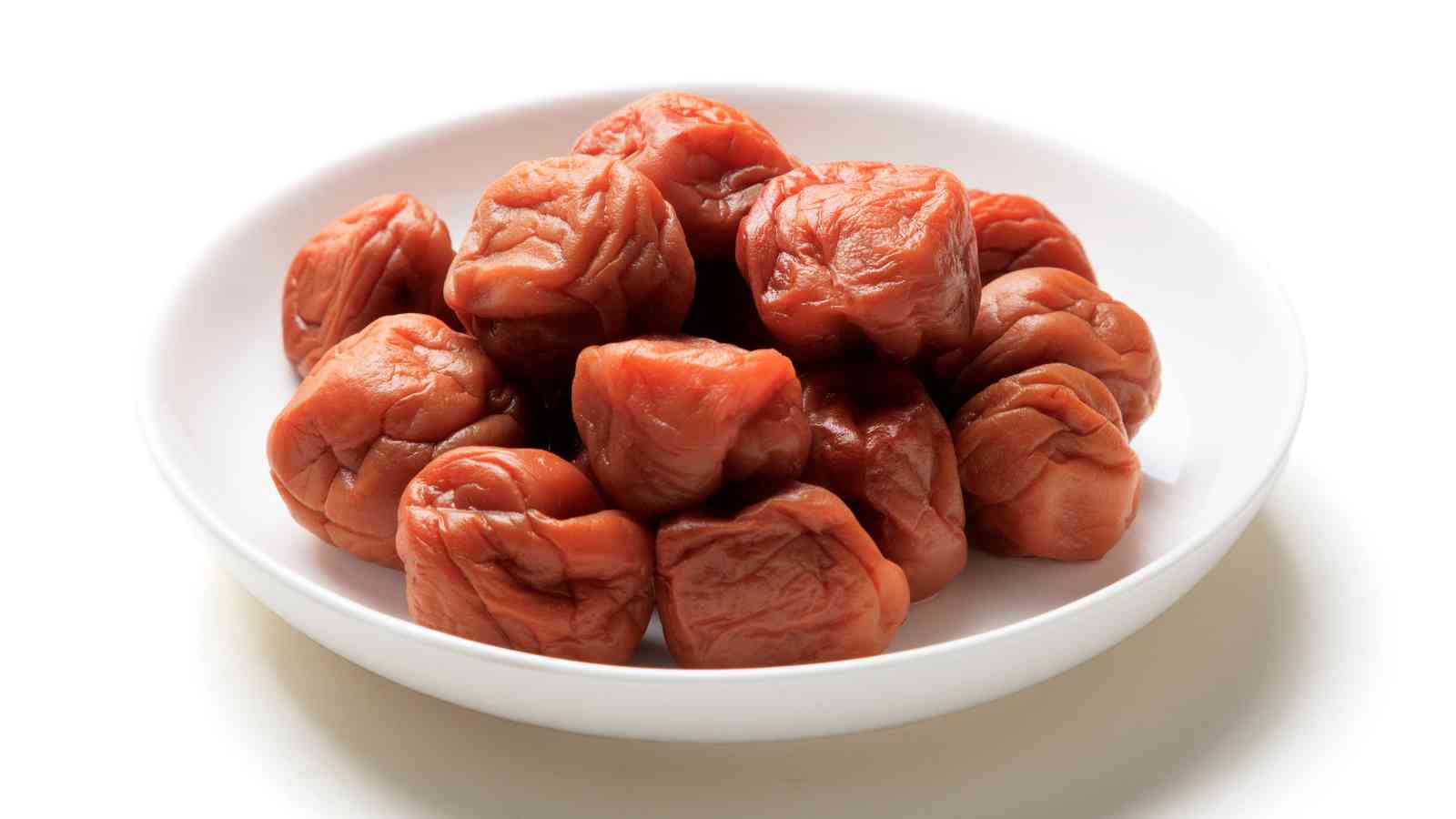
These Japanese pickled plums are intensely salty and sour, often used to season rice or fill onigiri. The plums are dried and fermented with red shiso leaves, giving them a deep pink color and complex flavor. Umeboshi can balance oily dishes, cut through heavy flavors, and even serve as a natural preservative. Traditionally, they’re believed to aid digestion and boost energy. In sauces and dressings, they add a tangy punch unlike any other ingredient.
Bird’s Eye Chili
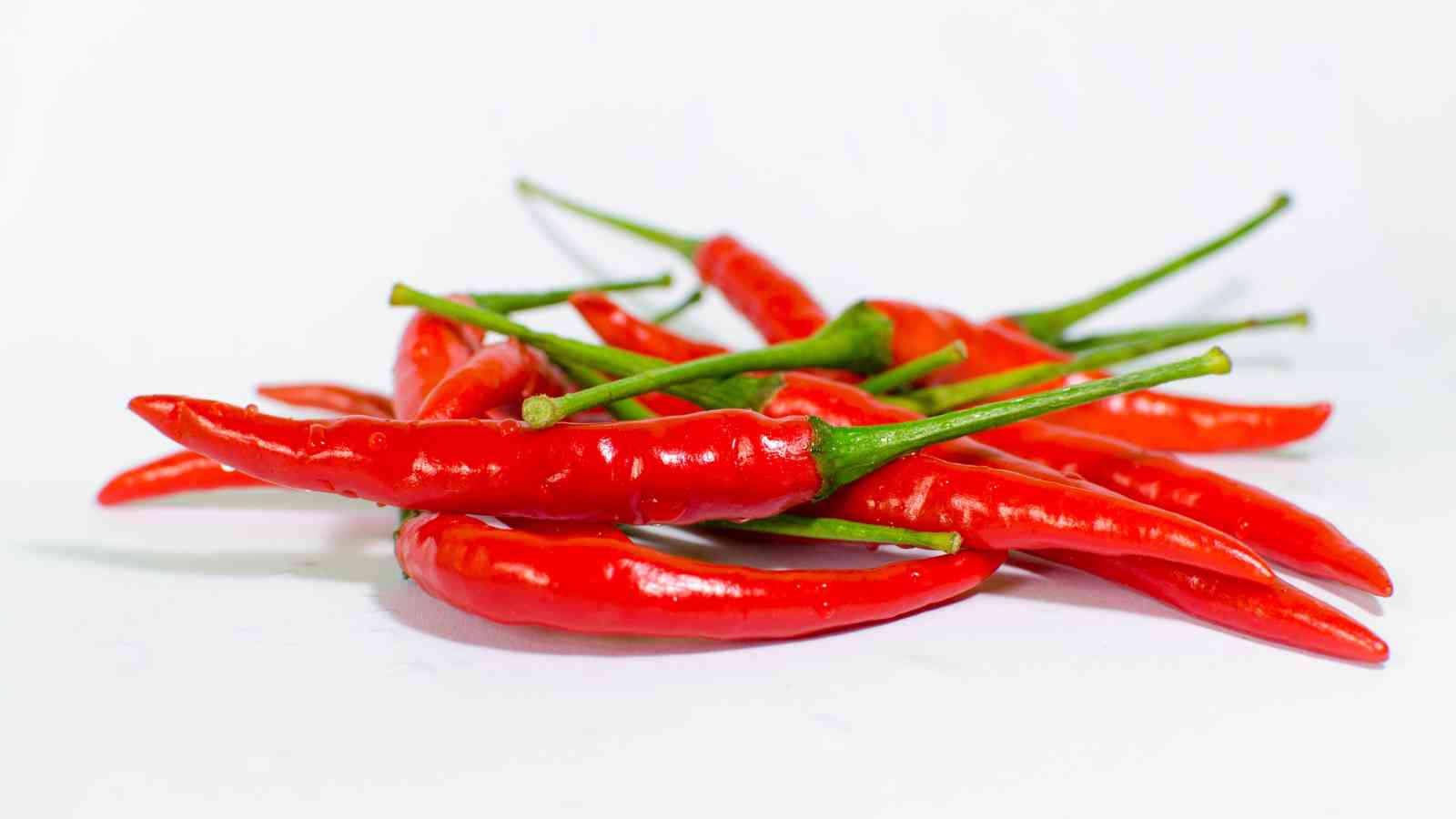
Tiny but powerful, bird’s eye chilies are a staple in Thai, Filipino, and Indonesian kitchens. They bring a sharp, intense heat that quickly registers on the palate. Often used fresh in sauces like Thai nam prik or Filipino sawsawan, they also add fire to curries and stir-fries. Their small size makes them easy to mix into marinades or crush into dipping sauces. Just one chili can transform a mild dish into something bold and vibrant.
Pandan Leaves
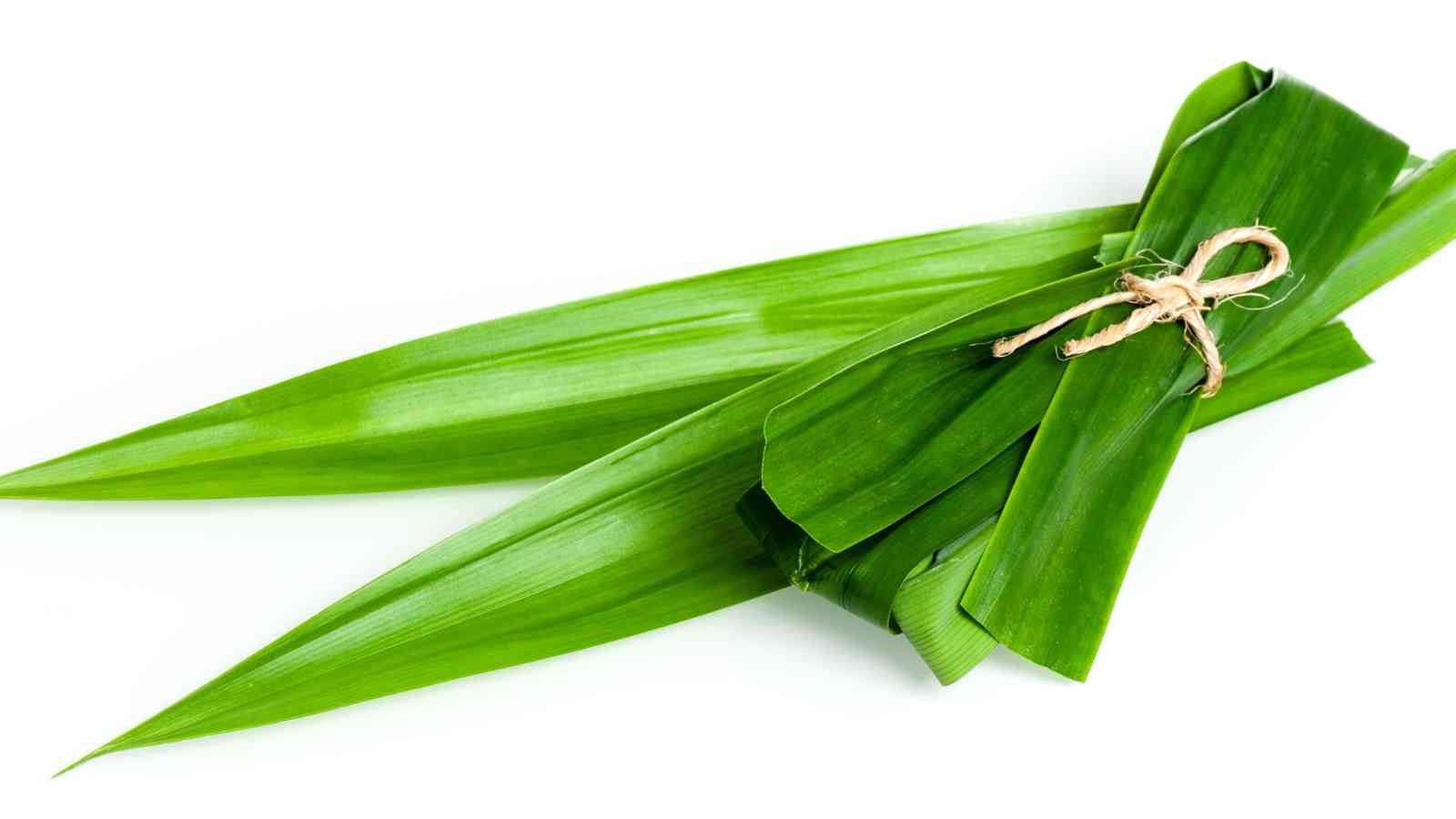
Often called the “vanilla of Southeast Asia,” pandan leaves are prized for their sweet, floral aroma with hints of coconut. They’re tied into knots or blended for use in desserts, rice dishes, and drinks. In Malaysia and Indonesia, pandan is used to infuse coconut milk for kaya jam or sticky rice. Its natural green color is also used in cakes and puddings. Wrapped around meat or fish before grilling, it imparts a gentle fragrance without overpowering the dish.
20 Ingredients You’ve Never Heard Of—But Should Try

These ingredients can change the structure of a dish, adding brightness, depth, or an entirely unexpected aroma. Each one brings with it a history of traditional uses, local craftsmanship, and cultural significance. By learning how to work with them, you gain not just new flavors, but insight into the places and people who have kept them alive through generations.
20 Foods That Were Out… But Are Trendy Again

Here are 20 perfect examples of foods that were once out of fashion but are now having their big moment again. Even humble ingredients, once dismissed as “old-fashioned,” are returning with creative recipes and upgraded presentations. What’s fascinating is how these foods bridge generations—appealing to those who remember them the first time and to younger audiences tasting them fresh.

Tamara Tsaturyan is the owner and writer of Thriving In Parenting, a website focused on providing simple tips for busy parents — easy and healthy recipes, home decor and organization ideas and all things P A R E N T I N G.

Share Your Thoughts!
I love to know your thoughts, make sure to comment below to start a discussion! You can also follow me on your favorite social network below.