Parenting myths get passed around like they’re universal truths, but most of the time, they just pile extra pressure on parents. People talk about what “good parents” do, what children “should” be like, and what’s “normal,” and it all sounds convincing until life actually happens. A lot of advice ends up leaving moms and dads doubting themselves unnecessarily. Real parenting is messy, unpredictable, and full of surprises, and learning to question these myths can make life a lot lighter. Accepting that nobody has it all figured out opens the door to more confidence, connection, and even a little fun along the way.

You’ll Instantly Know What You’re Doing

Parenting doesn’t come with an instruction manual you can follow perfectly. Confidence grows slowly and usually comes from trial and error. Mistakes aren’t failures—they’re lessons that shape what works best for your child. Even parents who seem calm and collected learned through experience, not magic. Over time, figuring things out becomes easier, and trust in your own judgment grows naturally.
Good Parents Never Lose Their Patience

Patience isn’t infinite, no matter what anyone says. Feeling frustrated or snapping doesn’t make someone a bad parent—it makes them human. It’s normal to feel stretched when managing constant demands and emotions. Kids benefit more from seeing you repair and reconnect than from pretending everything is perfect. Being honest with yourself about limits actually models healthy coping for children.
Kids Only Misbehave Because Of Bad Parenting

Behavior isn’t always a reflection of your skills. Kids act out for lots of reasons: personality, developmental stages, emotions, and even fatigue. Labeling every challenge as a parenting failure adds unnecessary guilt. Most children’s actions are their way of testing boundaries or expressing feelings. Understanding why misbehavior happens helps respond thoughtfully instead of overreacting.
You Should Enjoy Every Moment

Not every moment with kids is joyful, and that’s okay. Some days feel exhausting, repetitive, or overwhelming no matter how much love is there. Being present doesn’t require pretending everything is fun. Accepting the tough times makes the good moments feel even sweeter. Even when enjoyment isn’t constant, love and connection remain.
Sleep Issues Are Always The Parents’ Fault
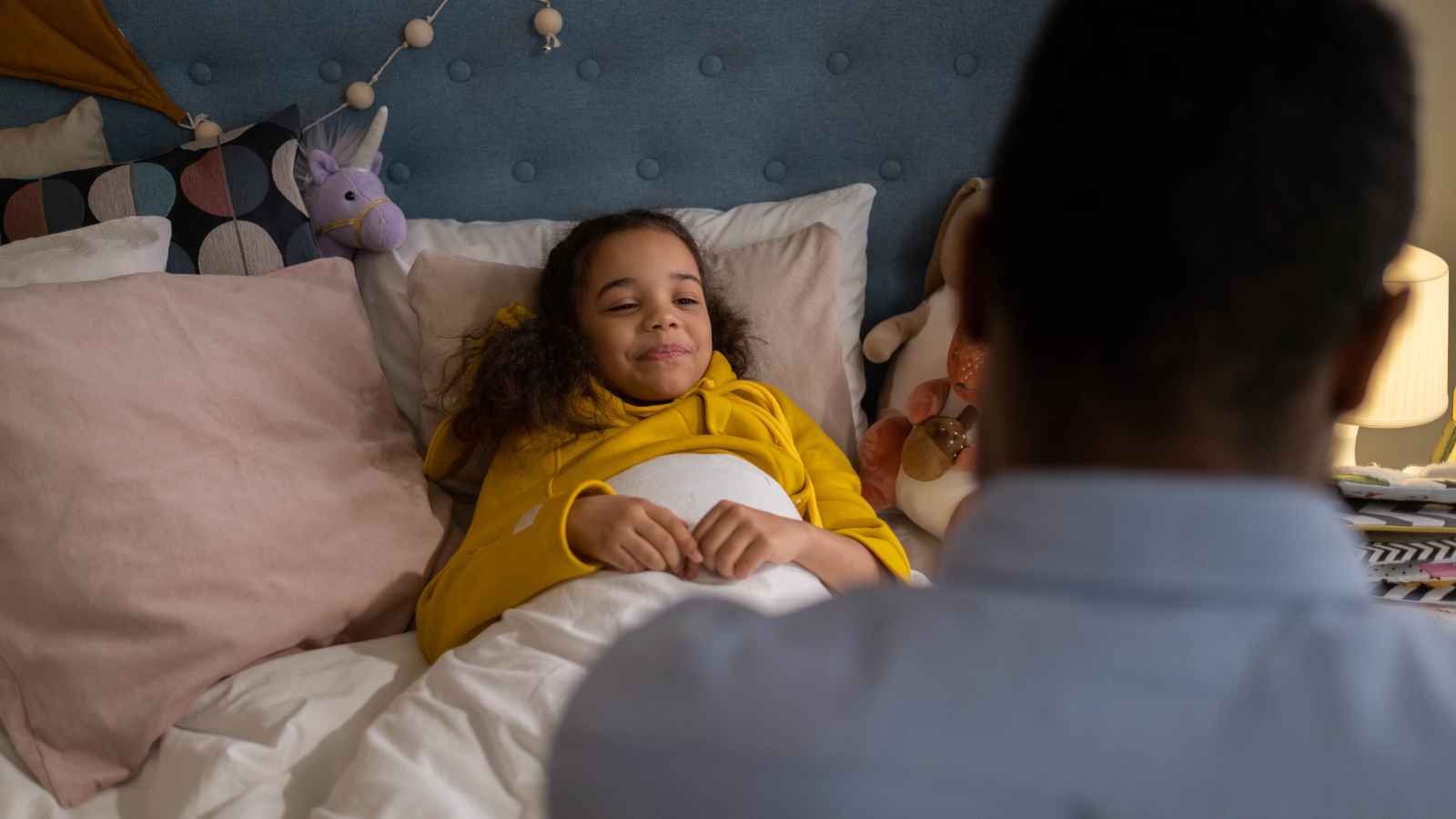
Sleep struggles aren’t always something you can fix with stricter routines. Growth, personality, and developmental stages all affect rest patterns. Even parents who follow all the advice perfectly can face sleepless nights. Blaming yourself for every wake-up or nap refusal creates stress for both you and your child. Patience, flexibility, and understanding often make a bigger difference than perfection.
Consistency Means Never Changing Your Approach

Consistency is about reliability, not rigidity. What works for a toddler might not work for a preschooler. Adjusting strategies shows attentiveness, not weakness. Children’s needs change constantly, and flexibility helps meet them effectively. Being willing to adapt creates a more supportive and realistic parenting environment.
Happy Kids Come From Strict Routines

Structure helps, but strict routines alone don’t create happiness. Feeling safe, loved, and understood matters just as much as any schedule. Kids thrive when rules are balanced with connection and empathy. Overemphasizing structure can create stress rather than security. A combination of guidance and warmth builds true confidence and joy.
If You Start Something, You Can Never Stop

Changing rules or routines doesn’t make you inconsistent—it makes you responsive. What works at one stage might not work later, and adapting is part of healthy parenting. Kids can handle adjustments when explanations are clear. Sticking with something that doesn’t fit anymore can create more stress than flexibility. Being able to pivot keeps family life realistic and manageable.
Kids Will Remember Every Mistake You Make

Children remember feelings more than details. One small mistake rarely sticks as long as love and care are constant. Repairing after conflict teaches trust and resilience. Focusing on patterns and connection matters more than perfection in every moment. Kids usually see the overall effort rather than isolated slip-ups.
Asking For Help Means You’re Failing

Parenting isn’t meant to be a solo job. Support isn’t weakness—it’s a resource that benefits both parent and child. Reaching out lightens the load and models healthy teamwork. Even small amounts of help can make the day feel manageable. Accepting assistance creates space for calm, patience, and connection.
Screen Time Automatically Harms Kids

Not all screen time is harmful, and context matters more than the clock. Educational apps, video calls with family, or creative programs can have value. Balance and supervision matter more than strict avoidance. Screens can be a tool, not just a danger. Using them intentionally helps make them part of a healthy routine.
Calm Parents Raise Calm Kids

Emotional intensity isn’t always inherited from parents. Kids have their own temperament and may feel things more deeply or react differently. Calm modeling helps, but children still need guidance and time to learn regulation. Being patient and present matters more than suppressing your own reactions. Learning together becomes part of the relationship.
Siblings Should Always Get Along

Conflict between siblings is completely normal. Disagreements help children practice empathy, negotiation, and self-expression. Expecting constant harmony creates unrealistic pressure. Guidance, boundaries, and support teach kids how to resolve conflicts. Relationships grow stronger when kids learn to work through tension instead of avoiding it.
You’ll Mess Up Your Child If You Do One Thing Wrong

One misstep doesn’t define a child’s future. Parenting is about patterns and long-term care, not isolated moments. Children are resilient when the overall environment is loving and supportive. Learning from mistakes and adjusting builds trust, not fear. Imperfections are part of healthy family life, not a recipe for disaster.
Parenting Gets Easier As Kids Get Older

Parenting shifts instead of simply getting easier. Physical demands may decrease, but emotional and social challenges grow. Independence, responsibility, and outside influences bring new pressures. Each stage requires different skills and energy. Growth comes with both pride and fresh challenges, keeping parenting dynamic and demanding.
15 Things Parents Did in the ’50s That Would Spark Outrage Today

Here are 15 things parents did back then that would totally spark outrage today. Looking back now, some of these parenting choices seem downright shocking, while others make us appreciate how much we’ve learned. What was once considered normal would now have people calling child services. Many of these choices weren’t questioned back then, but with time, research, and new societal norms, we’ve come to see things differently.
20 Times You Realized Your Family’s ‘Normal’ Was Actually Toxic

Growing up in a toxic home leaves marks that often don’t show until years later. The guilt, the anxiety, and the constant second-guessing can follow you into adulthood, even into motherhood. Healing while raising kids of your own can feel like carrying two battles at once—breaking cycles while trying to love differently. If any of this feels familiar, here are signs that your past may still be shaping the way you parent today.

Tamara Tsaturyan is the owner and writer of Thriving In Parenting, a website focused on providing simple tips for busy parents — easy and healthy recipes, home decor and organization ideas and all things P A R E N T I N G.

Share Your Thoughts!
I love to know your thoughts, make sure to comment below to start a discussion! You can also follow me on your favorite social network below.