Food culture keeps evolving, shaped by social media, global flavors, and how younger generations experience dining. Menus that once felt straightforward now feature layered textures, customizable add-ons, and visually striking presentations that resonate strongly with teens. Digital trends, influencer culture, and instant sharing have turned everyday snacks into conversation pieces, making presentation and novelty part of the appeal. Older adults, who grew up with simpler flavor profiles and fewer fusion concepts, often view these choices through a more practical lens. Generational differences in exposure, marketing, and food accessibility explain why these orders feel routine to teens yet puzzling to those reading the menu from a different era.
Takis And Other Ultra-Spicy Rolled Chips
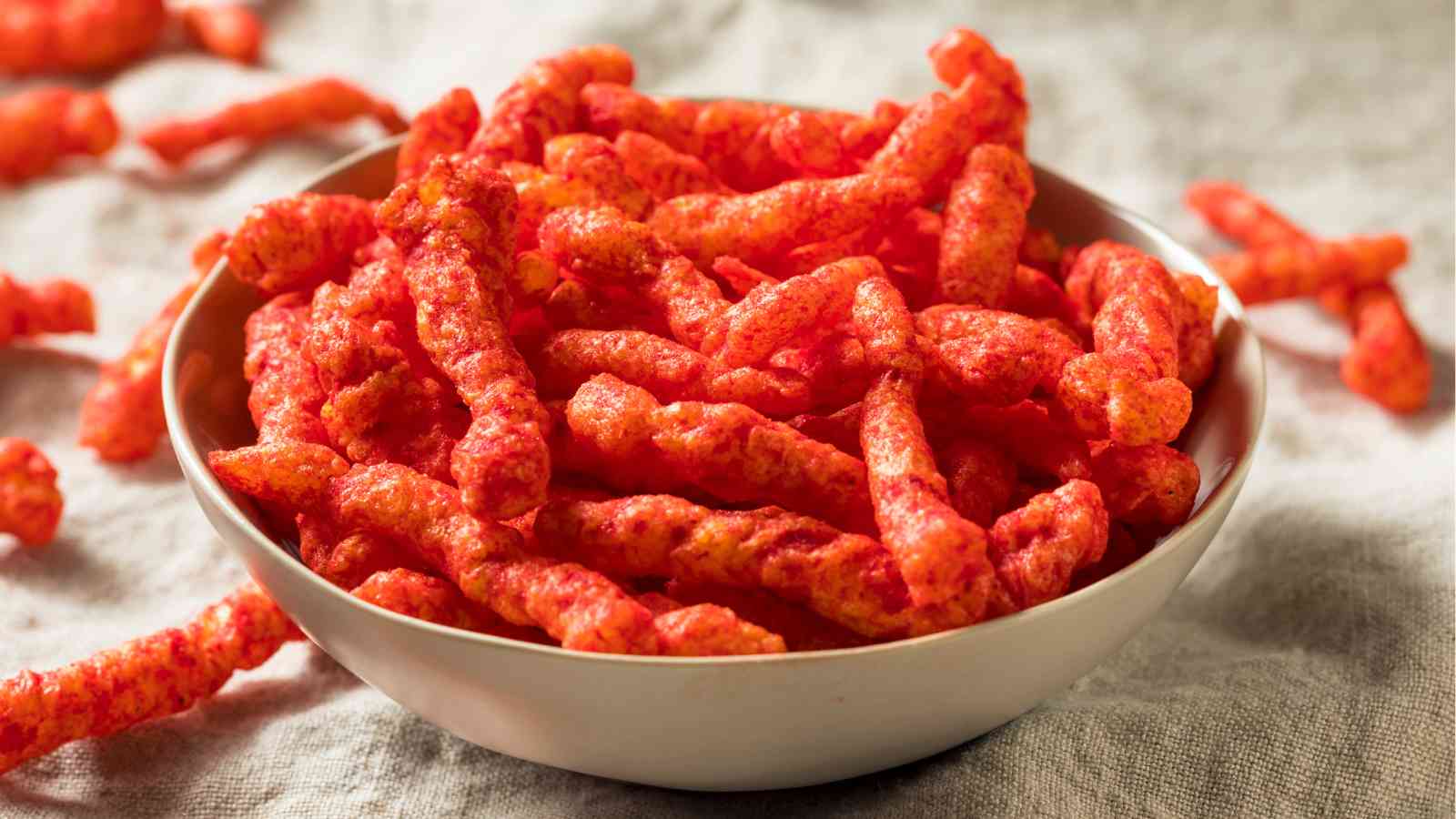
Bold heat levels and neon seasoning powders dominate the snack conversation once Takis and similar ultra-spicy rolled chips enter the picture. Intensity plays a central role, as capsaicin-heavy coatings create a sensory challenge that many teens treat almost like a social dare. Bright red dusted fingers and reaction videos have helped fuel online popularity across platforms like TikTok and YouTube. Texture also matters, with the tightly rolled shape delivering a louder crunch than traditional flat chips. Older adults often focus on sodium content and spice tolerance, while teens lean into the thrill factor and peer-driven hype.
Bubble Tea With Extra Toppings
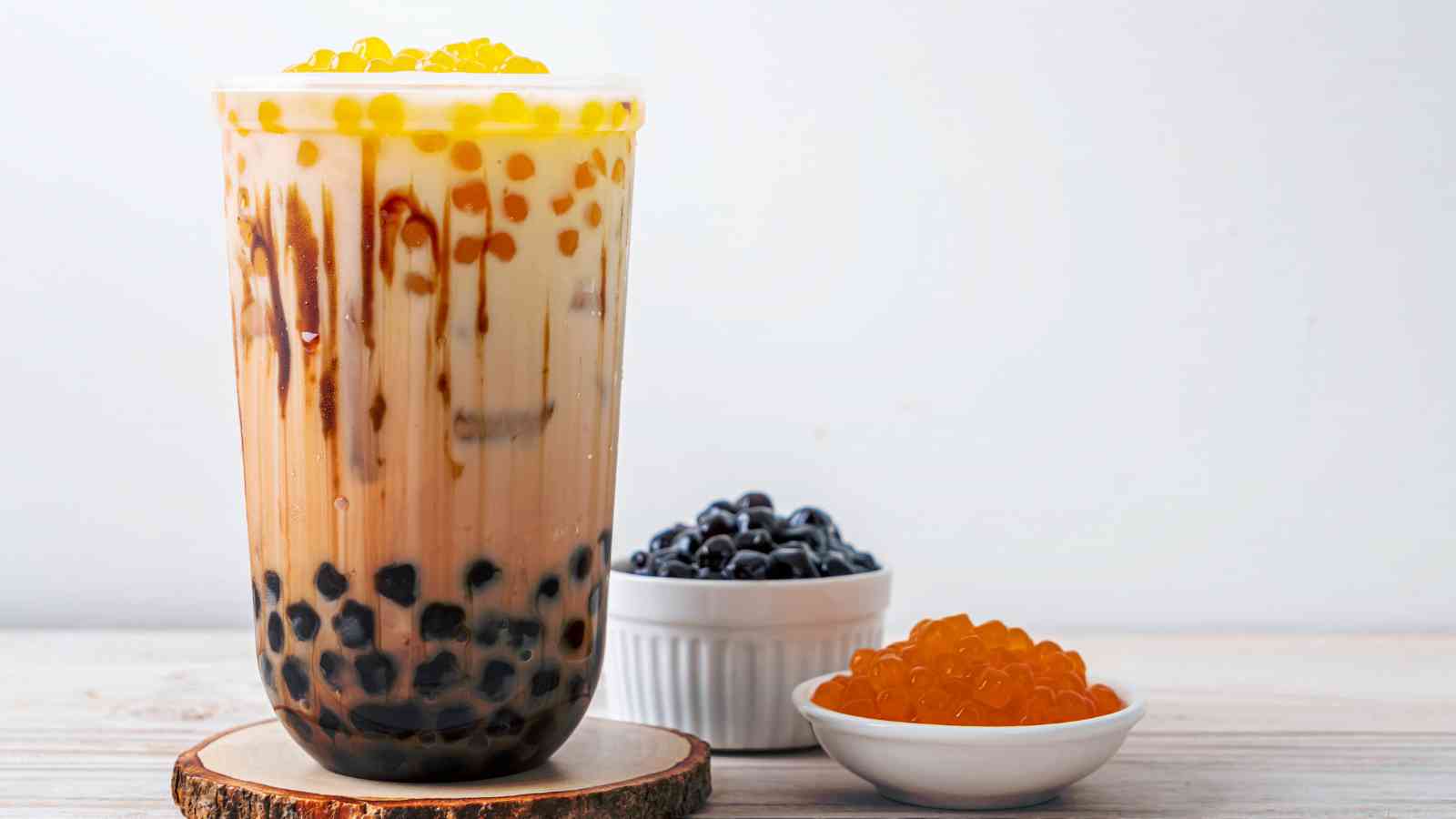
Layered textures come into focus when bubble tea with extra toppings shows up in a teen’s drink order. Originating in Taiwan in the 1980s, the beverage built global popularity through tapioca pearls, fruit jellies, popping boba, and cheese foam. Customization drives the appeal, allowing drinkers to adjust sweetness levels, ice content, and topping combinations. Visual contrast between milk tea swirls and colorful add-ins makes the drink highly shareable online. Older adults often view it as overly busy, while teens treat it as both a beverage and snack in one cup.
Avocado Toast With Unexpected Extras
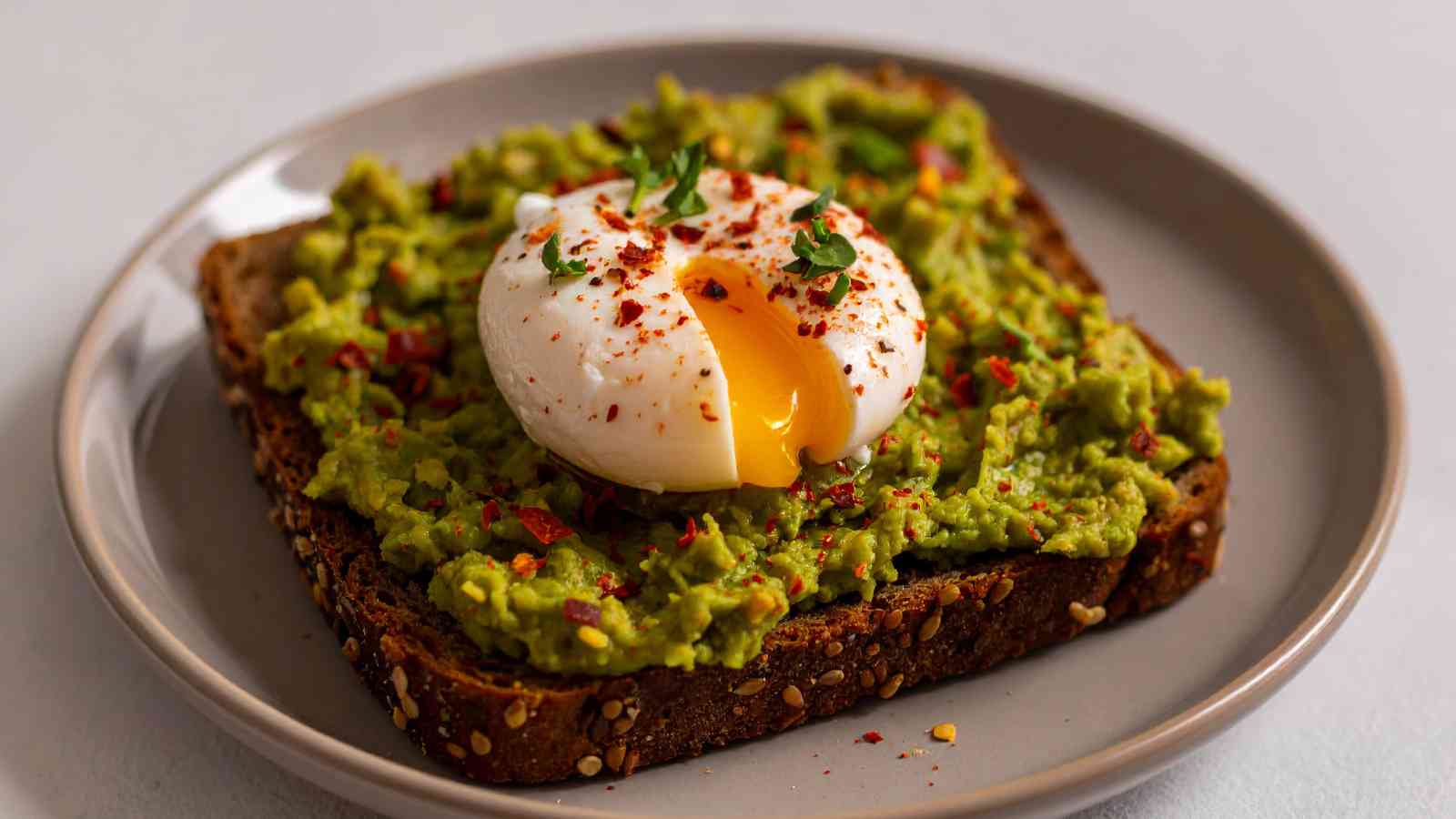
Brunch menus feel more elaborate once avocado toast with unexpected extras becomes the order of choice. Nutrient-dense avocados provide monounsaturated fats and fiber, helping explain the dish’s mainstream wellness reputation. Toppings like poached eggs, chili flakes, feta, smoked salmon, or honey drizzles expand both flavor and price point. Artisan bread bases, including sourdough and multigrain, add further complexity. Older generations often see a simple fruit turned costly entrée, while teens view it as a customizable café staple.
Ramen With Custom Mix-Ins

Customization takes center stage when ramen with custom mix-ins replaces the basic instant bowl many adults remember. Japanese ramen culture traditionally includes regional broths like tonkotsu, shoyu, and miso, each with distinct preparation methods. Teens frequently add soft-boiled eggs, chashu pork, corn, seaweed, or spicy pastes to personalize flavor depth. Restaurant ramen’s slow-simmered broths differ significantly from packaged versions in richness and cost. Older adults often associate ramen with budget meals, making modern gourmet upgrades feel surprising.
Energy Drinks With Unfamiliar Names
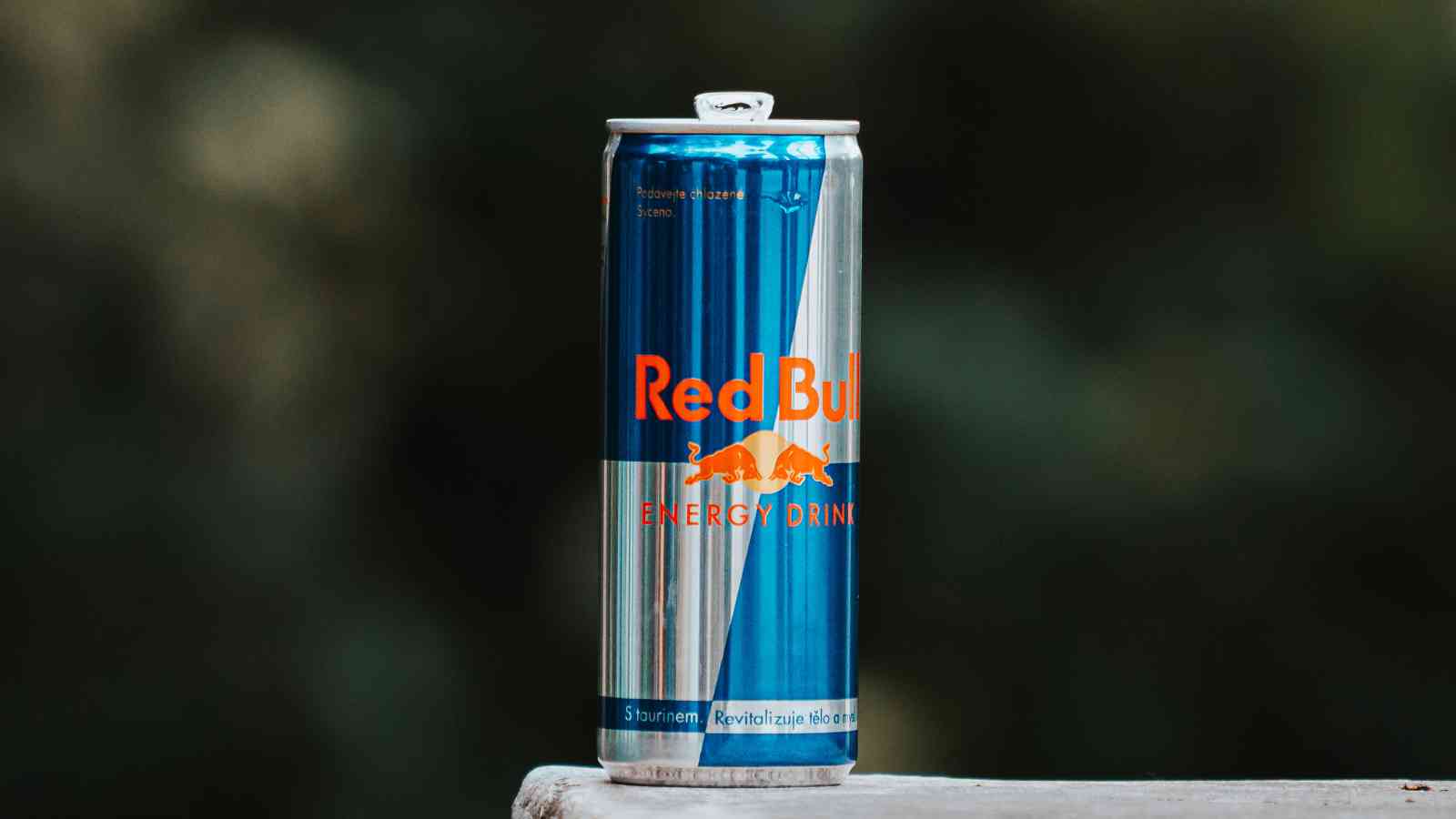
Bright packaging and edgy branding stand out immediately once energy drinks with unfamiliar names appear in teen purchases. Most formulas contain caffeine levels ranging from 80 to over 200 milligrams per serving, alongside taurine, B vitamins, and guarana. Marketing often targets gaming, sports, and extreme performance lifestyles. Limited-edition flavors and collaborations keep product lines rotating quickly. Older adults typically question stimulant content, while teens focus on flavor variety and perceived energy boosts.
Sushi Rolls With Sauces And Crunchy Toppings
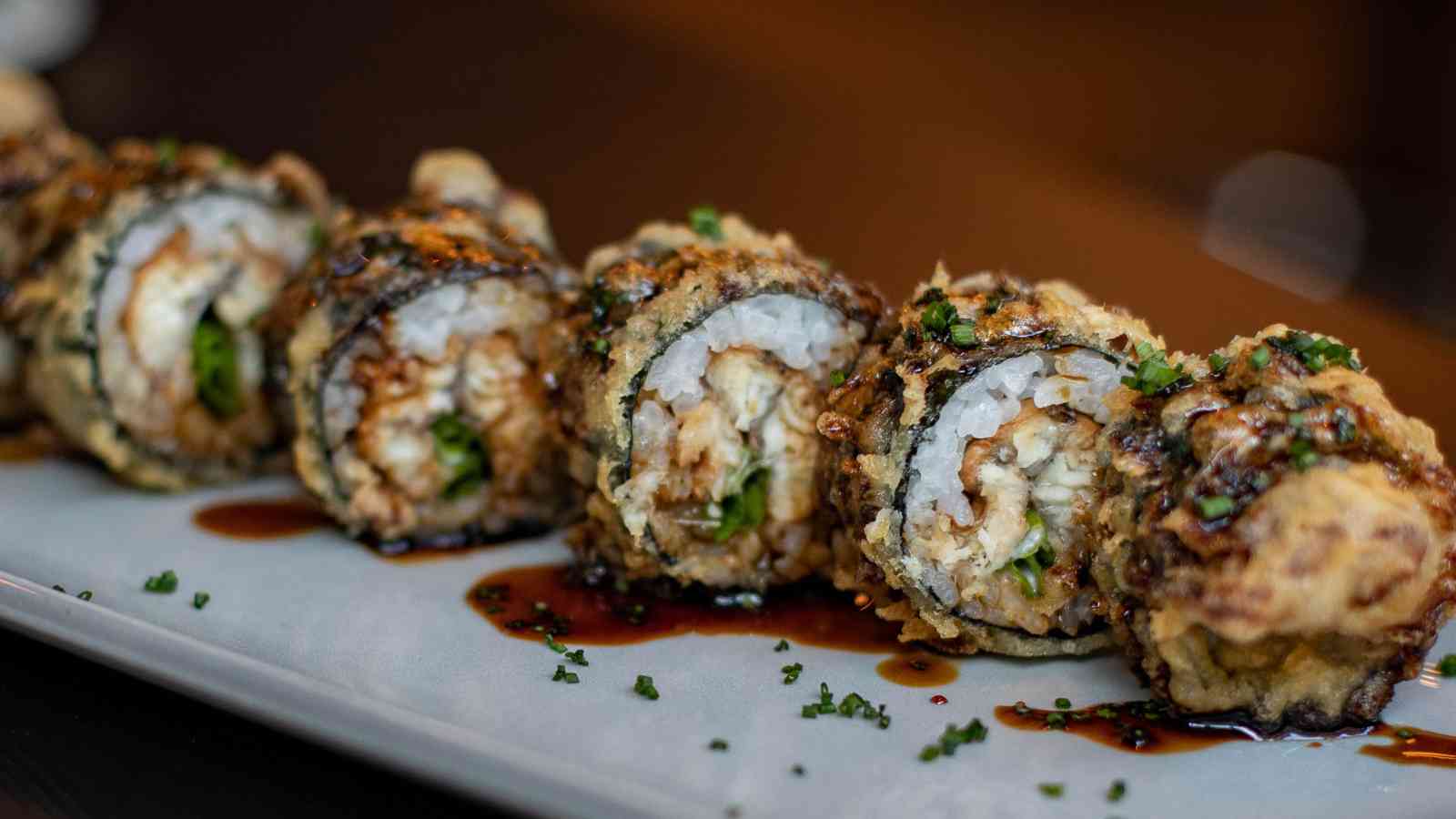
Texture contrasts become more complex when sushi rolls with sauces and crunchy toppings are ordered. Westernized sushi innovations introduced spicy mayo, eel sauce, tempura flakes, and cream cheese to traditional rolls. Fusion styles like the “dragon roll” or “volcano roll” emphasize visual drama alongside flavor. Frying elements add warmth and crispness not found in classic nigiri or sashimi. Older adults familiar with minimalist Japanese presentations often find these layered versions unexpected.
Protein Bars That Read Like Science Labels
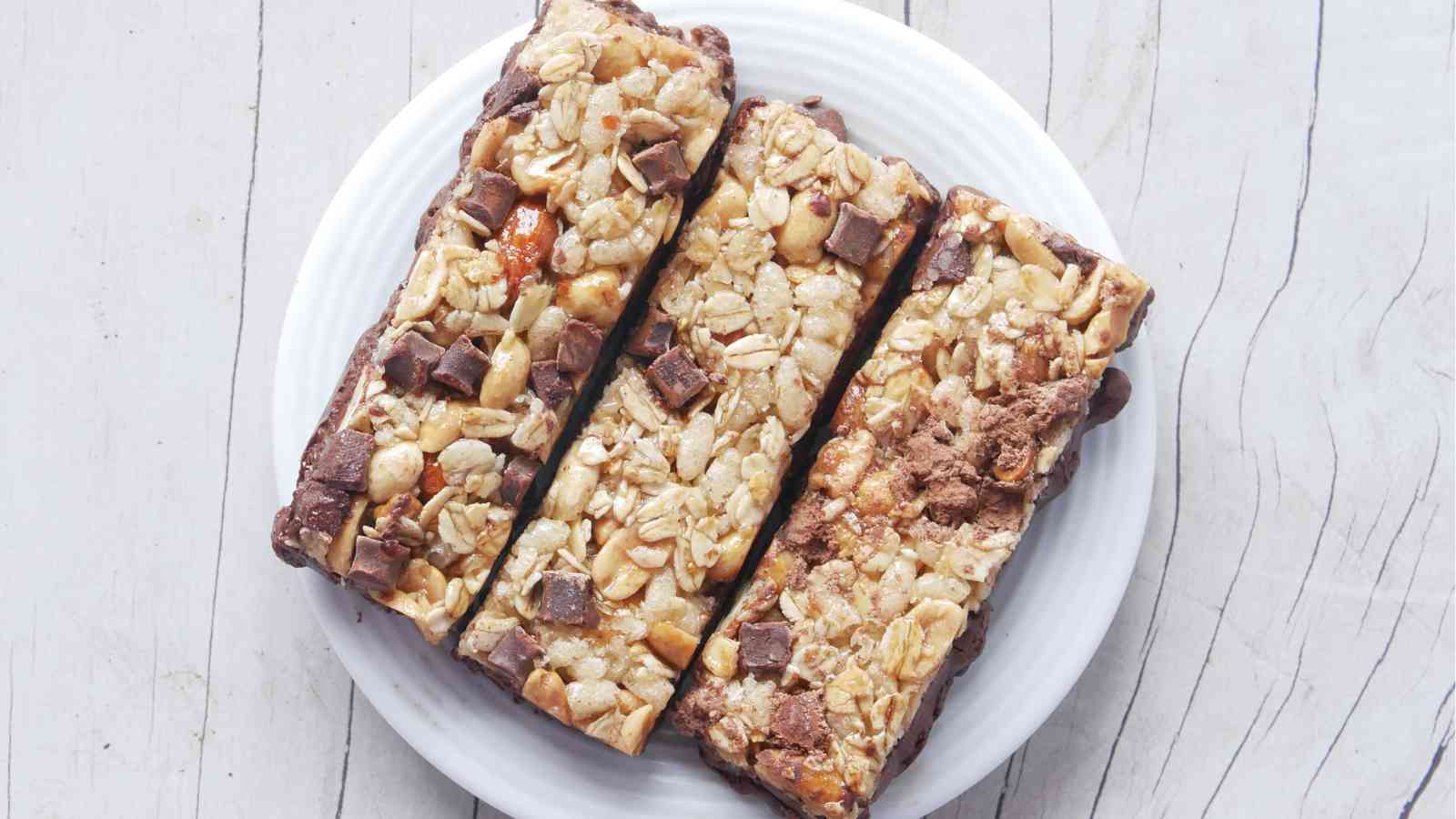
Ingredient lists grow longer once protein bars that read like science labels enter snack rotations. Many bars contain whey, casein, soy, or plant proteins designed to support muscle recovery and satiety. Added components such as chicory root fiber, sugar alcohols, and micronutrient blends contribute to dense nutrition panels. Fitness culture and meal-replacement marketing have pushed these into everyday teen consumption. Older adults often compare them to simpler granola bars from earlier decades.
Loaded Fries With Multiple Toppings
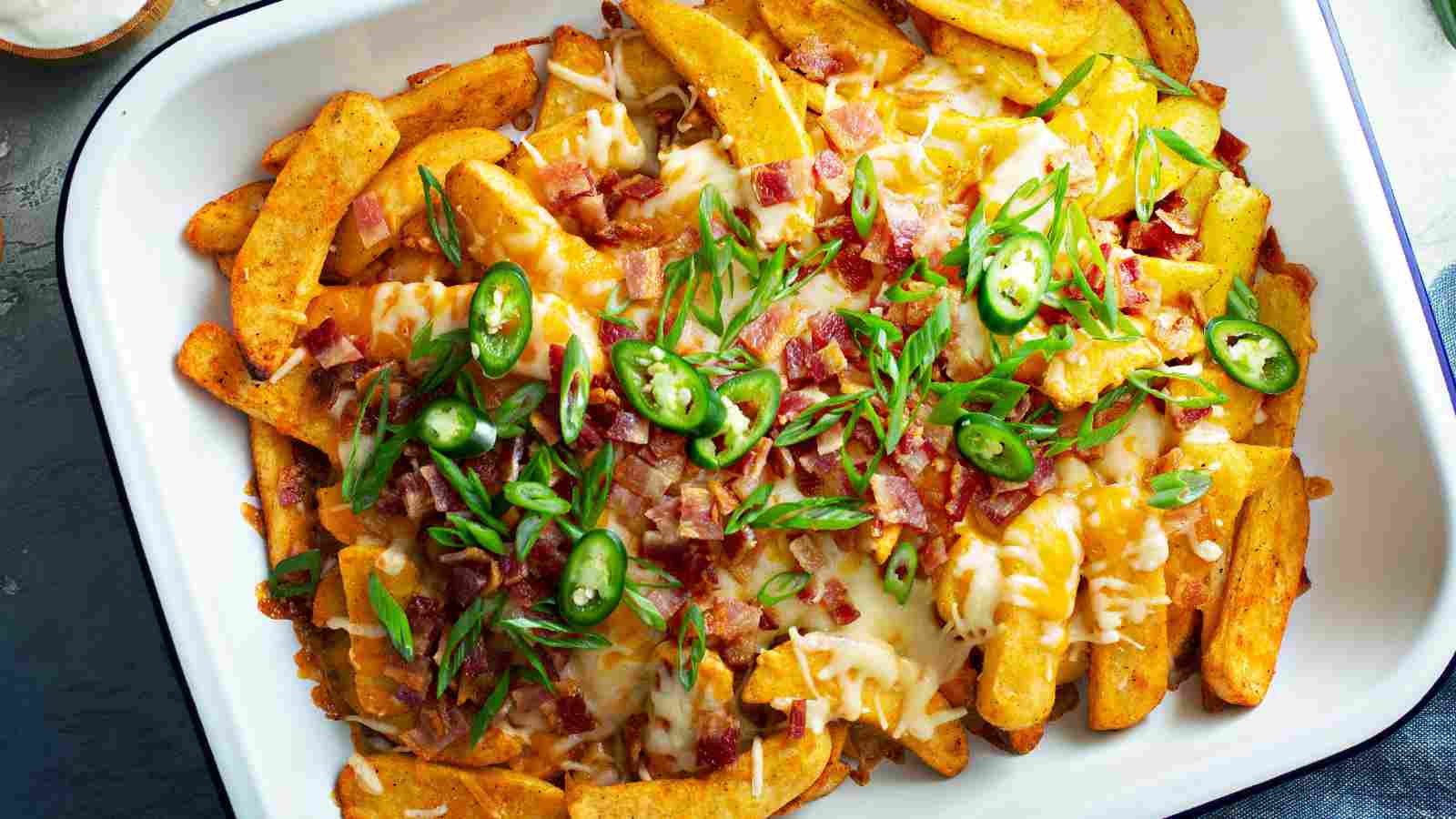
Portion sizes expand quickly when loaded fries with multiple toppings land on the table. Cheese sauces, bacon bits, jalapeños, pulled pork, and aioli drizzles transform a side dish into a shareable entrée. Restaurant menus frequently market them as appetizers meant for groups. Layering hot toppings over crisp fries creates contrasting textures that drive appeal. Older adults may view them as excessive, while teens see value in the all-in-one format.
Sweet-And-Salty Snack Combinations

Flavor contrasts take priority once sweet-and-salty snack combinations become the go-to pick. Pairings like chocolate-covered pretzels or caramel popcorn with sea salt rely on sensory balance. Food science shows that salt can heighten perceived sweetness, intensifying overall flavor impact. Snack brands have expanded product lines to capitalize on this dual-taste appeal. Older adults often prefer separated categories, while teens embrace the mashup experience.
Drinks Labeled As “Functional”
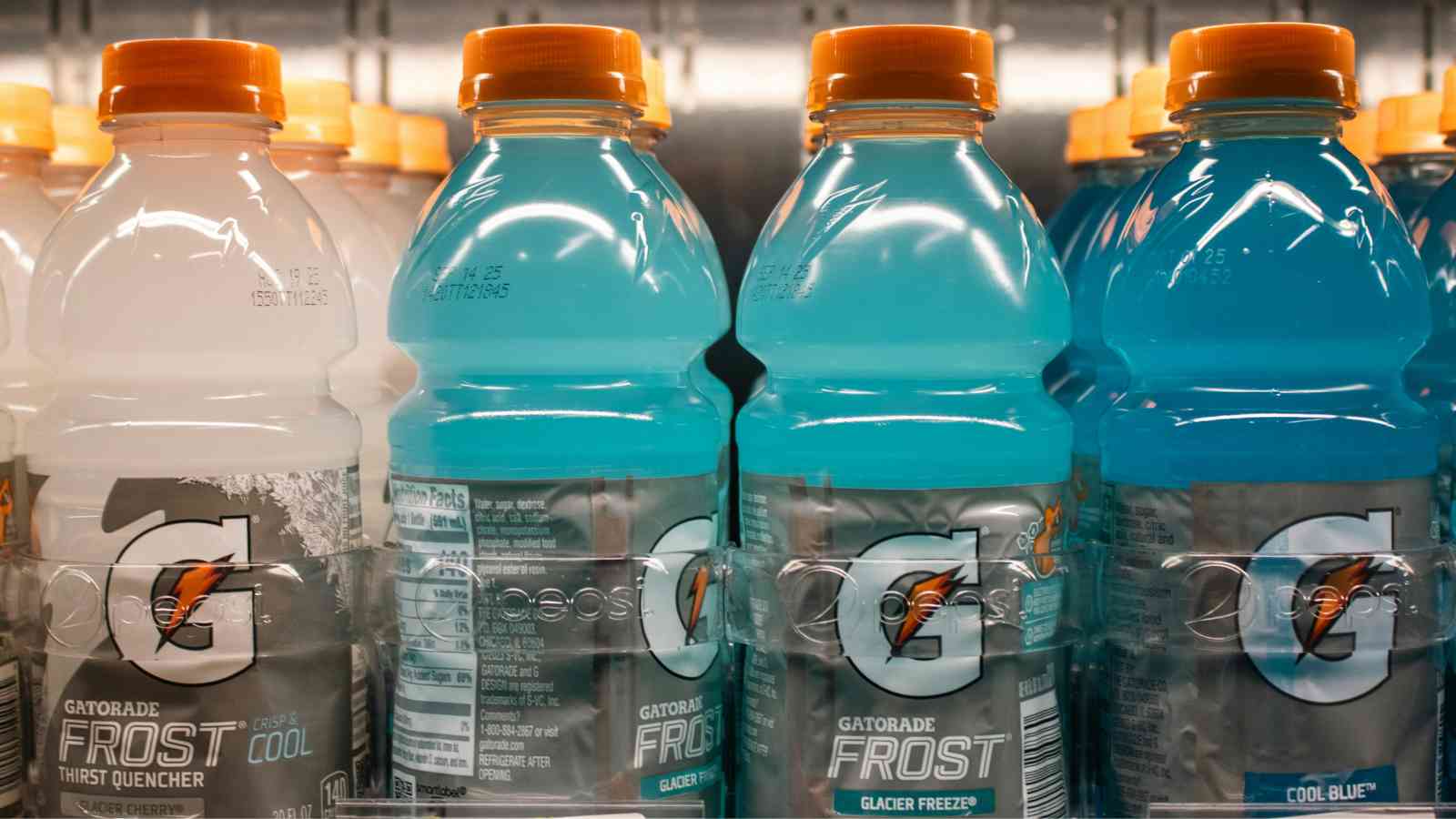
Health positioning becomes a selling point when drinks labeled as “functional” are casually added to orders. Formulations may include electrolytes, probiotics, adaptogens, collagen, or added vitamins. Beverage companies market these products around hydration, focus, skin health, or recovery benefits. Packaging frequently highlights wellness buzzwords that resonate with younger consumers. Older adults sometimes question necessity, viewing them as upgraded versions of standard beverages.
Flavored Sparkling Waters
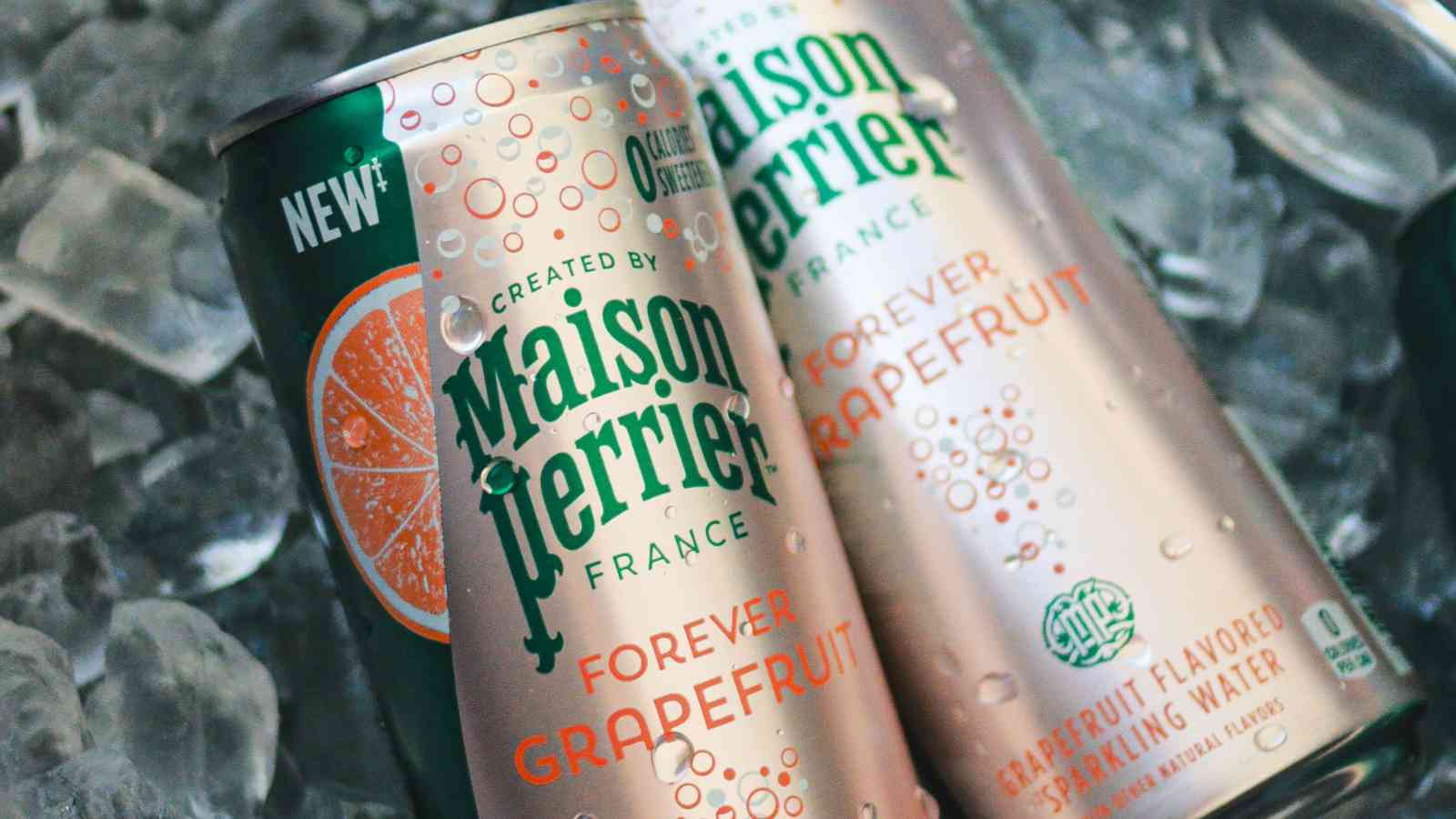
Exotic flavor infusions stand out once flavored sparkling waters enter teen refrigerators. Carbonation provides a soda-like mouthfeel without the sugar levels found in soft drinks. Combinations such as cucumber-mint, mango-chili, and blackberry-lavender reflect global flavor experimentation. Many brands use natural essences rather than syrups for scent and taste. Older adults often compare them to plain mineral water, while teens enjoy the sensory variety.
Matcha-Flavored Desserts And Drinks
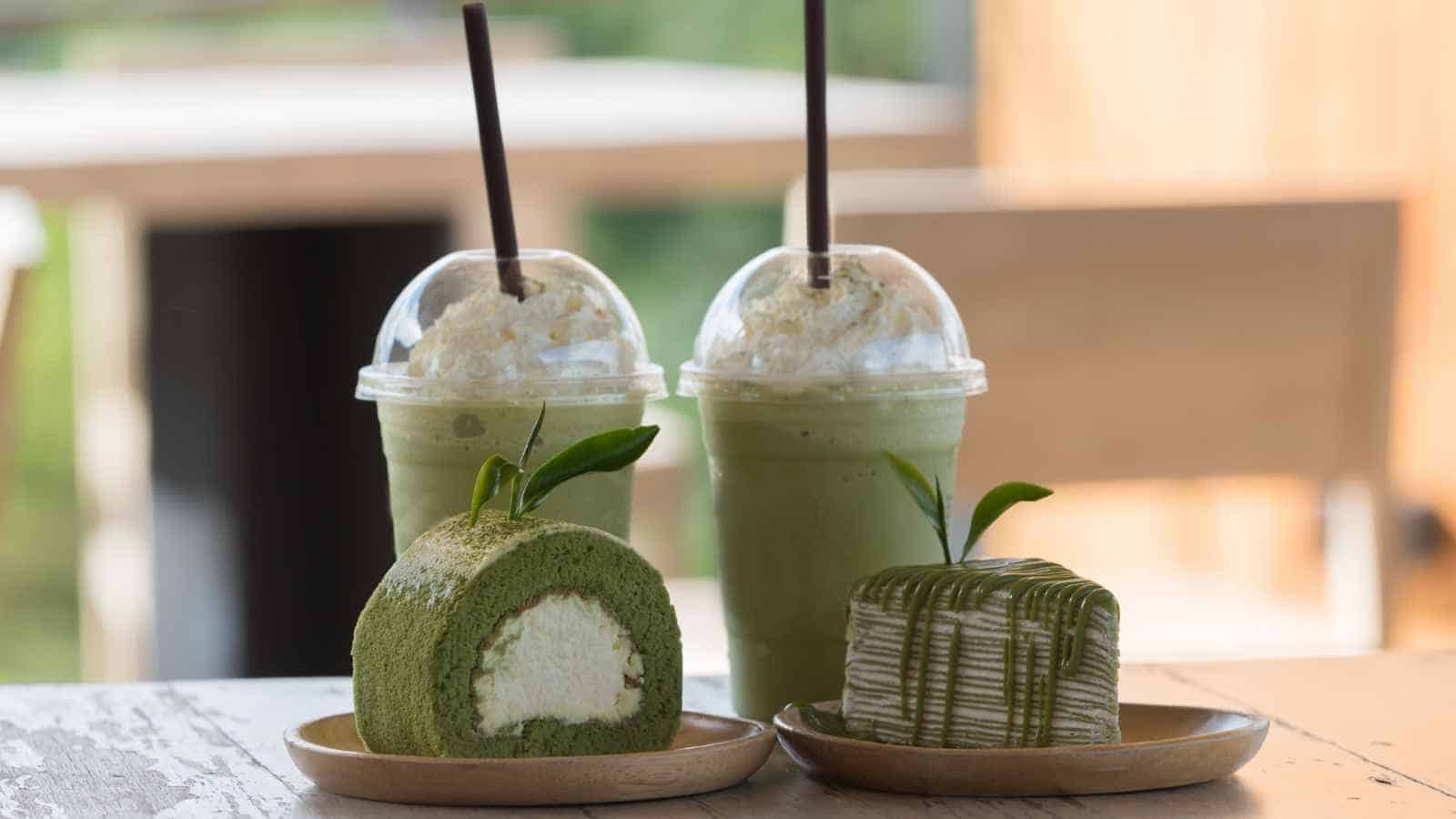
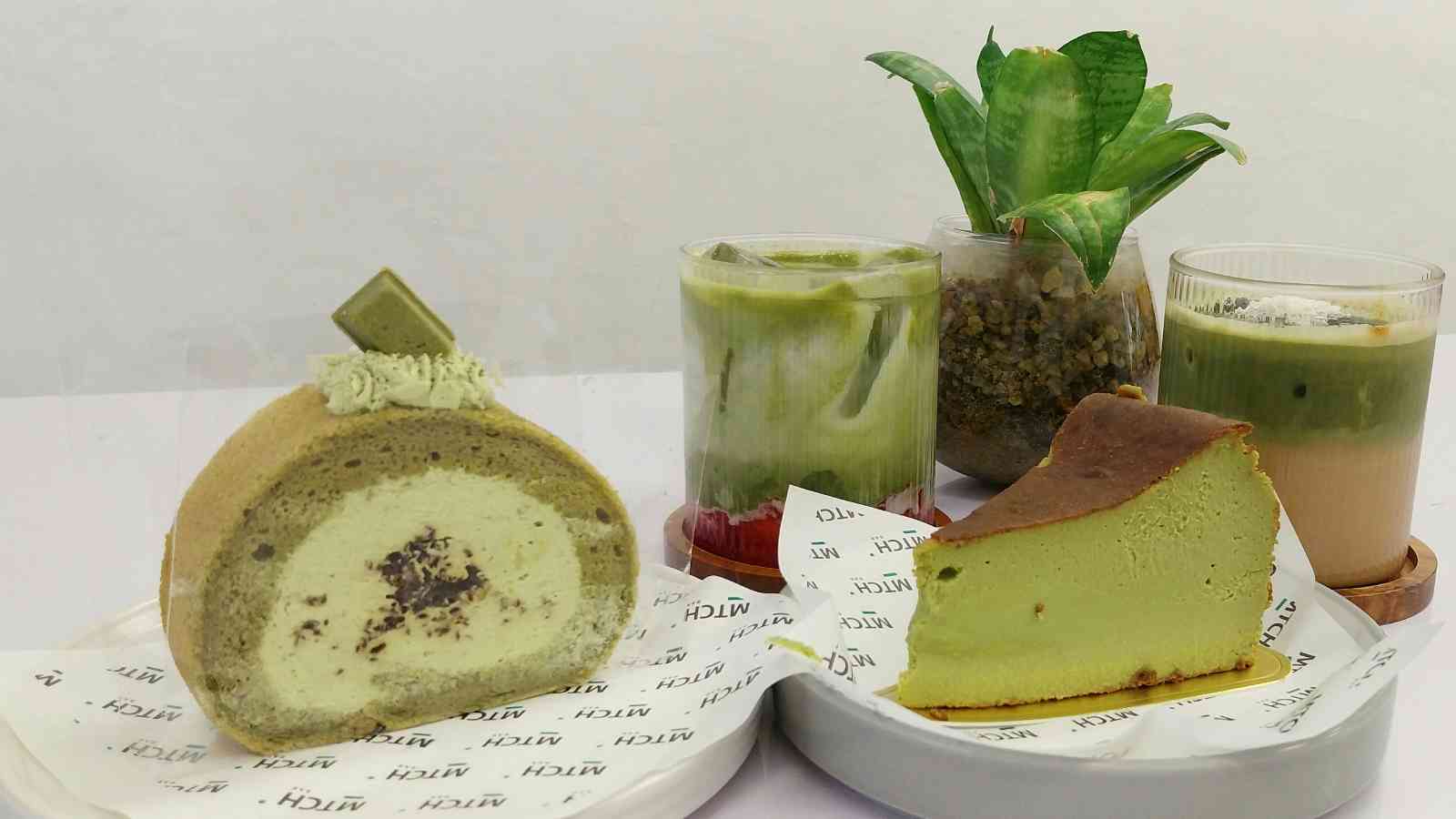
Earthy green tones stand out immediately once matcha-flavored desserts and drinks enter café orders. Matcha is a powdered Japanese green tea made from shade-grown leaves, traditionally used in tea ceremonies. Its flavor carries a grassy bitterness balanced with sweetness in lattes, cakes, and soft-serve. Caffeine content sits between coffee and standard tea, offering a milder energy lift. Older adults often expect tea to be steeped and clear, making powdered formats feel unconventional.
Croffles (Croissant Waffles)

Hybrid pastries gain attention when croffles start appearing on café menus. Croffles combine croissant dough pressed in a waffle iron, creating crisp ridges outside and flaky layers inside. Originating in South Korea’s café scene, the trend spread globally through social media. Toppings range from powdered sugar to ice cream and caramel drizzle. Older adults used to classic waffles often find the laminated pastry twist surprising.
Hot Pot With Individual Broths
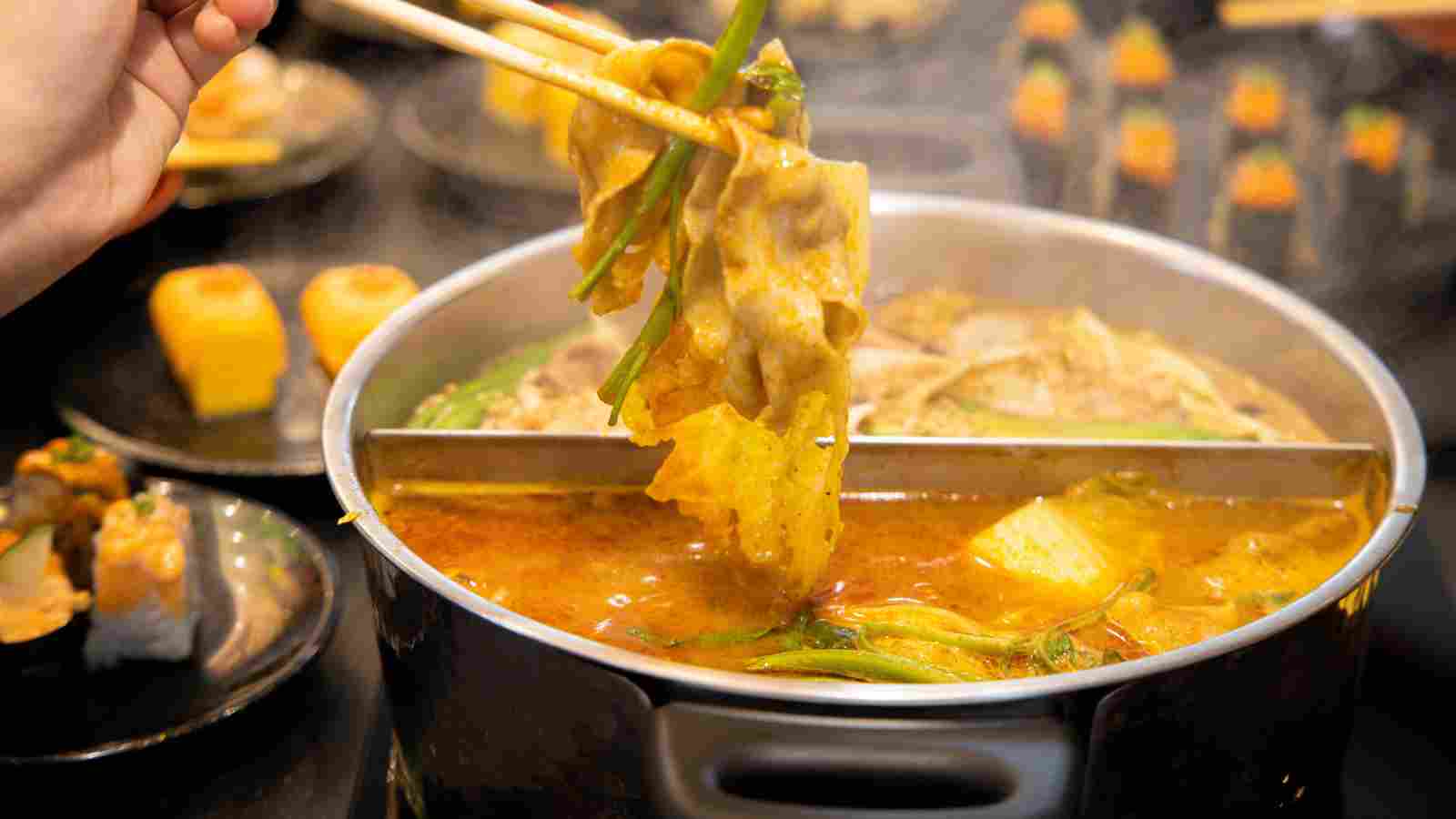
Communal dining shifts perspective once hot pot with individual broths becomes the group meal choice. Popular across China and other parts of East Asia, hot pot involves simmering meats and vegetables tableside. Modern restaurants offer split pots so diners can choose different soup bases. Cooking food personally at the table turns dinner into an activity. Older adults may prefer pre-cooked dishes, while teens enjoy the interactive forma
Spam Musubi
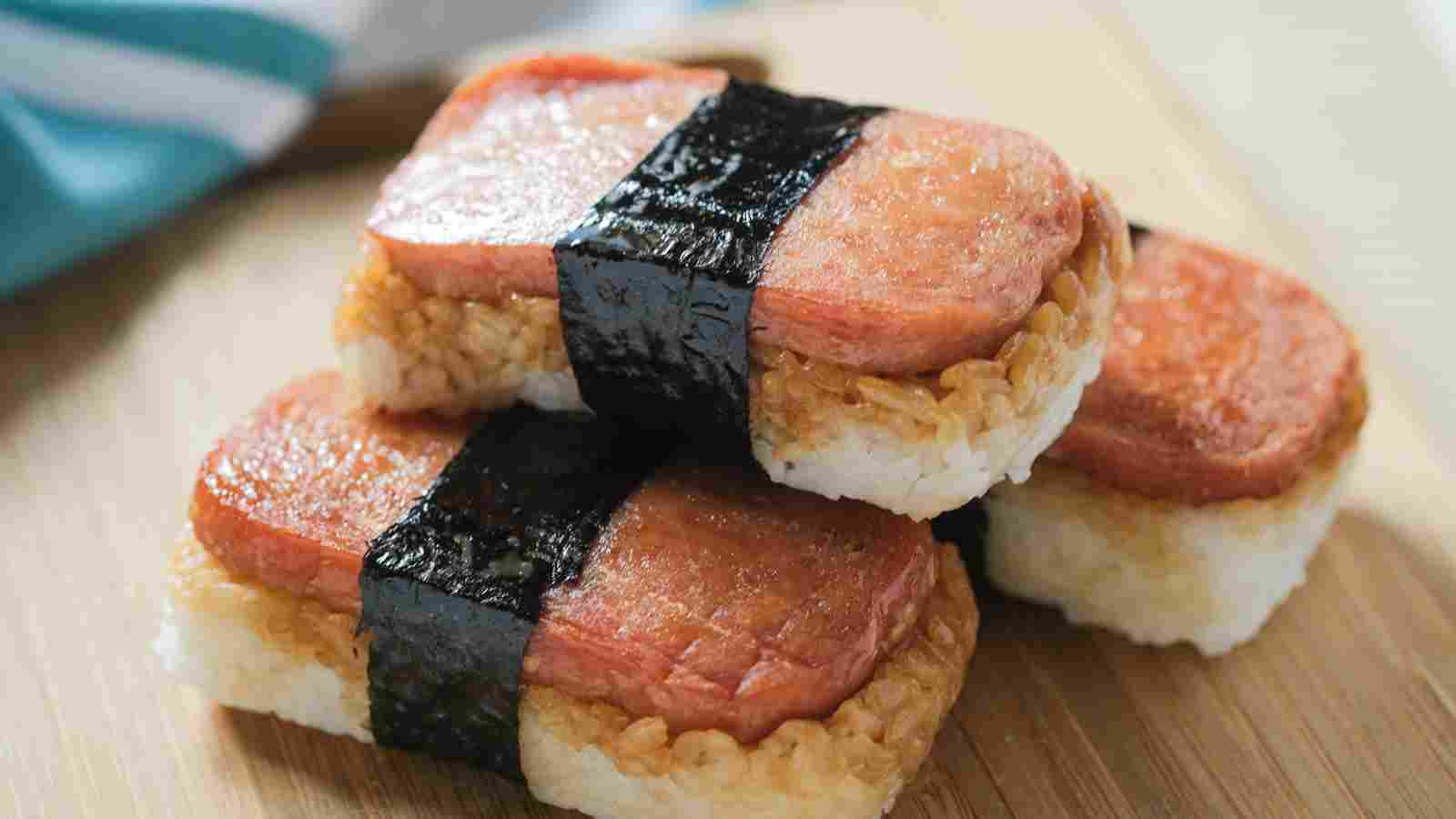
Convenience meets fusion once Spam musubi enters teen snack choices. Originating in Hawaii, the item features grilled Spam placed over rice and wrapped with seaweed. Japanese onigiri influenced its structure, while American canned meat shaped its identity. Sweet soy glaze often coats the Spam for added flavor. Older adults unfamiliar with Hawaiian convenience foods may find the pairing unexpected.
15 Weird Food Combos That Are Way More Popular Than You’d Think

As odd as they may seem at first, once you try them, you might be surprised at how much they mess with your expectations—in a good way. Try a few yourself, and you might just find your new favorite craving!
20 U.S. Dishes That Non-Americans Find Totally Bizarre

Here are 20 U.S. dishes that non-Americans often find totally bizarre—and why they raise so many eyebrows abroad. These dishes might make perfect sense to someone raised with them, but to many from other cultures, they’re head-scratchers.

Tamara Tsaturyan is the owner and writer of Thriving In Parenting, a website focused on providing simple tips for busy parents — easy and healthy recipes, home decor and organization ideas and all things P A R E N T I N G.

Share Your Thoughts!
I love to know your thoughts, make sure to comment below to start a discussion! You can also follow me on your favorite social network below.