We live in a time where quick fixes like supplements and over-the-counter medications are often the go-to when it comes to constipation. But interestingly, your bowels respond to food in so many different ways. While supplements might seem like the easiest solution, they don’t always address the root cause or offer lasting relief. Fortunately, nature has a number of foods that can help keep your digestive system in check without resorting to pills. If you’ve been struggling with constipation, these 25 common foods might be exactly what you need to get things moving again.
What’s great about these foods is that not only do they promote regular bowel movements, but they also provide a number of other health benefits. Adding them to your diet regularly can improve digestion, boost fiber intake, and even help with other aspects of gut health.

Prunes

A staple for relieving constipation, prunes are rich in both soluble and insoluble fiber, which helps to keep things moving smoothly. They also contain sorbitol, a sugar alcohol that acts as a natural laxative by drawing water into the intestines, making stools easier to pass. Along with digestive benefits, prunes are packed with antioxidants, which support overall health. Including a handful of prunes in your diet can help you avoid the discomfort of constipation and boost your daily fiber intake. They also work wonders for promoting a healthier gut microbiome.
Popcorn

Popcorn isn’t just a tasty snack—it’s also a fiber-packed powerhouse! Whole grain popcorn contains insoluble fiber, which helps add bulk to stools and speeds up movement through the digestive tract. This simple snack can help relieve constipation without any harsh ingredients or additives. Plus, it’s low in calories, so you can munch on it guilt-free while benefiting from its digestive perks. Add a bit of olive oil or season it with your favorite herbs to enhance the flavor and reap the fiber benefits.
Chia Seeds

Tiny but mighty, chia seeds are loaded with fiber and omega-3 fatty acids, both of which promote healthy digestion. The fiber in chia seeds forms a gel-like substance when it absorbs water, which helps soften stool and ease constipation. Just a tablespoon of chia seeds in your morning smoothie or yogurt can do wonders for your digestive system. They also help you feel fuller for longer, making them a great addition to your diet for weight management. Their ability to absorb water makes them ideal for preventing dehydration-related constipation too.
Apples
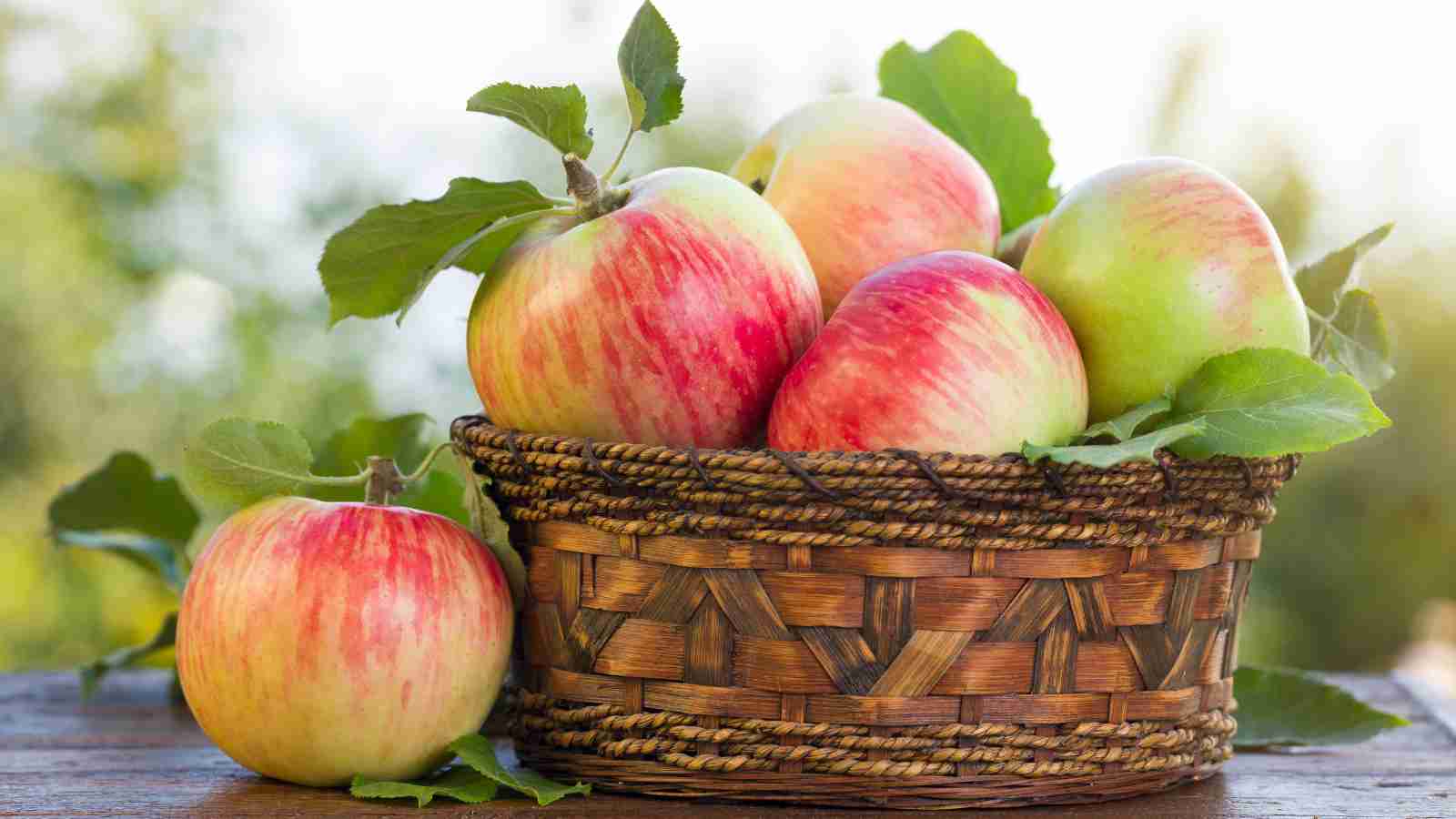
Packed with fiber, apples contain both soluble and insoluble types, making them a great choice for easing constipation. The soluble fiber, known as pectin, absorbs water and forms a gel-like substance in the intestines, softening stools. Apples also contain natural sugars like sorbitol, which can help to draw water into your intestines. Eating an apple with the skin on maximizes the fiber content, which helps keep things moving smoothly. On top of digestive benefits, apples are rich in antioxidants that support your overall health.
Leafy Greens

Leafy greens, such as spinach, kale, and Swiss chard, are loaded with fiber, magnesium, and water—three components that work together to support digestive health. Magnesium in particular helps to relax the muscles in your digestive tract, easing constipation. These greens are also low in calories and high in vitamins, making them an excellent choice for a healthy, balanced diet. Whether you add them to salads, smoothies, or cooked dishes, they can help keep things flowing. The high fiber content adds bulk to your stool, helping it pass through the intestines more easily.
Nuts

Nuts, especially almonds, walnuts, and pistachios, provide a generous amount of fiber, which helps bulk up stool and promote regularity. They’re also packed with healthy fats that lubricate the intestines, making it easier for stool to move through the digestive system. Snacking on a handful of nuts or adding them to meals can help prevent constipation, and they also provide protein and other nutrients to support overall health. The fiber in nuts helps both to prevent and alleviate constipation, making them a must-have for digestive health. Just be mindful of portion sizes, as they’re calorie-dense.
Dried Fruits

Dried fruits like apricots, raisins, and figs are natural laxatives, as they’re rich in fiber and sorbitol. Sorbitol works by drawing water into the intestines, helping to soften stool and make it easier to pass. Dried fruits are also a great source of antioxidants, vitamins, and minerals, which benefit your overall health. Adding a handful of dried fruit to your morning cereal or as a snack can promote digestive health while satisfying your sweet tooth. They’re also easy to carry around, making them a convenient option for busy days.
Flaxseeds

Flaxseeds are small but packed with fiber and omega-3 fatty acids, which support healthy digestion and reduce constipation. The soluble fiber in flaxseeds forms a gel-like substance when mixed with water, which helps soften stool and promote regular bowel movements. They’re also a good source of lignans, which have antioxidant properties and support hormonal balance. Incorporating flaxseeds into your daily routine can help regulate your digestive system and improve overall gut health. Just add them to smoothies, oatmeal, or baked goods for an easy boost of fiber.
Whole Grains

Whole grains like quinoa, barley, and brown rice are high in fiber, which aids in digestion and helps prevent constipation. The fiber in whole grains adds bulk to stool and speeds up its passage through the intestines. They also help maintain a healthy gut microbiome, which is essential for overall digestive health. Switching to whole grains instead of refined grains in your diet can provide long-term benefits, helping you stay regular and improve your overall gut function. Plus, they’re rich in essential vitamins and minerals like iron and B vitamins.
Bananas

Bananas are known for their high potassium content, but they’re also a great source of fiber, especially when eaten unripe. Green bananas contain resistant starch, which acts as a prebiotic, promoting healthy gut bacteria and easing constipation. As bananas ripen, their fiber content changes, offering different benefits to your digestive system. Whether you prefer them ripe or slightly under-ripe, adding bananas to your diet can keep things moving without any harsh ingredients. They’re also gentle on the stomach, making them easy to digest, even when you’re not feeling your best.
Oatmeal

Oatmeal is an excellent source of soluble fiber, particularly beta-glucan, which helps to soften stool and promote regular bowel movements. The fiber in oatmeal forms a gel-like substance that holds water in your intestines, making stools easier to pass. Oatmeal is also a good source of magnesium, which helps relax your digestive muscles and support smoother digestion. Enjoying a warm bowl of oatmeal in the morning can help set the tone for a healthy digestive day. It’s also easy to customize with fruits, nuts, or seeds for added fiber and flavor.
Yogurt

Probiotic-rich foods like yogurt contain live bacteria that support your digestive system and help maintain a healthy gut microbiome. These beneficial bacteria can improve bowel movements and help relieve constipation by enhancing the function of your intestines. Yogurt is also a great source of calcium and protein, which are essential for overall health. Including yogurt with active cultures in your diet regularly can promote gut health and improve digestion. Choose plain, unsweetened varieties to maximize the digestive benefits and avoid unnecessary sugar.
Sesame Seeds

Sesame seeds are packed with fiber, which adds bulk to stool and helps prevent constipation. They also contain healthy fats, which can lubricate the intestines and make it easier for stool to pass. In addition to supporting digestion, sesame seeds are rich in calcium and magnesium, both of which support bone health. Adding sesame seeds to salads, stir-fries, or smoothies is an easy way to boost your fiber intake and keep your digestive system in top shape. Their nutty flavor also adds a nice crunch to your meals.
Kefir

Kefir, a fermented milk drink, is loaded with probiotics that support healthy digestion. The live cultures in kefir help balance the bacteria in your gut, improving bowel function and reducing constipation. It’s also rich in calcium and other nutrients that promote overall health. Drinking a glass of kefir each day can help regulate your digestive system and keep things running smoothly. Plus, it’s easily digestible and a great alternative to regular milk for people who may have lactose sensitivities.
Sauerkraut

Fermented foods like sauerkraut are packed with probiotics, which can improve digestion and relieve constipation. The beneficial bacteria in sauerkraut help regulate bowel movements and enhance gut health. Sauerkraut is also rich in fiber, which adds bulk to stool and promotes smooth passage through the intestines. Adding a small serving of sauerkraut to your meals can support healthy digestion and provide a tangy flavor boost. It’s also a great source of vitamins, particularly vitamin C.
Legumes

Beans, lentils, and chickpeas are high in fiber, which makes them a fantastic food for promoting bowel regularity. The fiber in legumes helps add bulk to stool and speeds up its passage through the digestive system. Legumes are also rich in protein and other nutrients like iron and folate, which contribute to overall health. Incorporating legumes into your diet can help prevent constipation and support long-term digestive health. They’re versatile, too—add them to salads, stews, or make a batch of hummus for a fiber boost.
Kiwifruit

Kiwifruit is known for its high fiber content, especially its combination of soluble and insoluble fibers, which help promote regular bowel movements. The enzyme actinidin in kiwi also aids in digestion by breaking down proteins, which can improve gut motility. Eating kiwifruit regularly can help relieve constipation and support healthy digestion. It’s also packed with vitamin C, which strengthens your immune system. Snack on kiwifruit or add it to smoothies for a refreshing and fiber-filled boost.
Grapes

Small but powerful, grapes contain both soluble and insoluble fiber, which helps keep your digestive system functioning smoothly. The natural sugars in grapes, like sorbitol, help to draw water into your intestines, easing the passage of stool. Grapes also contain antioxidants, which support overall health and protect the digestive system from inflammation. Adding a handful of grapes to your diet can help prevent constipation while offering a sweet and satisfying snack. They’re easy to pack in your lunch or enjoy on the go.
Blackberries

Blackberries are packed with fiber, particularly soluble fiber, which adds bulk to stool and helps with regular bowel movements. The antioxidants in blackberries also help protect your gut and reduce inflammation, promoting overall digestive health. A serving of blackberries can provide up to 8 grams of fiber, making them a great option for constipation relief. Enjoy them fresh, blended into smoothies, or tossed into oatmeal for a fiber boost. They’re also low in calories, so you can indulge without feeling guilty.
Figs

Figs are loaded with fiber and natural sugars, such as sorbitol, which can help promote regular bowel movements. They also contain prebiotics, which support the growth of healthy bacteria in your gut, improving overall digestive health. Dried or fresh figs are an easy and natural way to get your digestive system on track. Add them to your morning oatmeal, eat them as a snack, or blend them into smoothies. Besides easing constipation, figs are a great source of antioxidants, which can help protect against oxidative stress.
Sweet Potatoes

Sweet potatoes are rich in fiber and water, both of which help prevent constipation and keep your digestive system running smoothly. The soluble fiber in sweet potatoes helps absorb water in the intestines, softening stool and promoting easy passage. They also contain a healthy amount of potassium, which helps balance fluids and regulate bowel function. Sweet potatoes are a versatile food—roast, mash, or use them in soups to enjoy their digestive benefits. They’re also packed with vitamins, particularly vitamin A, which supports your immune system.
Green Peas

Green peas are high in fiber, making them a great food for relieving constipation. The fiber in peas adds bulk to stool and helps move it through the intestines more easily. Peas are also a great source of protein, which helps support overall digestive function. You can enjoy them as a side dish, toss them in soups, or blend them into dips for an easy way to add fiber to your meals. They’re quick to cook and easy to include in any dish, making them a convenient choice for digestive health.
Avocado

Avocados are packed with fiber, healthy fats, and potassium, all of which contribute to smooth digestion. The fiber in avocado helps add bulk to stool and keep bowel movements regular. The healthy fats in avocados also help lubricate the intestines, making it easier for stool to pass. Plus, they contain potassium, which helps balance electrolytes and prevent constipation caused by dehydration. Add avocado to salads, toast, or smoothies for a creamy, fiber-rich treat.
Rhubarb

Rhubarb contains fiber and compounds known to act as natural laxatives, promoting regular bowel movements. The fiber in rhubarb adds bulk to stool, while anthraquinones, a compound found in rhubarb, stimulates the muscles in the intestines to help move stool through the digestive tract. It’s also packed with vitamins and antioxidants, which contribute to overall health. Rhubarb’s tart flavor makes it perfect for jams, sauces, and pies, so you can enjoy a tasty treat while benefiting your digestive system. Just be mindful to cook rhubarb, as its raw form can be too tart and contain oxalates.
Pears

Pears are rich in fiber, especially pectin, which helps draw water into the intestines and soften stool for easier passage. Pears are also high in sorbitol, a natural sugar that promotes bowel regularity by drawing water into the colon. They’re a great fruit for digestion, and the soluble fiber they provide supports overall gut health. Whether eaten raw or added to salads or smoothies, pears offer a delicious and healthy way to stay regular. Plus, they’re low in calories and packed with vitamins and minerals to support your overall health.
Want Ozempic-Like Benefits Without the Side Effects of the Drug? Eat These!

While it has helped many people lose weight, it’s not the only way to activate the same hunger-regulating mechanisms in the body. There are certain foods that naturally boost GLP-1, the same hormone Ozempic targets, helping to regulate appetite, stabilize blood sugar, and promote weight loss in a safer, more sustainable way. If you’re looking for a more natural approach, here’s what to eat to get similar effects. Plus, these options are packed with nutrients that improve overall health, not just weight management. Try incorporating them into your meals and see the difference they make!
18 Foods That Help Prevent Hair Loss and Promote Growth

Many foods contain powerful nutrients that help support hair growth by improving scalp health, reducing oxidative stress, and enhancing the strength of each strand. By incorporating the right foods into your diet, you can ensure your hair follicles have the nutrients they need to thrive. It’s time to fuel your hair from the inside out with these nutrient-rich foods that help combat hair loss and stimulate new growth!

Tamara Tsaturyan is the owner and writer of Thriving In Parenting, a website focused on providing simple tips for busy parents — easy and healthy recipes, home decor and organization ideas and all things P A R E N T I N G.

Share Your Thoughts!
I love to know your thoughts, make sure to comment below to start a discussion! You can also follow me on your favorite social network below.