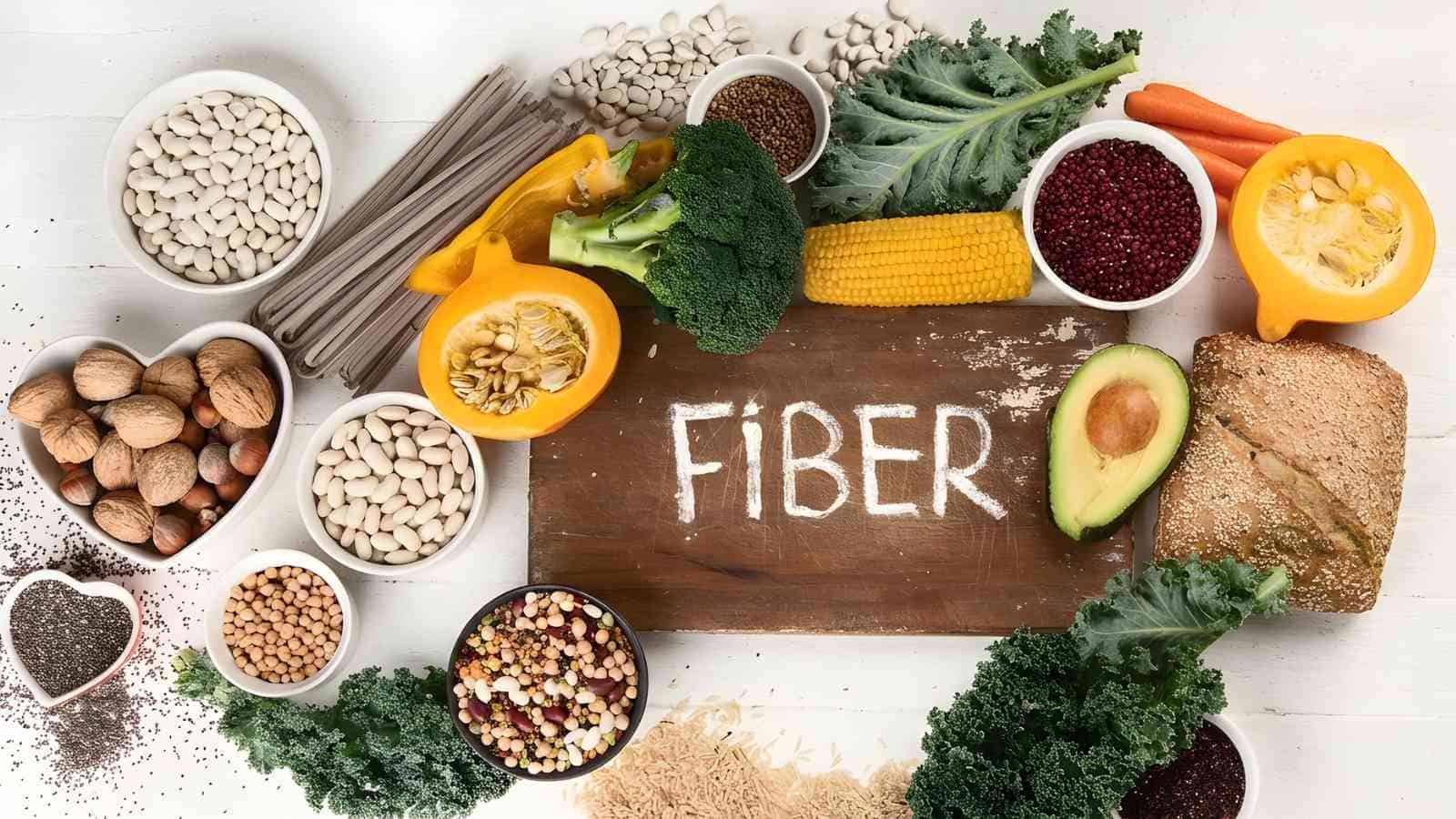
You may or may not have heard of fibermaxxing, but this trend has been gaining attention as more people start looking closely at their daily fiber intake. It refers to the intentional practice of increasing fiber-rich foods in everyday meals to reach the recommended range of about 25–38 grams per day for adults. Many diets still fall short of this target, often averaging only 10–15 grams without much awareness. The interest comes from fiber’s well-established role in supporting digestion, promoting more stable blood sugar levels, and contributing to satiety after meals. In 2026, the approach centers on practical, whole-food-based changes that can be built into regular eating patterns over time.
Start Your Day with Overnight Oats
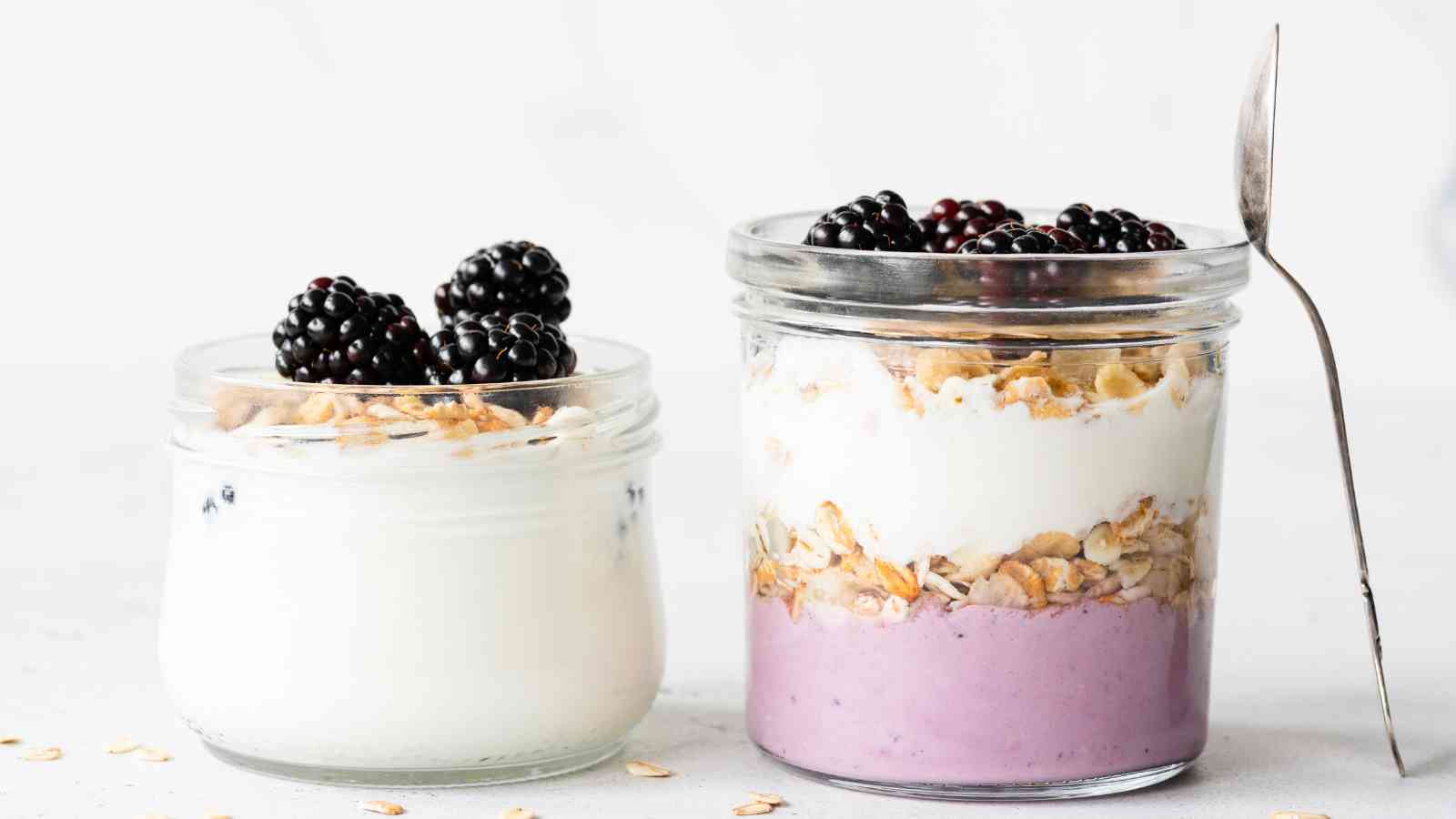
Overnight oats are one of those easy breakfast setups where fiber adds up without much effort. Rolled oats already give a solid base of fiber, and when mixed with ingredients like chia seeds or berries, the total climbs quickly. Oats on their own already support digestive movement because of their soluble fiber content. Letting them sit overnight softens the texture and makes them easy to digest in the morning. A single bowl can easily push past 10 grams of fiber depending on what gets mixed in.
Add Chia or Flax Seeds to Everything

Tiny seeds like chia or flax are small but surprisingly dense when it comes to fiber content. Just a spoon or two can noticeably increase fiber in whatever they’re added to, whether that’s smoothies, yogurt, or even sauces. Chia in particular absorbs liquid and forms a thicker texture, which also helps with fullness. Ground flax blends in more smoothly and adds a mild nutty taste without changing the dish much. Using them regularly across meals is an easy way to steadily raise daily fiber intake.
Swap White Bread for Whole Grain

Switching bread types is one of the simplest fiber upgrades anyone can make. Whole grain or seeded bread keeps more of the grain’s natural structure, which is where the fiber sits. Each slice usually carries a few grams of fiber, which adds up fast in sandwiches or toast-based meals. White bread, on the other hand, loses most of that during processing. Over time, this swap quietly doubles or triples fiber intake from something already eaten daily.
Bulk Up Smoothies with Veggies and Seeds

Smoothies are an easy place to hide extra fiber without changing the flavor too much. Spinach blends in smoothly and doesn’t affect taste much, while berries and avocado add both fiber and texture. Seeds like hemp or psyllium can boost fiber even further without making the drink feel heavy. Because everything is blended, the fiber is consumed in one sitting without much effort. A well-built smoothie can end up covering a big chunk of daily fiber goals.
Make Beans Your Go-To Protein
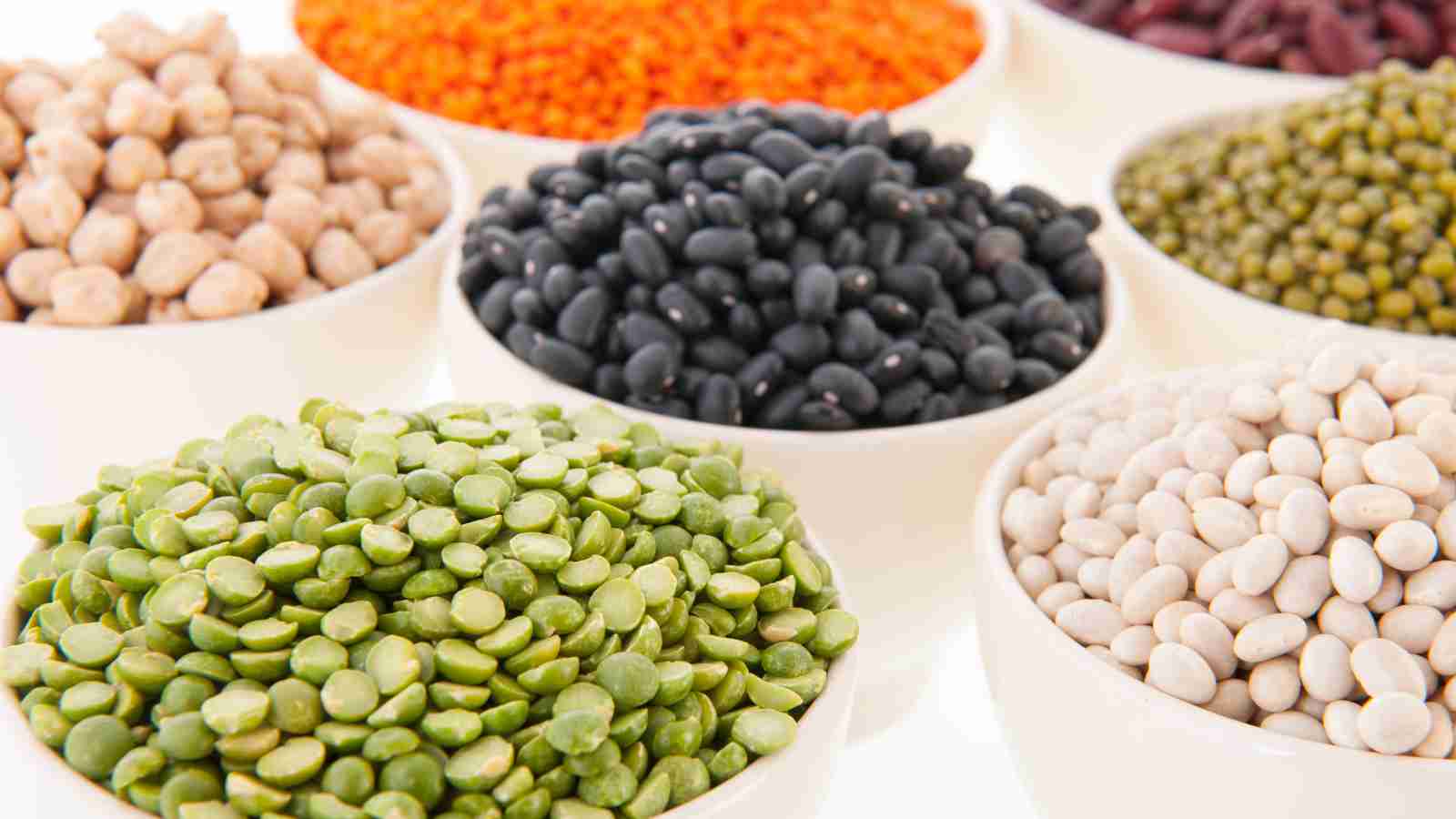
Beans are one of the most reliable fiber sources you can build meals around. Lentils, chickpeas, and black beans all come with a strong mix of fiber and plant-based protein. Lentils in particular stand out because a single cup can carry around 15 grams of fiber. They work in everything from soups to salads to rice bowls without much preparation. Making them a regular protein choice naturally pushes fiber intake up throughout the week.
Eat Potatoes and Sweet Potatoes with Skin

Leaving the skin on potatoes is an easy way to keep more fiber in the meal. The skin holds a good portion of the vegetable’s insoluble fiber, which helps with digestion. A medium sweet potato with skin already gives a decent fiber boost without needing extra ingredients. Baking or air-frying keeps the structure intact and doesn’t strip nutrients away. It’s a small habit change that makes a noticeable difference over time.
Snack on Apples, Pears, or Berries

Whole fruits are much more fiber-rich when eaten as-is compared to juice. Apples and pears carry most of their fiber in the skin, so eating them whole matters. Berries like raspberries stand out because their tiny seeds add up to higher fiber per cup. These fruits are easy to keep around for quick snacks during the day. Regular snacking on them helps close the fiber gap without much planning.
Sprinkle Seeds and Nuts on Salads and Yogurt

Adding toppings is an easy way to turn light meals into more filling ones. Nuts like almonds and seeds like pumpkin or sunflower bring both fiber and texture. Even a small handful can noticeably increase the fiber content of a salad or yogurt bowl. They also slow down digestion a bit, which helps with longer-lasting fullness. Over time, these small additions stack up across multiple meals.
Choose Whole Grain Pasta or Rice

Swapping refined grains for whole versions keeps more fiber in the meal. Brown rice and quinoa still have their outer layers intact, which is where most fiber is stored. Quinoa also adds a bit of complete protein alongside its fiber content. Whole wheat pasta behaves similarly, offering more structure and nutrients than regular pasta. This change works well because it doesn’t require changing the type of meals being eaten.
Load Up on Broccoli and Brussels Sprouts

Cruciferous vegetables are steady, reliable sources of fiber that fit into many meals. Broccoli and Brussels sprouts both offer a mix of fiber types that support digestion. Roasting or steaming keeps them simple while still maintaining their structure. A single cup of Brussels sprouts alone can give a few grams of fiber. Adding them regularly helps balance out lower-fiber meals.
Start Meals with a Big Salad

Starting a meal with a salad is an easy way to front-load fiber. Leafy greens, carrots, cucumbers, and chickpeas all contribute different types of fiber. Adding avocado or beans can push the total even higher without much effort. Eating it first also helps set the tone for the rest of the meal. It’s a simple habit that quietly increases daily fiber without changing the main dish.
Blend Veggies into Sauces and Soups

Blending vegetables into sauces is a low-effort way to increase fiber without noticing it much. Carrots, spinach, and cauliflower all blend smoothly into soups or pasta sauces. Once pureed, they still keep their fiber content while becoming less visible. This makes it easier to include vegetables in meals that usually don’t have many. Over time, it adds a consistent fiber boost without changing eating habits.
Try Chia Seed Pudding as Dessert

Chia seed pudding works because the seeds absorb liquid and form a thick, creamy texture. That same process packs in a good amount of fiber per serving. Mixing it with plant-based milk and fruit adds even more fiber and variety. It can easily replace lower-fiber dessert options without feeling like a major switch. It’s one of those simple swaps that quietly improve overall intake.
Add Avocado to Toast or Bowls

Avocado brings both fiber and healthy fats in one ingredient. Half of it already provides a noticeable fiber boost without needing extra preparation. It spreads easily on toast or mixes into grain bowls without overpowering other flavors. The fiber content comes from both soluble and insoluble types. Including it regularly adds up over the course of the week.
Keep Frozen Berries and Veggies Stocked

Frozen produce makes it easier to keep fiber-rich foods available all the time. Berries, spinach, and kale hold onto their fiber even after freezing. They’re convenient for smoothies, stir-fries, or oatmeal without worrying about spoilage. This helps reduce gaps when fresh produce isn’t on hand. Having them ready makes fiber intake more consistent day to day.
Snack on Roasted Chickpeas or Edamame

Legume-based snacks are an easy upgrade from typical processed snacks. Chickpeas, especially when roasted, become crunchy while still keeping their fiber content. Edamame offers a softer option that still delivers both protein and fiber. These snacks are filling enough to carry between meals without much effort. They fit well into a routine where fiber is spread throughout the day.
Use Psyllium Husk or Fiber Powders Strategically

Fiber powders like psyllium husk can help fill gaps when food intake falls short. Just a small amount mixes into drinks or foods and adds a noticeable fiber boost. It mainly provides soluble fiber, which forms a gel-like consistency when mixed with liquid. Hydration becomes important when using it to keep things comfortable in digestion. It works best as a backup, not the main fiber source.
End the Day with a High-Fiber Wind-Down Snack

Evening snacks can still contribute meaningfully to daily fiber totals. Options like apples, popcorn, or carrots with hummus are simple but effective choices. Popcorn in particular adds fiber in a light, easy-to-eat form. Pairing it with nut butter or dips increases both fiber and satisfaction. Ending the day this way helps keep intake steady without feeling like extra effort.
15 Eating Habits That Quietly Signal Burnout

Mental fatigue interferes with appetite signals, routine planning, and the brain’s ability to prioritize basic self-care. Paying attention to how meals are approached can quietly reveal how deeply prolonged stress has settled into daily life.
17 Food Habits of People Who Rarely Get Sick

The people who rarely get sick usually have a set of quiet, consistent food habits that keep their immune system responsive and less prone to burnout. They eat in ways that support the body’s natural defense mechanisms without triggering unnecessary stress or imbalance. Here are 17 food habits they live by—and why each one works. These aren’t one-time fixes, but long-term habits that strengthen the body’s internal balance.

Tamara Tsaturyan is the owner and writer of Thriving In Parenting, a website focused on providing simple tips for busy parents — easy and healthy recipes, home decor and organization ideas and all things P A R E N T I N G.

Share Your Thoughts!
I love to know your thoughts, make sure to comment below to start a discussion! You can also follow me on your favorite social network below.